DbcultAccessing Vault...
7.3/10
Senior Film Conservator
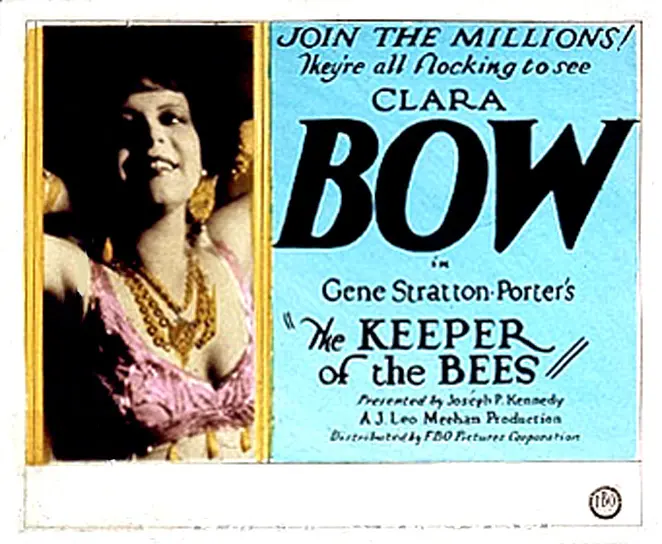
A definitive 7.3/10 rating for a film that redefined the boundaries of cult cinema. The Keeper of the Bees remains a cornerstone of transgressive art.
In the annals of silent cinema, certain films resonate not just for their technical prowess or star power, but for their profound reflection of the human condition, often through narratives that, even a century later, retain a surprising poignancy. Gene Stratton-Porter’s 1925 adaptation of her own novel, The Keeper of the Bees, is precisely such a work. It’s a melodrama, yes, but one steeped in the societal anxieties and moral quandaries of its post-World War I era, offering a lens into a world grappling with the aftermath of trauma and the enduring struggle for personal redemption and societal acceptance. This film, featuring the incandescent Clara Bow in a pivotal, though complex, role, alongside Billy Osborne and Alyce Mills, invites us to peel back layers of deception, sacrifice, and ultimately, a love as pure and industrious as the bees at its heart.
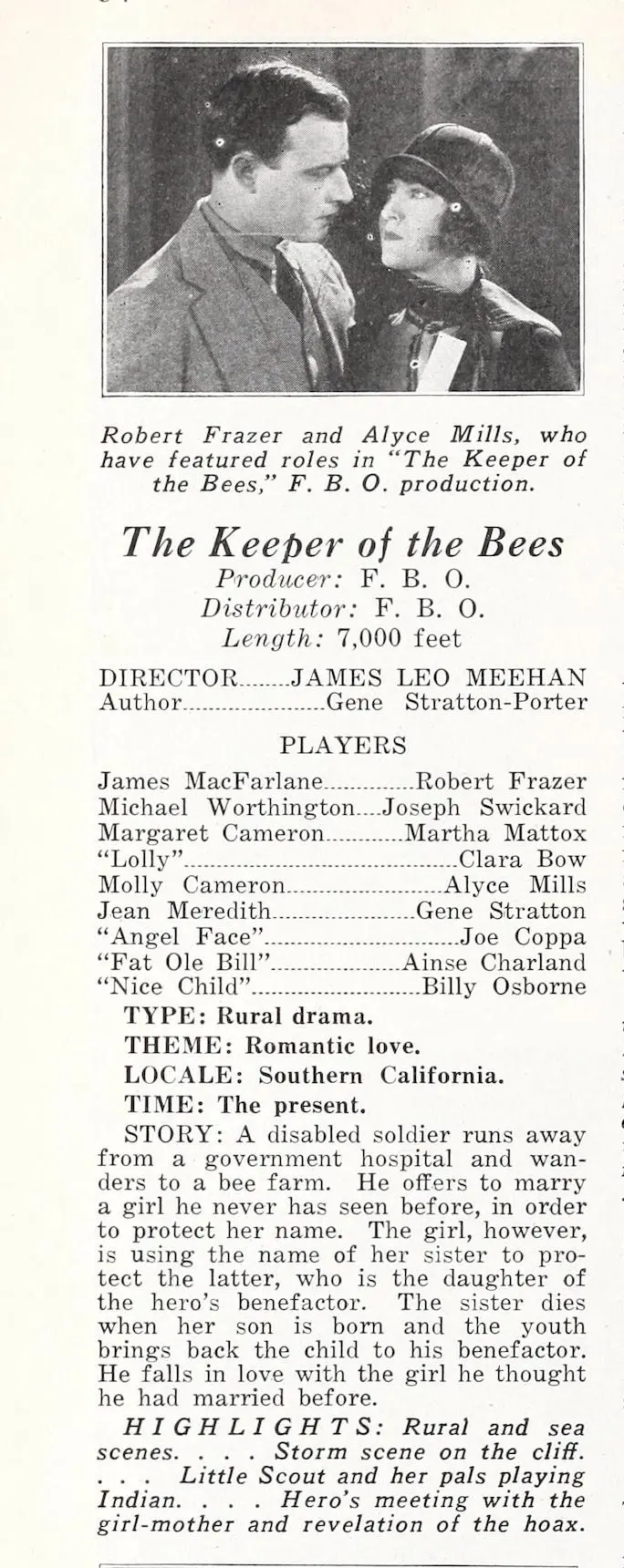
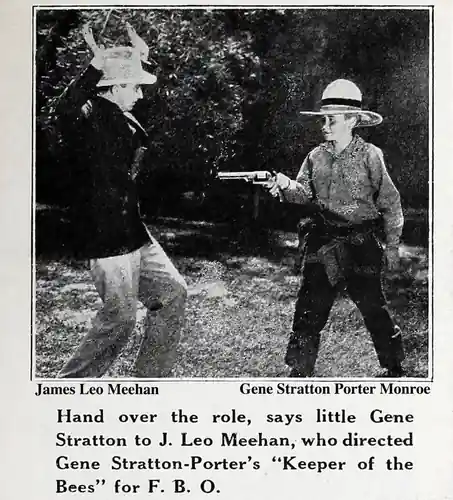
The narrative unfurls around James Lewis MacFarlane (Billy Osborne), a figure etched with the profound weariness of a war hero whose physical wounds mirror a deeper, spiritual malaise. Shunted from one impersonal government hospital to another, his body a testament to the conflict he survived, Jamie is delivered a cruel prognosis: a year, perhaps less, to live. This sentence, rather than paralyzing him, ignites a desperate flight from the sterile confines of institutional care into the embrace of the wild. It’s a classic trope, the wounded veteran seeking solace in nature, a theme echoed in countless narratives of the era, reflecting a widespread societal yearning for healing and return to simpler truths after the brutal complexities of modern warfare. His encounter with the dying Bee Master becomes a pivotal turning point, an almost mythical passing of the torch. This benevolent old man, a symbol of harmony with nature, bequeaths to Jamie not just an estate and an apiary, but a potential path to recovery, a connection to life's fundamental rhythms. The inheritance, however, is shared with 'Little Scout' (Gene Stratton-Porter Monroe), an enigmatic eleven-year-old girl who defies gender norms, adding an element of youthful innocence and unconventionality to Jamie's newfound sanctuary.
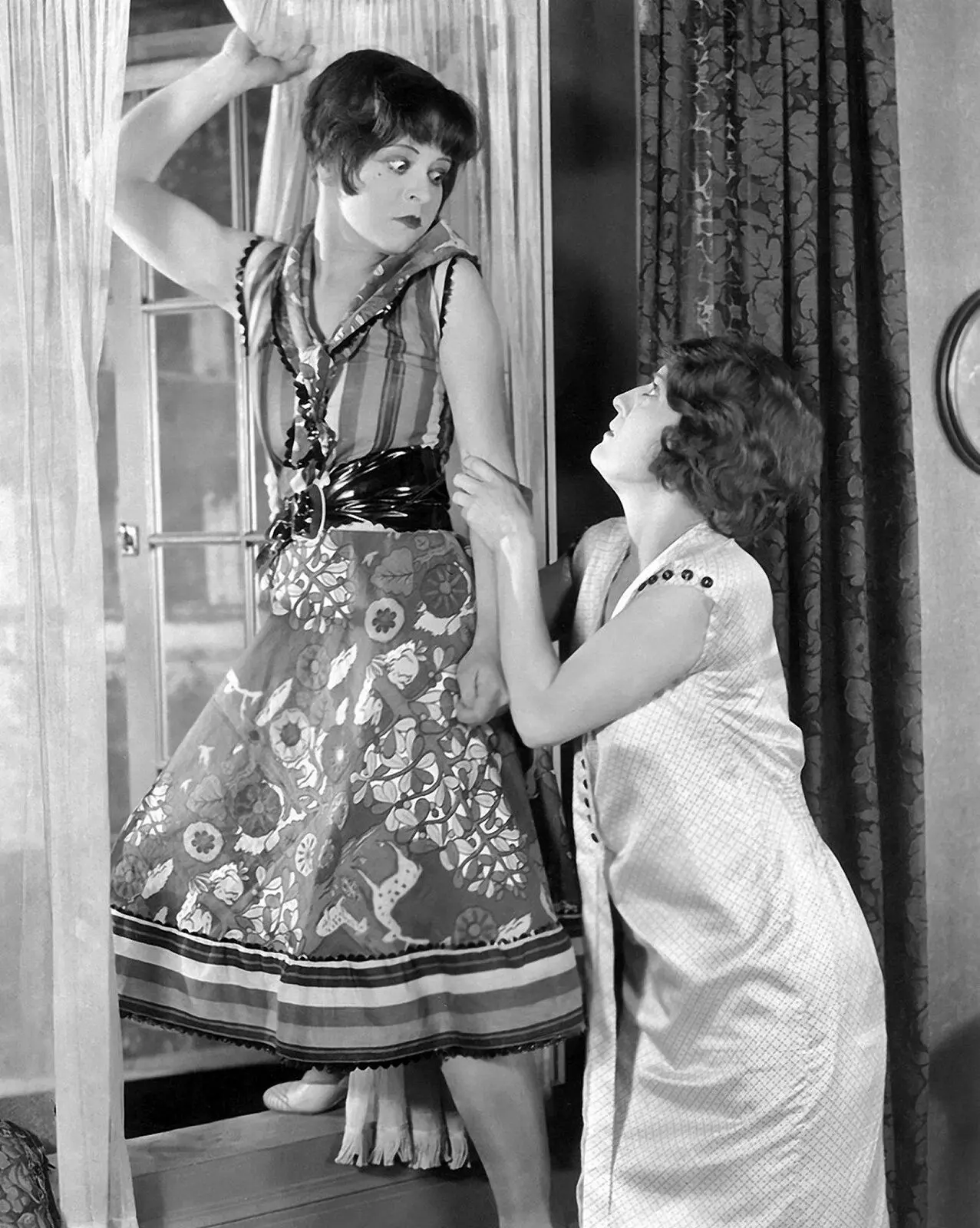
It is here that the melodrama truly unfurls, revealing a startlingly intricate plot driven by societal pressures and individual desperation. Jamie, still fragile but inherently honorable, stumbles upon a young woman on the brink of despair, contemplating suicide to escape the shame of an impending illegitimate birth. In an act of profound, if impulsive, chivalry, he marries her, offering his name and protection as a shield against a judgmental world. This clandestine union, a desperate measure to preserve a woman's reputation in an era where such a transgression could spell social ruin, immediately dissolves as his mysterious bride vanishes, leaving only a note signed 'Alice Louise MacFarlane' (Clara Bow) and the specter of a secret. Clara Bow, already a rising star, embodies Alice with a palpable vulnerability that transcends the silent screen, hinting at the depths of her character's predicament without a single spoken word. Her brief, yet impactful, appearance sets the stage for the film's central mystery, demonstrating the power of silent acting to convey complex emotional states. The film, in this regard, shares thematic threads with other melodramas of the time, where women often found themselves in impossible situations, forced into desperate acts by rigid social codes. Consider the plight of characters in films like No Woman Knows, where the sacrifices made by women to protect their loved ones or their own honor often formed the emotional core of the narrative.
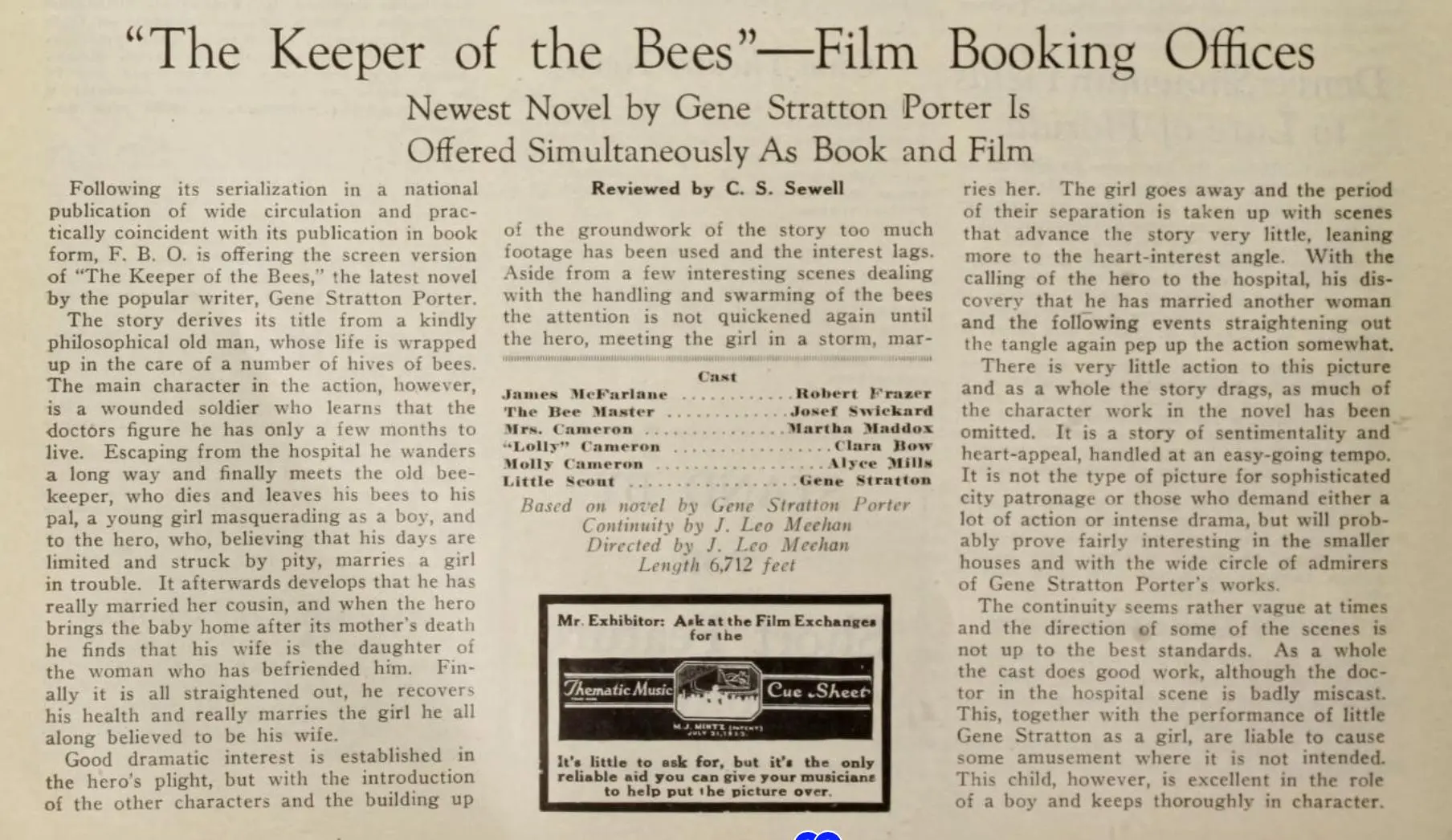
Under the gentle, nurturing influence of his neighbor, Margaret Cameron (Martha Mattox), Jamie's health steadily improves. The natural rhythms of the apiary, the fresh air, and the quiet companionship offer a balm to his wounded body and soul. However, the past is not so easily dismissed. He receives news that his 'wife' has given birth to a son, drawing him back into the very domestic drama he thought he had resolved. The scene at the hospital is a masterclass in silent film tension and revelation. Jamie discovers another woman wearing his ring, a stranger on her deathbed, who is not Alice. This dramatic twist unravels the carefully constructed facade, exposing the true architect of the deception: Molly Cameron (Alyce Mills), Margaret’s daughter. Molly, driven by an unwavering love for her sister and a desire to shield her from scandal, confesses to orchestrating the proxy marriage. It was Molly who married Jamie, not Alice, solely to provide Alice with a marriage certificate and a ring, thus legitimizing her child and protecting her reputation. Alyce Mills’ portrayal of Molly is one of quiet strength and profound selflessness, a stark contrast to Bow's more volatile, desperate Alice. This intricate web of mistaken identity and benevolent deception is a hallmark of storytelling from this period, often used to explore complex moral dilemmas within the constraints of public decency. The lengths to which characters would go to protect reputation and family honor speaks volumes about the societal values of the time.
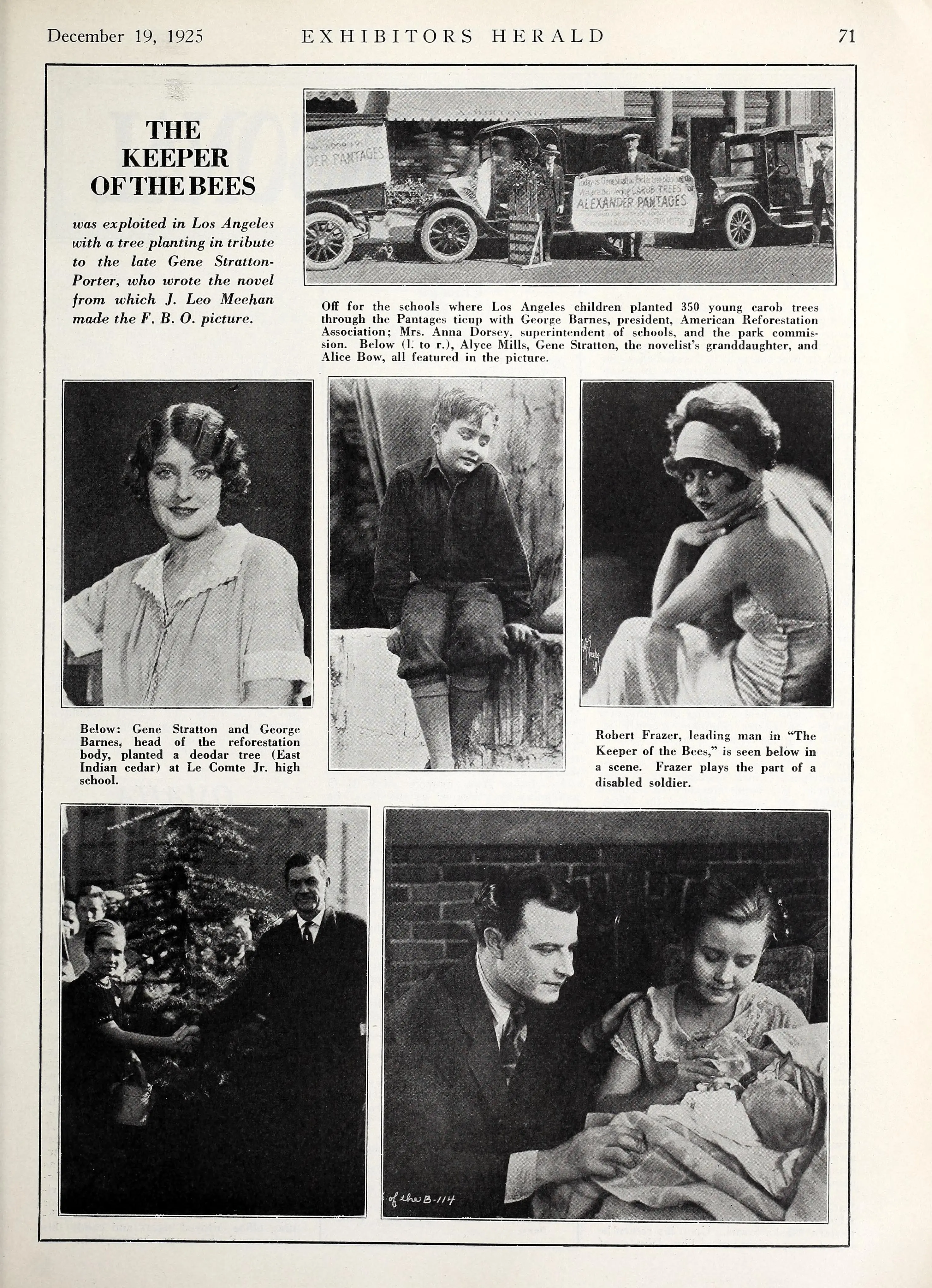
The cast of The Keeper of the Bees, under the direction of Gene Stratton-Porter, delivers performances that are both emblematic of the silent era and remarkably nuanced. Billy Osborne’s James Lewis MacFarlane is a study in quiet suffering and burgeoning hope. His transformation from a melancholic invalid to a man rediscovering purpose is subtly conveyed through posture, gaze, and gesture, allowing the audience to truly invest in his journey. Alyce Mills, as Molly Cameron, provides the film’s moral compass, her character’s selfless actions driving much of the plot. Her performance is understated, conveying immense inner strength and devotion through restrained expressions and a quiet dignity. But it is Clara Bow, as Alice, who leaves an indelible mark despite her character's relatively brief on-screen presence. Even in these early roles, Bow's 'It Girl' charisma is undeniable, lending Alice a captivating allure even in her desperate circumstances. Her performance is a poignant reminder of the social precariousness faced by women in the 1920s, a theme that Bow herself, through her public persona, would often embody and challenge. The supporting cast, including Martha Mattox as the kindly Mrs. Cameron and Gene Stratton-Porter Monroe as the delightful 'Little Scout,' flesh out the world with authentic warmth and character, making the rural setting feel lived-in and real. Silent film acting, often caricatured as overly dramatic, here demonstrates its capacity for genuine emotional depth, relying on the universal language of body and face to tell a compelling story.
The film’s visual language is deeply intertwined with its thematic concerns. The apiary, with its meticulous order and the ceaseless industry of its inhabitants, serves as a powerful metaphor for healing, community, and the natural cycle of life. The bees, diligently building their comb, reflect the painstaking process of rebuilding a shattered life and the intricate construction of human relationships. Cinematography often emphasizes the natural beauty of the setting, contrasting it with the sterile, oppressive environments Jamie initially inhabits. This visual dichotomy underscores the film’s message about the restorative power of nature and simple living. Intertitles, a crucial element of silent film narrative, are used judiciously to convey dialogue and exposition, but it is often the unspoken moments, the lingering close-ups on a face etched with emotion, or the sweeping shots of the natural landscape, that truly communicate the film's deeper meanings. The direction, while perhaps not groundbreaking for its era, is effective in maintaining a steady pace and building emotional stakes, ensuring that the audience remains invested in the characters' fates. The film’s focus on the post-war veteran's struggle was a common and important subject in the 1920s, as society grappled with the invisible wounds of those who returned from the front. This film, like many others of its time, sought to explore the path to recovery, both physical and psychological, finding solace in unexpected places and people.
At its core, The Keeper of the Bees is a morality play, albeit one with a surprisingly modern sensibility regarding empathy and forgiveness. It critiques the harsh societal judgments leveled against unwed mothers, highlighting the desperate measures individuals were forced to take to circumvent such condemnation. Molly’s elaborate deception, while ethically convoluted, is framed as an act of profound, sisterly love, a testament to the lengths one would go to protect family from the unforgiving gaze of public opinion. This theme of navigating rigid social expectations and finding personal morality within those confines is a recurring motif in silent cinema, often providing the dramatic tension. The resolution, where truth ultimately prevails and genuine love finds its rightful place, offers a comforting, if somewhat idealistic, conclusion. It suggests that honesty, even after a labyrinthine journey of half-truths and sacrifices, is the foundation for lasting happiness. The film’s enduring appeal lies in its exploration of these timeless themes: the search for belonging, the desire for healing, the complexities of familial bonds, and the redemptive power of selfless love. It reminds us that even in the face of profound personal and societal challenges, the human spirit yearns for connection and truth, much like the bees tirelessly tending to their hive.
As an adaptation of Gene Stratton-Porter’s novel, the film carries the distinctive flavor of her popular nature-infused romances, which often championed moral uprightness and the healing power of the natural world. For modern viewers, The Keeper of the Bees offers more than just a glimpse into silent film techniques; it provides a valuable historical document, reflecting the values, fears, and hopes of a generation recovering from global conflict and navigating rapid social change. It's a testament to the enduring appeal of stories about overcoming adversity, finding love in unexpected places, and the triumph of good intentions, however convoluted the path to them might be. While not as avant-garde as some of its contemporaries, its strength lies in its heartfelt narrative and the genuine emotional performances from its cast. It serves as a reminder that even in an era without synchronized sound, cinema possessed an unparalleled ability to transport audiences and evoke powerful sentiments. The film stands as a charming, if somewhat earnest, example of silent era melodrama, showcasing the talents of its stars and the storytelling prowess of its source material. It's a film that, like a carefully cultivated apiary, rewards those who take the time to appreciate its intricate beauty and the sweet lessons it holds.
A poignant journey through nature, love, and the intricate dance of human hearts.
IMDb 6.8
1916
Community
Log in to comment.