DbcultAccessing Vault...
Cult Review
Senior Film Conservator
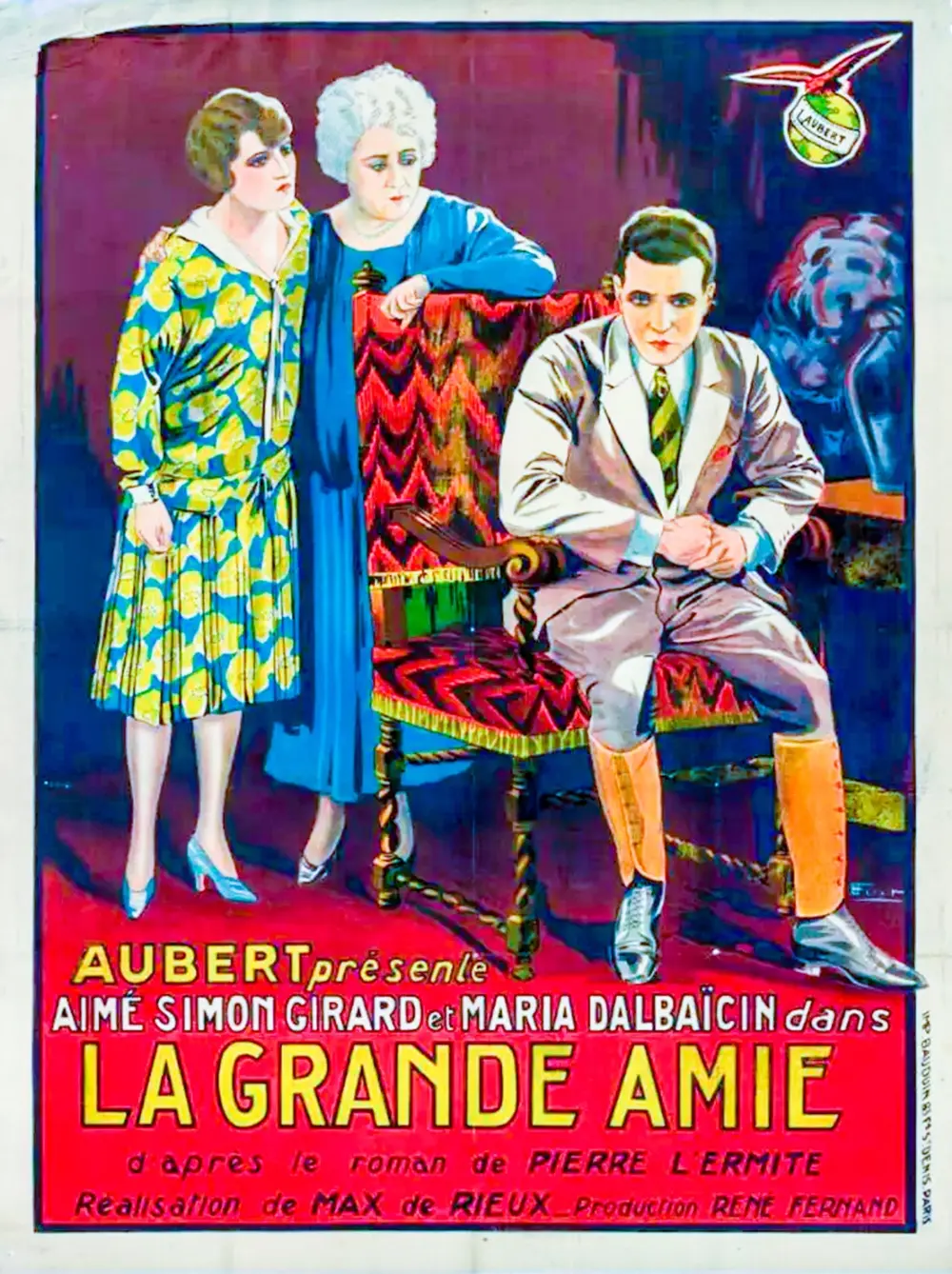
Is 'La grande amie' worth watching today? Short answer: yes, but with significant caveats. This rarely seen silent film from 1924, penned by the morally earnest Pierre L'Ermite, offers a fascinating glimpse into early French cinema and the values it sought to uphold. It’s a film for cinephiles, historians, and those with a deep appreciation for the foundational storytelling of the silent era, but it will undoubtedly test the patience of viewers accustomed to contemporary pacing and narrative conventions.
This film is for anyone who cherishes the art of silent storytelling, who can appreciate the nuanced performances delivered through gesture and expression, and who finds value in exploring the moral landscapes of a bygone era. Conversely, 'La grande amie' is decidedly NOT for casual viewers seeking fast-paced action, complex dialogue, or modern sensibilities. Its deliberate rhythm and earnest melodrama might prove too challenging for those without a vested interest in film history.
'La grande amie' emerges from an intriguing historical context, shaped by the literary hand of Pierre L'Ermite, a Catholic priest and novelist. This background imbues the film with a distinct moralistic core, a focus on virtue, and the quiet power of good influence. It’s less a spectacle and more a thoughtful meditation on character, a cinematic sermon on the enduring strength of human kindness and integrity.
The film’s modest production values, typical of its time, belie its ambitious thematic scope. It attempts to tackle the quiet heroism of everyday people, the internal struggles that define character, and the subtle ways in which one individual can profoundly alter the trajectory of another's life. This is not a film of grand gestures but of significant glances, a testament to the power of the unsaid.
This film works because of its unflinching commitment to its central theme: the transformative power of unwavering moral support. It doesn't shy away from depicting internal struggle, relying on the expressive capabilities of its lead performers to convey complex emotions without a single spoken word.
This film fails because its deliberate pacing and reliance on intertitles can feel ponderous to a modern audience, occasionally sacrificing narrative dynamism for contemplative moments that stretch beyond contemporary comfort levels.
You should watch it if you're a student of early cinema, appreciate character-driven silent dramas, or are curious about the moral and social narratives prevalent in French film of the 1920s.
The cast of 'La grande amie' navigates the unique demands of silent acting with varying degrees of success, but it is María Dalbaicín as Louise who truly anchors the film. Her performance is a masterclass in subtlety for the era, eschewing the broader gestures often seen in American silent films for a more internalized portrayal of strength and empathy. There's a particular scene, where Louise observes André's moral dilemma from across a crowded room, her face conveying a complex tapestry of concern, resolve, and quiet hope, that is genuinely arresting. It’s a moment that could easily be overlooked but speaks volumes about her character's inner life.
Éliane de Creus and Eugène de Creus, likely playing a pivotal couple, bring a more overtly dramatic flair, which, while effective for conveying immediate emotional states, sometimes borders on theatricality that might feel dated. Their interactions, however, are crucial in externalizing André's internal conflict. Paul Asselin and Robert Pizani also contribute, often serving as foils or catalysts, their performances providing necessary contrast to Dalbaicín's subdued power.
The ensemble understands the language of the silent screen: the dramatic pause, the meaningful glance, the carefully choreographed body language. It's a different kind of acting, one that demands a viewer's active participation in deciphering emotion and intent. While some performances lean into the melodramatic conventions of the time, Dalbaicín's portrayal of Louise feels remarkably contemporary in its emotional honesty, setting a benchmark for expressive restraint.
The direction, though uncredited in the provided details, showcases a clear understanding of visual storytelling inherent to the silent era. The use of close-ups is particularly effective, drawing the viewer into the emotional core of a scene. For instance, the recurring motif of Louise's hands, often clasped or gently resting, becomes a visual shorthand for her steadfastness and quiet strength. These aren't just pretty shots; they are deliberate narrative choices that amplify character.
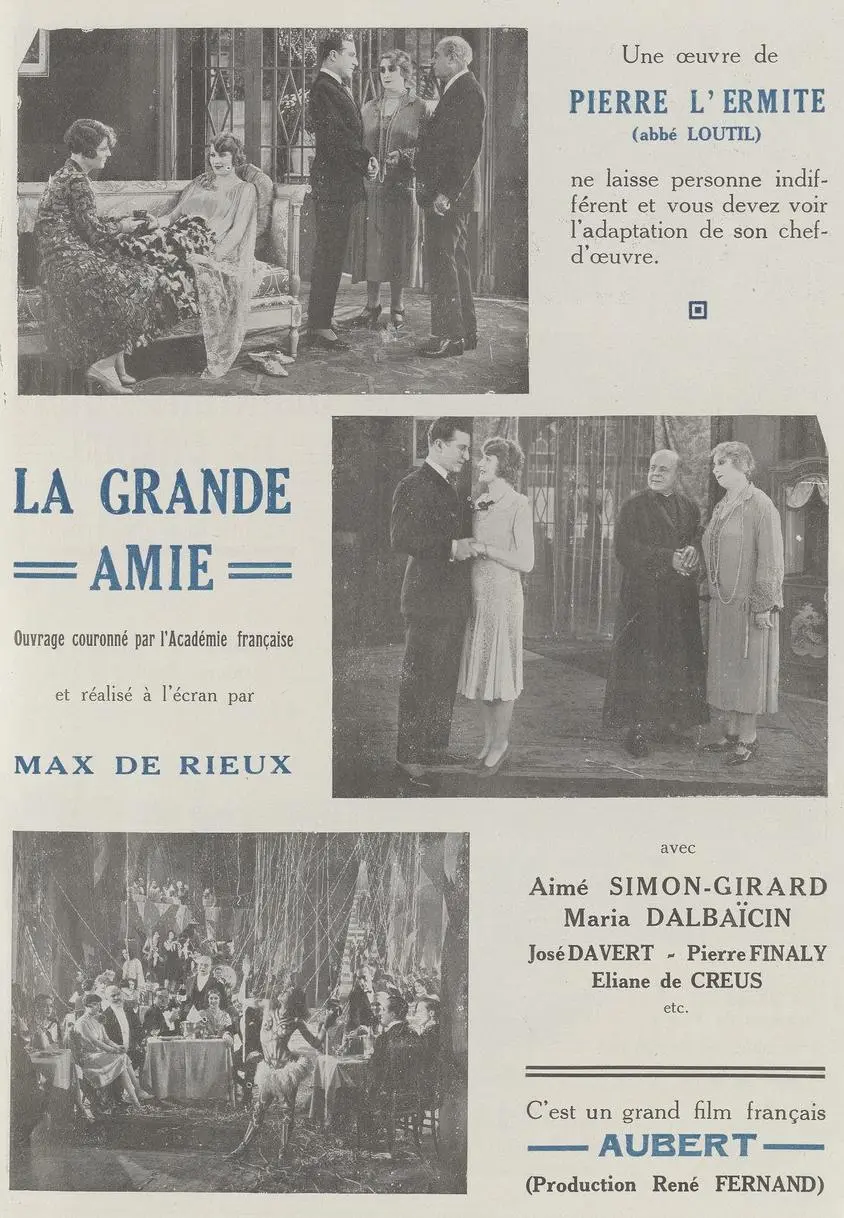
Cinematography, while not groundbreaking by today's standards, uses light and shadow to great effect, particularly in scenes depicting André's internal turmoil. A sequence set in a dimly lit study, where André paces back and forth, bathed in the stark contrast of a single lamp, powerfully conveys his isolation and distress. This kind of visual metaphor was a staple of the era, and here, it's employed with a subtle artistry that enhances the film's dramatic tension. It’s a far cry from the more experimental The Complete Life, but effective nonetheless.
The film’s visual style is functional yet evocative. It prioritizes clarity and emotional impact over elaborate set pieces, allowing the viewer to focus on the human drama unfolding. There's a simplicity to the framing that, rather than feeling primitive, often feels deliberate, almost classical. It works. But it’s flawed.
The pacing of 'La grande amie' is undeniably slow by modern standards, a common characteristic of silent cinema that can be a significant hurdle for contemporary audiences. Intertitles, while necessary for conveying dialogue and plot points, break the visual flow and demand a different kind of engagement from the viewer. This deliberate rhythm is not a flaw in itself, but a stylistic choice reflective of its period, requiring patience and a willingness to adjust one's viewing habits.
The tone is overtly melodramatic, steeped in the moral earnestness that L'Ermite's writing suggests. Characters experience heightened emotions, and conflicts are often resolved through dramatic revelations or moral epiphanies. This can feel quaint or even overly sentimental to a contemporary audience, yet it is precisely this unironic embrace of sentiment that gives the film its unique charm and historical value. It’s a direct window into the emotional landscape of its time, far removed from the cynical detachment often found in modern storytelling.
One surprising observation is how the film's quiet moments, particularly those focused on Louise's silent observation, carry a weight that transcends the melodrama. These instances of understated power suggest a sophistication in silent storytelling that is often overshadowed by the more exaggerated performances of the era. It’s in these subtle beats that the film truly shines, proving that even a century ago, filmmakers understood the power of restraint.
For film scholars and enthusiasts of early cinema, 'La grande amie' is absolutely worth seeking out. It offers invaluable insight into French film aesthetics, moral narratives, and acting styles of the 1920s. It’s a piece of history, and understanding history is crucial for appreciating how cinema evolved.
However, for the casual viewer, it will be a challenging watch. The slow pace, reliance on intertitles, and the often-exaggerated acting styles can be off-putting. It demands a particular mindset and a genuine interest in the cinematic past.
Its unique blend of moralistic storytelling, anchored by María Dalbaicín's understated yet powerful performance, sets it apart. The film's commitment to exploring the quiet influence of virtue is refreshing, a stark contrast to many of its more sensational contemporaries like Sex or Why Girls Say No.
'La grande amie' is a fascinating, if challenging, artifact of silent French cinema. Its strengths lie in its earnest thematic exploration of virtue and friendship, anchored by a compelling central performance from María Dalbaicín. It offers a unique window into the moral and social concerns of its time, delivered with a sincerity that is both endearing and occasionally testing.
While its deliberate pacing and melodramatic tone will not appeal to everyone, those willing to immerse themselves in the viewing conventions of the 1920s will find a rewarding experience. It’s a film that asks for patience but offers, in return, a glimpse into the foundational artistry of cinema and a poignant story of human connection. It’s not an easy watch, but it’s a worthwhile one for the right audience.
Ultimately, 'La grande amie' stands as a testament to the quiet power of influence and the enduring appeal of moral storytelling. It’s a film that reminds us that sometimes, the greatest heroes are those who simply stand by us, guiding with an unwavering, silent strength. For those who appreciate the historical tapestry of film, this 'great friend' is definitely worth making acquaintance with.
IMDb 6.4
1936
Community
Log in to comment.