DbcultAccessing Vault...
6.4/10
Senior Film Conservator
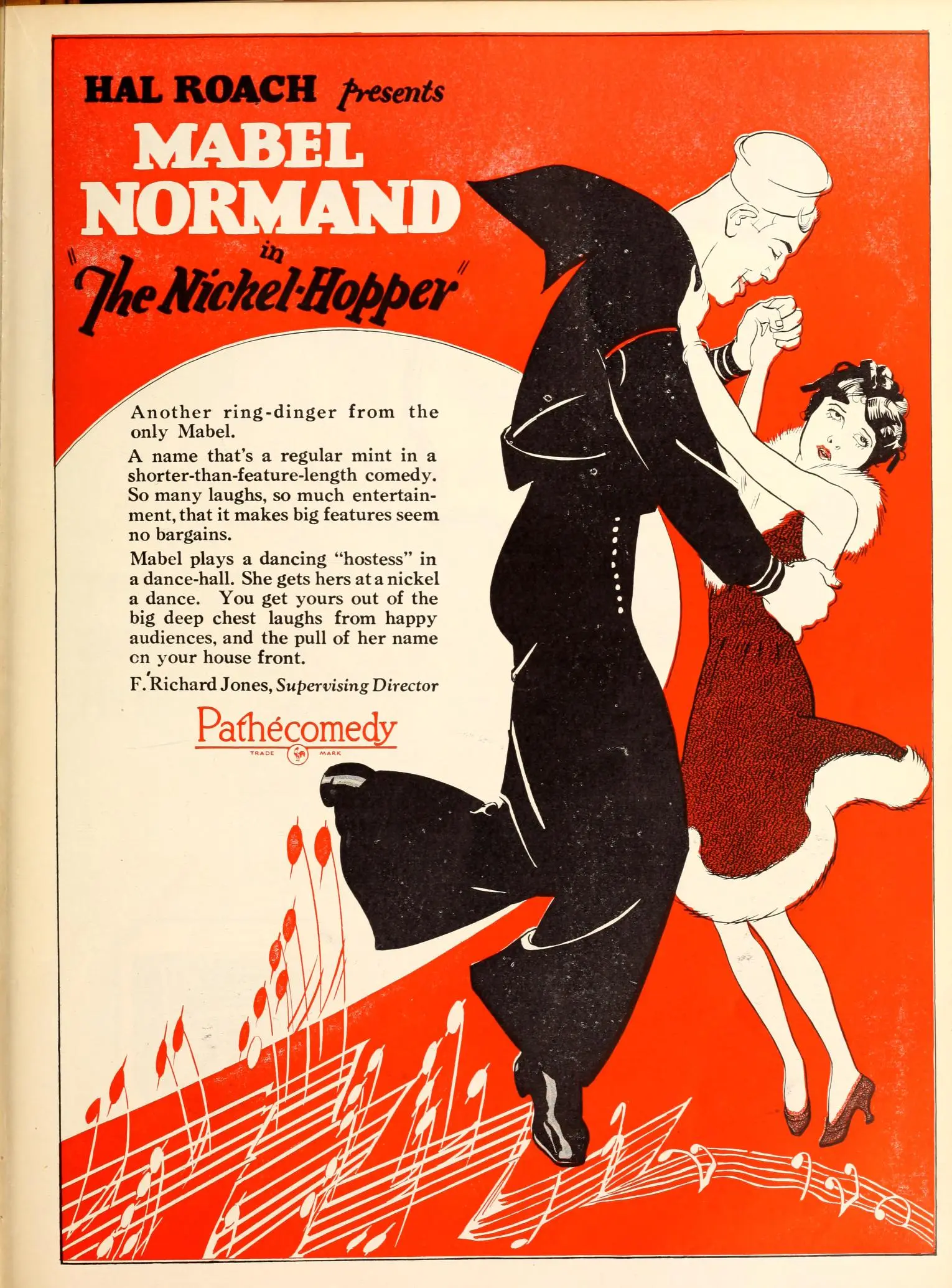
A definitive 6.4/10 rating for a film that redefined the boundaries of cult cinema. The Nickel-Hopper remains a cornerstone of transgressive art.
Is The Nickel-Hopper a silent film worth your attention today? Short answer: Yes, but primarily as a sharp social document and a showcase for Mabel Normand’s underrated dramatic range.
This film is for anyone fascinated by the transition of 1920s comedy from pure gags to character-driven stories. It is definitely not for those who demand high-speed modern pacing or find the 'lazy father' trope of the era too frustrating to endure.
The Nickel-Hopper is absolutely worth watching if you want to understand the 'sweatshop' side of the Jazz Age. While many films of 1926 focused on the glitz of flappers, this film looks at the women who had to dance until their feet bled just to pay the rent.
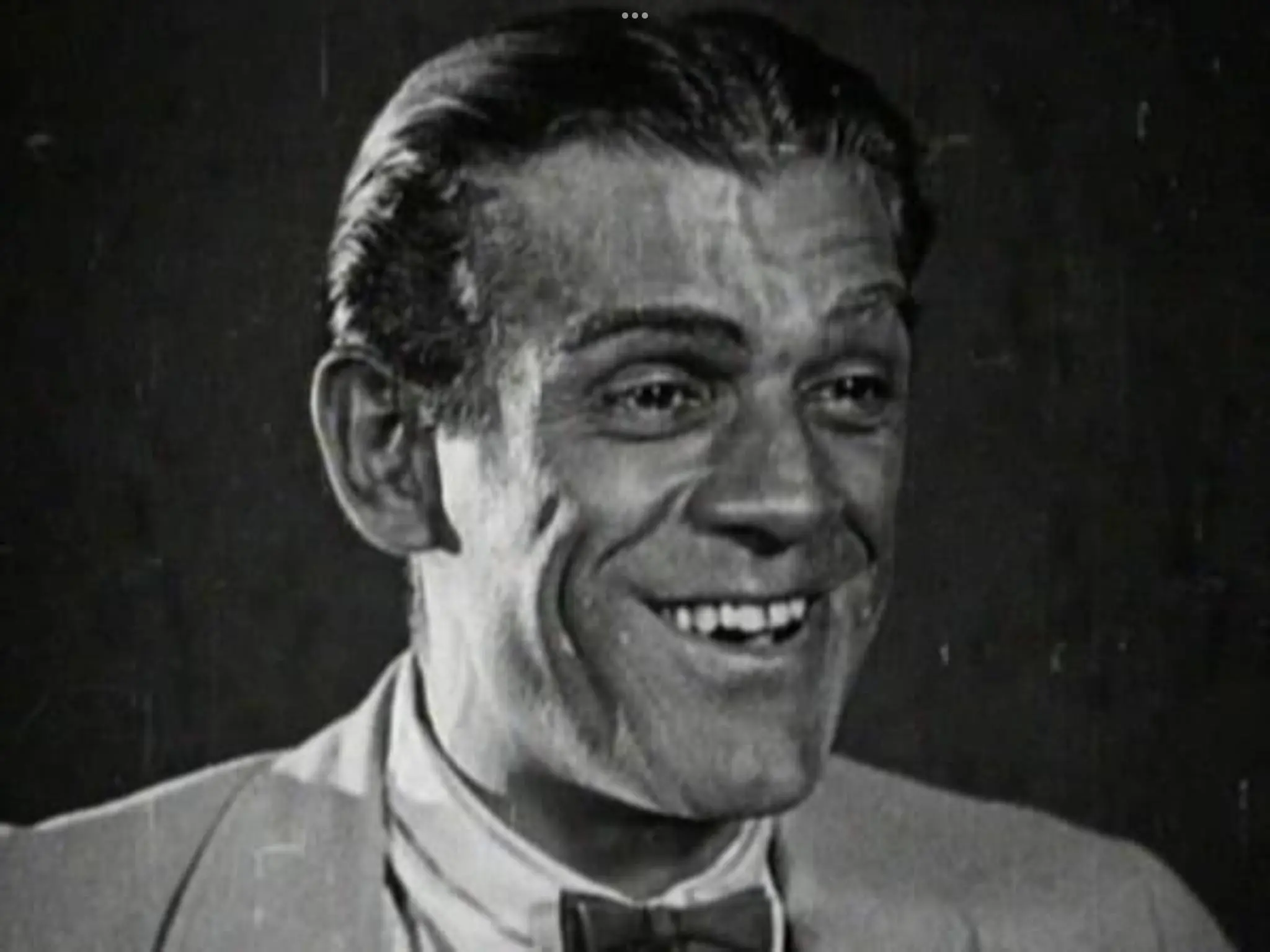
It works because Normand brings a weary, human soul to a role that could have been a caricature. It fails because it occasionally loses its footing between being a serious drama about poverty and a broad Hal Roach slapstick comedy. You should watch it if you enjoy seeing early appearances of future legends like Boris Karloff and Oliver Hardy in unexpected roles.
1) This film works because Mabel Normand manages to make exhaustion look both funny and deeply sympathetic.
2) This film fails because the third-act shift into a car chase feels disconnected from the gritty realism of the dance hall.
3) You should watch it if you want a window into the grueling reality of 1920s taxi dancing.
The film opens with a sequence that sets a tone of relentless movement. We see Paddy (Normand) returning home, her feet swollen, only to find her father lounging in bed, pretending to be ill to avoid work. This isn't just a setup for a joke; it’s a biting piece of social commentary that feels surprisingly modern.
The 'nickel-hopper' profession was a real-world phenomenon. Men would buy tickets, and dancers like Paddy would earn a fraction of that nickel for every dance. The film captures the claustrophobia of the dance hall. The cameras linger on the dusty floors and the aggressive 'Romeos' who treat the women like vending machines for entertainment.

In one specific scene, Paddy has to deal with a line of men that never seems to end. The way Normand uses her eyes—darting from the clock to the next man’s shoes—conveys a sense of entrapment. It reminds me of the social pressures seen in The Slacker, though with a much more comedic veneer.
Mabel Normand is often overshadowed by Chaplin or Keaton, but here she proves she was their equal in physical storytelling. She doesn't just fall; she falls with a purpose. Her character Paddy is a woman who has no choice but to be tough. There is a hardness in her performance that contrasts beautifully with her natural charm.
Consider the moment when she has to choose between a moment of rest and another dance. The micro-expressions on her face tell a story of economic necessity. This isn't the lighthearted fluff of Cooks and Crooks. This is a woman fighting for her family's survival, one nickel at a time.
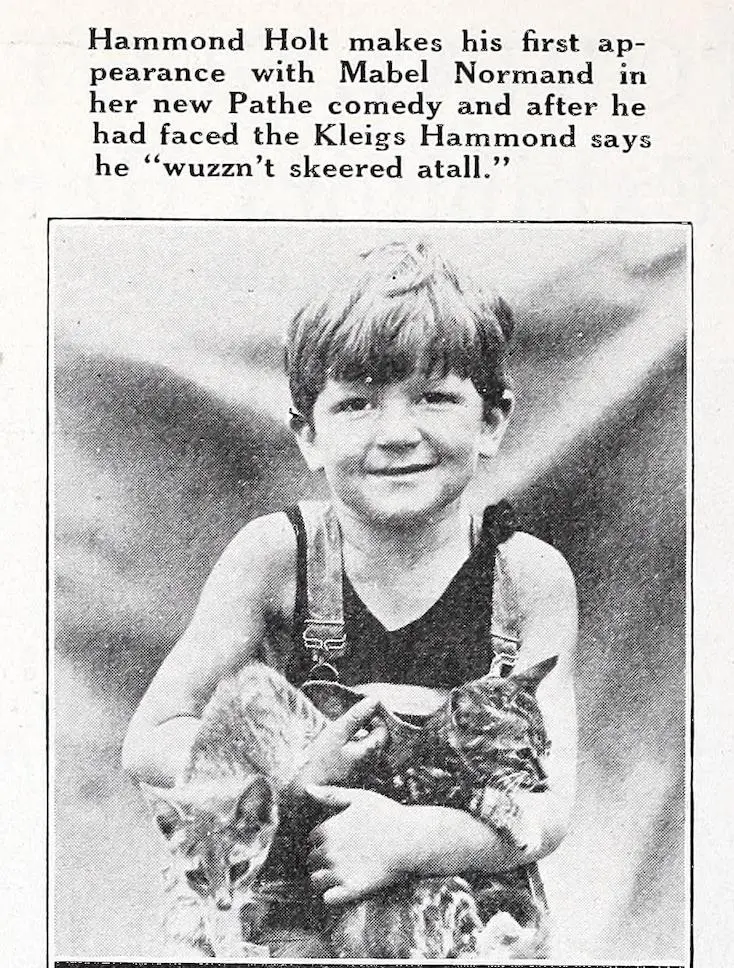
Her chemistry with the ensemble is electric. Even when the script by Stan Laurel and Hal Roach leans into absurdity, Normand keeps the stakes grounded. She makes us care about her rent money, which is no small feat in a film that also features a man losing his trousers.
The fingerprints of Stan Laurel are all over the gags in this film. There is a specific rhythm to the comedy—a build-up, a pause, and then a chaotic release. The direction by F. Richard Jones (with uncredited help from Hal Yates) ensures that the dance hall feels like a living, breathing character.
The cinematography by Art Lloyd is particularly effective during the night scenes. The lighting in the dance hall is harsh, reflecting the lack of romance in Paddy’s job. It’s a far cry from the soft, romanticized lighting found in A Cumberland Romance. Here, the shadows feel heavy and tired.
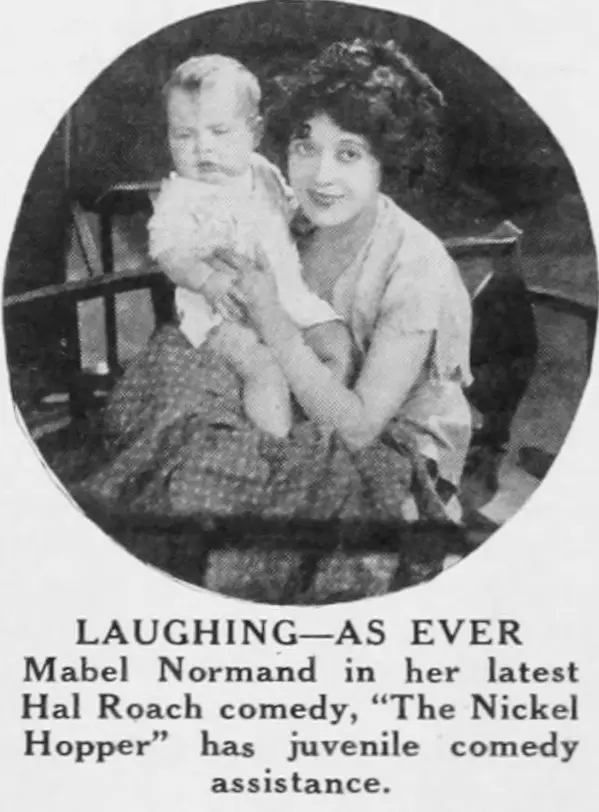
The pacing is generally excellent for the first two-thirds. However, the final act suffers from what I call 'slapstick bloat.' The film moves away from the interesting character study of Paddy and into a generic chase sequence. It’s a common flaw of the era, but it’s particularly noticeable here because the setup was so strong.
One of the greatest joys for a modern viewer is spotting the 'before they were famous' faces. Boris Karloff appears as a 'mash' (a predatory flirt) in the dance hall. Years before he would become Frankenstein’s monster, he was already projecting a certain unsettling intensity, even in a bit part.
Oliver Hardy also makes an appearance, bringing his signature physical presence. Seeing these titans of cinema in a short film like this is like finding a hidden treasure. It adds a layer of historical weight to a film that might otherwise be dismissed as a minor comedy.
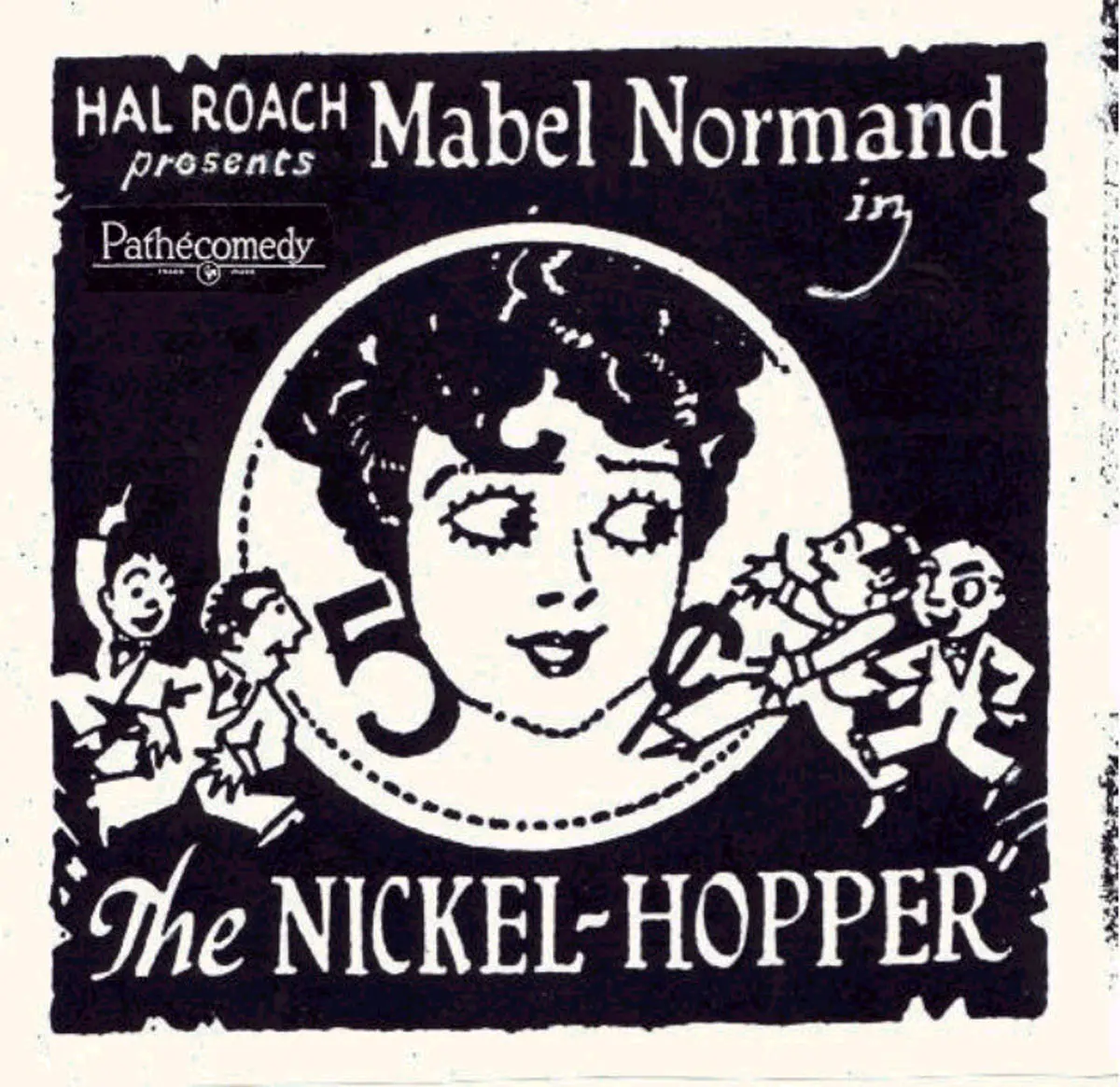
The presence of James Finlayson, with his iconic squint and double-takes, provides the necessary comedic relief. His interactions with Normand are some of the film's highlights. They represent the peak of the Hal Roach 'comedy factory' style, which was also evident in films like News in Brief.
Technically, The Nickel-Hopper is a masterclass in silent film editing. The cuts between the frantic dancing and Paddy’s internal exhaustion are sharp. The film uses intertitles sparingly, allowing the physical acting to carry the narrative weight. This is visual storytelling at its most efficient.
The tone, however, is a bit of a rollercoaster. It jumps from the pathos of a struggling family to the absurdity of a high-society party. While these shifts are jarring, they reflect the unstable nature of Paddy’s life. One moment she is a laborer; the next, she is an object of desire for a wealthy man.
The film doesn't shy away from the dirt. You can almost smell the sweat and cheap perfume in the dance hall scenes. This commitment to atmosphere puts it ahead of more sanitized productions like The Home Stretch. It’s gritty. It’s real. And then it’s suddenly a cartoon.
Pros:
- Exceptional physical comedy from the entire cast.
- A rare, honest look at the lives of working-class women in the 1920s.
- Historical cameos that are genuinely fun to spot.
- Strong, clear direction that makes the most of its limited sets.
Cons:
- The father character is so unlikable it occasionally kills the comedic momentum.
- The final chase sequence feels like it belongs in a different movie.
- Some of the gender dynamics haven't aged particularly well.
The Nickel-Hopper is a fascinating hybrid. It’s a social drama trapped inside a slapstick comedy’s body. While it doesn't always manage to balance these two identities, the attempt is admirable. Mabel Normand is the glue that holds it all together. Without her, the film would be a forgettable series of falls and spills. With her, it becomes a poignant story about the cost of a nickel.
It’s messy. But it works. It’s a film that demands you look past the scratches on the celluloid to see the very human heart beating underneath. If you’ve seen Borrowed Clothes and want something with more bite, this is your next stop. It isn't a flawless masterpiece, but it is a vital piece of cinema history that still has the power to make you laugh and wince in equal measure.
IMDb 6.2
1931
Community
Log in to comment.