DbcultAccessing Vault...
6.4/10
Senior Film Conservator
A definitive 6.4/10 rating for a film that redefined the boundaries of cult cinema. Not for Sale remains a cornerstone of transgressive art.
The narrative of ‘Not for Sale’ is a rich tapestry of emotions and societal commentary, centered around the life of Jack Trevor, a disowned son of an Earl, who finds himself ostracized from his privileged background and forced into a position as a chauffeur. This decision, though seemingly minor, becomes a pivotal moment in his life, leading to a series of events that challenge the norms and expectations of his time. The film explores the depths of human connection, the complexities of social hierarchy, and the moral implications of one's actions, all set against the backdrop of early 20th-century England.
Jack Trevor, played with nuance by Lionelle Howard, is a character defined by his internal struggle. While he is skilled and competent as a chauffeur, his past as a member of the aristocracy looms over him, creating a constant tension between his desire to belong and his fear of judgment. This duality is beautifully captured in Howard's performance, which is both graceful and conflicted. The supporting cast, including Edward O'Neill as the Earl and Mary Brough as the landlady, adds layers of complexity to the narrative, their interactions providing a rich substrate for the central character's development.
The plot thickens when Trevor is falsely accused of theft, leading to his arrest and subsequent imprisonment. This event serves as a turning point, forcing him to confront the harsh realities of his new life and the consequences of his actions. The legal system, portrayed with a mix of inevitability and corruption, provides a stark contrast to the personal relationships that have developed. The moral dilemmas Trevor faces are both personal and societal, challenging the audience to consider the broader implications of justice and morality.
The film's visual style is a blend of realism and poetic symbolism, effectively capturing the essence of its time. The cinematography, executed by Monica Ewer and Lydia Hayward, is particularly noteworthy, with a keen eye for detail that enhances the emotional resonance of the scenes. The use of lighting and color palette, reminiscent of Edwardian aesthetics, creates a mood that is both nostalgic and foreboding, mirroring the protagonist's journey.
In terms of thematic depth, 'Not for Sale' aligns with several classic films that explore similar themes. For instance, its focus on the clash between societal expectations and personal identity resonates with 'El amor que huye' (The Love That Fled), another film that delves into the emotions of those who are marginalized by societal norms. Both films highlight the struggle to reconcile one's true self with the roles imposed by society, a universal theme that continues to resonate with contemporary audiences.
The character of the landlady, portrayed by Mary Brough, is a pivotal figure in the narrative. Her role as a nurturing yet independent woman challenges traditional gender roles of the era. Her relationship with Trevor is one of mutual respect and affection, providing a counterpoint to the more strained and complex relationships he has with others. This dynamic adds depth to the film, allowing for a more nuanced exploration of love and companionship.
The legal proceedings that Trevor undergoes are depicted with a mix of procedural realism and dramatic tension. The courtroom scenes are particularly compelling, with the actors delivering powerful performances that underscore the stakes involved. The legal system, as portrayed, is a mix of efficiency and corruption, highlighting the absurdity of the justice system's failings. This aspect of the film serves to critique the societal structures that often fail to provide justice and fairness.
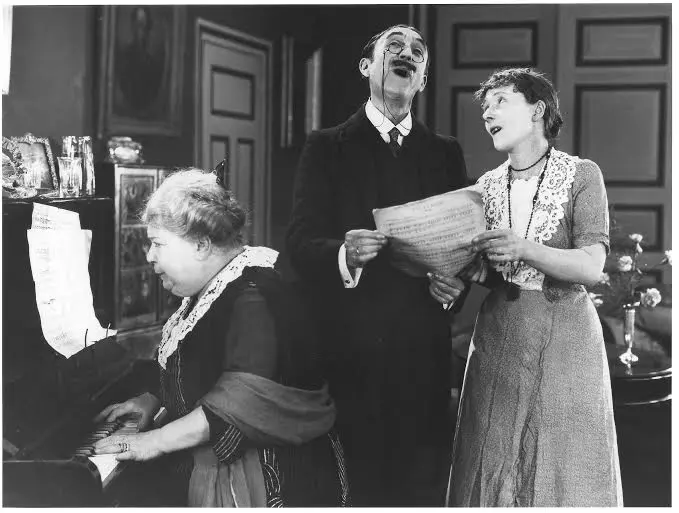
‘Not for Sale’ is a film that demands a certain level of engagement from its audience. Its exploration of ethical dilemmas and personal growth is not always easy to follow, but the reward is a richer understanding of the characters and their motivations. The film's pacing is deliberate, allowing for a slow build of tension and emotional investment. This approach, while sometimes slow, provides a more profound and meaningful experience for viewers.
The performances by the cast are a highlight of the film. Lionelle Howard's portrayal of Trevor is a tour de force, capturing the character's internal turmoil and growth. The supporting cast, including Edward O'Neill and Mary Brough, provide excellent support, their performances adding layers of complexity to the narrative. The chemistry between the leads is palpable, enhancing the emotional impact of their interactions.
The film's exploration of class and social hierarchy is particularly noteworthy. The contrast between Trevor's former life and his new reality is stark, and the film does not shy away from the social injustices that underpin this disparity. The film's critique of the class system is both subtle and direct, making it a relevant and thought-provoking piece of cinema.
From a technical standpoint, the film's production values are commendable. The attention to detail in the set design and costumes is evident, providing a vivid and authentic representation of early 20th-century England. The use of period-appropriate props and settings enhances the film's authenticity, making the world of the characters feel real and lived-in.
‘Not for Sale’ stands as a testament to the power of storytelling and the complexity of human experience. Its exploration of ethical dilemmas, personal growth, and societal critique makes it a film that is both engaging and thought-provoking. While it may not be for everyone, those who appreciate nuanced storytelling and well-developed characters will find much to enjoy in this film. It is a reminder of the enduring relevance of films that delve into the depths of the human condition.
For those interested in exploring similar themes, I recommend watching 'The Wild Woman', 'The Challenge', or 'Zigeunerprinsessen'. These films, like 'Not for Sale', offer a rich exploration of personal and societal conflicts, providing a comprehensive look at the complexities of the human experience.
In conclusion, 'Not for Sale' is a remarkable film that succeeds in weaving together elements of drama, romance, and social commentary. Its strong performances, thoughtful storytelling, and authentic setting make it a rewarding watch for those who appreciate artful filmmaking. It is a film that invites viewers to reflect on the nature of love, justice, and the human spirit.
IMDb 6.2
1936
Community
Log in to comment.