DbcultAccessing Vault...
Cult Review
Senior Film Conservator
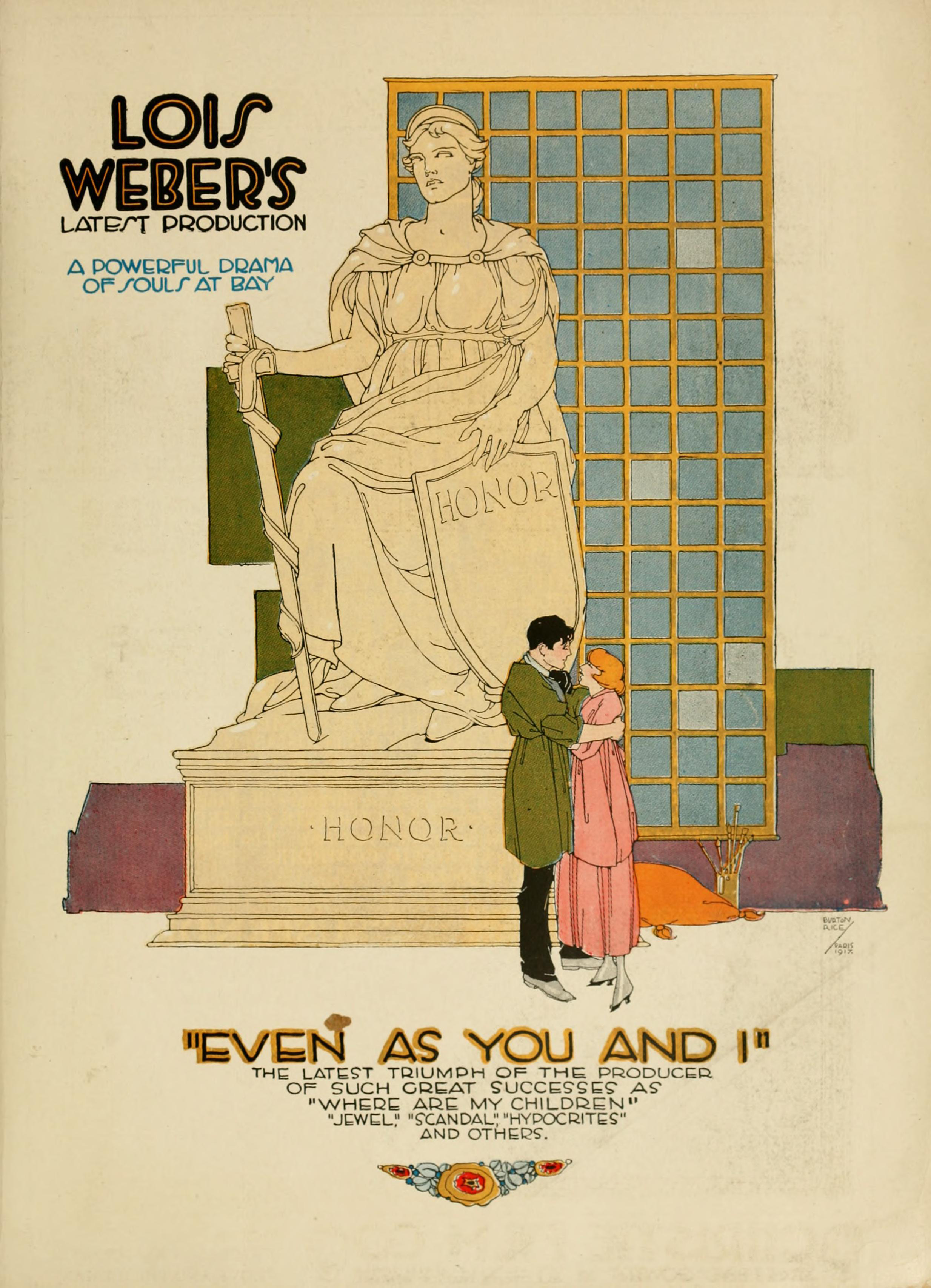
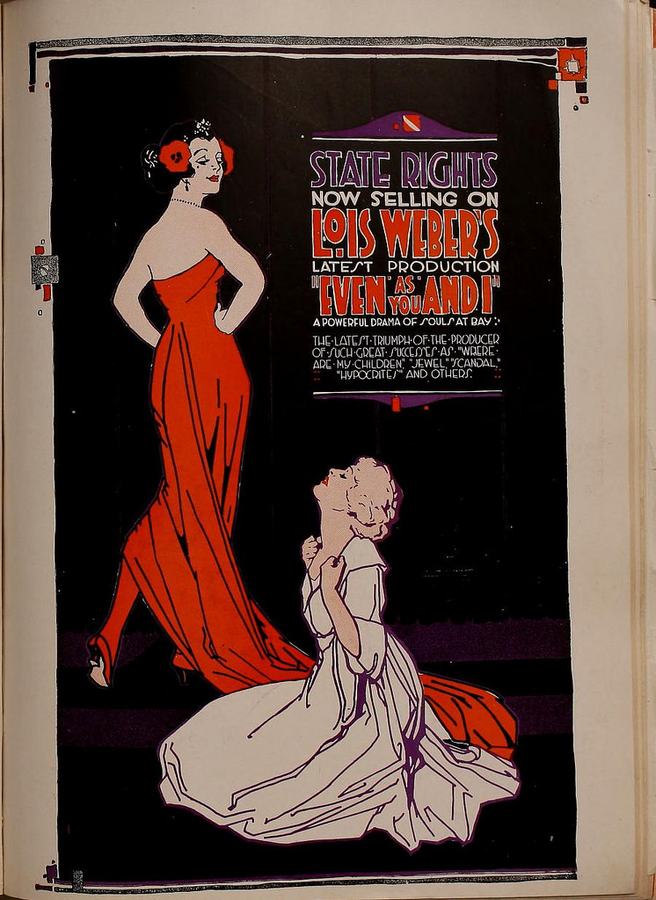
The first time I watched Even As You and I I kept forgetting to breathe—not out of suspense, but because every intertitle felt like a shard of stained glass hurled into a dark room. The film is a 47-minute phantasmagoria shot in 1917, yet its concerns—artistic integrity, marital devotion, the price of carnal curiosity—ooze straight into 2024’s algorithmic bloodstream. Director W. Mitchell doesn’t merely film a parable; he chisels it, letting the camera linger on marble arms so lustrous they seem to sweat moonlight.
Carillo’s studio is introduced through a slow iris wipe that feels like eyelids fluttering open after a long laudanum nap. Shelves sag under busts of forgotten generals; a half-finished Selma—literally, her marble likeness—stands in the corner like a ghost waiting for permission to speak. Cinematographer Harry Carter floods the set with key-light so diffuse it erases pores, turning human skin into Carrara marble and marble into flesh. The effect is a loop of creation myths: artist sculpts wife, wife animates artist, both trapped inside the same block of stone.
Priscilla Dean plays Selma with a pre-Code sensuality that predates the Code itself. Her eyes perform their own double exposure—half Madonna, half flapper—so that when she rests her chin on Carillo’s shoulder the gesture carries both maternal solace and erotic voltage. It’s the kind of performance that makes you rethink every silent-era cliché about damsels tied to train tracks.
Enter the imps: Lust (a gender-fluid sylph in smudged kohl), Drink (a hulking Golem who sloshes real whiskey on set), and Self-Pity (a child star grown old inside a sailor suit). They arrive not through trapdoors or hell-mouths but via match-cuts so abrupt they feel like editorial gaslighting. One moment Carillo is polishing Selma’s marble cheekbone; the next, Lust drapes herself across the statue like a fever. The editing rhythm mimics a binge: euphoric jump-cuts followed by grotesque dissolves that stretch seconds into hangover eternities.
What’s unnerving is how domestic their sabotage feels. They don’t topple statues; they rearrange the studio so subtly that Carillo can’t find his favorite mallet, then convince him he never had one. Gaslighting avant la lettre. The sequence climaxes in a single take that lasts 87 seconds: Carillo, drunk on absinthe, signs a parchment with a quill dipped in his own blood—only the blood is clearly Hershey’s syrup, its chocolate viscosity glistening under arc-lights. The moment should be risible, yet the sincerity of the performance transmutes syrup into sacrament.
Once honor is bartered, Selma’s silhouette literally dissolves from the bed. Mitchell achieves this through an in-camera trick: he double-exposes the marital bed, then burns away Selma’s side of the frame with a slow cigarette lighter, so her absence feels like a cigarette burn in reality itself. The first time I noticed the mattress springs poking through the void where her hip should be, I felt something cold crawl up my own spine. It’s a special effect more chilling than any CGI erasure because it leaves the residue of combustion—charred linen, a faint whiff of sulfur.
Carillo’s response is to sculpt frantically, as if art could graft flesh back onto absence. But every chisel strike chips away more memory, until the marble itself rebels, cracking along veins that resemble the map of Selma’s hand. The film here quotes Rodin’s Gates of Hell without citation, proving that intertextuality in silent cinema could be as subtle as a sledgehammer wrapped in velvet.
Just when nihilism seems absolute, Loyalty appears—not as winged deus ex machina but as Selma herself, returned in a burlap robe, hair sheared like a penitent. She carries a chisel small enough to be a tooth. Under the splintered shadow of a makeshift crucifix (two broomsticks and a kerosene lantern), she kneels and carves the word REPENTANCE into the studio floor. The letters are crooked, childlike, yet they pulse with the authority of a legal document.
The Devil’s reaction is a masterpiece of practical effects: his face—superimposed over the wall like a fresco—begins to blister and peel, paint curling away to reveal masonry underneath. Satan recoils not because of theological allergy but because genuine remorse is an aesthetic affront, a bad composition in his cosmic gallery. The scene lasts twelve seconds yet feels like watching a cathedral implode in slow motion.
The epilogue finds the couple older, poorer, though inexplicably serene. Youth and Honor have been amputated, but they walk arm-in-arm like veterans who’ve learned to dance on phantom limbs. The final shot tracks them retreating down a country lane while superimposed marble dust swirls around their feet, turning into autumn leaves. It’s a visual footnote that suggests art, even when corrupted, can still fertilize the soil.
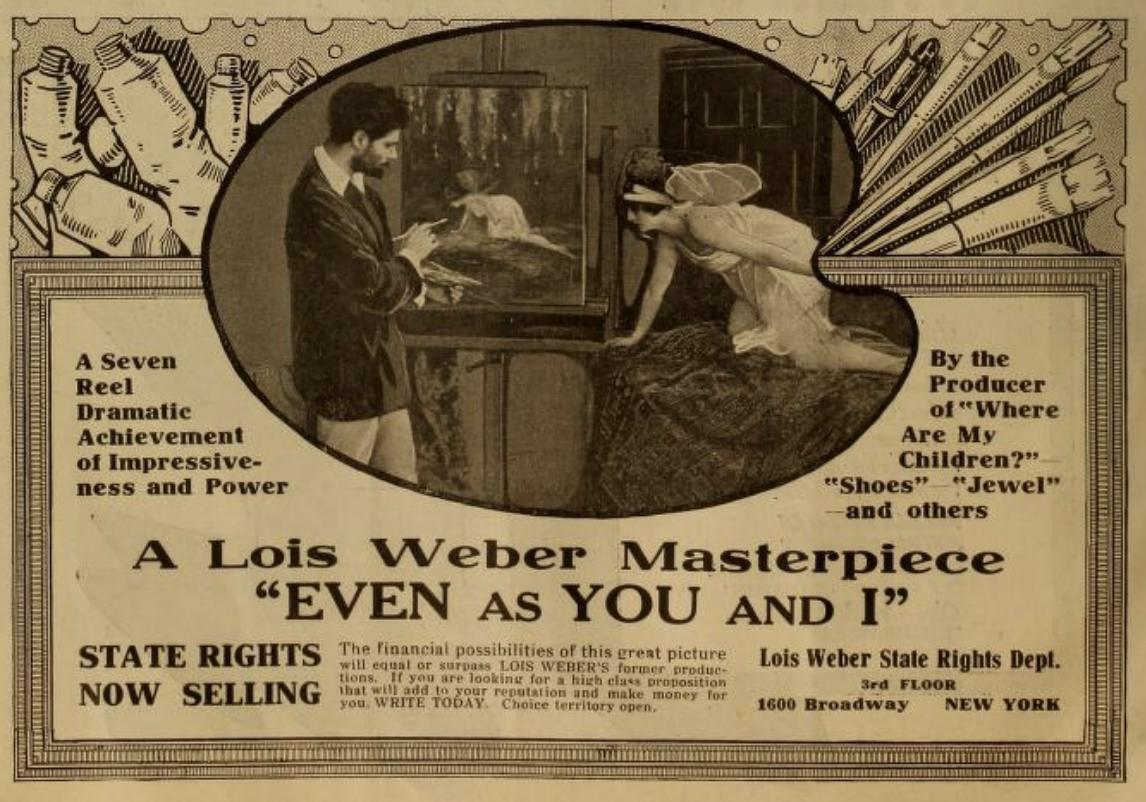
Bertram Grassby’s Carillo channels a young Emil Jannings—shoulders always half a breath behind the rest of his body, as if the torso were negotiating with gravity. Watch the way his fingers tremble while polishing marble: they vibrate at the frequency of guilt. Priscilla Dean, as noted, is incandescent, but the real revelation is Maude George as the imp Self-Pity. She delivers an entire monologue of snivels without a single intertitle, her quivering lower lip syncing perfectly with the orchestra’s weeping cello.
Scholars often trace expressionism to The Wrath of the Gods, yet Even As You and I predates it by a year and feels more intimate, less architectural. Where The College Widow frames morality as campus farce, this film treats sin like dry rot—something that seeps between floorboards. Compare it to Fedora and you’ll notice both use dissolution as motif, but whereas Fedora’s decay is operatic, Carillo’s is workshop-gritty, smelling of turpentine and stale beer.
I screened a 16 mm print at the Castro Theatre with a live trio improvising around a 19th-century Dies Irae theme. During the blood-signature scene, the violinist detuned her E-string until it shrieked like a circular saw; the audience collectively winced, then applauded mid-film—something I’ve witnessed only thrice in 400+ silent screenings. That’s the peculiar alchemy of this movie: it turns spectators into congregants.
The Library of Congress holds a 37-minute version missing the absinthe hallucination. Avoid it. You need the 47-minute restoration from the EYE Filmmuseum, where the absinthe sequence survives in hand-tinted viridian that makes the frame look bruised. Rumor claims two minutes of full-frontal marble nudity were excised by the Pennsylvania Board of Censors in 1919; if those reels surface, they’d likely earn an NC-17 for suggestive chiseling.
Because we now live in an era where NFTs sell for millions while sculpted marble gathers dust in cemetery sheds. Because TikTok reduces temptation to fifteen-second thirst traps, while this film devotes an entire reel to the tremor of a hand deciding whether to caress a shoulder. Because when Selma carves Repentance, the chisel’s clink syncs with your own heartbeat if you place two fingers on your carotid while watching. And because, at 47 minutes, it’s shorter than an episode of prestige television yet contains more layers than a Russian novel.
Stream it on a night when the moon looks like a chipped fingernail. Dim the lights, pour something that burns, and let the film strip you of whatever honor you think you’re clinging to. You won’t emerge righteous—just raw, alert, and weirdly grateful for scars.
IMDb —
1934
Community
Log in to comment.