DbcultAccessing Vault...
Cult Review
Senior Film Conservator
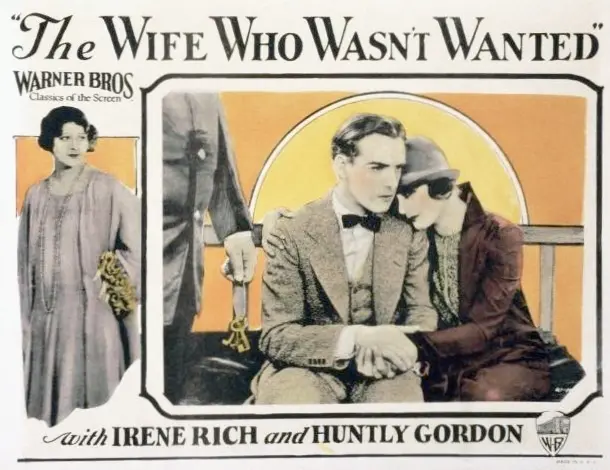
Is this film worth your time today? Short answer: Only if you are a dedicated student of silent-era melodrama or a fan of Bess Meredyth’s writing. This film is for those who appreciate the transition from early 1920s stagey acting to more nuanced psychological drama; it is absolutely not for viewers who require narrative logic or modern pacing.
1) This film works because Irene Rich delivers a performance of maternal desperation that feels uncomfortably real even a century later.
2) This film fails because the script pivots from a grounded legal drama to an absurd disaster movie in the final act, losing its emotional anchor.
3) You should watch it if you want to see how silent cinema handled the intersection of political scandal and domestic trauma.
The Wife Who Wasn't Wanted is a strange beast. It starts as a morality play about a father’s duty versus his love for his son, then devolves into a political thriller before ending as a survivalist epic. If you enjoy the sheer unpredictability of early Hollywood before the Hays Code and formulaic structures took over, there is value here. However, for a casual viewer, the tonal shifts might feel like whiplash. It is a fascinating artifact, but it is not a smooth ride.
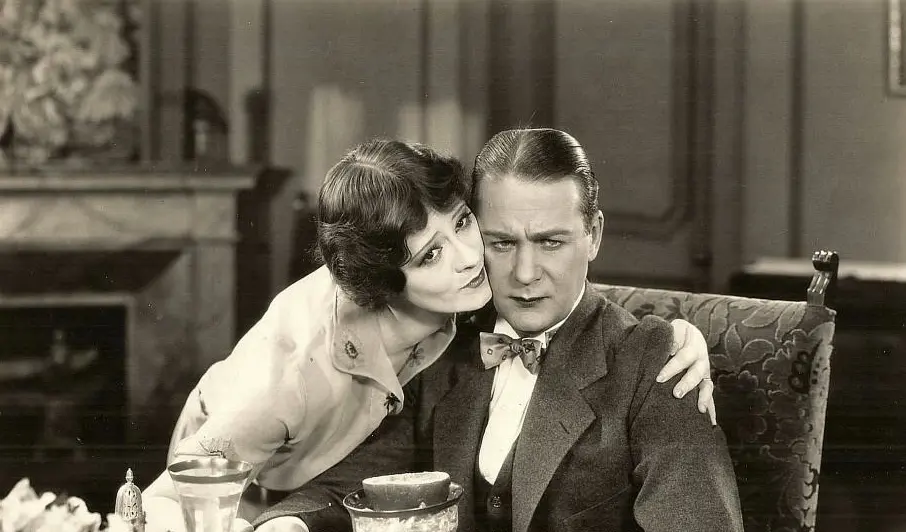
At the heart of the film is the conflict between John Mannering (Huntley Gordon) and his wife (Irene Rich). Gordon plays the District Attorney with a stiffness that is likely intentional. He represents the law—cold, unyielding, and blind. When his son Bob (John Harron) takes the fall for a fatal accident, the father’s refusal to intervene feels less like integrity and more like a pathological obsession with his own reputation. This is a recurring theme in films of the era, such as The Yellow Dog, where public duty often overrides personal loyalty.
Irene Rich, however, is the film's true engine. Her portrayal of a mother watching her son being led to prison is visceral. She doesn't just weep; she plots. Her decision to conspire with Jerome Wallace to create a sex scandal to ruin her husband is a shocking turn for a 1925 protagonist. It’s a move born of pure, unadulterated panic. The film doesn't judge her as harshly as one might expect, which is a testament to the script by Bess Meredyth.
Bess Meredyth was one of the most prolific and intelligent writers of the silent era. In The Wife Who Wasn't Wanted, she attempts to weave complex social issues into a standard melodrama. The dialogue (via intertitles) is sharp, avoiding some of the flowery excesses of the period. There is a specific scene where the mother confronts the father in his study, the lighting casting long, oppressive shadows across the desk. The exchange is not about love; it’s about power. It’s about the power of the law versus the power of the womb. It’s brutal. It works.
However, the film struggles with its own ambition. By the time we get to the forest fire and the flood, it feels like Meredyth was trying to compete with the spectacle of films like A Girl of the Timber Claims. While the special effects are impressive for 1925, they feel disconnected from the intimate family drama established in the first hour. The flood is a literal 'deus ex machina'—it washes away the sins of the characters because the script didn't know how to resolve them through dialogue alone.
Visually, the film is a product of its time, but with flashes of brilliance. The use of location shooting for the forest fire sequences provides a sense of scale that the indoor sets lack. The pacing, however, is uneven. The first half drags as it establishes the legal stakes, while the second half moves at a breakneck speed that leaves little room for character development. You see this same issue in Inside the Lines, where the political intrigue sometimes smothers the human elements.
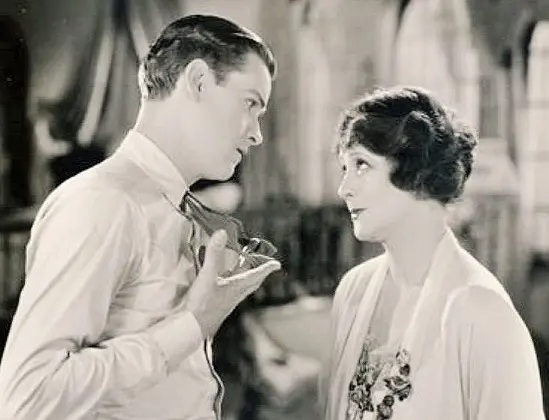
The acting from the supporting cast is hit or miss. June Marlowe as Diane Graham is serviceable, but her character remains a bit of a cipher. Why did Bob take the blame for her? The film suggests a deep love, but we rarely see it on screen. Their chemistry is overshadowed by the parental conflict. Don Alvarado and Gertrude Astor provide some much-needed texture to the social circles of the Mannerings, but they are ultimately window dressing.
Pros:
- Strong lead performance by Irene Rich.
- Interesting exploration of the ethics of a public official.
- High production values for the disaster sequences.
Cons:
- Narrative inconsistency.
- The father character is almost too unlikable to root for.
- A resolution that relies more on luck than character growth.
Here is the thing no one mentions about this film: it is secretly a horror movie about the rigidity of the patriarchy. John Mannering isn't just a strict father; he is a monster of bureaucracy. He is willing to sacrifice his son’s entire future on the altar of 'the rules.' The real villain isn't the political rival Wallace; it’s the father’s inability to see his family as human beings rather than case files. This makes the final reconciliation feel unearned and, frankly, a bit depressing. The mother returns to a man who would have let their son rot in a cell just to keep his record clean.
The Wife Who Wasn't Wanted is a messy, ambitious, and ultimately flawed piece of silent cinema. It is a film that wants to be everything—a courtroom drama, a political thriller, and a disaster epic. It succeeds at being a showcase for Irene Rich, but it fails to stick the landing emotionally. It works. But it’s flawed. If you are browsing through the archives and come across this title, give it a look for the performances, but keep your expectations for the plot firmly on the ground. It is a fascinating look at 1920s anxieties, even if the resolution is all wet.
A chaotic blend of domestic betrayal and natural disaster that proves even in 1925, Hollywood didn't know how to end a story without a giant fire.
IMDb —
1932
Community
Log in to comment.