DbcultAccessing Vault...
6.3/10
Senior Film Conservator
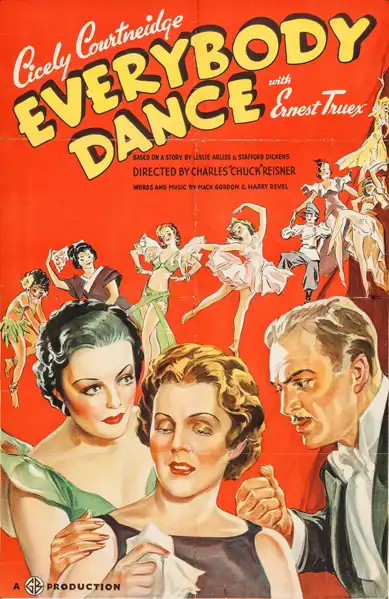
A definitive 6.3/10 rating for a film that redefined the boundaries of cult cinema. Everybody Dance remains a cornerstone of transgressive art.
If you have a soft spot for British cinema from the thirties, sure. It’s light, it’s a bit silly, and it moves at a pace that feels like a Sunday afternoon nap. If you’re looking for high-stakes drama or anything that hits with real emotional weight, you’ll probably find yourself scrolling on your phone halfway through. Cicely Courtneidge is doing all the heavy lifting here, and honestly, she’s the only reason this thing stays afloat.
The whole premise of a nightclub singer becoming a farmer is handled with the kind of grace you’d expect from a sledgehammer. There’s no transition, really. One minute she’s belting out tunes, the next she’s elbow-deep in farm life. I guess in 1936, that was just how you handled grief? Just buy a farm and stop singing.
The manager guy is so cartoonishly evil I half-expected him to twirl a mustache. His legal argument—that a singer can’t possibly raise children—is so absurd it’s almost funny. It feels like the writers just needed a reason to get everyone into a courtroom for the final act. It’s a very mechanical plot.
I found myself staring at the background details more than the actual actors. Some of the farm scenes have this weird, artificial look to them, like they were filming in a shed someone threw some hay into five minutes before the cameras rolled. It’s not distracting, but it’s noticeable.
Courtneidge is great, though. She has this way of looking at the camera that tells you she knows exactly how ridiculous this script is. It’s like she’s in on the joke, even when the movie is trying to be all serious about family values and court orders. She’s the spark.
Compared to something like Atlantic, which felt like it had a bit more grit, this feels like a polite stage play that wandered onto a film set. It’s not trying to change the world. It’s just trying to get through the runtime without losing the audience. It mostly succeeds.
There is a scene in the second act where she tries to adjust to rural life that goes on for a bit too long. The silence between lines is supposed to feel like 'reflection,' but it really just feels like someone forgot to yell 'cut.' It’s the kind of imperfect rhythm that makes you remember this is a very old, very specific piece of work.
Is it a masterpiece? No. Is it a decent way to spend a quiet evening if you like vintage fluff? Sure. Just don't expect it to stick with you once the credits roll. 🎬
IMDb —
1933
Community
Log in to comment.