DbcultAccessing Vault...
Cult Review
Senior Film Conservator
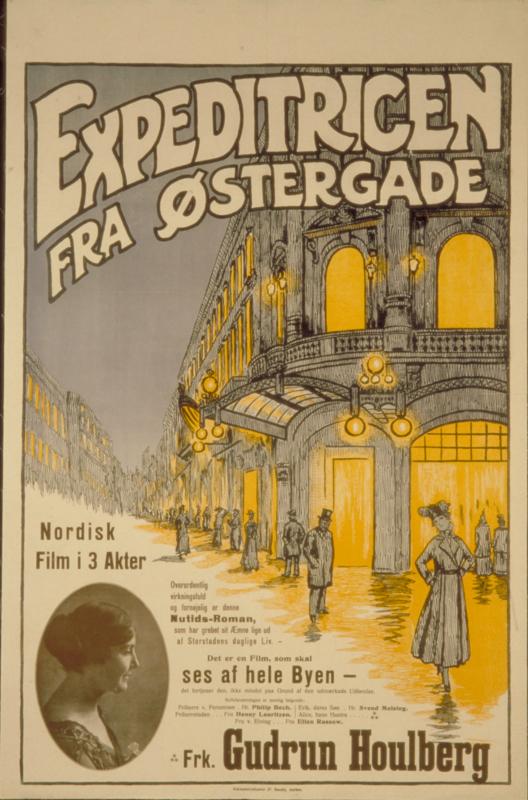
Stepping into the ethereal world of "Expeditricen fra Østergade" is akin to unearthing a beautifully preserved relic, a cinematic artifact that speaks volumes about the societal mores and romantic sensibilities of its time. This Danish silent film, a creation from an era where nascent storytelling techniques were rapidly evolving into a potent art form, offers far more than a simple narrative. It presents a poignant tableau of class struggle, forbidden love, and the indomitable spirit of a woman navigating a rigid world. Helmed by the visionary A.W. Sandberg, and featuring the luminous Ulla Nielsen in the titular role, alongside the compelling Svend Melsing, Philip Bech, Christian Schrøder, Ellen Rassow, Henny Lauritzen, and Gudrun Houlberg, the film transcends its historical context to deliver a universal story of human connection against formidable odds.
The Danish silent film industry, particularly Nordisk Film, was a powerhouse in its day, known for producing sophisticated dramas and thrilling melodramas that captivated audiences across Europe and beyond. "Expeditricen fra Østergade" stands as a testament to this period of cinematic verve, showcasing the era's meticulous attention to dramatic pacing, evocative cinematography, and the nuanced performances that were crucial in an art form devoid of spoken dialogue. It's a journey back to a time when gestures, expressions, and the subtle interplay of light and shadow carried the entire weight of emotional communication, a craft that, when mastered, could be profoundly moving.
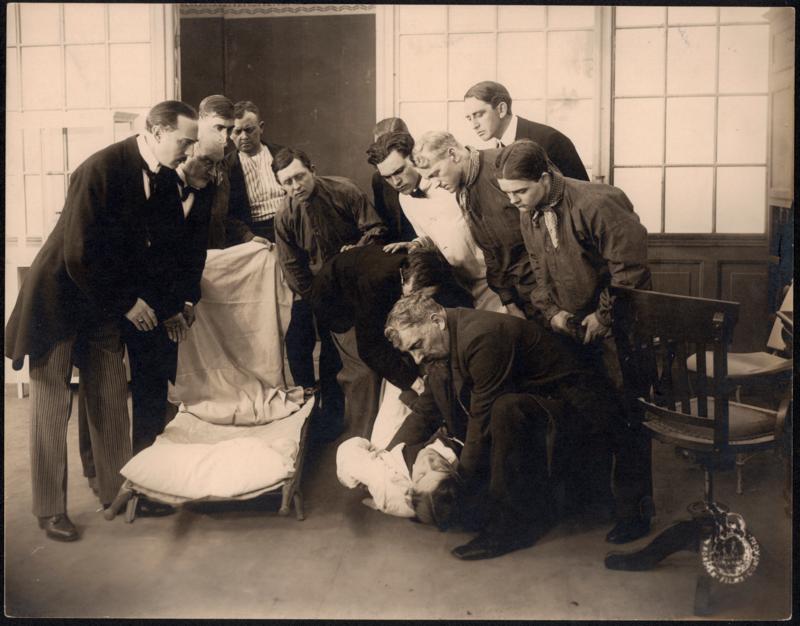
At its core, the film weaves a narrative deeply entrenched in the societal constructs of its epoch: the stark delineation between the working class and the aristocracy. Else, portrayed with exquisite sensitivity by Ulla Nielsen, is not merely a 'shop girl' but a symbol of dignity and resilience amidst prevailing economic disparity. Her daily existence in a fashionable Østergade boutique, surrounded by luxury she can only dream of, paints a vivid picture of aspirational longing. This setting, vibrant yet restrictive, serves as a microcosm for the larger world, where social mobility was often an illusion, a cruel trick of fate. When Count Valdemar, a man of evident privilege and charm, becomes captivated by Else's unpretentious beauty, their budding romance immediately confronts an insurmountable barrier. It is a classic tale of star-crossed lovers, yet rendered with a distinct Danish sensibility, focusing on psychological depth rather than mere sensationalism.
The conflict escalates with the introduction of Baron Bech, Valdemar's formidable father, whose portrayal by Philip Bech is a masterclass in stern, aristocratic disapproval. His machinations to separate the lovers are not born of malice but of a deeply ingrained belief in the sanctity of class distinctions, a worldview that sees any deviation as a threat to social order. This paternal interference, a common trope in early cinema, is handled here with a gravitas that underscores the oppressive weight of societal expectations. Else's subsequent dismissal from her job, a direct consequence of the Baron's influence, plunges her into destitution, highlighting the precarious position of women in that era, where reputation and employment were often inextricably linked and easily shattered. The film adeptly captures this vulnerability, drawing the audience into Else's deepening despair.
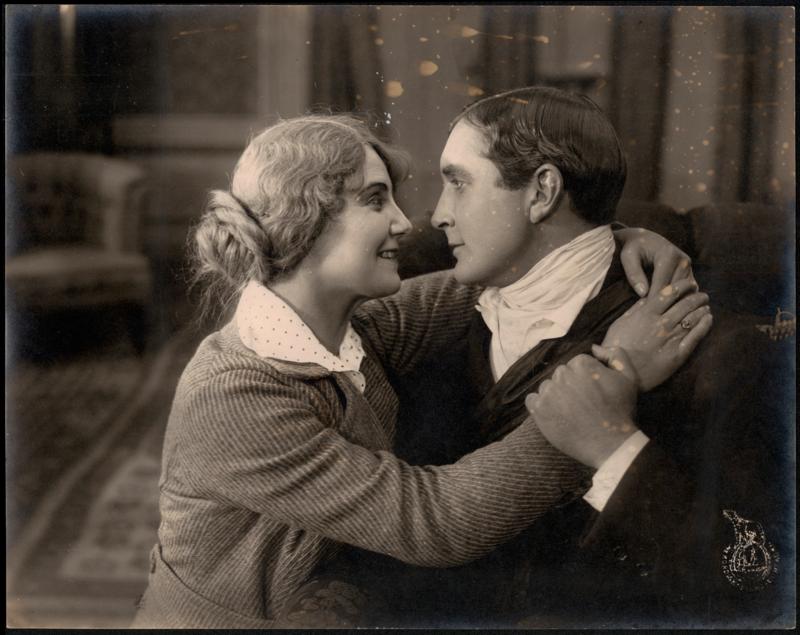
The introduction of Ingeborg, a jealous colleague, adds another layer of human frailty and malice to the unfolding drama. Her subtle yet potent acts of sabotage, whispering doubts and orchestrating misunderstandings, serve to exacerbate Else's isolation, pushing her further towards a precipice of hopelessness. This human element of betrayal, rather than grand, external forces, makes Else's plight all the more visceral and relatable. Her journey into a humble boarding house, her discovery of pregnancy, and her contemplation of desperate measures are depicted with a raw emotional honesty that is both heartbreaking and compelling. This segment of the film, in particular, resonates with a profound sense of existential quandary, a woman abandoned and alone, facing an uncertain future. It is a narrative choice that elevates the film beyond simple melodrama, touching upon the universal themes of despair and resilience.
Ulla Nielsen's performance as Else is, without exaggeration, the beating heart of "Expeditricen fra Østergade." Her ability to convey a kaleidoscopic range of emotions – from demure longing and nascent joy to profound despair and quiet determination – solely through facial expressions and body language is nothing short of remarkable. Nielsen avoids the broad, often theatrical gestures common in some silent film acting, opting instead for a more internalized, nuanced portrayal that feels remarkably modern. Her eyes, in particular, speak volumes, reflecting the inner turmoil and resilience of a woman caught in a maelstrom of societal judgment and personal heartbreak. Her performance is a masterclass in understated pathos, drawing the audience into Else's world with an irresistible pull.
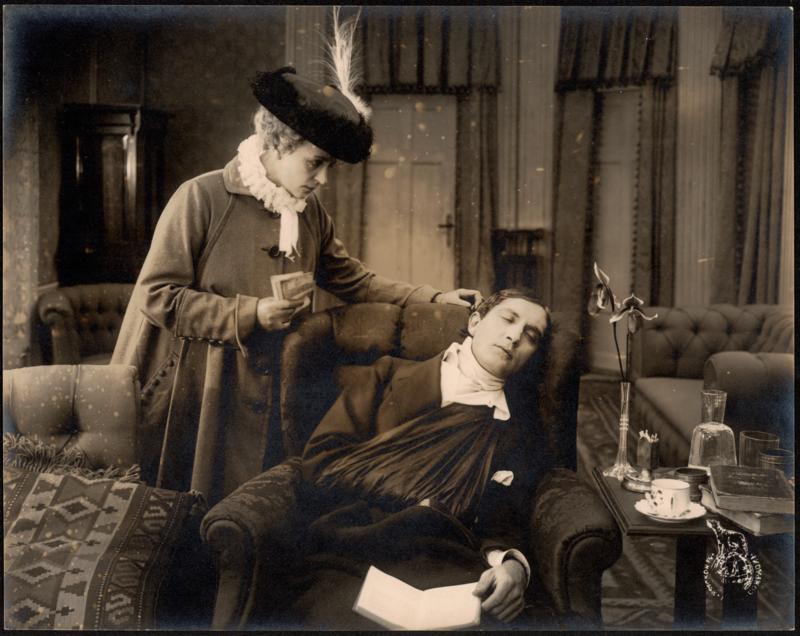
Svend Melsing, as Count Valdemar, provides an excellent foil to Nielsen. His portrayal balances aristocratic bearing with genuine romantic fervor, making his commitment to Else believable despite the immense pressure from his family. Philip Bech's Baron is a figure of formidable authority, his every gesture conveying the weight of tradition and disapproval. The supporting cast, including Christian Schrøder, Ellen Rassow, Henny Lauritzen, and Gudrun Houlberg, each contribute to the rich tapestry of the film, creating a believable social milieu against which the central drama unfolds. Ellen Rassow's Ingeborg, in particular, is a subtly insidious antagonist, her quiet manipulations all the more chilling for their understated execution. The ensemble's collective performance demonstrates the high caliber of acting prevalent in Danish silent cinema, where every actor understood the profound responsibility of communicating complex emotions without words.
A.W. Sandberg's direction is characterized by a keen eye for visual storytelling and a masterful command of cinematic rhythm. His use of close-ups is particularly effective, drawing attention to the subtle shifts in character emotions that are paramount in silent film. The framing often emphasizes the isolation of Else, or the oppressive presence of the Baron, using architectural elements and spatial relationships to underscore thematic concerns. The cinematography, while perhaps not as overtly experimental as some of its European contemporaries, is consistently elegant and functional, serving the narrative with clarity and grace. The film's pacing is deliberate, allowing moments of quiet reflection to breathe, enhancing the emotional impact of the more dramatic sequences. This thoughtful approach to direction ensures that the audience is fully immersed in Else's plight, feeling every setback and every glimmer of hope.
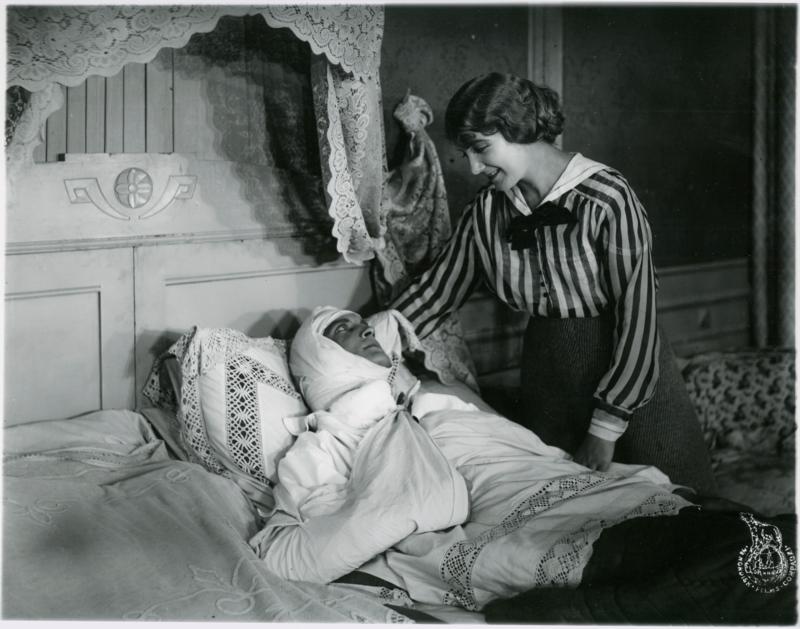
Sandberg's ability to craft a compelling narrative through purely visual means is a testament to his understanding of the medium's unique power. He skillfully employs cross-cutting to build tension during Valdemar's frantic search for Else, and uses symbolic imagery to convey deeper meanings without resorting to heavy-handed exposition. The film's aesthetic, while rooted in the realism of its setting, occasionally elevates into a more poetic register, particularly in moments of emotional intensity. This delicate balance between realism and poetic expression is a hallmark of Sandberg's directorial style, distinguishing "Expeditricen fra Østergade" as a work of considerable artistry.
The themes explored in "Expeditricen fra Østergade" resonate with many other compelling works from the silent era that delved into the complexities of love, class, and individual agency. The struggle for love against rigid societal constructs, for instance, finds parallels in films like Eternal Love, where grand romantic gestures often clash with the dictates of family and tradition. Similarly, the predicament of a strong female protagonist facing overwhelming adversity and moral dilemmas is a recurring motif, seen in films such as Daredevil Kate, which often showcased women navigating perilous situations with courage and wit, albeit in a more adventurous vein. The psychological depth afforded to Else's character, her internal struggle with despair and hope, also brings to mind the nuanced portrayals of women in films like The Lifted Veil, where the inner lives of characters are explored with a nascent psychological realism.
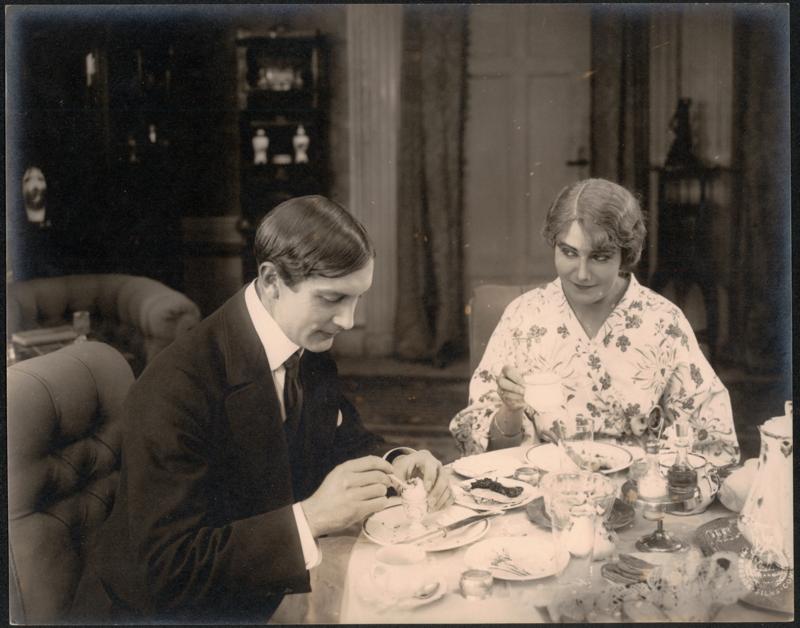
The film's exploration of class distinction and its impact on personal happiness echoes through many European dramas of the period, reflecting a universal concern with social justice and individual freedom. The dramatic tension arising from a love that defies social stratification is a timeless narrative, as potent in "Expeditricen fra Østergade" as it is in later cinematic masterpieces. While not a direct comparison in terms of genre, the meticulous attention to character detail and the exploration of human foibles can be appreciated alongside works like The Fool's Revenge, which, despite its different thematic focus, also delves into intense emotional landscapes and the consequences of societal pressures. The film stands as a significant contribution to the broader canvas of early 20th-century cinema, demonstrating Denmark's integral role in shaping the language of the moving image.
The ultimate triumph of love over societal prejudice and personal despair in "Expeditricen fra Østergade" delivers a powerful, albeit perhaps idealized, message. It is a testament to the enduring human desire for connection and acceptance, regardless of external circumstances. The film's conclusion, while offering a resolution, doesn't shy away from depicting the immense suffering that precedes it, thereby imbuing the happy ending with a hard-won authenticity. This balance between dramatic realism and romantic idealism is one of its most compelling attributes.
Watching "Expeditricen fra Østergade" today is not merely an exercise in historical appreciation; it is an immersive experience that reminds us of the power of visual storytelling and the universal nature of human emotions. The film serves as a vital document, preserving not only a captivating narrative but also a glimpse into the social fabric and artistic sensibilities of a bygone era. It underscores the fact that even without spoken words, cinema could articulate profound truths and evoke deep empathy. For enthusiasts of silent film, and indeed for anyone interested in the foundational works of cinematic art, this Danish gem offers a rich and rewarding viewing experience, affirming its place as a significant piece of film history and a beautifully crafted drama that continues to resonate with audiences.
The legacy of films like "Expeditricen fra Østergade" extends beyond their immediate narrative impact. They are foundational texts that shaped the grammar and vocabulary of cinema, influencing generations of filmmakers. Their preservation and accessibility allow us to trace the evolution of storytelling, acting, and directing, offering invaluable insights into the artistic and technological innovations that defined the early 20th century. This film, with its compelling characters and timeless themes, is a shining example of why the silent era continues to captivate and inspire, proving that true artistry transcends the limitations of its medium and era. It is a work that deserves to be rediscovered and celebrated, not just as a historical curiosity, but as a vibrant and emotionally potent piece of cinematic heritage.
IMDb —
1936
Community
Log in to comment.