DbcultAccessing Vault...
Cult Review
Senior Film Conservator
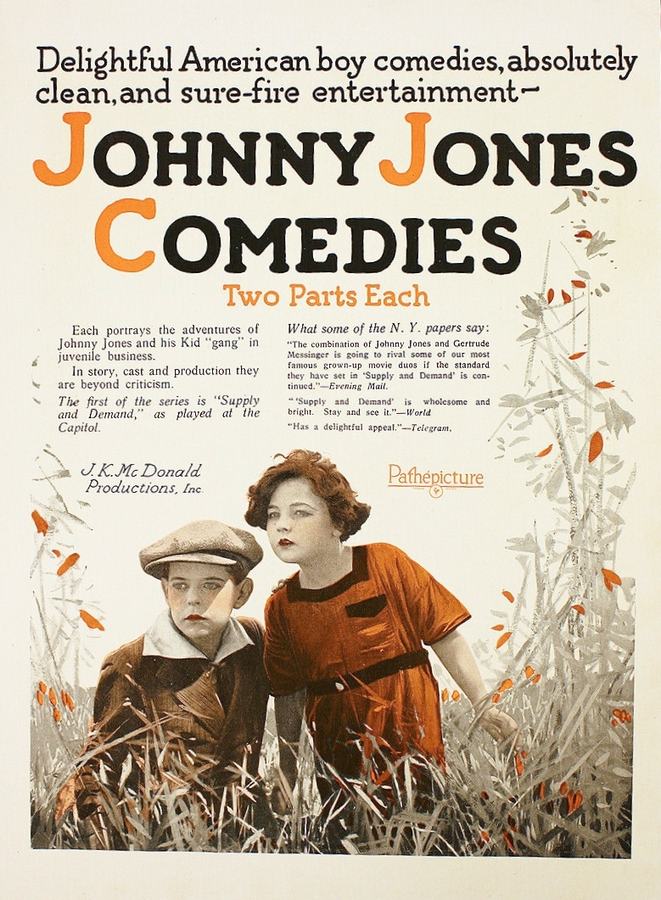
In the annals of early cinema, where the narrative often relied on grand gestures and melodramatic pronouncements, there occasionally emerges a gem that, despite its vintage, speaks with surprising clarity to contemporary sensibilities. Such is the case with The Big Scoop, a 1921 silent film that, with an almost prescient wit, skewers the very foundations of journalistic ethics and the relentless pursuit of sensationalism. Directed with an understated verve and penned by James Hilary Finn, this motion picture offers far more than a simple period piece; it presents a fascinating, albeit wordless, commentary on the intoxicating allure of influence and the often-dubious means employed to attain it. It's a film that, even a century later, still resonates with an uncomfortable familiarity, mirroring the media landscapes of our own tumultuous era.
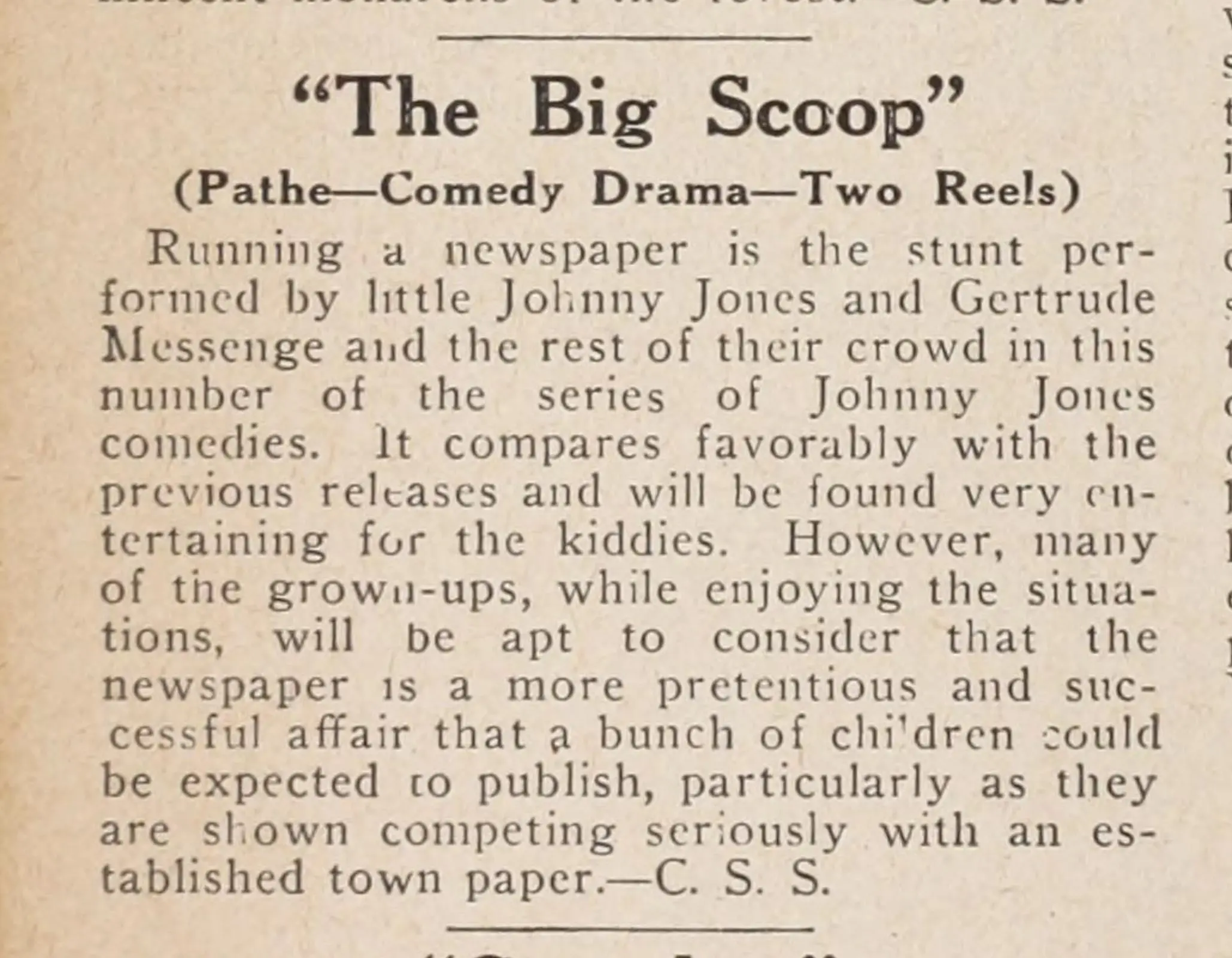
At its core, The Big Scoop chronicles the audacious ascent of 'The Whisper,' a diminutive local gazette, from obscurity to a formidable, albeit transient, force within its community. Overseen by the ambitious Johnny, portrayed with a compelling blend of youthful zeal and cunning by Edward Peil Jr., and ably assisted by Gertrude Messinger as the discerning society editor Gertrude, this publication thrives on the very lifeblood of small-town existence: gossip. Yet, it is not merely idle chatter that propels 'The Whisper' into the public consciousness; it is the paper's uncanny ability to unearth and disseminate local happenings with a vivacity and immediacy that eludes its entrenched competitor, 'The Daily Tribune.' The film masterfully establishes this David-and-Goliath dynamic, painting 'The Tribune' and its irascible owner, Old Man Jones, as the embodiment of an old guard struggling to maintain relevance against a nimble, irreverent challenger. The initial scenes, though silent, effectively convey the palpable tension and burgeoning rivalry that sets the stage for the narrative's central conflict. This struggle for journalistic supremacy, while perhaps less violent than the dramatic confrontations depicted in films like The Typhoon, is nonetheless charged with a different kind of intensity – the battle for hearts and minds, one scandalous headline at a time.
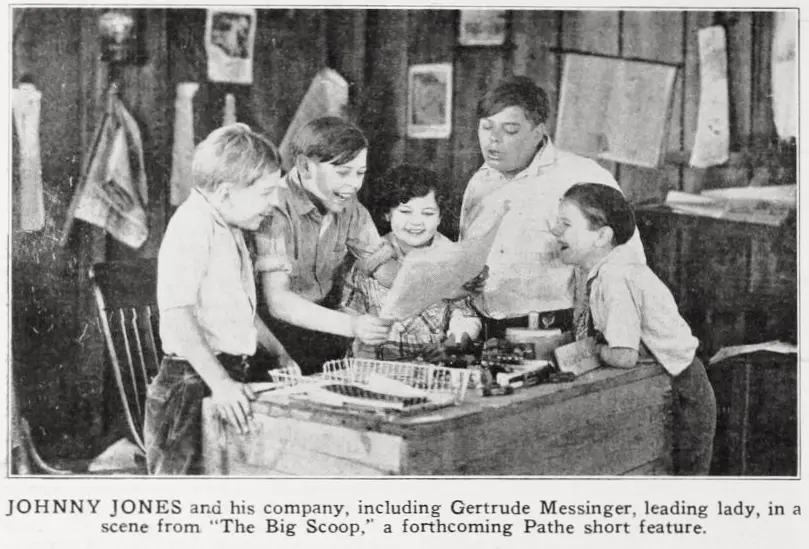
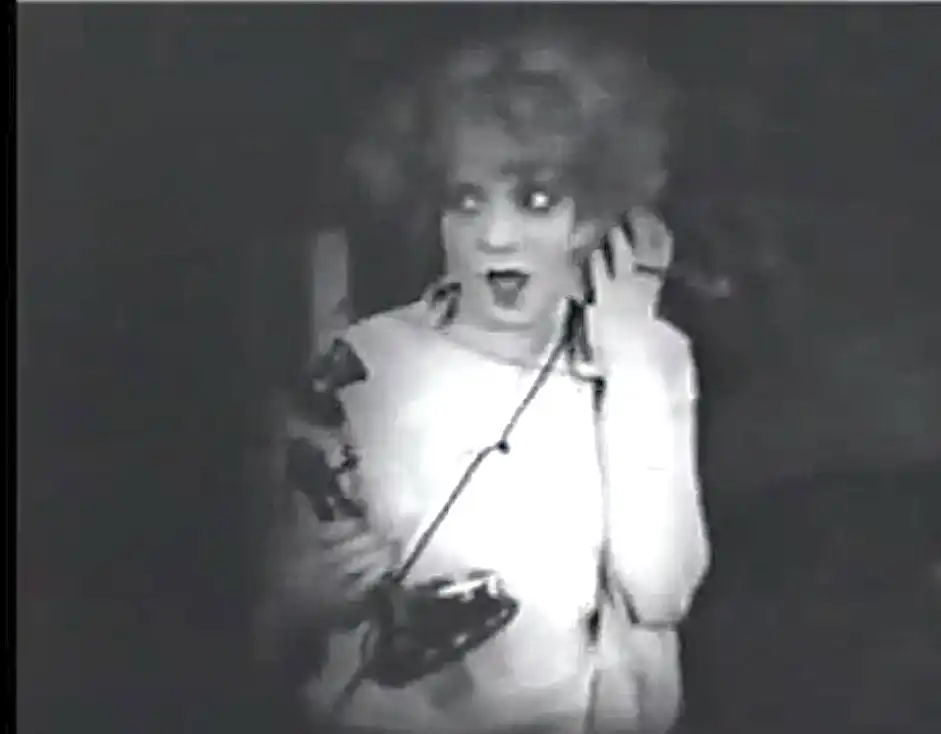
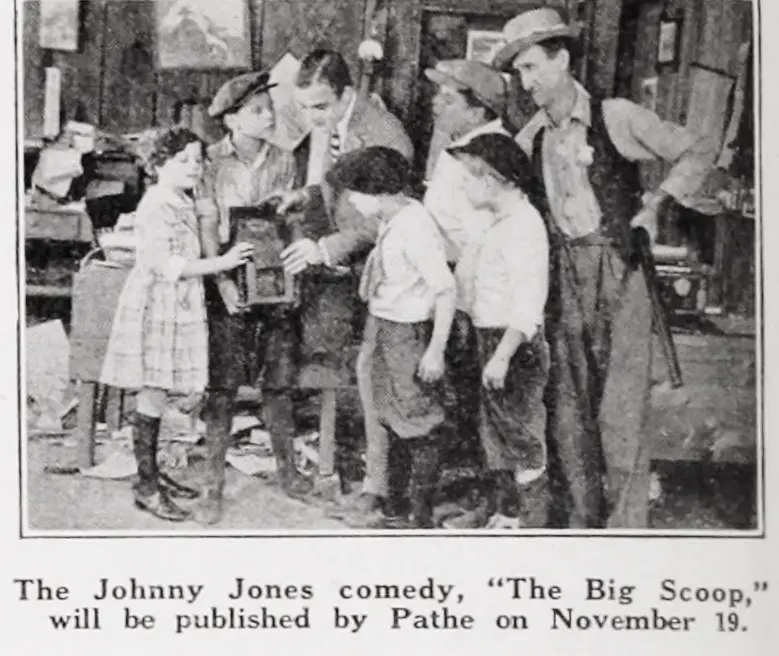
The narrative truly ignites when Johnny, driven by an insatiable desire to secure a truly monumental scoop, devises a scheme as audacious as it is morally ambiguous. Recognizing that 'The Whisper' needs a singular, defining moment to cement its dominance, he orchestrates a false-alarm burglar scare. This pivotal sequence, executed with a charmingly deceptive simplicity characteristic of silent film storytelling, showcases the ingenuity of Finn's writing. The use of a flashlight photograph, ostensibly capturing the 'burglar,' becomes the lynchpin of their grand deception. It's a classic example of creating a reality through its depiction, a concept that feels disturbingly contemporary given today's debates about 'fake news' and manipulated imagery. The brilliance of this plot device lies not just in its cleverness but in its immediate, tangible impact. The fabricated image, a mere shadow of truth, becomes the 'big scoop' that promises to elevate 'The Whisper' to unprecedented heights. The performances during this segment, particularly from Edward Peil Jr. as Johnny, convey a palpable sense of calculated risk and burgeoning triumph. His silent expressions speak volumes about the thrill of the chase, the intoxicating power of manipulation, and the sheer audacity of his journalistic gambit. It’s a compelling study in ambition, reminiscent in its single-minded pursuit of a goal, though vastly different in tone, to the relentless drive seen in films such as The Governor's Lady.
What truly elevates The Big Scoop beyond a mere comedic caper is its remarkably sophisticated climax. Having successfully generated immense buzz and, more importantly, a definitive 'scoop,' Johnny and Gertrude execute their masterstroke: they sell 'The Whisper' to none other than their arch-rival, Old Man Jones. This transaction, occurring just moments before the latest issue – featuring the incriminating front-page photograph – hits the streets, is a stroke of narrative genius. The irony is delicious, the comeuppance for Old Man Jones both immediate and exquisitely painful. Ben Alexander, Kenneth Green, and Newton Hall contribute to the ensemble, creating a believable small-town dynamic, but it is the central figures who carry the weight of this narrative twist. The silent film medium, with its reliance on exaggerated expressions and swift visual cues, perfectly captures the hurried, almost conspiratorial nature of the sale, followed by the slow, dawning horror that will undoubtedly engulf Old Man Jones upon seeing his newly acquired paper's lead story. This narrative arc, culminating in a final, devastating prank, speaks to a deeply cynical yet ultimately satisfying view of power dynamics and revenge. It’s a more subtle form of rebellion than the outright confrontations in films like The Juggernaut, but no less impactful in its own right.
The success of The Big Scoop rests heavily on the shoulders of its principal cast, who, without the benefit of spoken dialogue, must convey a full spectrum of emotions and intentions. Edward Peil Jr. as Johnny is particularly noteworthy. His portrayal is a nuanced blend of youthful ambition, shrewd calculation, and a mischievous glint in his eye that hints at the delightful chaos he intends to unleash. He doesn't just play an editor; he embodies the very spirit of a budding media impresario, a figure who understands the power of narrative and spectacle. Gertrude Messinger, as Gertrude, provides an excellent foil. Her character is not merely a passive assistant but an active participant in Johnny's schemes, her expressions often conveying a subtle understanding and complicity that adds depth to their working relationship. Their silent interactions are surprisingly rich, a testament to their acting prowess and the director's ability to guide their performances. Supporting players like Ben Alexander, Kenneth Green, and Newton Hall, though perhaps given less screen time, contribute to the film's authentic small-town feel, their reactions often serving as a barometer for the audience's own understanding of the unfolding events. These performances, while distinct from the more dramatic roles in films such as The Craving, nevertheless showcase the versatility and expressive power inherent in silent era acting.
James Hilary Finn's screenplay for The Big Scoop is nothing short of a revelation. In an era when cinema was still finding its voice, Finn crafted a narrative that is tight, inventive, and remarkably prescient. His understanding of human nature, particularly the twin desires for recognition and revenge, shines through in every intertitle and visual gag. The plot's elegant construction, with its setup, escalation, and perfectly timed punchline, demonstrates a sophisticated grasp of comedic timing and dramatic irony. Finn doesn't just tell a story; he constructs a commentary on the burgeoning media landscape, foreshadowing many of the ethical dilemmas that would plague journalism for decades to come. The film's ability to remain relevant, to provoke thought about media manipulation and the public's appetite for sensationalism, is a testament to Finn's sharp observational skills and his ability to distill complex ideas into an accessible, entertaining format. His work here stands as a quiet yet powerful example of the kind of intelligent storytelling that characterized some of the best silent films, a narrative craft as intricate as the plots of The Invisible Enemy, albeit in a different genre.
The enduring appeal of The Big Scoop lies in its thematic resonance. It tackles fundamental questions about the nature of truth, the ethics of information dissemination, and the intoxicating power of media. In an age saturated with digital content, where the line between fact and fiction often blurs, the film's depiction of a fabricated 'scoop' feels eerily contemporary. It reminds us that the desire for a compelling narrative, even if manufactured, is a deeply ingrained human trait, and that media, in all its forms, possesses an immense capacity to shape perception. The rivalry between 'The Whisper' and 'The Daily Tribune' can be seen as a microcosm of larger battles for influence, a struggle that continues to play out in every corner of the global information ecosystem. This film, far from being a quaint relic, offers a powerful, if silent, mirror to our own technologically advanced but ethically challenged media environment. Its critique of journalistic integrity and the pursuit of sensationalism at all costs is as sharp today as it was in 1921. While films like Sins of the Parents explored moral failings on a personal scale, The Big Scoop delves into the systemic ethical quandaries of an entire industry.
From a purely technical standpoint, The Big Scoop exemplifies the refined craftsmanship of early 1920s filmmaking. The cinematography, though perhaps not groundbreaking in its experimentation, is effective in its clarity and composition, serving the narrative without drawing undue attention to itself. The use of intertitles is judicious, providing necessary dialogue and exposition without overwhelming the visual storytelling. The pacing is brisk, a crucial element for maintaining audience engagement in a silent film, ensuring that the comedic beats land effectively and the dramatic tension builds appropriately. The set design, while modest, convincingly renders the small-town newspaper offices and residential interiors, grounding the fantastical elements of the plot in a believable reality. The overall direction demonstrates a clear understanding of how to leverage the strengths of the silent medium – relying on expressive acting, visual gags, and well-timed cuts to convey meaning and emotion. It's a testament to the skill of the filmmakers that such a complex and layered story could be told so compellingly without a single spoken word. The technical execution, while not as grand in scale as epics like Nathan der Weise, is nonetheless precise and serves the story admirably, highlighting the often-underestimated artistry of its period.
While The Big Scoop may not possess the widespread recognition of some of its more famous contemporaries, its rediscovery offers a valuable opportunity to appreciate its unique contributions to cinematic history. It serves as a potent reminder that innovation and incisive social commentary were not exclusive to the blockbusters of the era but could be found in smaller, more intimate productions. For enthusiasts of silent cinema, or anyone interested in the evolution of media studies, this film is a fascinating artifact. It invites viewers to consider how much, or how little, has truly changed in the pursuit of a sensational story and the complex interplay between truth, perception, and power. Its subtle satire and clever plotting make it a rewarding viewing experience, proving that a 'whisper' can indeed have a monumental impact, echoing through the decades. Unlike the more straightforward dramatic narratives of films such as The Tiger or Roped, The Big Scoop engages the intellect as much as the emotions, leaving a lasting impression through its cleverness rather than its spectacle. Its place within the silent era canon, though perhaps niche, is undoubtedly earned through its sharp wit and timeless themes.
In conclusion, The Big Scoop stands as a testament to the enduring power of clever storytelling and incisive social commentary, even in the absence of spoken dialogue. James Hilary Finn's script, brought to life by the expressive performances of Edward Peil Jr. and Gertrude Messinger, creates a narrative that is both entertaining and thought-provoking. It's a film that quietly yet confidently asserts its relevance, proving that the pursuit of a 'big scoop,' regardless of its veracity, is a timeless human endeavor. A true hidden gem, it deserves to be seen and appreciated for its sharp wit and its surprisingly modern take on the ever-evolving world of media.
IMDb 6.7
1929
Community
Log in to comment.