DbcultAccessing Vault...
Cult Review
Senior Film Conservator
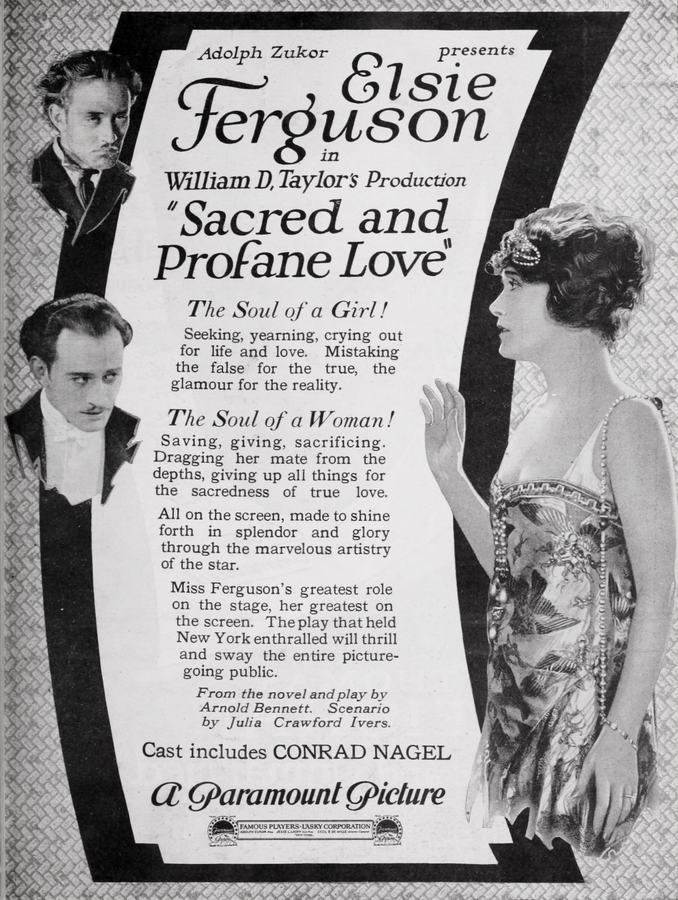
The frame of Sacred and Profane Love opens with a quiet, almost reverential hush. Carlotta Peel, portrayed with a fragile intensity by Howard Gaye, is introduced in a dimly lit drawing room, where the flicker of a candle mirrors the flicker of her own knowledge—limited, yet unbounded. The aunt’s overprotective presence, embodied by the stern Elsie Ferguson, creates a claustrophobic bubble that the film deftly dismantles through the arrival of Diaz, a pianist whose very presence is a sonic rebellion against the era’s rigid proprieties.
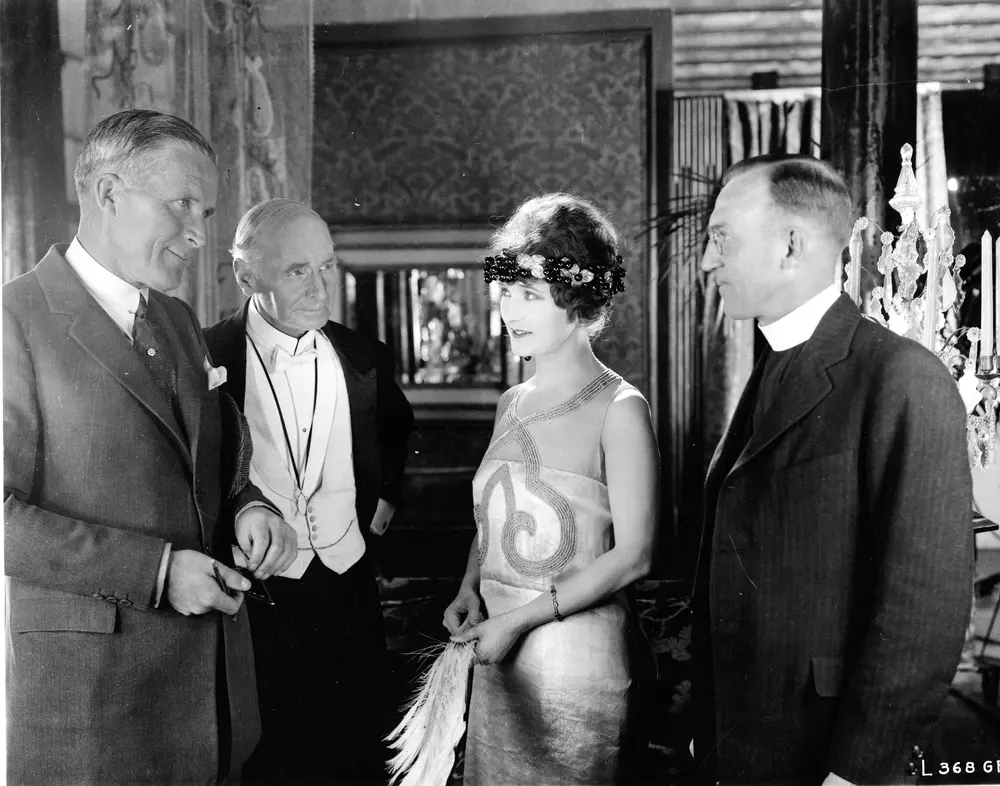
Diaz’s performance is not merely a backdrop; it is a narrative device that translates the unsaid. The camera lingers on his hands, the crescendos echoing through the vaulted ceiling, a visual representation of Carlotta’s awakening. The film’s score—though silent in the original—has been reconstructed in modern screenings to include a haunting piano theme that underscores the tension between Carlotta’s inner longing and the external expectations imposed upon her. This musical dialogue foreshadows the complex relationship that will develop, hinting at the duality of sacred devotion and profane desire that defines the film’s core.
The narrative shifts to the bustling streets of London, where Carlotta’s manuscripts find a voice. The cinematography here—grainy, almost sepia—captures the city’s relentless energy, mirroring her own burgeoning ambition. The publisher Frank Ispenlove, played with unsettling calm by Forrest Stanley, follows Carlotta like a shadow. His pursuit is layered: a marriage that is more a contract than a partnership, a desire to control her narrative, and an underlying fear that her success might eclipse his own. Frank’s eventual suicide is a stark reminder of the era’s limited avenues for female autonomy, and the film does not shy away from depicting the psychological toll of such power dynamics.
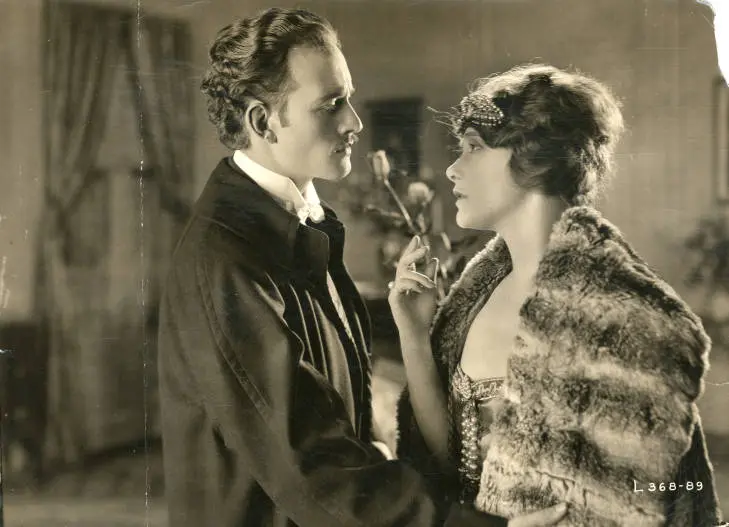
Paris is rendered in a palette of muted blues and greys, punctuated by the occasional burst of yellow from street lamps. Diaz’s descent into alcoholism—symbolized by the swirling absinthe—creates a visual metaphor for the loss of creative clarity. Carlotta, however, does not retreat; instead, she becomes the pillar of his regeneration. Her devotion is portrayed with a tenderness that balances the film’s more dramatic moments, suggesting that true love is as much a support system as it is a passion. The interplay between the two characters is reminiscent of the dynamic seen in The Missing Links, where artistic collaboration is both a creative and personal journey.
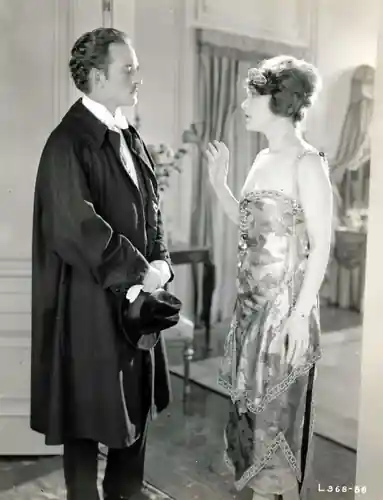
Sacred and Profane Love’s title is not merely a label; it is a thematic axis that the film explores with nuanced precision. The sacred is represented by Carlotta’s dedication to her craft, her unwavering commitment to the integrity of her narrative, and her moral compass that resists the seductive allure of fame. The profane, conversely, is embodied by the intoxicating pull of passion, the reckless abandon of Diaz’s music, and the societal pressures that threaten to corrupt her. The film’s climax—where Carlotta and Diaz finally acknowledge their shared destiny—serves as a reconciliation of these two forces, suggesting that true artistry emerges when the sacred and the profane coexist harmoniously.
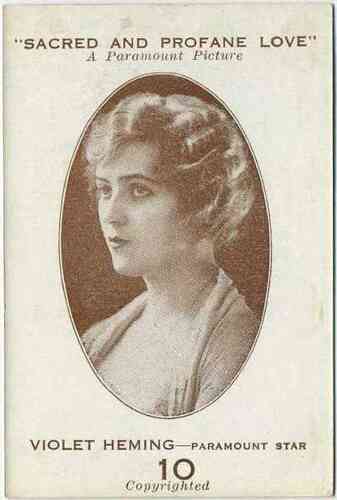
Howard Gaye’s portrayal is a study in restraint. He navigates Carlotta’s internal conflict with a subtlety that feels almost contemporary. Thomas Holding’s Diaz is a study in charisma, his piano playing a language that transcends the silent medium. The supporting cast, including Helen Dunbar and Clarissa Selwynne, provides a textured backdrop that enriches the narrative. Director Julia Crawford Ivers, with her meticulous attention to period detail, crafts scenes that feel both historically authentic and emotionally resonant. Her use of chiaroscuro lighting—particularly in the scenes where Carlotta confronts Frank—adds a dramatic tension that keeps the audience engaged.
The film’s visual language is a masterclass in silent storytelling. The camera often lingers on the characters’ eyes, capturing a silent dialogue that speaks louder than any intertitle could. The use of close-ups during pivotal moments—such as Carlotta’s decision to reject Frank—creates an intimate space that invites viewers into the characters’ emotional landscapes. The intertitles, written in a clean, serif typeface, are sparingly used, ensuring that the visual narrative remains the primary conduit for storytelling. This technique aligns with the film’s overall ethos: that art can communicate beyond words.
Sacred and Profane Love was released at a time when the cinematic world was still experimenting with the language of film. Its exploration of a woman’s struggle for autonomy and creative freedom was ahead of its time, prefiguring later feminist narratives. The film’s influence can be traced in later works such as Homunculus, 6. Teil - Das Ende des Homunculus, where the tension between scientific ambition and personal sacrifice echoes Carlotta’s own conflict. Likewise, the film’s emphasis on the transformative power of love resonates with themes in The Light of Western Stars, where protagonists seek redemption through artistic expression.
When juxtaposed with The Eagle's Nest, Sacred and Profane Love presents a more intimate exploration of personal relationships rather than grand ideological battles. The film’s subtlety in portraying the complexities of love stands in contrast to the overt dramatics of The Bride's Silence. In terms of visual storytelling, the film shares a kinship with The Missing Links, both employing a minimalist aesthetic that allows the characters’ emotions to take center stage. The thematic focus on artistic integrity parallels the narrative arc in Famous Women in World's Work, where women’s intellectual pursuits are highlighted against societal constraints.
Upon its initial release, Sacred and Profane Love garnered praise for its daring portrayal of female agency. Critics lauded Ivers’s direction and the film’s ability to weave a compelling story without dialogue. Modern retrospectives, however, have highlighted the film’s subtle commentary on the commodification of art—a theme that remains relevant in contemporary discussions of creative ownership. The film’s inclusion in the 2025 Silent Film Festival’s “Pioneering Women Directors” showcase underscores its enduring legacy.
Sacred and Profane Love stands as a testament to the power of cinema to capture the complexities of human emotion. Its meticulous attention to detail, combined with a narrative that balances the sacred with the profane, offers a rich tapestry that continues to inspire. For modern audiences, the film is a reminder that the pursuit of artistic truth often requires confronting both internal and external adversities. As we revisit this classic, we are invited to reflect on our own relationships with art, ambition, and the delicate dance between devotion and desire.
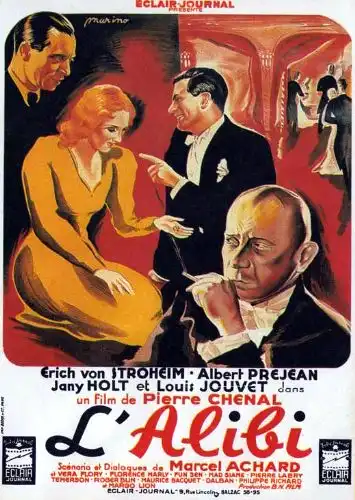
IMDb 6.7
1937
Community
Log in to comment.