DbcultAccessing Vault...
Cult Review
Senior Film Conservator
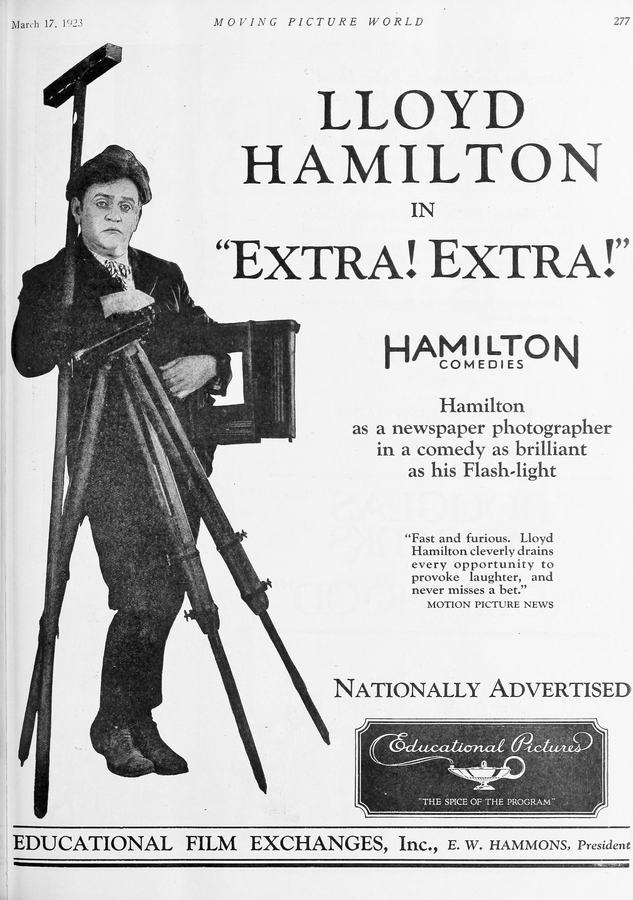
Stepping into the flickering, sepia-toned world of early 20th-century cinema offers a unique lens through which to examine the burgeoning art form, and Extra! Extra! presents a compelling, albeit brief, snapshot of that era's comedic sensibilities and narrative preoccupations. This largely overlooked gem, featuring the dynamic presence of Lloyd Bacon and the inimitable comedic timing of Lloyd Hamilton, along with Charles Force, Ruth Hiatt, and Tom Murray, plunges us headfirst into the frenetic daily grind of a press photographer. The premise, deceptively simple, burgeons into a delightful exploration of ambition, chaos, and the relentless pursuit of a scoop, all filtered through the distinctive visual language of silent film.
Lloyd Bacon, in the titular role of the alert press photographer, imbues his character with an almost palpable kinetic energy. He is not merely observing the world; he is a part of its swirling maelstrom, constantly jostling for position, his camera an extension of his own driven personality. This portrayal is a fascinating precursor to the more nuanced, often cynical, journalists we would later see on screen, yet it possesses an earnestness that is deeply endearing. Bacon’s physical comedy, though perhaps less overtly slapstick than some of his contemporaries, is precise and effective, conveying much with a mere glance or a hurried gesture. He embodies the spirit of a bygone journalistic age, where the immediacy of the photograph was paramount, and the risks taken to secure it were often extraordinary.
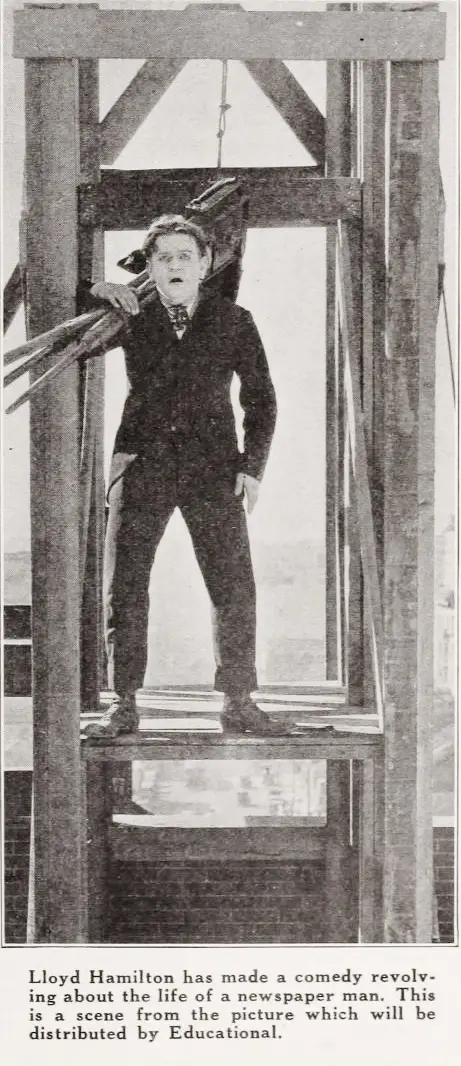
The film’s narrative, while undoubtedly lean, capitalizes on the inherent drama and absurdity of its subject matter. We witness Lloyd’s character navigating crowded city streets, bustling newsrooms, and the unpredictable nature of public events, each scene a potential goldmine for a headline-grabbing image. The film cleverly employs visual gags to underscore the inherent difficulty and occasional ludicrousness of his profession. Imagine a scene where Lloyd, desperate for an exclusive shot, finds himself inadvertently entangled in a parade float, or perhaps precariously balanced on a rickety ladder, all for the sake of capturing a fleeting expression or a dramatic incident. This brand of humor, rooted in situational irony and physical predicament, is a hallmark of silent comedy, and Extra! Extra! executes it with admirable proficiency.
One cannot discuss the comedic fabric of this film without acknowledging the supporting cast, particularly Lloyd Hamilton. Hamilton, a veteran of numerous shorts, brings his characteristic blend of exasperated charm and understated absurdity to his role, likely as a rival photographer or a long-suffering editor. His presence often serves as a grounding force, or perhaps a foil, to Bacon’s more impetuous energy, creating a dynamic interplay that elevates the comedic rhythm. The nuances of their interactions, conveyed through exaggerated expressions and rapid-fire pantomime, are a testament to the sophisticated communication possible within the silent medium. Robert DeVilbiss, Charles Force, Ruth Hiatt, and Tom Murray, though perhaps in smaller roles, contribute significantly to the film’s vibrant tapestry, each playing their part in the unfolding comedic chaos.
The aesthetic of Extra! Extra! is deeply rooted in the visual storytelling techniques prevalent in the 1910s and 20s. The cinematography, while not groundbreaking, is effective in conveying the hustle and bustle of urban life, employing dynamic camera angles and rapid cuts to maintain a sense of urgency. The intertitles, sparse but impactful, deliver essential plot points and comedic punchlines, allowing the visual narrative to largely speak for itself. The film’s pacing is brisk, a necessary attribute for a short comedy, ensuring that the audience remains engaged through a rapid succession of gags and plot developments. The editing, in particular, demonstrates a keen understanding of comedic timing, allowing moments of tension to build before releasing them with a well-placed visual punchline.
Comparing Extra! Extra! to other films of its era reveals its place within the broader spectrum of silent cinema. While it may not possess the grand romantic sweep of a film like My Best Girl, or the profound dramatic weight of something like The End of a Perfect Fray, its strength lies in its unpretentious charm and its focused comedic vision. It shares a certain thematic kinship with other shorts that explored everyday occupations, elevating the mundane to the realm of high comedy. One might draw parallels with the episodic nature and character-driven gags found in films like Before Breakfast, where the humor springs from the universal experiences of daily life, albeit exaggerated for comedic effect. The film's portrayal of a working-class hero striving for success, even if it's just a front-page credit, resonates with the aspirational narratives common in cinema of that period.
The social commentary, though subtle, is also worth noting. Extra! Extra! inadvertently captures the nascent power of photojournalism and the public's insatiable appetite for visual news. It reflects a society increasingly reliant on images to understand the world, a trend that would only accelerate in the decades to come. The film pokes gentle fun at the sensationalism inherent in the newspaper industry, yet it also celebrates the daring spirit of those who sought to capture truth, however fleeting, through their lenses. This duality provides a richer texture to what might otherwise be perceived as a straightforward comedy.
The film’s enduring appeal, for those fortunate enough to discover it, lies in its ability to transport us back to a simpler, yet equally complex, cinematic landscape. It reminds us of the foundational principles of visual storytelling and the timeless nature of comedic archetypes. While it might lack the grandiosity of some of the era's epics or the deeply etched psychological profiles seen in more dramatic fare like The Woman with Four Faces, its charm is undeniable. It's a film that doesn't demand profound intellectual analysis but instead invites joyous, unadulterated engagement with its lively characters and spirited antics.
The performance of Ruth Hiatt, though not extensively detailed in historical records for this particular short, would have undoubtedly contributed to the overall comedic atmosphere. Often cast in roles that balanced charm with a hint of mischievousness, her presence likely provided a romantic interest or a comedic foil for Lloyd’s character, adding another layer to the film’s lighthearted chaos. In many silent comedies, the female lead was crucial not just for romantic entanglement but also for driving plot points or being the object of the protagonist’s bumbling affections, a dynamic that can be seen in various forms across the genre, from the innocent charm of The Girl of My Dreams to the more independent spirit of characters in My Unmarried Wife.
Ultimately, Extra! Extra! serves as a delightful artifact from a pivotal period in film history. It showcases the talents of its cast, particularly Lloyd Bacon and Lloyd Hamilton, in roles that perfectly suited their comedic strengths. It’s a testament to the ingenuity of early filmmakers who, with limited resources, managed to craft engaging and entertaining narratives that continue to resonate. The film’s focus on the humble press photographer transforms a seemingly ordinary profession into a vehicle for extraordinary comedic adventure, reminding us that even the most quotidian tasks can be imbued with a sense of dramatic purpose and hilarious mishap. It's a small but significant piece of the silent film puzzle, offering genuine laughs and a fascinating glimpse into the nascent days of visual journalism and cinematic comedy.
The legacy of such films is often measured not just by their critical acclaim or box office success, but by their ability to capture a moment in time, a cultural zeitgeist, and to entertain audiences across generations. Extra! Extra!, in its unassuming brilliance, achieves precisely this. It doesn’t aspire to be a grand statement on the human condition, unlike the more melodramatic offerings of its time such as In the Heart of a Fool or The Heart of the Blue Ridge. Instead, it revels in the simple pleasures of well-executed physical comedy and a relatable protagonist. The film’s exploration of the lengths one goes to for a career, the inherent competitiveness, and the occasional absurdities of professional life, remain evergreen themes. The energy that Bacon brings to his role is infectious, a raw, unpolished enthusiasm that drives the entire short forward. It's a performance that doesn’t rely on dialogue, but on expressive eyes, agile movements, and a perpetually determined stride.
Furthermore, the film's backdrop, the bustling urban environment, is almost a character in itself. The city, with its anonymity and endless possibilities for unexpected encounters, provides the perfect playground for Lloyd's journalistic exploits. This urban landscape, often depicted with a charmingly chaotic energy in silent films, contrasts sharply with the more pastoral settings of films like The Wild Girl, highlighting the diverse geographical and social canvases filmmakers were exploring. The visual texture of the streets, the vehicles, and the crowds all contribute to the authenticity of Lloyd's world, making his escapades feel both fantastical and grounded in a recognizable reality. The film's ability to create a sense of place, even within the confines of a short format, speaks volumes about the filmmakers' craft.
The comedic mechanics of Extra! Extra! are finely tuned, relying on a series of escalating complications and visual misunderstandings. It's a masterclass in building tension through absurd scenarios and then releasing it with a perfectly timed pratfall or a clever twist. The interplay between the protagonist's earnest dedication and the chaotic forces he encounters creates a delightful friction that fuels the humor. This approach to comedy, where character drives the gags rather than the other way around, is what gives the film its lasting resonance. It’s not just a series of disconnected jokes; it’s a narrative propelled by a relatable, if exaggerated, human endeavor. One could even see echoes of this character-driven chaos in later, more elaborate comedies, demonstrating the foundational impact of such early works.
In its unpretentious glory, Extra! Extra! stands as a vibrant testament to the ingenuity and enduring appeal of early cinematic comedy. It invites viewers to relish in the simple joys of a well-told story, driven by endearing characters and executed with a keen understanding of visual humor. It's a cinematic experience that, despite its age, feels remarkably fresh and engaging, reminding us that the fundamental elements of compelling storytelling and genuine laughter transcend the boundaries of time and technological advancement. A true connoisseur of silent film would find much to appreciate in its spirited execution and its charming portrayal of a bygone era's media landscape.
IMDb 6.4
1931
Community
Log in to comment.