DbcultAccessing Vault...
Cult Review
Senior Film Conservator
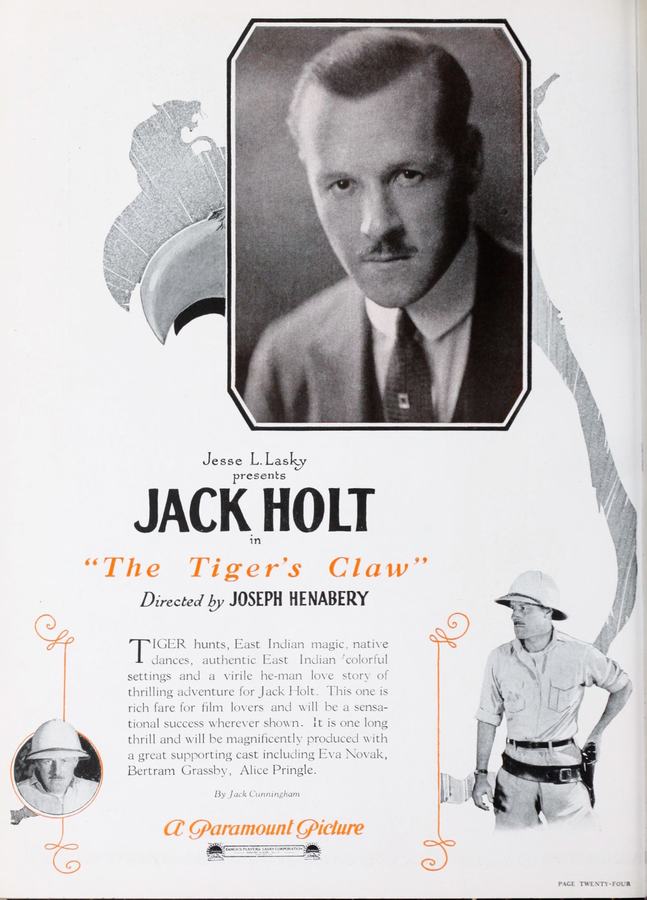
Stepping back into the annals of early cinema, one occasionally stumbles upon a feature that, despite its age and the inherent limitations of its era, still manages to resonate with a surprising depth of narrative and emotional complexity. Such is the case with 1923's The Tiger's Claw, a silent film that, while perhaps not as widely celebrated as some of its contemporaries, offers a fascinating glimpse into the adventurous spirit and dramatic conventions of its time. Helmed by the pen of Jack Cunningham, this motion picture plunges us into an exotic, often perilous, world where human ambition clashes with ancient traditions and the raw power of nature itself. It’s a narrative tapestry woven with threads of engineering prowess, forbidden romance, insidious betrayal, and the kind of heroic derring-do that defined the cinematic heroes of the silent screen. For those accustomed to the rapid-fire editing and auditory assault of modern blockbusters, engaging with a silent film like this requires a recalibration of expectations, an embrace of its unique rhythms and visual storytelling. Yet, within this framework, The Tiger's Claw delivers a potent cocktail of thrills and melodrama that, even a century later, retains its compelling allure.
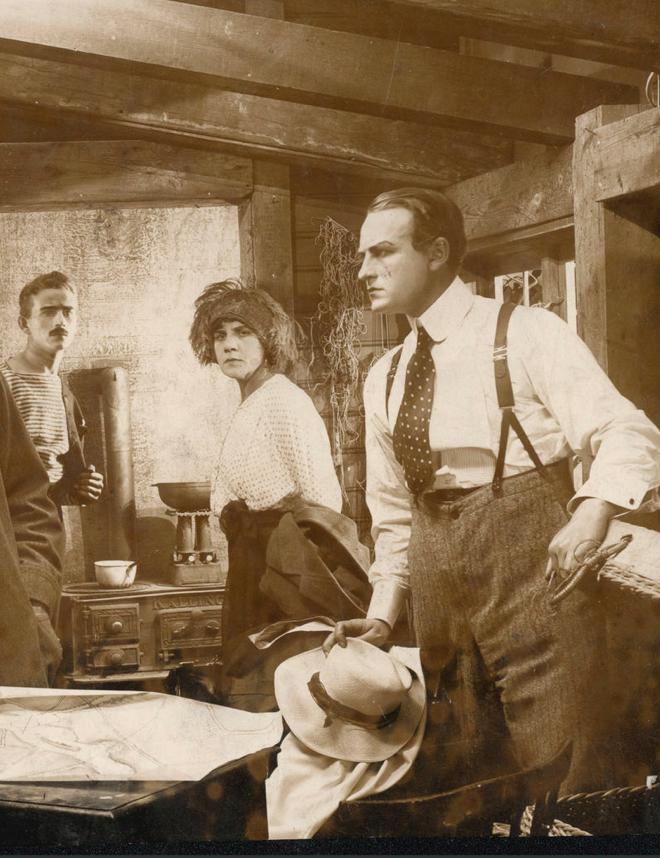
The film immediately transports its audience to British India, a setting frequently romanticized and simultaneously demonized in early Western cinema. Here, American engineer Sam Sandell, portrayed with the stoic earnestness typical of leading men of the period by Jack Holt, embodies the spirit of Western progress and colonial ambition. His mission: to construct a colossal dam, a symbol of modernity intended to tame the wild forces of nature and bring prosperity to the region. This backdrop isn't merely decorative; it's an active participant in the drama, its dense jungles, treacherous wildlife, and vibrant cultural mosaic forming a crucible for the unfolding human narrative. The initial encounter with a tiger, a creature emblematic of India's untamed essence, serves as a visceral introduction to the stakes at play. It's a primal struggle for survival that immediately establishes Sam's vulnerability despite his technological might. This reliance on natural threats and exotic locales was a common trope, often seen in films like The Chinese Musketeer, which similarly leveraged an 'othered' geography to heighten dramatic tension and visual spectacle. However, The Tiger's Claw delves deeper than mere spectacle, using the environment to reflect the internal conflicts of its characters.
The rescue of Sam by Chameli Brentwood, played by the captivating Eva Novak, introduces the film's central romantic and cultural clash. Chameli, described as a 'half-caste,' occupies a precarious position between two worlds, a common narrative device in films exploring colonial themes. Her act of compassion, nursing Sam back to health, lays the groundwork for a relationship born out of shared intimacy and gratitude. This initial bond, however, is destined to be fraught with peril, much like the delicate social dynamics explored in films touching on interracial relationships of the era, though The Tiger's Claw approaches it with a blend of romantic idealism and tragic realism. The visual language of their burgeoning affection, expressed through longing glances and tender gestures, is a masterclass in silent film performance, relying on the actors' ability to convey complex emotions without dialogue.
Sam and Chameli's subsequent marriage, a seemingly joyous union, immediately ignites a powder keg of resentment. Chameli's uncle, Sathoo Ram (portrayed with menacing gravitas by Bertram Grassby), and her spurned suitor, Raj Singh (George Field), represent the forces of tradition and personal grievance that recoil against this cross-cultural alliance. Their anger isn't merely personal; it's a reflection of deeper societal anxieties surrounding intermarriage and the perceived erosion of cultural boundaries. These characters are not simplistic villains; they are driven by a potent cocktail of possessiveness, cultural pride, and perhaps a misguided sense of protecting their own. Their plot to destroy Sam and his dam becomes a multi-layered act of sabotage – personal revenge, a blow against colonial intrusion, and a symbolic rejection of the new order Sam represents. This kind of conspiratorial villainy, where personal vendetta intertwines with larger societal conflict, offers a dramatic intensity that parallels the intricate plots of adventure serials popular at the time, or even the more intimate betrayals seen in dramas like The Rope's End.
What truly elevates the narrative beyond simple melodrama is the character of Harriet Halehurst, Sam's former English sweetheart, played by Aileen Pringle. In many narratives of this period, the 'other woman' would typically be cast as a rival, a source of conflict. Yet, Harriet defies this convention. Her acceptance of Sam's marriage to Chameli, and her subsequent efforts to integrate Chameli into society, paint her as a remarkably progressive and compassionate figure. This subversion of the typical love triangle trope adds a layer of unexpected nuance to the film, challenging audience expectations and demonstrating a subtle moral complexity often overlooked in silent era productions. Harriet's grace and maturity stand in stark contrast to the petty jealousies and destructive ambitions of Sathoo and Singh, positioning her as a moral anchor in a swirling sea of turmoil. Her character arc is arguably one of the most compelling, demonstrating strength and empathy rather than vindictiveness, a refreshing departure from typical portrayals of jilted lovers in films like, for instance, A Woman Alone, which might have explored the bitterness of a similar situation.
The narrative takes a darker turn with the revelation of Chameli's faithlessness. This plot point is crucial, as it shifts the audience's sympathies and complicates the romantic dynamics. Her betrayal, culminating in her death by a bullet intended for Sam, is a stark and brutal consequence of her divided loyalties and the pressures exerted upon her by her uncle and former suitor. It’s a moment of shocking violence that underscores the film’s willingness to embrace tragedy, even for its central romantic figure. The ambiguity surrounding Chameli's ultimate motivations – was it true betrayal, or an act of desperation under duress? – adds a tragic dimension to her character, preventing her from becoming a one-dimensional villainess. Her fate serves as a grim reminder of the destructive power of the web of deceit woven around Sam.
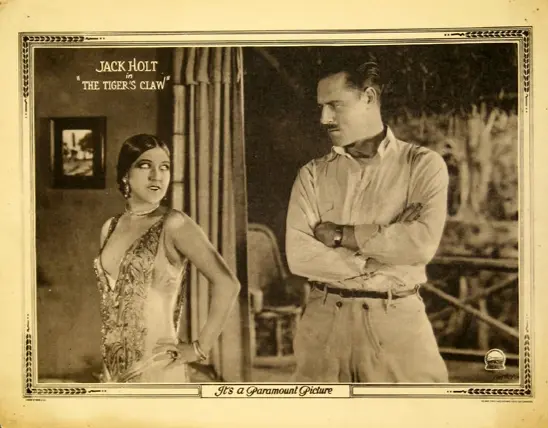
It is in the wake of this tragedy that Harriet's true character shines most brightly. Her second heroic act, saving Sam from yet another tiger attack, solidifies her role as his steadfast protector and, ultimately, his true partner. This repetition of the tiger attack motif is not merely a narrative device for suspense; it symbolizes Sam’s repeated brushes with death and the constant, primal threats lurking in his environment, both natural and human. Harriet’s intervention here isn't just physical; it's symbolic of her unwavering loyalty and courage, qualities that Chameli ultimately lacked. The burgeoning romance between Sam and Harriet, therefore, feels earned, forged in the fires of shared peril and mutual respect, rather than simply being a convenient narrative pivot. This contrast in romantic partners, one faithless and the other unwavering, provides a powerful emotional core to the film, exploring the very nature of commitment and sacrifice. Such depth in character exploration, especially for female roles, was not always a given in early cinema, making Harriet's portrayal particularly noteworthy.
The film's climax, the successful breaking of the dam by Sathoo, Singh, and their Thug accomplices, is a spectacle of destruction that would have profoundly impacted audiences of the era. The visual representation of the dam's collapse and the ensuing flood, while perhaps rudimentary by today's special effects standards, would have been a monumental achievement for early filmmaking. This cataclysmic event serves as the ultimate culmination of the antagonists' destructive desires, unleashing a force of nature that mirrors the unrestrained passion and vengeance that drove their plot. The flood is not just a physical threat; it's a symbolic cleansing, washing away the old order and the treachery that plagued Sam's life. It forces the characters into a final, desperate struggle for survival, stripping away pretenses and revealing their true selves. This kind of large-scale disaster sequence, a staple of adventure films, required considerable ingenuity in the silent era, relying on miniature work, careful editing, and the audience's imagination to convey its scale. It effectively raises the stakes to their absolute maximum, ensuring the audience is fully invested in the outcome.
Sam's heroic rescue of Harriet from the raging torrents of the flood brings the narrative to its emotional zenith. It's a classic hero's journey moment, where the protagonist, having overcome numerous trials, finally secures his true love amidst chaos. Their reunion is not just a happy ending; it's a testament to the resilience of the human spirit and the enduring power of genuine affection. The film concludes with the promise of a new beginning for Sam and Harriet, a future built on a foundation of trust and shared experience, rather than the fleeting passions and betrayals of the past. It’s a resolution that feels earned, providing a sense of closure and hope after a journey fraught with peril and heartbreak. The final image of them together, having weathered both human perfidy and natural disaster, is a powerful statement on the triumph of love and perseverance. This kind of redemptive ending, where the hero finds solace and true partnership after adversity, was a common and comforting trope, often satisfying audiences who had followed the emotional rollercoaster of such intense narratives.
The performances in The Tiger's Claw are quintessential examples of silent era acting. Jack Holt, with his rugged good looks and earnest demeanor, embodies the ideal American hero, a man of action and integrity. His expressive eyes and body language convey a range of emotions, from determined focus to profound sorrow, without uttering a single word. Eva Novak, as Chameli, brings a tragic beauty and a sense of internal conflict to her role, making her eventual downfall all the more poignant. Aileen Pringle, as Harriet, delivers a performance of quiet strength and dignity, making her character's transformation from former sweetheart to heroic savior utterly believable. The supporting cast, particularly Bertram Grassby and George Field as the villains, effectively convey their malevolent intentions through exaggerated gestures and intense facial expressions, a necessary component of silent film villainy. Even 'Robin Hood the Horse' deserves a mention, as animal actors often played surprisingly significant roles in early adventure films, adding to the realism and spectacle.
From a technical standpoint, the film's direction, though not attributed explicitly in the provided details, would have relied heavily on visual composition, intertitles, and the pacing of cuts to build suspense and convey narrative information. The use of exotic locations, even if recreated on a soundstage or through clever matte paintings, would have been crucial to establishing the film's atmosphere. The cinematography, while perhaps lacking the sophisticated camera movements of later eras, would have focused on clear storytelling through well-framed shots and dramatic close-ups to emphasize emotional states. The editing would have been key to maintaining a sense of momentum, especially during action sequences like the tiger attacks and the dam's destruction. The very nature of silent film also required a heightened sense of visual metaphor; the tiger, the dam, the flood – all serve not just as plot points but as potent symbols of the themes at play: nature versus civilization, passion versus reason, destruction versus creation.
The Tiger's Claw sits comfortably within a genre of adventure films popular in the early 20th century, often blending romance with exotic locales and high stakes. It shares thematic DNA with other films of its era that explored themes of love, betrayal, and the clash of cultures. While perhaps not as overtly comedic as The Traveling Salesman or as focused on marital woes as How to Be Happy Though Married, it nevertheless taps into universal human experiences of desire, jealousy, and the search for belonging. Its portrayal of India, while undoubtedly filtered through a colonial lens, nonetheless strives for a sense of dramatic realism within its fantastical narrative. The film, like many productions of its time, serves as a cultural artifact, reflecting societal attitudes towards race, gender, and progress. The 'half-caste' character of Chameli, for example, embodies a specific societal anxiety and fascination, a trope seen in various forms across global cinema during this period, from European to American productions. It's a reminder that films don't just entertain; they also document the prevailing ideologies and anxieties of the societies that produce them.
In conclusion, The Tiger's Claw, though a product of its time, offers a compelling and surprisingly complex narrative that transcends its silent origins. It's a testament to the power of visual storytelling and the enduring appeal of classic adventure. The film's ability to weave together elements of romance, engineering ambition, treacherous plots, and natural disaster into a cohesive and thrilling whole speaks to the craftsmanship of early Hollywood. For cinephiles and historians alike, it provides a rich text for understanding the evolution of cinematic narrative and character development. It reminds us that even without spoken dialogue, the human story, in all its messy, passionate, and heroic forms, can be conveyed with profound impact. Revisiting such films is not just an act of nostalgia; it’s an opportunity to appreciate the foundational artistry upon which all modern cinema is built, and to discover the timeless appeal of well-crafted drama, even when presented in the captivating silence of a bygone era. The film stands as a vibrant example of how early filmmakers pushed the boundaries of technology and storytelling, creating experiences that continue to resonate and entertain long after their initial release, much like other enduring silent classics that captivate new generations of viewers.

IMDb 6.3
1932
Community
Log in to comment.