DbcultAccessing Vault...
5.7/10
Senior Film Conservator
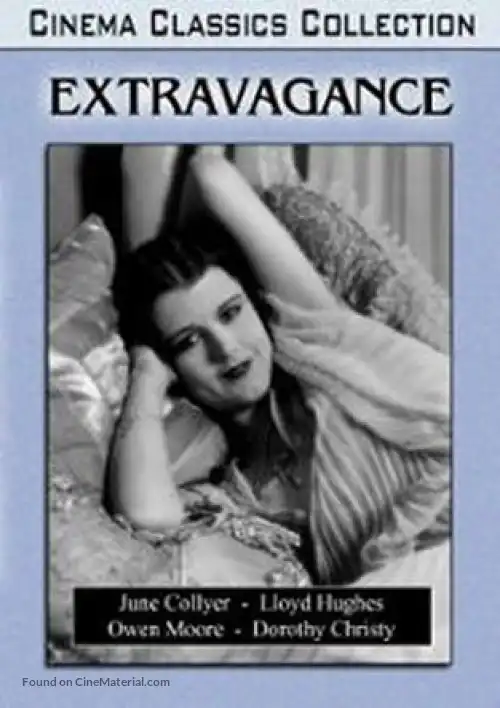
A definitive 5.7/10 rating for a film that redefined the boundaries of cult cinema. Extravagance remains a cornerstone of transgressive art.
Right off the bat, if you’re into classic Hollywood, especially early talkies, Extravagance is worth a look. It’s definitely for folks who don't mind a slower pace and want to see how cinema handled marital drama back in 1930. But if you need fast action or modern sensibilities, you’ll probably find this a bit of a snooze fest. 😴
The core idea here is simple: Alice Kendall, played by Addie McPhail, loves her expensive things. She marries Fred Garlan (Lloyd Hughes), an ambitious guy who's definitely on the up, but maybe not quite ready for Alice's *level* of spending. And that, friends, is where the trouble begins. You know, the whole 'money can't buy happiness' thing, but with more pearl necklaces and Fred's really tired eyes.
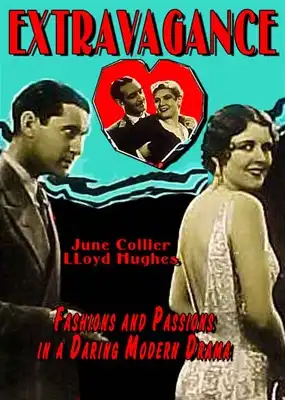
Addie McPhail as Alice is… a lot. She’s supposed to be spoiled, and she pulls it off. Her expressions are often these wide-eyed demands, sometimes feeling a bit theatrical, even for the era. There's a scene where she's picking out a new gown, and the way she dismisses the more practical options with a little sniff, it’s just perfect for showing her character. You can almost feel the movie trying to convince you this moment matters, her choices defining her fate.
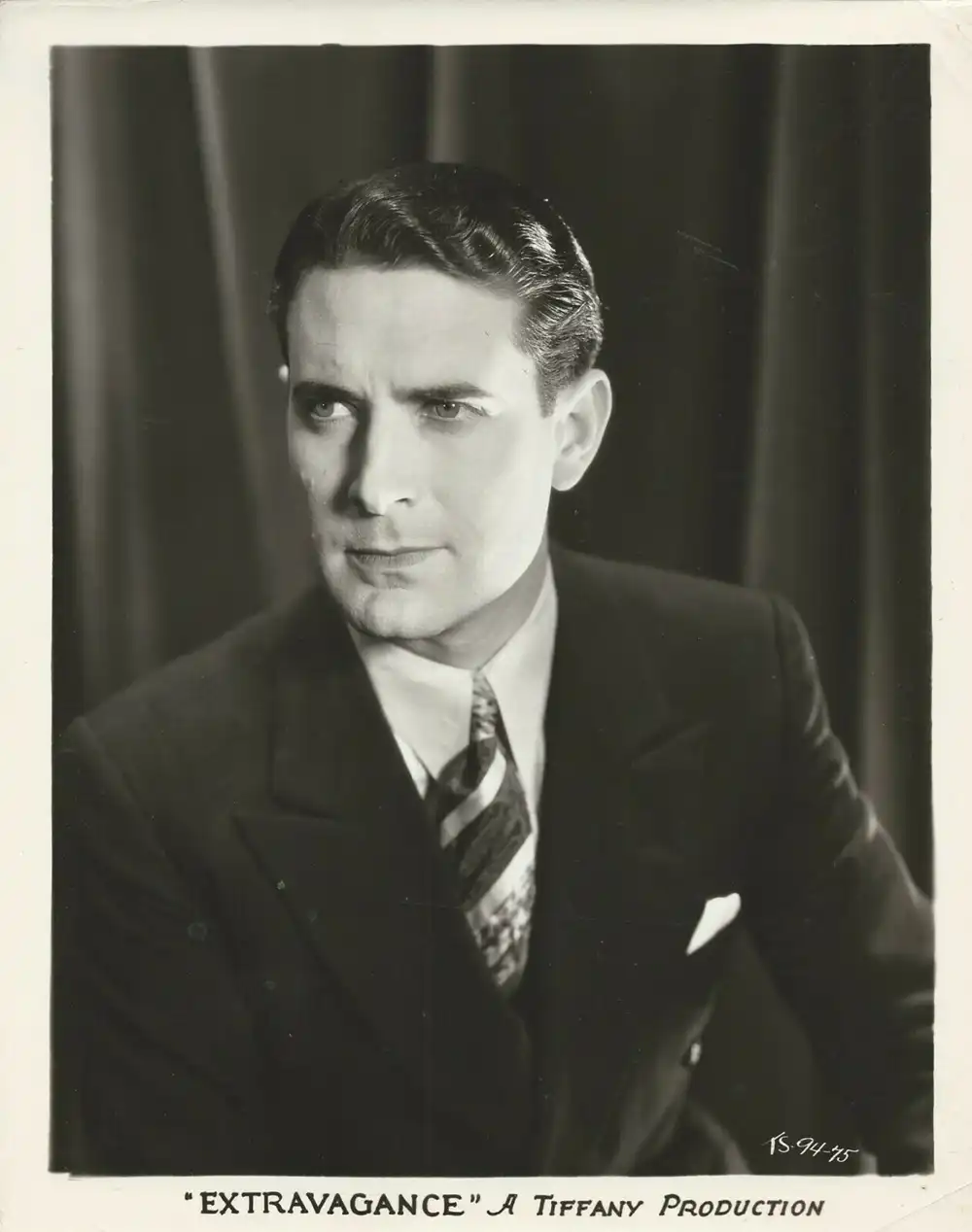
Fred, bless his heart, tries. Lloyd Hughes gives him this earnest, almost weary look that makes you feel for him. He's working hard, you can tell, building something. But then Alice shows up with another bill for, like, a new fur stole, and his face just sags. It's a small detail, but those little moments really sell his struggle.
The pacing, well, it's 1930. Things move at their own speed. Some conversations feel like they go on about 20 seconds too long. The silence after a particularly cutting remark, you expect it to land harder, but it just hangs there, kind of awkwardly. It's not always emotional; sometimes it's just… silence.
There's this one party scene, I think it's fairly early on, where Alice is being _quite_ extravagant. She’s laughing a little too loudly, wearing a dress that looks *way* too expensive compared to Fred's friends’ wives. One reaction shot of Fred's business partner, Cosmo Kyrle Bellew's character, just lingers. His face says it all: **this woman is a problem**. It's almost funny how long it holds.
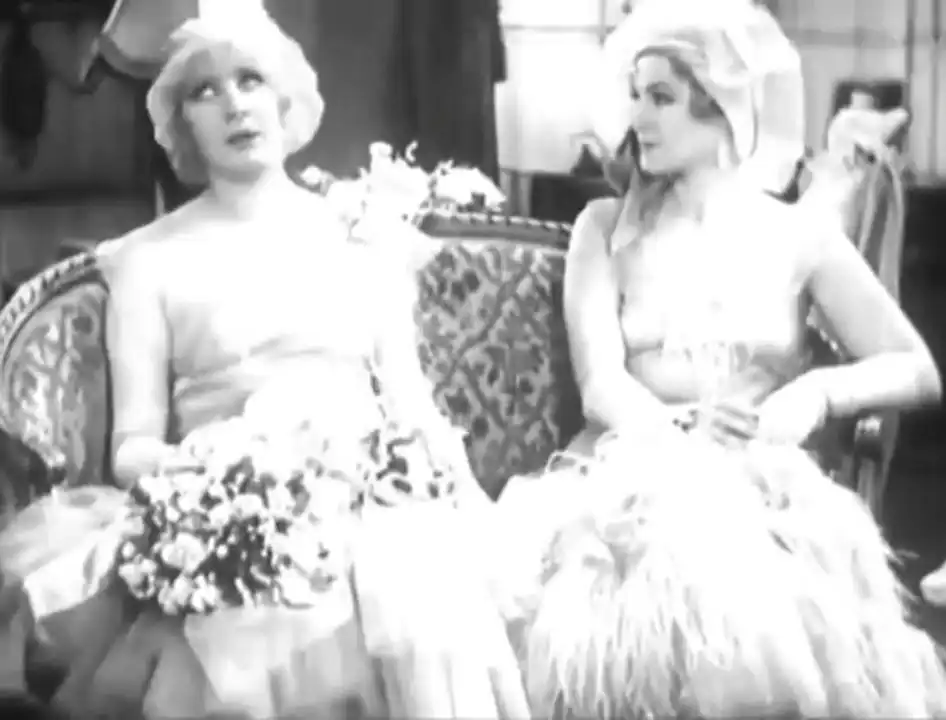
I found myself focusing on some of the background details. Like the way the servants move around the house. They're almost invisible, but sometimes a maid would walk through a shot with this look on her face, like she's seen it all before. It's a quick flash, easy to miss, but it adds a layer to the household's vibe.
The dialogue is interesting. It's still got that stagey quality you get in early talkies, where people speak in full, perfectly formed sentences, even when they’re arguing. It doesn't always feel natural, but there are moments of surprising honesty. When Fred finally confronts Alice, his voice is quiet, almost defeated. That's when it really hits.
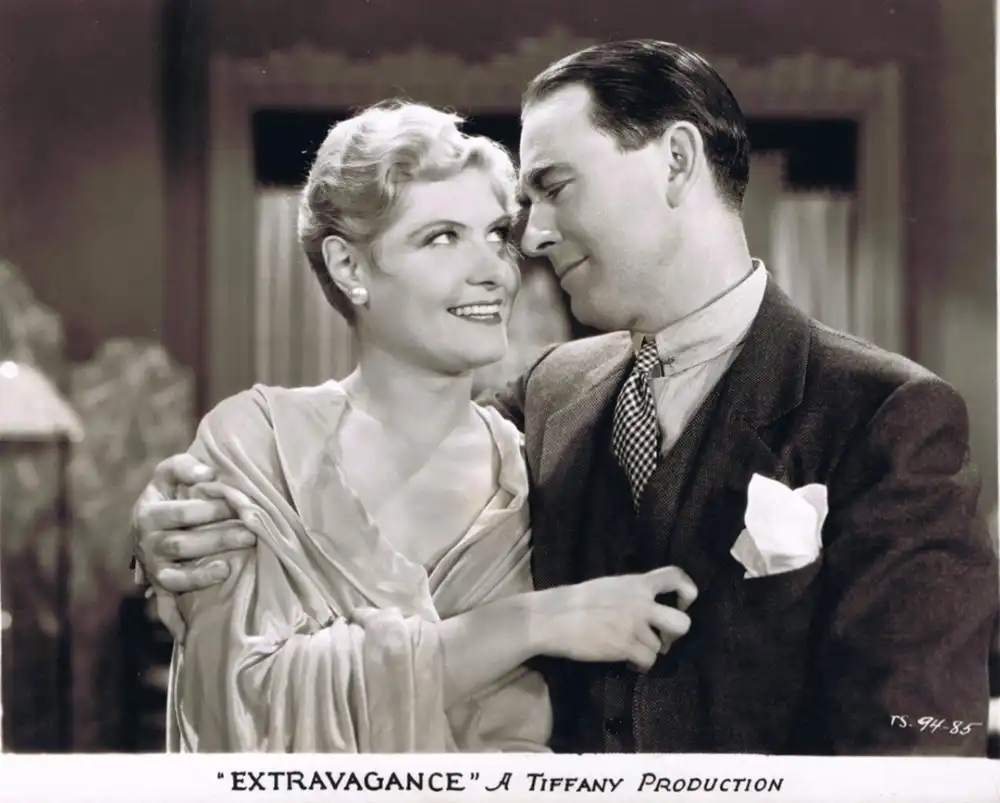
Honestly, it's not a grand cinematic masterpiece, not like something huge that came later. It doesn't have the visual flair of, say, Bright Lights from a couple years earlier, which had some really inventive camera work. Extravagance is pretty straightforward, visually.
But for all its flaws, and its somewhat predictable storyline, there's something rather charming about it. It’s a snapshot. A glimpse into marital woes and societal expectations from almost a century ago. You see the beginnings of how films would tackle complex human relationships, even if the tools were still a bit clunky. And it still kinda makes you think about what *really* makes a marriage work, you know? It's not always about the money.
IMDb 7.1
1916
Community
Log in to comment.