DbcultAccessing Vault...
Cult Review
Senior Film Conservator
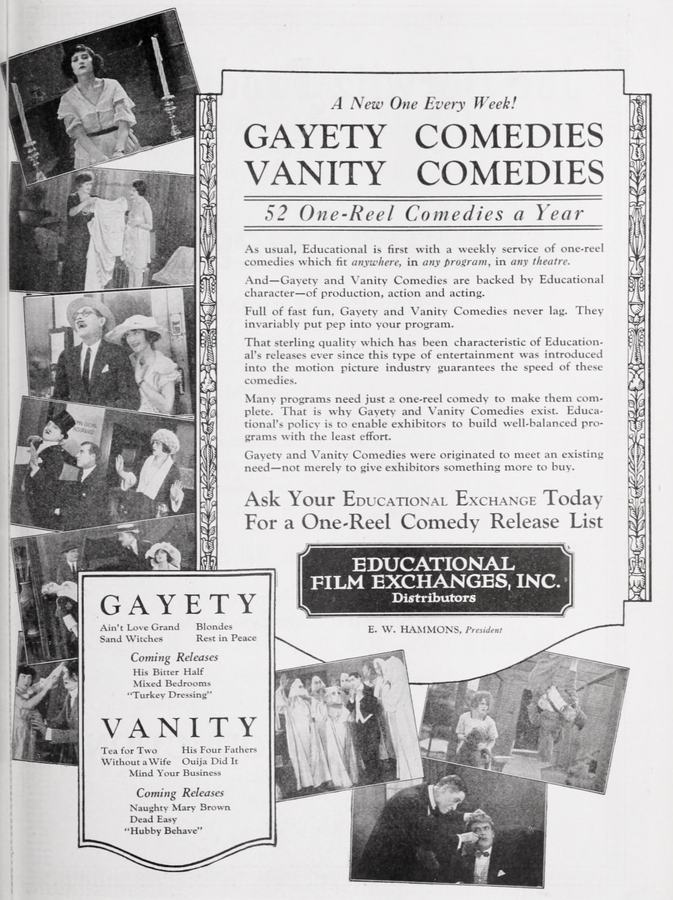
Charlotte Merriam’s eyes—wide as saucers, bright as warning beacons—carry the whole damn picture. In Tea for Two, a 17-minute whirlwind cranked out by the Bray Studios in 1927, those eyes become the moral compass of a fable that feels like O. Henry stubbing his toe on a Bible tract. The film itself is a brittle little curio: a domestic comedy shot for pocket change, scored only by the hush of the projector and the wheeze of your own anticipatory grin. Yet, like the best silents, it distills an epoch’s anxieties into a single, shimmering gag.
First, let’s talk space. The couple’s parlor is a diorama of petit-bourgeois paranoia: doilies stapled to every surface, a samovar squatting like a bronze idol, antimacassars draped over horsehair as though ghosts needed modesty. The camera never pans; it glides, prowling laterally like a nosy neighbor. Each time the wife (never named, because patriarchy) ladles soup to a new tramp, the frame contracts: she’s boxed in by doorjambs, windowpanes, and the diagonal slash of her husband’s umbrella, a visual premonition that generosity equals entrapment.
Enter Eddie Barry as the husband—a man whose waistcoat appears to be strangling him in real time. Barry, a Keystone refugee, plays the role like a bank clerk who’s memorised The Battle Hymn of the Republic but secretly roots for the other side. His solution to wifely largesse? Stage a felony. Hire Gino Corrado’s rail-rat—all cheekbones and menace—to swipe the silver, then whistle for the cops. In 1927 this counted as couples therapy.
But the gag pivots on asymmetry: the tramp, night-soil on his cuffs and grace in his marrow, restores the loot. The wife wakes to find knives and forks aligned like loyal soldiers on the mahogany, moonlight ricocheting off their spines. Cue the husband’s horrified double-take: the prank has inverted, the moral ledger has been balanced by a man with no ledger at all. The police—billed in the intertitles as “the arm of the law, slightly frayed at the cuff”—arrive to nothing, nada, zero contraband. The wife twigs instantly; her eyes perform a slow, sardonic blink that says, I see the strings, darling, and I’m cutting them.
What saves the film from cutesy moralizing is that last beat: forgiveness not as saccharine absolution but as strategic supremacy. She reinstates her husband at the head of the table, yet the camera lingers on her hand—still resting atop the tramp’s chipped teacup, a micron of contact that screams remember who fed whom. The marriage resumes, but the power grid has been rewired.
Visually, the picture is a study in chiaroscuro thrift. Shadows pool like spilt ink; highlights pick out only what matters: the silver, the wife’s eyes, the tramp’s cracked teacup. Cinematographer unknown—because history rarely signs its footnotes—composes frames that feel half-remembered from a nursery crime. Note the moment the tramp exits: his silhouette dissolves into a backyard maze of sheets on the line, ghosting him out of the narrative like a benevolent apparition. You half expect those linens to reappear in Wee Lady Betty as wedding veils, such is the thrift-store continuity of studio backlots.
Compare it to the cosmic guilt of Mitternacht or the elephantine piety of The Sign of the Cross; Tea for Two is a haiku elbowing an epic. Yet its brevity weaponizes wit. At a time when feature-length spectacles ballooned with piety, this short stabs straight at the bourgeois solar plexus: charity is not yours to meter, and kindness—like mercury—will slip through any fist that tries to portion it.
Sound? There never was any. But the silence is so complete you start hallucinating audio: the clink of cutlery, the husband’s asthmatic gulp, the soft thump of a heart changing sides. Contemporary exhibitors often paired it with live organ flourishes; I recommend revisiting it today with something spiky—maybe Nils Frahm or a caffeinated cellist—to underscore how modern the tension feels.
Performances oscillate between mime and microcosm. Merriam’s face toggles from beatitude to sly triumph in a single iris flare. Barry’s tantrums are rendered in staccato gestures—elbows flail, knees knock, mustache bristles like a startled cat. Corrado, meanwhile, weaponizes stillness; when he bows—just a chin’s dip toward the wife—it carries more gravitas than any speech could. Watch how his fingers linger above the silver before he pockets it: a secular benediction.
Scriptwriters Frank Roland Conklin and Jack Jevne—both destined for Hal Roach’s funhouse—keep the intertitles razor-lean. One card reads: "Charity bruises the ego of the uncharitable." That’s the whole thesis in ten words, a manifesto you could stencil on a coffee mug. Yet the film refuses to grandstand; its morality emerges from mise-en-scène, not megaphone.
Critics—those lucky enough to catch 16-millimeter revivals—often tag the film as a trifle. They’re not wrong; it’s slight, it’s breezy, it’s over before your popcorn cools. But trifles age into tesserae, and this one refracts 1920s anxieties: post-war displacement, breadline politics, the trembling fault line between private generosity and public accountability. The husband’s panic that a tramp might “molest” his wife reads differently after #MeToo: it’s not the drifter who’s dangerous, but the patriarch who commodifies both wife and silver as property.
Restoration? Forget it. The only known print languishes in the BFI’s basement, vinegar-syndrome nibbling at the edges like time itself. Some reels are missing, leaving a narrative ellipsis that feels almost avant-garde. We leap from accusation to absolution without the middle eight, and the elision makes the wife’s forgiveness feel even more radical—as if she’s edited the patriarchal footage herself.
Yet the film refuses despair. Its final tableau—husband and wife sharing a pot of tea, steam curling like question marks—hints at a marriage rebooted, not rebooted into bliss but into something negotiable. The last intertitle: "Love, like tea, steeps strongest when the pot is rattled." Cue iris out. A cynic might gag on the homily; I see a manifesto for relational software updates.
So why should you, dear streamer of 4K space opera, care about this brittle curio? Because Tea for Two is the missing link between Wanted: A Home’s sentimental hobo and the anarchic tramp of Hotel Paradiso. It’s a 17-minute masterclass in cinematic shorthand, a reminder that before CGI, before talkies, before even reliable indoor plumbing, movies could still scramble your moral GPS.
Track it down however you can—bootleg, YouTube rip, archivist’s basement screening. Bring a thermos of actual tea, clink porcelain when the credits hit, and savor the aftertaste: a brew simultaneously sweet, bitter, and scalding. Like marriage. Like charity. Like the flicker of nitrate that refuses to completely burn away.
IMDb —
1930
Community
Log in to comment.