DbcultAccessing Vault...
Cult Review
Senior Film Conservator
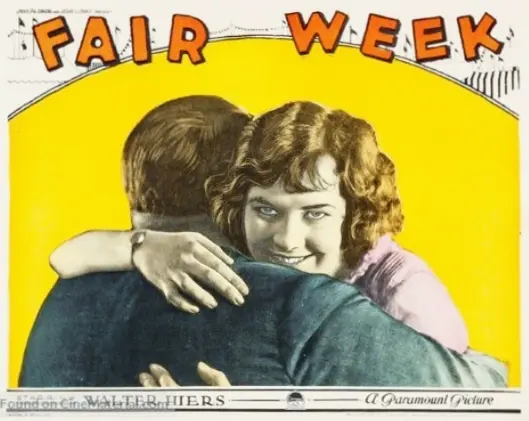
Fair Week weaves a rich tapestry of rural life, love, and intrigue centered around a man of many talents, Slim Swasey, who finds himself not only as a porter and desk clerk at the local hotel but also as a guardian to a young girl, Sally Jo, affectionately known as 'Tinkle'.
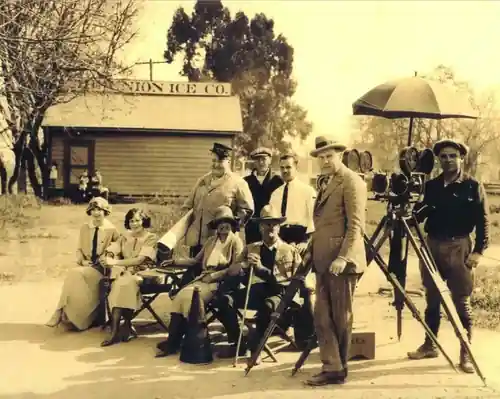
The film opens with a lively scene at the county fair, where Slim, played by Bobbie Mack, is busy with his duties. His bulky frame contrasts with the lively spirit of the fair, where he competes in a pie-eating contest, much to the amusement of the crowd. Despite his jovial exterior, Slim harbors deep feelings for Ollie Remus, the daughter of the respected banker, Jasper Remus, portrayed by J. Farrell MacDonald. However, Ollie's affections are captured by 'Sure Thing' Sherman, a charismatic newcomer with hidden intentions, played by Earl Metcalfe.
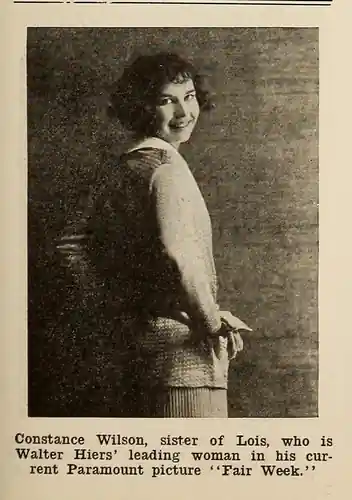
As the fair progresses, the plot thickens with the arrival of Sherman and his accomplice, Isadore Kelly, who masquerade as evangelists to draw attention away from their nefarious plan: to rob the local bank during the fair. Meanwhile, Madame Le Grande, a captivating air balloon stunt performer, keeps the crowd mesmerized, unaware that her true identity is Sally Jo's long-lost mother. Carmen Phillips brings a blend of drama and mystery to this role, her performance adding layers of complexity to the narrative. The juxtaposition of the fair's festive atmosphere and the underlying tension creates a vivid backdrop for the unfolding drama.
The pivotal moment comes when Sally Jo, played by Jane Keckley, discovers her mother's true identity and the impending danger. In a series of suspenseful scenes, she seeks help from Slim, who, in a heartwarming turn, rises to the occasion. The climax of the film is both dramatic and action-packed, as Slim, now a hero, exposes the criminals and saves Sally Jo from the balloon gondola, where she was hidden during the robbery. The resolution is satisfying, with Slim's selfless act leading to a reunion and the restoration of order.

Technically, Fair Week excels in its use of period settings and costumes, which authentically capture the essence of small-town America in the early 20th century. The cinematography, with its focus on the fairground and the tranquil yet bustling town, adds to the film's charm. The performances are largely commendable, with Bobbie Mack's portrayal of Slim bringing warmth and humor to the character, while the supporting cast, including Mary Jane Irving and Knute Erickson, add depth to the narrative.
Comparatively, Fair Week shares thematic similarities with films like Pace That Kills, which also explores the tensions between traditional values and modernity. The inclusion of melodramatic elements, reminiscent of works such as Madame Du Barry and Man by the Roadside, adds a layer of complexity to the storytelling, making it a compelling watch for those interested in early American cinema.
In conclusion, Fair Week is a delightful film that balances romance, comedy, and dramatic tension. It offers a nostalgic glimpse into a bygone era while maintaining a strong narrative that keeps viewers engaged. While it may not be a groundbreaking masterpiece, it is a charming and well-crafted piece of cinema that captures the essence of small-town life and the enduring power of love and redemption.
IMDb —
1924
Community
Log in to comment.