DbcultAccessing Vault...
Cult Review
Senior Film Conservator
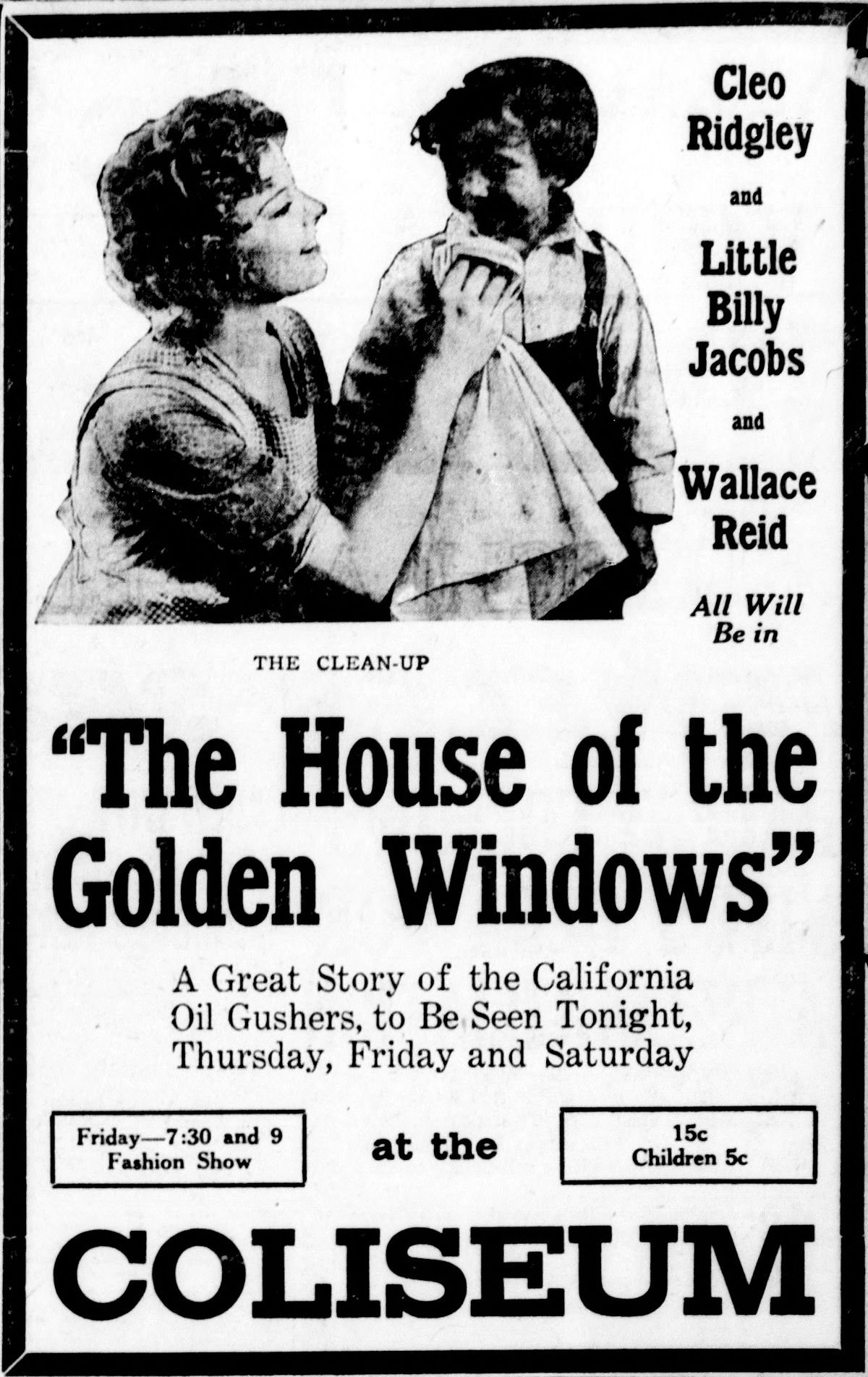
There's a peculiar alchemy to the silent film era, a way it distills universal human desires and anxieties into potent, often melodramatic, cinematic parables. Among these treasures, "The House with the Golden Windows" emerges as a particularly resonant exploration of aspiration, disillusionment, and the often-illusory nature of perceived happiness. It's a film that, despite its vintage, speaks volumes about the enduring human tendency to covet what lies beyond our immediate grasp, often at the peril of appreciating the very real, if humble, comforts we already possess. This isn't just a simple tale of rags to riches, or even a cautionary fable against greed; it's a sophisticated psychological study wrapped in the guise of a domestic drama, culminating in a revelatory twist that challenges our understanding of reality itself. Its prescience in exploring the psychological toll of unbridled ambition, long before such themes became mainstream, is truly remarkable.
At its core, "The House with the Golden Windows" delves into the restless spirit of Sue Wells, portrayed with compelling nuance by the talented Cleo Ridgely. Sue is a woman tethered to a life of unyielding austerity, her days marked by the ceaseless grind of poverty alongside her husband, Tom, a shepherd whose honest labor barely keeps the wolf from the door. Tom's burgeoning illness, a direct consequence of their meager circumstances, only amplifies Sue's profound discontent. Their existence is a constant, stark contrast to the sprawling, sun-drenched grandeur of the Peabody estate, a beacon of wealth and privilege that looms large in their consciousness. This estate, with its eponymous golden windows, becomes more than just a house; it transforms into a potent symbol of everything Sue believes is missing from her life – comfort, status, freedom from financial worry. It's a classic setup, echoing the timeless theme of class disparity that has fueled countless narratives, from literary classics to cinematic explorations of ambition and social climbing. One might draw a parallel to the themes explored in "The Might of Gold", where the very concept of wealth and its corrupting influence is placed under the microscope, though "Golden Windows" adds a unique psychological layer to this familiar dynamic, portraying the golden windows not just as literal objects, but as a metaphor for societal pressure and unattainable ideals.
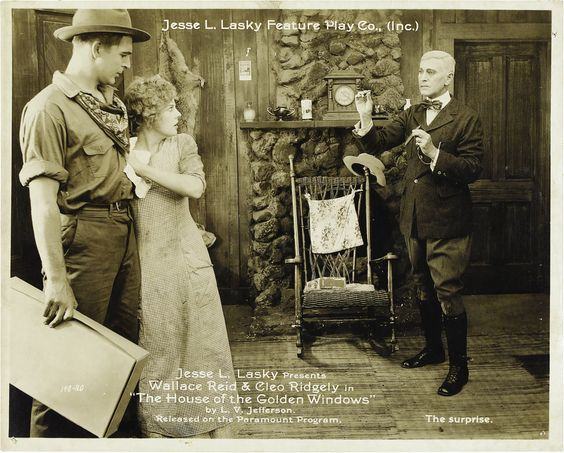
The narrative truly ignites when the Peabodys, the seemingly untouchable proprietors of this opulent domain, depart for a vacation, leaving their fortress of fortune vulnerable. It’s a moment of opportunity that Sue and Tom, driven by a potent cocktail of desperation and burgeoning ambition, seize with audacious resolve. Their scheme is born of ingenuity and a touch of desperation: a meticulously planned check fraud, coupled with the exploitation of a legal loophole embedded within the Peabody's lease agreement. This isn't merely a petty theft; it's a calculated act of usurpation, a bold attempt to rewrite their own destiny by force. The film expertly builds tension as we witness their daring gambit unfold, the audacity of their actions underscored by the immense stakes involved. The visual storytelling of the silent era would have meticulously highlighted their furtive movements and anxious glances, drawing the audience into their escalating deception.
Yet, the most compelling aspect of "The House with the Golden Windows" isn't the acquisition of wealth, but its aftermath. Once Sue and Tom successfully install themselves in the mansion, the promised utopia fails to materialize. The golden windows, once symbols of unattainable bliss, now reflect a profound inner emptiness. Sue, who had yearned for this life with every fiber of her being, finds little solace or genuine happiness within its lavish confines. This emotional dissonance is where the film truly excels, offering a poignant commentary on the often-misguided pursuit of material possessions as a substitute for true contentment. The grand estate, rather than liberating her, becomes a gilded cage of a different sort, trapping her in a cycle of anxiety and unfulfillment. It's a powerful statement, echoing the sentiment that true happiness isn't necessarily found in the accumulation of riches, a theme subtly explored in films like "Bought", where the transactional nature of desire often leaves participants wanting, their acquisitions failing to fill the deeper void. Sue's psychological state during this period of her dream is a masterclass in silent film acting, conveying her growing disillusionment through subtle shifts in expression and posture.
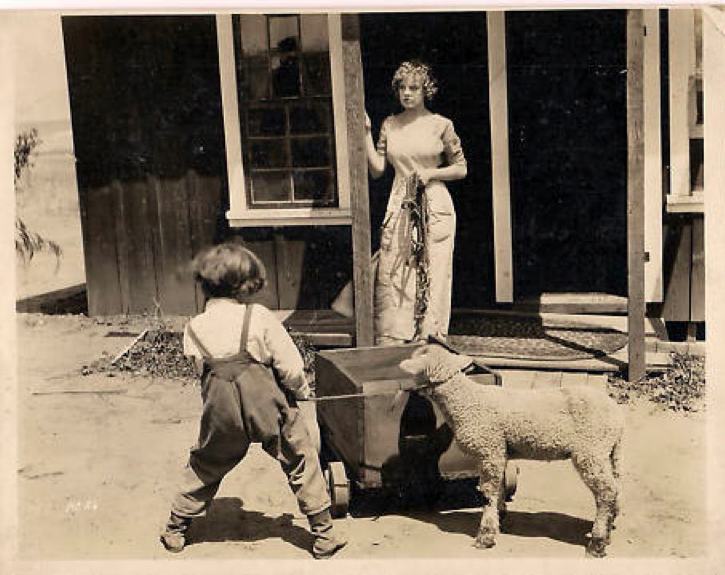
The illusion shatters with dramatic force upon James Peabody's return. James Neill embodies Peabody with a quiet intensity, his discovery of the deception leading to a swift and brutal reprisal. The dream-like sequence takes a decidedly darker turn here, as Peabody, consumed by rage and a sense of betrayal, exacts a horrifying revenge, culminating in the tragic demise of Tom. This sudden, violent escalation serves as a stark reminder of the dangerous paths one treads when venturing beyond moral boundaries, a theme that finds a grim resonance in titles like "On Dangerous Paths". The film doesn't shy away from the severe consequences of their actions, portraying the dream's descent into nightmare with unflinching clarity. As Sue faces what appears to be her own imminent end, the tension becomes almost unbearable, a harrowing climax to her ill-fated ambition. The dream sequence, while fantastical, feels viscerally real due to the profound emotional investment built into Sue's character.
Then, with a masterful stroke of narrative genius, the film delivers its profound twist: Sue awakens. The entire extravagant saga – the fraud, the opulent living, the tragic violence – dissipates into the ephemeral realm of a dream. This revelation is not merely a convenient plot device; it's the very lynchpin of the film's thematic power. It recontextualizes everything that came before, transforming a tale of crime and punishment into a profound meditation on desire, fear, and the subconscious mind. It’s a moment of profound psychological insight, suggesting that Sue’s subconscious, burdened by her poverty and envy, conjured this elaborate fantasy as both an escape and a stern warning. It's a narrative mechanism that, while perhaps common in later cinema, was remarkably potent for its time, demonstrating a sophisticated understanding of human psychology from writers Charles Sarver and L.V. Jefferson. The dream functions as a cathartic exploration of Sue's deepest fears and desires, ultimately guiding her towards a more grounded understanding of true value.
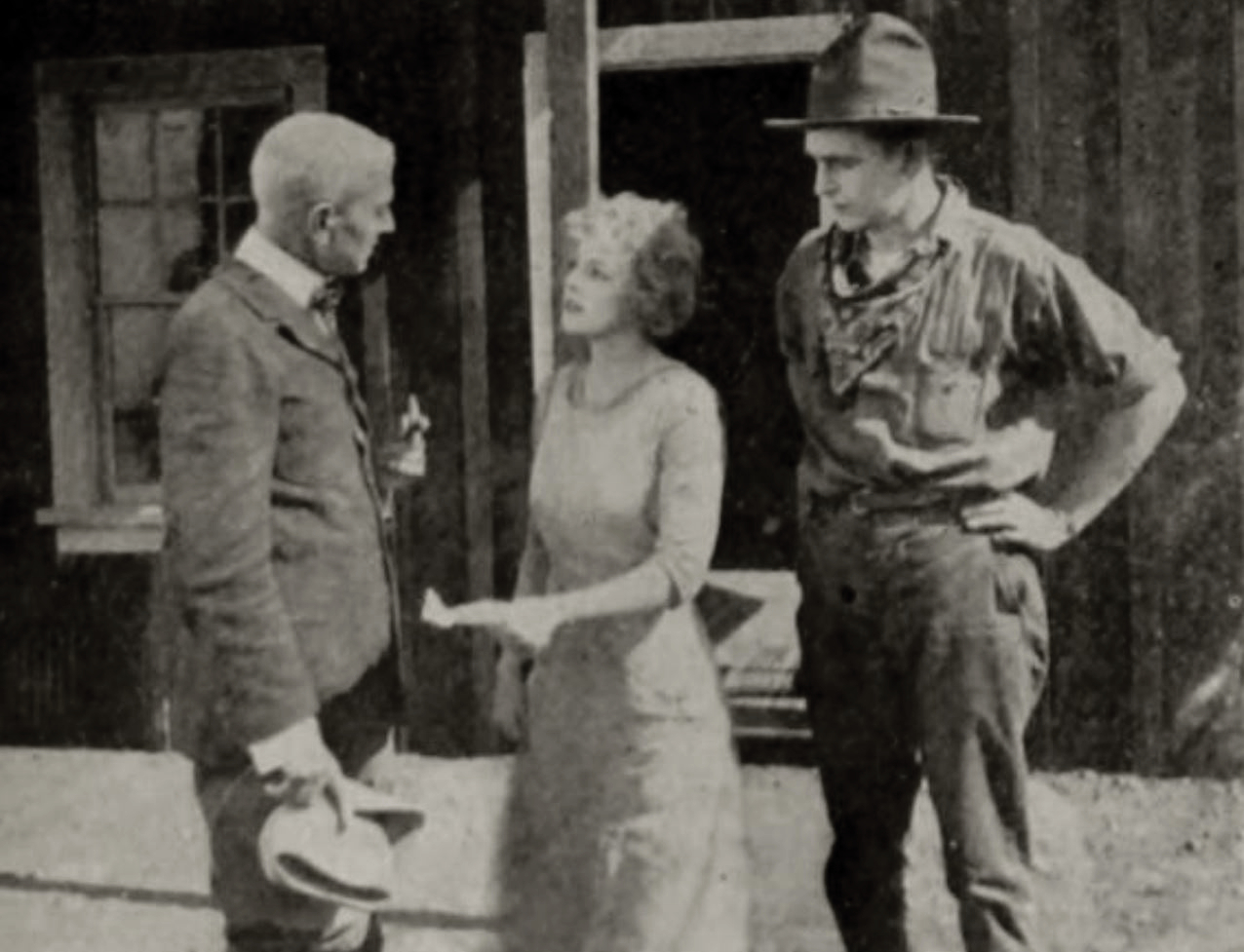
The true brilliance of this ending lies in its immediate follow-up. No sooner has Sue processed the relief of her awakening than the real James Peabody enters, not as an avenging figure, but as a benevolent one. He announces a decision that forever alters Sue's reality: he has appointed Tom, her hardworking husband, as the estate manager. This pivotal moment offers a resolution far more meaningful and sustainable than any dreamt-up fortune. It’s a genuine elevation of their status, earned not through deceit, but through recognition of honest labor and perhaps, a touch of fate. This final twist transforms the film from a simple morality play into a nuanced exploration of how genuine prosperity can manifest, often in ways unexpected and unglamorous, yet deeply satisfying. It underscores the idea that sometimes, the solutions to our anxieties are closer, and more grounded, than our wildest fantasies might suggest. This pragmatic resolution stands in stark contrast to the often-dire consequences portrayed in films that explore moral compromises, such as "The Sacrifice of Pauline", where characters often face inescapable repercussions for their choices. The irony is palpable: the very estate Sue coveted through illicit means is now within their grasp through legitimate, honorable effort.
The effectiveness of "The House with the Golden Windows" hinges significantly on its cast, particularly Cleo Ridgely as Sue Wells. Ridgely delivers a performance that transcends the often-exaggerated gestures of silent cinema. Her portrayal of Sue's initial yearning, her conflicted joy in the mansion, and her terror in the dream's climax is remarkably nuanced. She conveys a complex emotional landscape with subtle facial expressions and body language, allowing the audience to truly empathize with Sue's plight, both real and imagined. She embodies the universal human struggle against circumstance, making Sue's dream feel viscerally real, even before the big reveal. Her ability to project such profound internal states without a single spoken word is a testament to her skill and the expressive power of the silent screen.
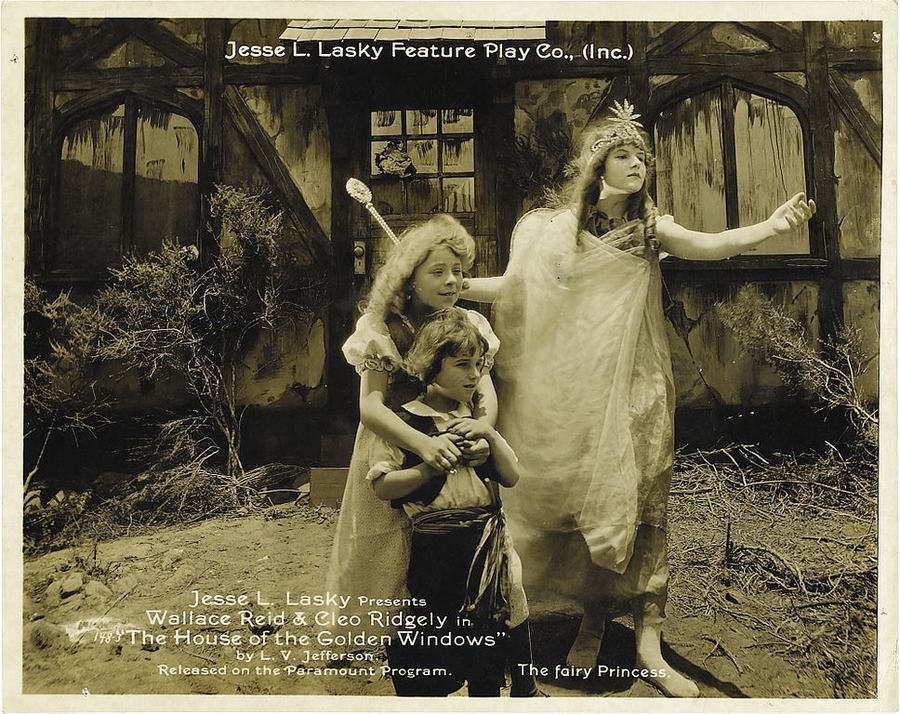
Wallace Reid, as Tom, grounds the film with his portrayal of the hardworking shepherd. His character acts as a foil to Sue's more ambitious nature, representing the simpler, more honest path. While his role is somewhat overshadowed by Sue's internal journey, Reid's presence adds weight to the couple's initial struggles and makes his dream-death all the more impactful, serving as a visceral representation of the ultimate cost of their imagined transgression. James Neill, as Mr. James Peabody, provides the stoic, almost patriarchal presence of wealth and authority. In the dream, he is the terrifying arbiter of justice; in reality, he becomes the unexpected benefactor. Neill navigates these dualities with understated power, making both iterations of his character believable within their respective contexts. The supporting cast, including Billy Jacobs, Edna Mae Wilson, Marjorie Daw, Bob Fleming, and Mabel Van Buren, contribute to the tapestry of this cinematic world, adding layers to the community that surrounds the central drama and enhancing the film's sense of realism.
From a technical standpoint, the film, likely a product of its era's burgeoning cinematic language, would have relied on clear visual storytelling, expressive intertitles, and carefully crafted mise-en-scène to convey its complex narrative and emotional beats. Directors and cinematographers of the period were masters of conveying depth and feeling without spoken dialogue, using lighting, composition, and actor performance to great effect. The contrast between the humble abode of the Wells and the grandeur of the Peabody estate would have been visually striking, emphasizing the class divide that fuels Sue's desires. This visual dichotomy is fundamental to the film's message, much like how the stark settings in "The Iron Hand" underscore its themes of power and control. The use of close-ups to capture Ridgely's nuanced emotions would have been crucial, drawing the audience into her internal struggle. The pacing, often a hallmark of silent films, would have been deliberate, allowing the emotional weight of each scene to fully land.
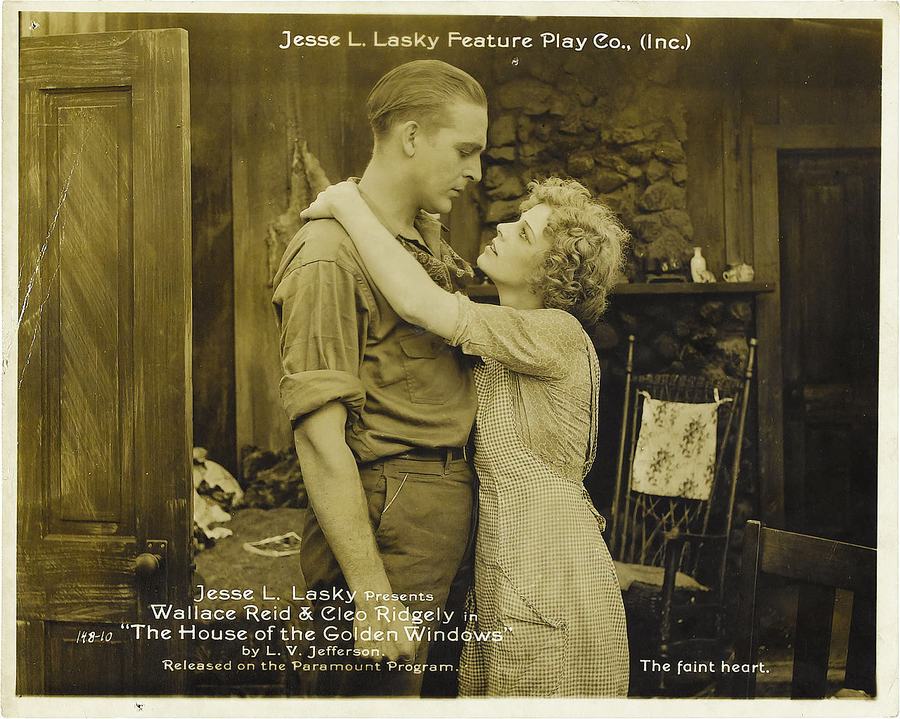
The narrative structure, particularly the dream sequence and its subsequent debunking, showcases a sophisticated approach to storytelling that moves beyond simple linear progression. This kind of psychological depth was not always common in early cinema, making "The House with the Golden Windows" stand out. It anticipates later cinematic techniques that would delve deeper into the subconscious, exploring internal states rather than just external actions. The film's ability to maintain suspense and emotional investment throughout Sue's dream, only to pull the rug out from under the audience with the awakening, is a testament to the skill of its writers, Charles Sarver and L.V. Jefferson. Their work demonstrates an acute understanding of human psychology and narrative manipulation, creating a timeless piece that continues to provoke thought. The transition from dream to reality, if handled subtly, would have been a powerful artistic statement, showcasing the evolving artistry of early filmmakers in crafting compelling, layered narratives.
In an age where material desires are constantly amplified by media, "The House with the Golden Windows" retains a striking contemporary relevance. It serves as a potent reminder that the grass isn't always greener on the other side, and that the pursuit of perceived glamour can often lead to greater unhappiness than the humble reality one seeks to escape. The film’s ultimate resolution, where honest work and recognition provide genuine security, rather than illicit gain, offers a refreshing and enduring moral. It’s a message that resonates deeply, urging us to find contentment in our present circumstances while working towards legitimate betterment, rather than succumbing to the siren call of quick, dishonest gains. This profound exploration of human nature and societal values places it alongside other thought-provoking silent films that tackled complex issues, such as "The Mystery of Room 13", which similarly delves into deception and the psychological impacts of hidden truths. The film's conclusion isn't a simplistic 'happily ever after' but a more profound statement on the nature of true fulfillment.
The film doesn't just entertain; it gently prods the viewer to consider their own aspirations and the true sources of their happiness. Is it the golden windows of a distant mansion, or the warmth and stability of a life built on integrity? This silent masterpiece, with its compelling performances, ingenious plot twist, and timeless message, stands as a testament to the power of early cinema to explore the intricate labyrinth of the human heart. It’s a film that lingers long after the final intertitle, prompting reflection on the dreams we chase and the realities we often overlook. Its ability to weave a compelling narrative around such profound themes, culminating in a satisfying and morally resonant conclusion, solidifies its place as a significant, if perhaps underappreciated, work of early cinematic art. The journey of Sue Wells, from restless longing to a dream-induced nightmare and finally to a grounded, hopeful reality, offers a powerful, enduring lesson for us all, proving that sometimes, the greatest treasures are found not in what we acquire, but in what we learn to appreciate.
IMDb 4.8
1933
Community
Log in to comment.