DbcultAccessing Vault...
Cult Review
Senior Film Conservator
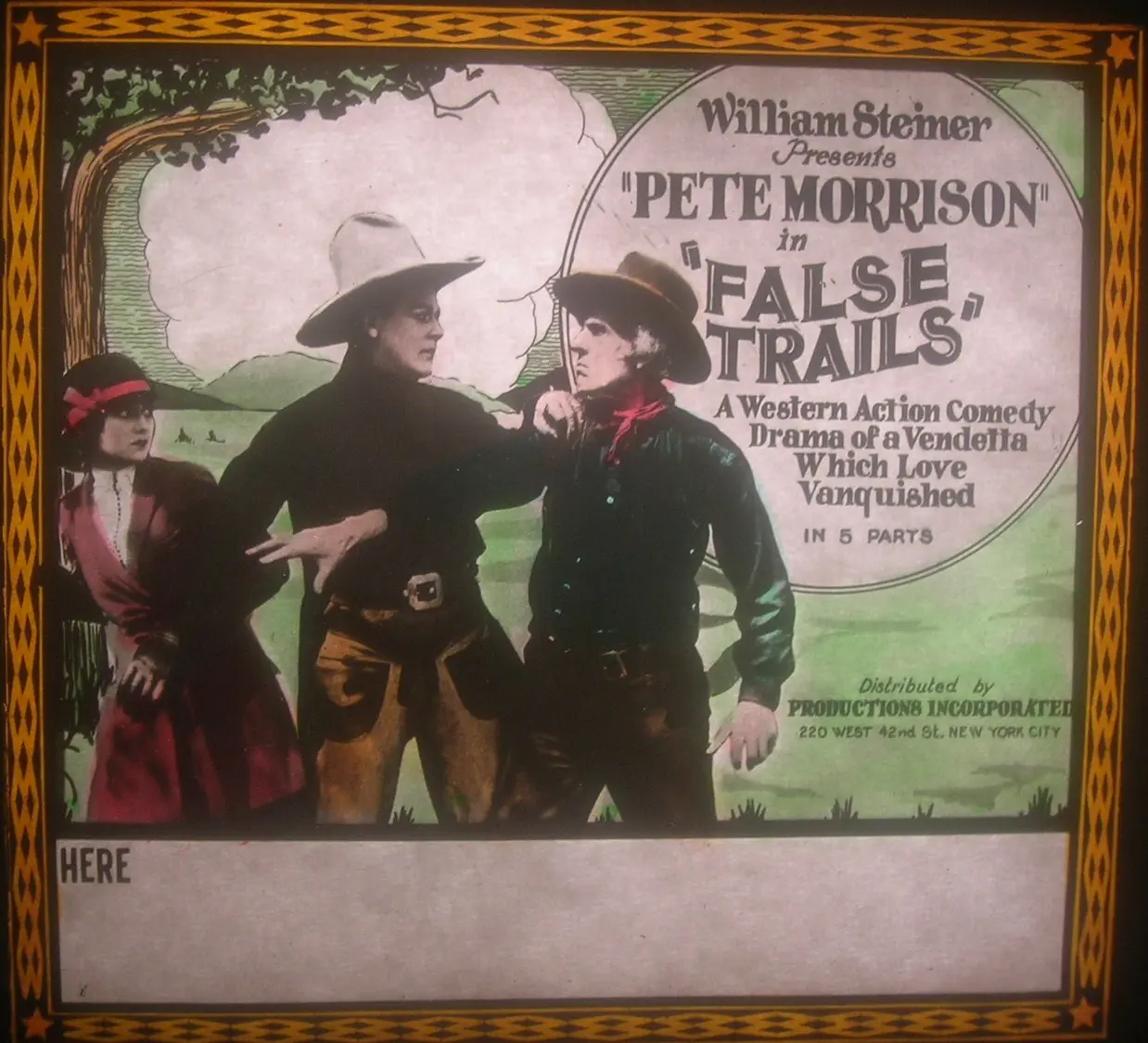
Ah, the grand tapestry of early cinema, often woven with threads of stark morality and raw human emotion. Among these, False Trails emerges not merely as a relic of its era, but as a compelling exploration of how deeply seeded vengeance can warp perception and, ultimately, how truth, however belated, can dismantle the most entrenched animosities. From its opening frames, the film plunges us headlong into a maelstrom of tragedy and deceit, setting a tone that is both somber and relentlessly driven. The narrative pivots on the devastating loss suffered by Stewart Larsen, a man whose life is irrevocably altered by the callous machinations of Chet Ogden. Ogden, a character painted with the darkest hues of villainy, leverages his position as a foreman and supposed cattle expert to orchestrate a cruel deception. He falsely condemns Larsen's prized cattle as diseased, a calculated maneuver to facilitate their illicit sale across the border into Mexico. This act of economic sabotage is compounded by the murder of Larsen’s son, Bud, at Ogden's hand, cementing a primal wound that festers into an all-consuming desire for retribution. The very title, "False Trails," serves as a potent metaphor for the narrative's central conceit: the deliberate misdirection of blame, the winding paths of misunderstanding, and the arduous journey toward uncovering an obscured truth. It’s a title that perfectly encapsulates the labyrinthine nature of the plot, where justice is not a straightforward path but a treacherous, winding road fraught with peril and mistaken identities.
The immediate aftermath of Bud's death and the ruinous loss of his herd sees Larsen's grief contorted into a burning, misdirected fury. He erroneously implicates Don Felipe Ortega, the esteemed owner of El Cajón Rancho and president of the Cattlemen's Association—the very institution Ogden so cynically exploited. This initial misattribution of guilt is the spark that ignites a protracted and bloody feud, transforming Larsen from a grieving father into the formidable and feared figure known only as "The Son of the Wolf." Years of simmering resentment and relentless pursuit reshape Larsen, hardening him into a relentless force, leading a gang that terrorizes the countryside. His transformation is a chilling testament to the corrosive power of unaddressed sorrow and the intoxicating allure of vengeance. The film, through its stark portrayal, invites us to ponder the psychological toll such a quest takes, not just on the avenger, but on the fabric of the community itself. Larsen's journey from victim to aggressor, albeit one born of profound injustice, is a compelling character arc that resonates with the timeless themes of classical tragedy. One might draw a thematic parallel here to the relentless pursuit of justice, or what is perceived as justice, seen in other Westerns where a central figure is driven by personal loss, much like the focused intensity found in, say, a character's journey in The Cactus Kid, even if the specifics of their quests diverge.
The plot thickens with the introduction of Jim, Larsen's foster son, who becomes an unwitting pawn in this escalating drama. Wounded and captured by Ortega's men, Jim finds himself under the care of Ortega’s compassionate daughter, Ynez. This unexpected turn of events is a masterstroke of narrative irony, placing the son of the avenger directly into the bosom of the perceived enemy. Ynez's tender nursing of Jim back to health is a pivotal moment, subtly introducing a counter-narrative of healing and human connection amidst the pervasive hostility. It’s a delicate thread of empathy woven into a tapestry of violence, suggesting the possibility of transcending the generational animosity. The burgeoning, unspoken bond between Jim and Ynez hints at a potential for reconciliation that stands in stark contrast to the destructive path Larsen has chosen. This dynamic provides a much-needed emotional anchor, reminding the audience that even in the bleakest of circumstances, humanity’s capacity for kindness and understanding persists. The film beautifully contrasts the raw, untamed wilderness of the external conflict with the nascent, tender wilderness of their developing relationship.
As fate would have it, a garbled report reaches Larsen, suggesting Jim's betrayal—an understandable misinterpretation given Jim's proximity to the Ortega household. This fuels Larsen's already raging inferno of wrath, prompting a direct confrontation with Ortega. The stage is set for a tragic climax, where the cycle of violence threatens to claim another innocent life. However, it is Jim, now recovered and understanding the true gravity of the situation, who intervenes, preventing his foster father from committing a grave injustice. This moment is critical, showcasing Jim's moral fortitude and his refusal to be consumed by the same vengeful spirit that drives Larsen. His actions are not only a testament to his own character but also a crucial turning point in the larger narrative, diverting the course of a seemingly inevitable tragedy. The ensuing escape attempt, fraught with tension and desperate gambles, culminates in a brutal confrontation where Larsen finally faces the true architect of his suffering: Chet Ogden. In a cruel twist of fate, it is Ogden who delivers the fatal blow to Larsen, effectively closing the circle of violence he himself initiated years prior. The irony is palpable, the poetic justice grim. This moment underscores the film's nuanced portrayal of justice—it's not always clean, nor is it always delivered by the hands we expect. The scene’s raw intensity echoes the visceral confrontations found in other genre pieces, perhaps even the desperate struggles for survival seen in In the River, though the contexts are vastly different.
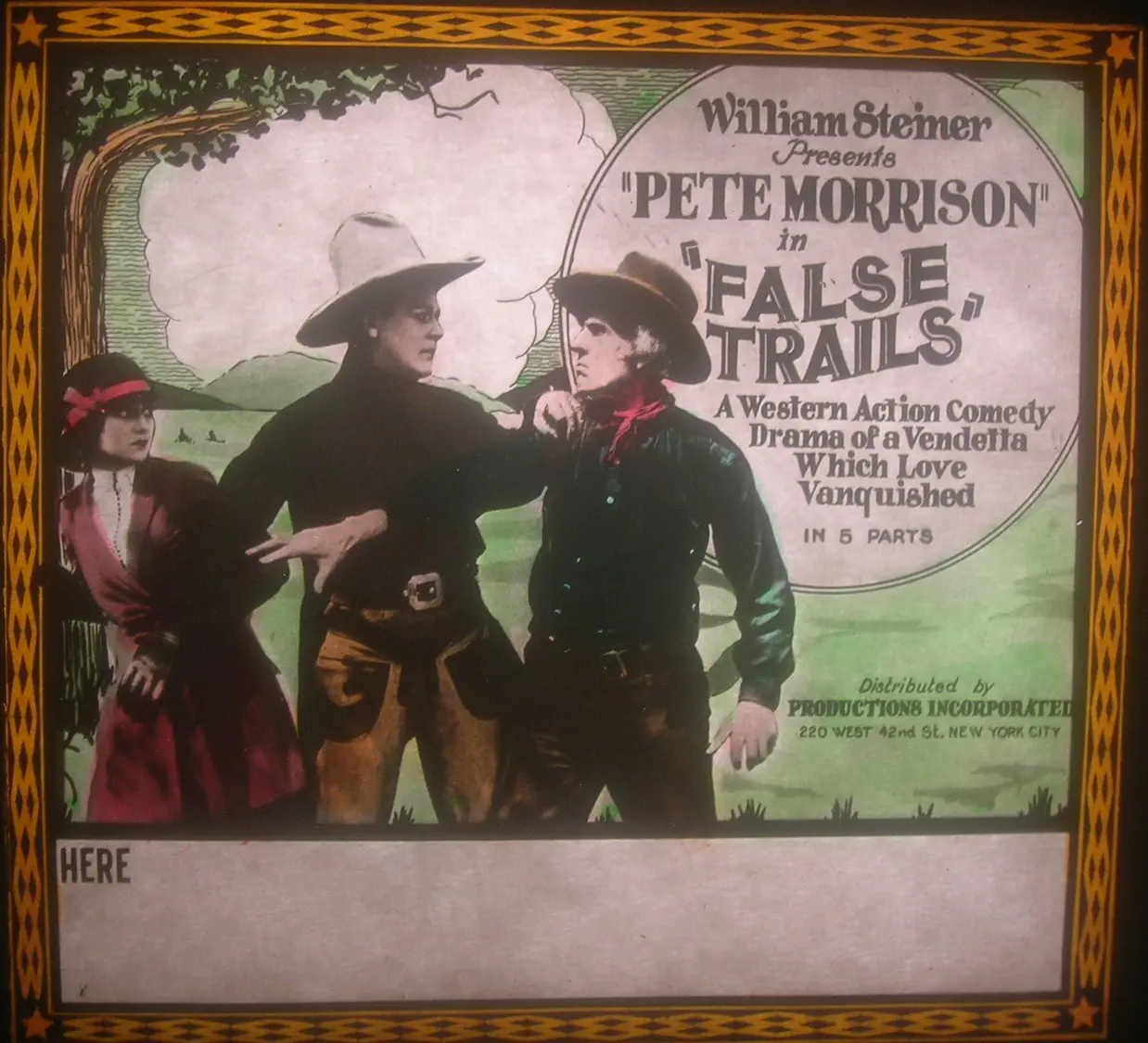
The immediate aftermath sees Jim, now propelled by a righteous fury and a desire to avenge his fallen foster father, pursuing Ogden. Their final confrontation is a visceral, unyielding struggle that culminates with Ogden plunging to his death, a fittingly dramatic end for the film’s central villain. This final act of justice, though brutal, feels earned, providing a cathartic release for both the characters and the audience. Yet, the film's true genius lies not just in the resolution of the physical conflict, but in the subsequent unveiling of the truth. Ogden's accomplice, the aptly named Hippy Jake, makes a deathbed confession to the dying Larsen, finally exposing Ogden's original perfidy and the true genesis of the long-standing feud. This revelation, delivered at the eleventh hour, is a powerful narrative device. It provides Larsen with a measure of peace in his final moments, a grim understanding that his vengeance, though misdirected for so long, was born from a legitimate grievance. The titular "false trails" are finally illuminated, revealing the true villain and the true victim. This moment of clarity, while heartbreakingly late for Larsen, serves as the ultimate reconciliation for the audience, providing a sense of closure to the intricate web of deception. The dramatic weight of such a confession, revealing long-held secrets, can be compared to the unraveling of complex plots in films like An Affair of Three Nations, where hidden truths are paramount to the resolution.
Larsen succumbs to his wounds, his death marking the end of the vengeful cycle. His passing, however tragic, paves the way for a poignant, albeit bittersweet, reconciliation among the surviving parties. The film doesn't shy away from the harsh realities of its world, but it ultimately champions the idea that truth, even when it arrives late, has the power to heal and reconcile. The resolution is not one of unbridled joy, but of quiet understanding and the promise of a future unburdened by past deceptions. This nuanced ending elevates False Trails beyond a simple Western revenge tale, imbuing it with a depth that lingers long after the credits roll. Forrest Sheldon's screenplay, while adhering to many genre conventions of the time, manages to inject a sophisticated emotional complexity that truly sets it apart. The characters, though archetypal in some respects, are imbued with enough human frailty and conviction to feel real, their struggles resonating with universal themes of loss, justice, and redemption. The film's pacing, especially for an early silent feature, is remarkably taut, building tension steadily and delivering its climactic moments with impactful precision. The performances, particularly Pete Morrison as the tormented Larsen, convey a profound emotional range through gesture and expression, a testament to the artistry required in silent film acting. Dorris Dare as Ynez provides a delicate counterpoint to the masculine aggression, embodying grace and quiet strength.
The visual storytelling, a cornerstone of silent cinema, is particularly effective in False Trails. The vast, unforgiving landscapes of the American West are not merely backdrops but active participants in the drama, mirroring the ruggedness and moral ambiguity of the characters. The stark contrasts between light and shadow, typical of the era, are utilized to great effect, emphasizing moments of moral clarity and the murky depths of deception. The director’s choices in framing and composition guide the audience’s eye, ensuring that every significant gesture, every subtle expression, contributes to the overarching narrative. The film, in its construction, feels less like a series of events and more like a carefully orchestrated ballet of emotions and motivations. It demonstrates a sophisticated understanding of how to build suspense and deliver catharsis without relying on spoken dialogue. In an era where films were often simpler in their narrative ambitions, False Trails distinguishes itself by tackling complex moral quandaries and delivering a resolution that, while satisfying, doesn't gloss over the immense human cost of the conflict. It’s a testament to the enduring power of storytelling, proving that even a century ago, filmmakers were capable of crafting narratives that challenged, engaged, and moved audiences on a profound level.
Reflecting on its place within the broader cinematic landscape, False Trails stands as a compelling example of the Western genre's capacity for moral depth. It transcends mere escapism, offering a poignant commentary on the dangers of unchecked anger and the importance of truth. The film's exploration of misdirected vengeance, and the eventual unmasking of the true villain, provides a powerful lesson in discernment. It reminds us that appearances can be deceiving, and that the path to justice is often obscured by deliberate obfuscation. This theme of uncovering hidden truths, of peeling back layers of deceit, is a timeless one, echoing through countless narratives across different genres, from the dramatic revelations of

IMDb 6
1931
Community
Log in to comment.