DbcultAccessing Vault...
Cult Review
Senior Film Conservator
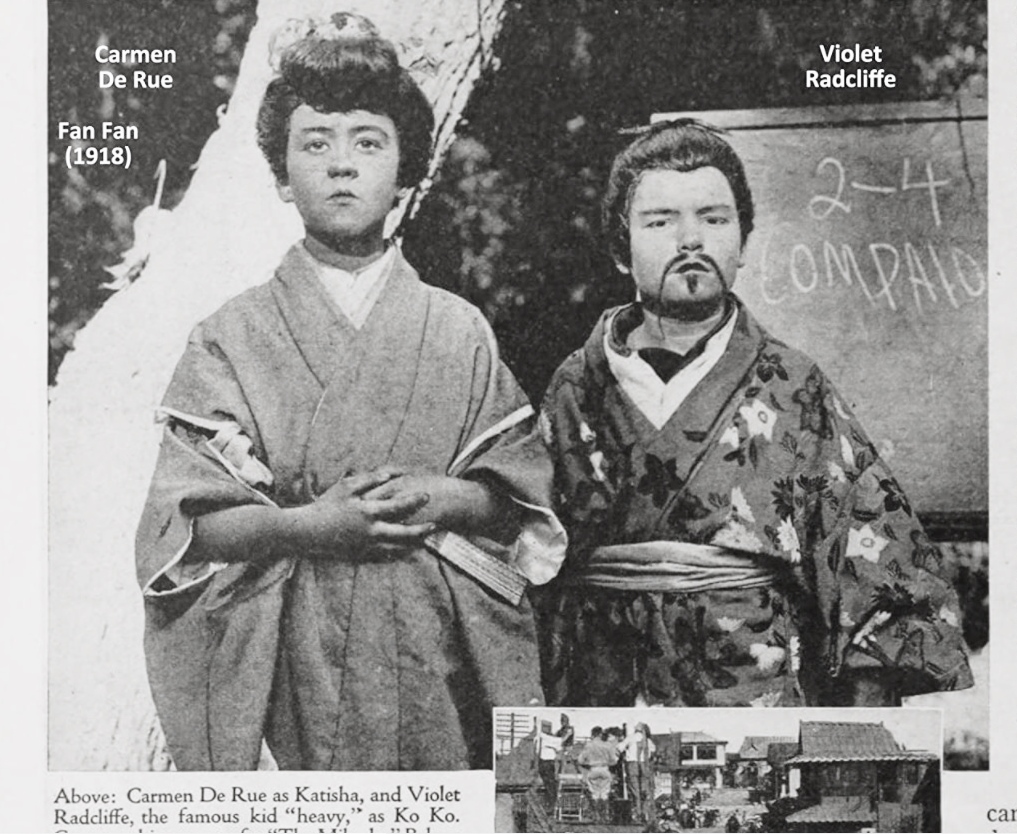
Stepping back into the nascent days of cinema, one occasionally unearths a gem that, despite its age and the technical limitations of its era, still sparkles with an undeniable charm and narrative vigor. Such is the case with 1914's Fan Fan, a silent film that, with its blend of royal romance, daring elopement, and a healthy dose of comedic comeuppance, offers a delightful glimpse into the storytelling sensibilities of a bygone age. It’s a testament to the enduring power of classic themes: love, defiance, and the ultimate triumph of the heart over rigid convention. This isn't just a historical curiosity; it's a vibrant, engaging piece of early filmmaking that still resonates with its core message of pursuing happiness against all odds, showcasing the foundational elements of visual narrative before the advent of synchronized sound.
At the core of Fan Fan lies a narrative as old as time, yet presented with a fresh, youthful energy that feels remarkably modern. We are introduced to Prince Hanki Pan, portrayed with earnest charm by Francis Carpenter, a young actor whose expressive eyes and gestures convey a depth of emotion often challenging to capture without dialogue. Hanki Pan is the heir apparent, burdened by the weight of imperial expectation and tradition, his life meticulously charted by ancestral decrees. His father, the Emperor, has preordained a marriage that would secure alliances or uphold ancient customs, but certainly not one born of affection. The intended bride? The Ancient and Honorable Lady Shoo, a character whose very description in the film's intertitles, and the visual portrayal, hints at a formidable, if not entirely appealing, presence, designed to emphasize the prince's predicament. This setup immediately establishes a classic conflict: duty versus desire, crown versus heart. Hanki Pan’s predicament is instantly relatable, transcending the specific cultural setting to touch upon universal struggles of personal autonomy in the face of societal pressure, a theme that resonates across centuries and cultures.
But Hanki Pan's heart is already claimed, irrevocably so, by the exquisite Fan Fan, brought to life with captivating grace by Virginia Lee Corbin. Corbin, even at such a tender age, possesses a screen presence that is both delicate and determined. Her Fan Fan is not merely a damsel in distress; she is the catalyst for the prince's rebellion, the embodiment of the love he is willing to risk everything for. Their clandestine romance, hinted at through stolen glances and secret meetings, builds a palpable tension that early cinema excelled at conveying through exaggerated yet sincere pantomime. The film, through its visual storytelling, masterfully communicates the profound connection between these two young lovers, making their eventual defiance not just understandable, but entirely sympathetic, inviting the audience to root for their audacious pursuit of happiness.
The decision to elope is, for Hanki Pan, an act of supreme courage, a renunciation of his birthright for the sake of true love. This pivotal moment is handled with a sense of urgency and romantic adventure that propels the narrative forward, often relying on rapid cuts and heightened acting to convey the thrill of the escape. Their flight isn't merely a physical departure; it's a symbolic declaration of independence, a bold step into the unknown. The world they find themselves in after abandoning the gilded cage of the palace is one of humble artistry and hard-won freedom. They find employment as entertainers at the picturesque Wisteria Gardens, a setting that, even in monochrome, evokes a sense of natural beauty and bohemian spirit. Here, their love can flourish openly, away from the prying eyes of imperial court and the suffocating weight of expectation. This period of their lives, though brief, is crucial; it showcases their resilience and the strength of their bond, proving that their love isn't just a fleeting fancy but a profound commitment forged in shared adversity.
The Wisteria Gardens become a temporary sanctuary, a vibrant stage where their talents as performers allow them to blend into a new society. It's a charming interlude, illustrating the universal human desire for self-expression and the simple joys of a life lived on one's own terms, free from the strictures of royalty. This segment of the film, though lacking spoken dialogue, uses movement, gesture, and the ambient atmosphere suggested by the set design and perhaps accompanying live music to convey a sense of peaceful, albeit precarious, happiness. It's a stark contrast to the rigid formality of the court, emphasizing what Hanki Pan has gained by sacrificing his royal status. The screenplay, co-written by W.S. Gilbert and Bernard McConville, demonstrates a keen understanding of dramatic pacing, allowing these moments of quiet joy to breathe before the inevitable reintroduction of conflict, a testament to their theatrical backgrounds translating effectively to the burgeoning cinematic medium.
No romantic comedy is complete without its antagonists, and Fan Fan delivers a memorable pair whose motivations are as clear as they are comically petty. Lady Shoo, the spurned fiancée, is not content to simply fade into the background; her relentless pursuit, driven by a potent blend of wounded pride and perhaps a peculiar sense of entitlement to her royal match, adds a layer of comedic menace to the narrative. She is joined by Fan Fan's own rejected suitor, the Chief Executioner, a character whose official title alone promises a certain degree of gravitas, which is then delightfully undermined by his rather personal and vindictive motivations. This duo forms an unlikely, yet effective, force of opposition, their pursuit adding a thrilling chase sequence that keeps the audience on the edge of their seats, a staple of early cinematic excitement.
The interplay between Lady Shoo and the Chief Executioner is particularly engaging, showcasing the film's capacity for character-driven humor. They represent the forces of tradition and personal grievance, respectively, combining their efforts to reclaim what they believe is rightfully theirs. The Executioner, in particular, embodies a darkly humorous threat, his professional role clashing with his personal vendetta. His plan to behead Hanki Pan is a stark reminder of the stakes involved, raising the tension considerably, yet his exaggerated expressions and clumsy pursuit often inject a strong element of physical comedy. Even in these moments of peril, the film maintains a light touch, assuring the audience that justice, in some form, will prevail. The film’s ability to balance genuine threat with an underlying comedic sensibility is one of its great strengths, a hallmark of well-crafted storytelling that can be seen in later works that blend genres seamlessly, always with an eye towards audience engagement and satisfaction.
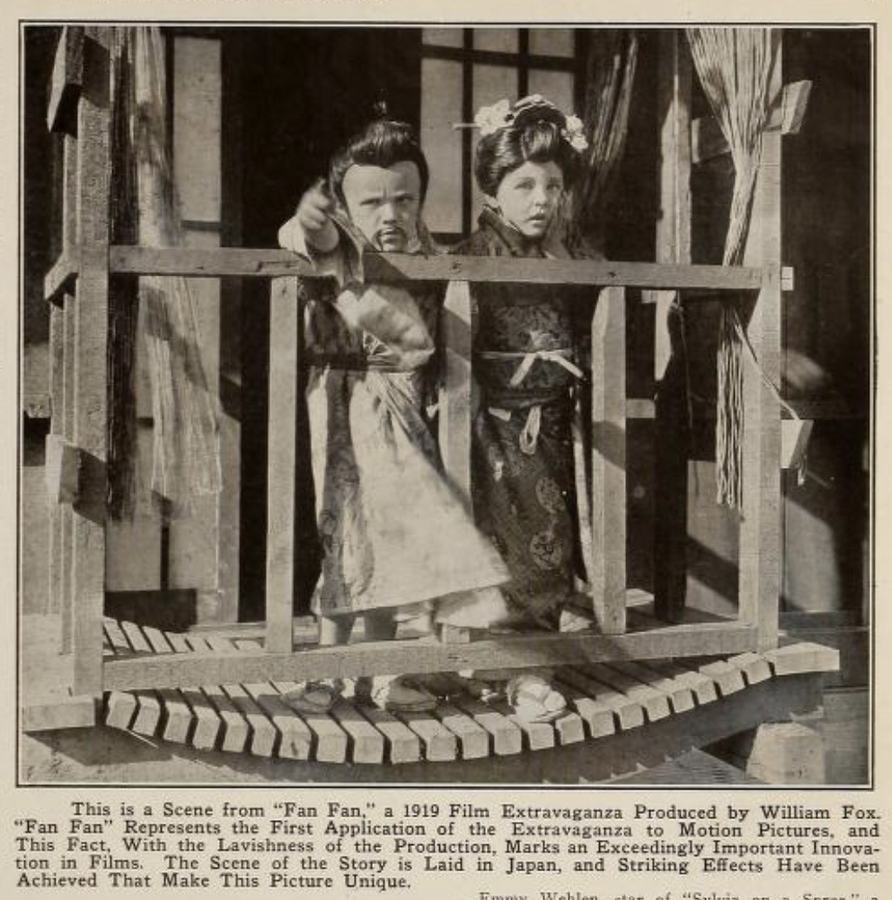
The climax of Fan Fan is a masterclass in comedic resolution, a moment that deftly turns impending tragedy into triumph and humor. Just as the Chief Executioner prepares to carry out his grim sentence, wielding the very symbol of his office, the Emperor intervenes. This arrival is not merely a Deus ex machina; it's the culmination of the narrative's exploration of justice and authority, revealing a more nuanced character than initially presented. The Emperor, initially depicted as a figure of rigid tradition and stern decree, reveals a surprising depth of character, demonstrating wisdom and a perhaps even a touch of paternal affection for his wayward son. His discovery of the plot against Hanki Pan shifts the power dynamic entirely, turning the tables on the villain in a most satisfying and ironic manner.
The Emperor's verdict is ingenious: the Chief Executioner must choose between the sword—his own instrument of demise—or marriage to the very Lady Shoo he has been aiding. This twist is pure comedic gold, a stroke of narrative brilliance that delivers poetic justice while simultaneously providing a genuinely unexpected and humorous resolution. It's a choice that perfectly encapsulates the film's playful spirit, transforming a moment of high drama into one of delightful irony, where the villain's own machinations lead to his most unexpected fate. Joseph Singleton as the Executioner likely had a field day with this scene, his reactions undoubtedly providing much of the film's silent comedy, a performance relying heavily on facial contortions and frantic gestures. This kind of clever, redemptive twist is reminiscent of the moral quandaries and satisfying resolutions found in early operettas, underscoring the film's theatrical roots and its commitment to a feel-good conclusion.
For a silent film, the success of the narrative hinges entirely on the expressive capabilities of its cast, and Fan Fan is blessed with a talented ensemble whose every gesture, glance, and movement tells a story. Francis Carpenter, as Prince Hanki Pan, projects an earnestness and youthful idealism that makes his romantic plight utterly convincing. His grand yet sincere gestures perfectly convey the turmoil of a prince torn between duty and love, his longing for Fan Fan palpable through his every on-screen action. Virginia Lee Corbin, as Fan Fan, is equally compelling. Her portrayal balances vulnerability with an inner strength, making her a worthy object of the prince’s devotion and a character who actively participates in her own destiny, rather than passively awaiting rescue. Their on-screen chemistry, though conveyed through a series of glances and physical proximity, is palpable and forms the emotional backbone of the film, selling the central romance with conviction.
The supporting cast also deserves commendation for their crucial contributions to the film's overall fabric. While specific details of their performances might be lost to time or the brevity of their roles, the overall effectiveness of the narrative suggests strong, committed portrayals. The comedic timing of the actors portraying Lady Shoo and the Chief Executioner would have been crucial for the film's lighter moments, their exaggerated reactions providing significant comic relief. Violet Radcliffe, Gertrude Messinger, Raymond Lee, and the other young actors like 'Baby' Carmen De Rue, Lewis Sargent, Joe Grant, and Buddy Messinger undoubtedly brought a lively energy to the Wisteria Gardens scenes, creating a vibrant backdrop for the main romance. These early child actors often possessed an unvarnished naturalism that lent authenticity to their roles, a quality that is still appreciated today. The collective efforts of this ensemble elevate Fan Fan beyond a simple plot outline into a genuinely engaging cinematic experience, a testament to the collaborative art of early filmmaking.
Ultimately, Fan Fan concludes with the satisfying resolution that all good romantic comedies promise. Hanki Pan and Fan Fan are reunited, their love having weathered the storm of imperial decree, daring elopement, and vengeful pursuit. Their happy ending feels earned, a testament to their perseverance and the power of their bond, leaving the audience with a warm sense of contentment. And in a delightful stroke of irony, Lady Shoo, far from being a tragic figure, finds unexpected marital bliss with the Chief Executioner. This twist ensures that even the 'villains' receive a form of happy ending, albeit one born of comedic circumstance rather than romantic passion, reinforcing the film's lighthearted tone and its commitment to universal satisfaction. It echoes the sentiment of films like Kärleken segrar (Love Triumphs), where the power of affection ultimately overcomes all obstacles, albeit often through different narrative mechanics and cultural lenses.
The film, directed with a clear vision, uses the visual language of early cinema to great effect. The pacing is brisk, the emotions clear, and the narrative threads neatly tied, all communicated through evocative imagery and well-placed intertitles that guide the viewer through the story. It’s a beautifully constructed piece of storytelling that doesn't rely on complex symbolism or avant-garde techniques, but rather on the timeless appeal of its characters and plot, proving the effectiveness of direct, heartfelt narrative. The contributions of writers W.S. Gilbert and Bernard McConville are evident in the well-structured narrative and the clever resolution, showcasing their ability to craft compelling stories for the screen, even in its nascent form. One might even draw parallels to the spirited escapades and romantic entanglements seen in works like My Lady's Slipper, where historical settings often provide a rich tapestry for tales of love and adventure, emphasizing the universality of these narrative tropes.
Watching Fan Fan today is more than just a historical exercise; it’s an opportunity to appreciate the foundational elements of cinematic storytelling. It reminds us that compelling narratives, engaging characters, and well-executed humor have been the bedrock of film since its earliest days, long before the complexities of sound or color. The film's ability to elicit genuine emotion and laughter without the aid of spoken dialogue is a testament to the skill of its creators and performers, who mastered the art of visual communication. It showcases the power of silent storytelling, where a raised eyebrow, a desperate dash, or a triumphant embrace speaks volumes more than any line of dialogue ever could. The film doesn't preach; it simply entertains, drawing the audience into its charming world with effortless grace and timeless appeal.
In an age where cinematic experiences are often defined by dazzling special effects and complex, multi-layered narratives, Fan Fan stands as a delightful reminder of cinema's simpler, yet profoundly effective, beginnings. It’s a film that proves that a well-told story, universal themes, and charismatic performances are truly timeless, capable of captivating audiences across generations. For anyone interested in the evolution of film, or simply looking for a heartwarming and amusing escape into a past era, Fan Fan is an absolute must-see. It's a joyful, spirited adventure that celebrates love's triumph, leaving the viewer with a smile and a renewed appreciation for the enduring magic of the silver screen. It’s a vibrant snapshot of a moment when cinema was truly finding its voice, and what a charming and articulate voice it was, speaking volumes without uttering a single word.
IMDb 7.4
1935
Community
Log in to comment.