DbcultAccessing Vault...
6.9/10
Senior Film Conservator
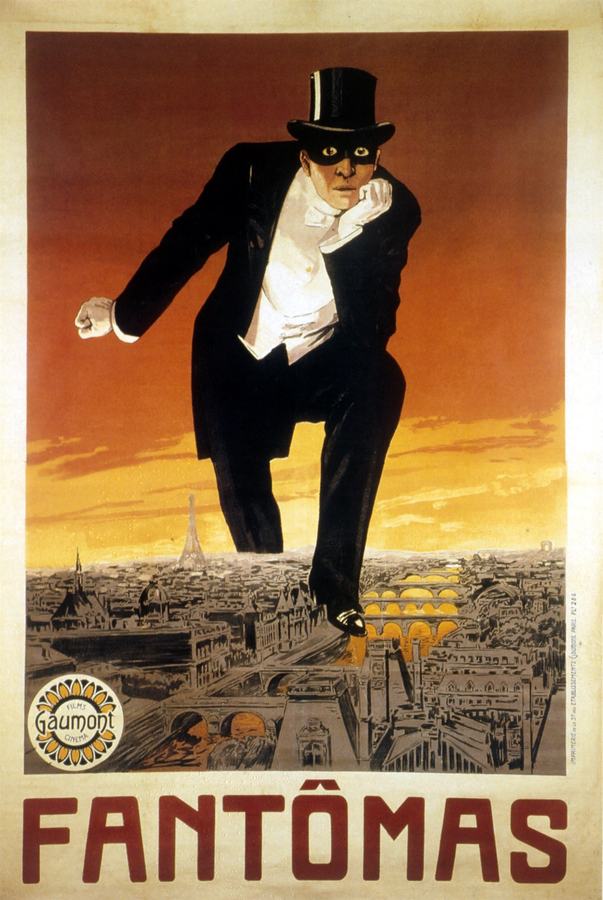
A definitive 6.9/10 rating for a film that redefined the boundaries of cult cinema. Fantômas: In the Shadow of the Guillotine remains a cornerstone of transgressive art.
The film Fantômas: In the Shadow of the Guillotine is a masterclass in suspense and intrigue, with a complex narrative that keeps viewers on the edge of their seats. At the center of the story is the enigmatic Fantômas, a criminal genius with a talent for disguise and deception. With his ability to blend seamlessly into his surroundings, Fantômas is a formidable foe, always staying one step ahead of his pursuers.
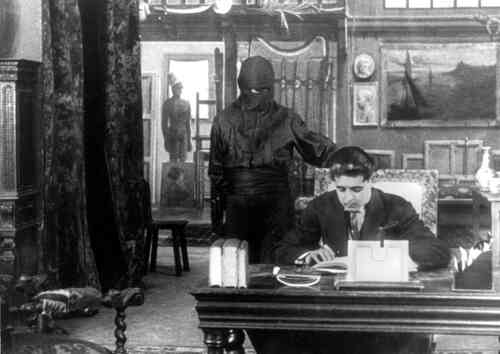
Inspector Juve, played by René Navarre, is the perfect foil to Fantômas' cunning and ruthlessness. A brilliant detective with a keen mind and a sharp instinct, Juve is determined to bring Fantômas to justice, no matter the cost. As the game of cat and mouse between the two intensifies, the stakes grow higher, and the tension builds to a thrilling crescendo.
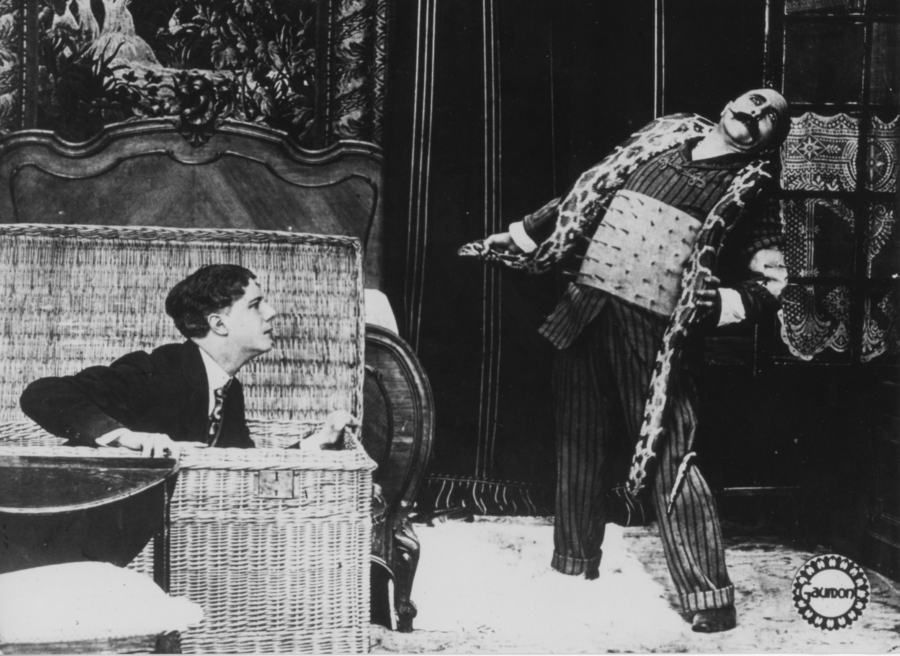
One of the most striking aspects of the film is its use of disguise and deception as a central theme. Fantômas' ability to change his appearance at will allows him to move undetected through Parisian society, leaving a trail of chaos and destruction in his wake. This theme is echoed in the film's use of multiple identities and personas, as characters assume different roles and guises in order to achieve their goals.
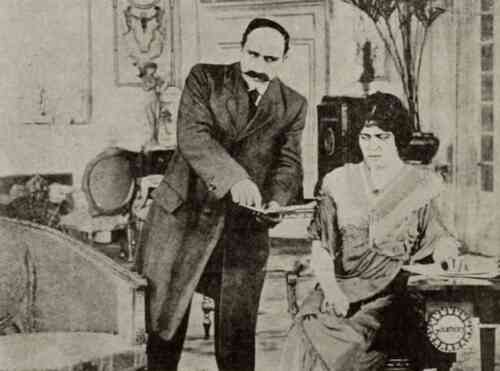
The film's visual style is also noteworthy, with a stark and atmospheric use of lighting and shadow. The cinematography is highly expressive, using a range of techniques to create a sense of tension and unease. From the dramatic use of close-ups and medium shots to the incorporation of location footage, the film's visual style is a key element in creating a sense of immersion and engagement.
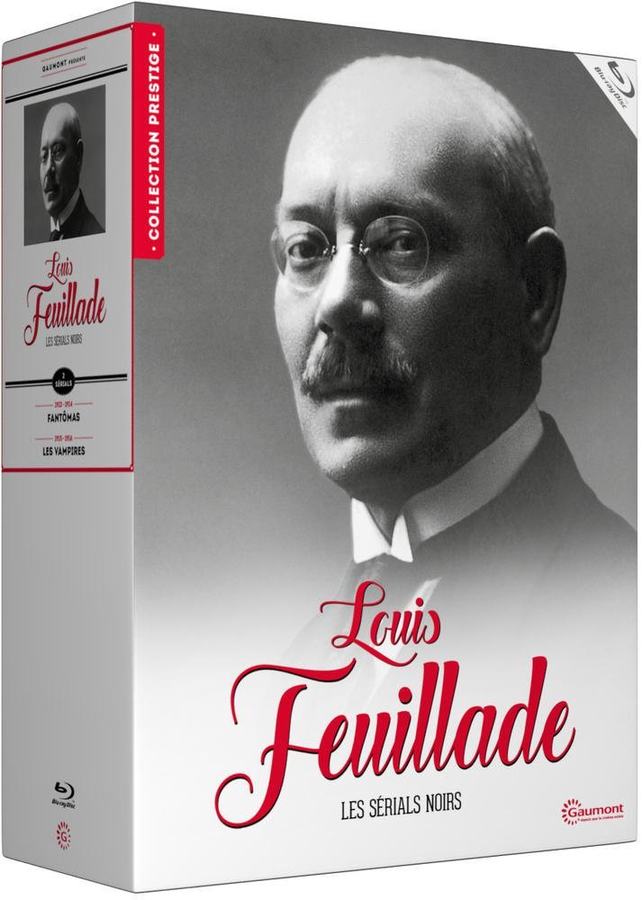
In terms of its place within the broader context of silent film, Fantômas: In the Shadow of the Guillotine is a significant work, influencing a range of later films and filmmakers. Its use of suspense and intrigue, for example, can be seen in films such as The Black Chancellor and Les Misérables, while its themes of identity and deception are echoed in films like Oliver Twist and The Life and Passion of Christ.
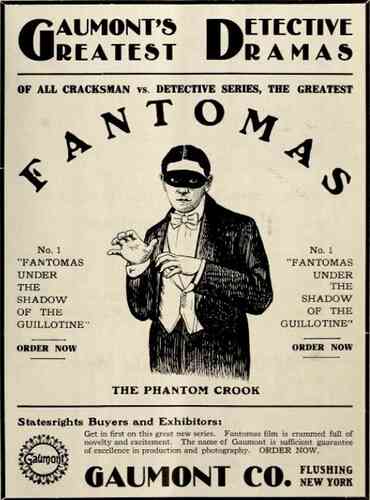
The film's historical context is also fascinating, with the story set against the backdrop of a tumultuous period in French history. The film's depiction of Parisian society, with its strict social hierarchies and rigid moral codes, provides a fascinating glimpse into the social and cultural norms of the time. At the same time, the film's use of themes such as crime and punishment, justice and morality, speaks to broader concerns and anxieties of the era.
Overall, Fantômas: In the Shadow of the Guillotine is a gripping and thought-provoking film that continues to captivate audiences to this day. With its intricate plot, memorable characters, and suspenseful action sequences, it is a must-see for fans of silent film and crime dramas. Whether viewed as a standalone work or as part of the broader context of silent film, Fantômas: In the Shadow of the Guillotine is a masterpiece of cinematic storytelling that is sure to leave a lasting impression.
Community
Log in to comment.