DbcultAccessing Vault...
2.2/10
Senior Film Conservator
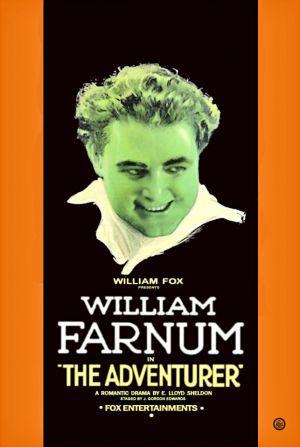
A definitive 2.2/10 rating for a film that redefined the boundaries of cult cinema. The Adventurer remains a cornerstone of transgressive art.
In the flickering twilight of the silent era’s first golden decade, 1920’s The Adventurer stands as a monumental testament to the swashbuckling genre’s infancy, a period when the screen was dominated by larger-than-life archetypes and melodramatic flourishes that would define cinematic storytelling for a century. Directed with a keen eye for baroque aesthetics, this adaptation of the Don César de Bazan legend provides a fascinating window into the post-WWI zeitgeist, where themes of fallen nobility and redemption resonated deeply with a global audience seeking escape from the grim realities of the previous decade. Unlike the more whimsical interpretations of the character that would follow, William Farnum’s portrayal offers a rugged, almost visceral masculinity that grounds the film’s more fantastical plot points in a palpable sense of stakes.
The film’s narrative architecture is a marvel of classical construction, weaving together the disparate threads of class struggle, royal decadence, and personal honor. When we first encounter Don Caesar, he is less a hero and more a cautionary tale—a man whose pedigree has been eroded by a stubborn refusal to adhere to the stifling social contracts of the Madrid elite. His rescue of Maritana, played with a luminous intensity by Estelle Taylor, is not merely an act of gallantry but a pivotal moment of self-actualization. It is here that the film distinguishes itself from contemporary works like The Little Duchess, which often favored sentimentalism over the gritty romanticism found in The Adventurer.
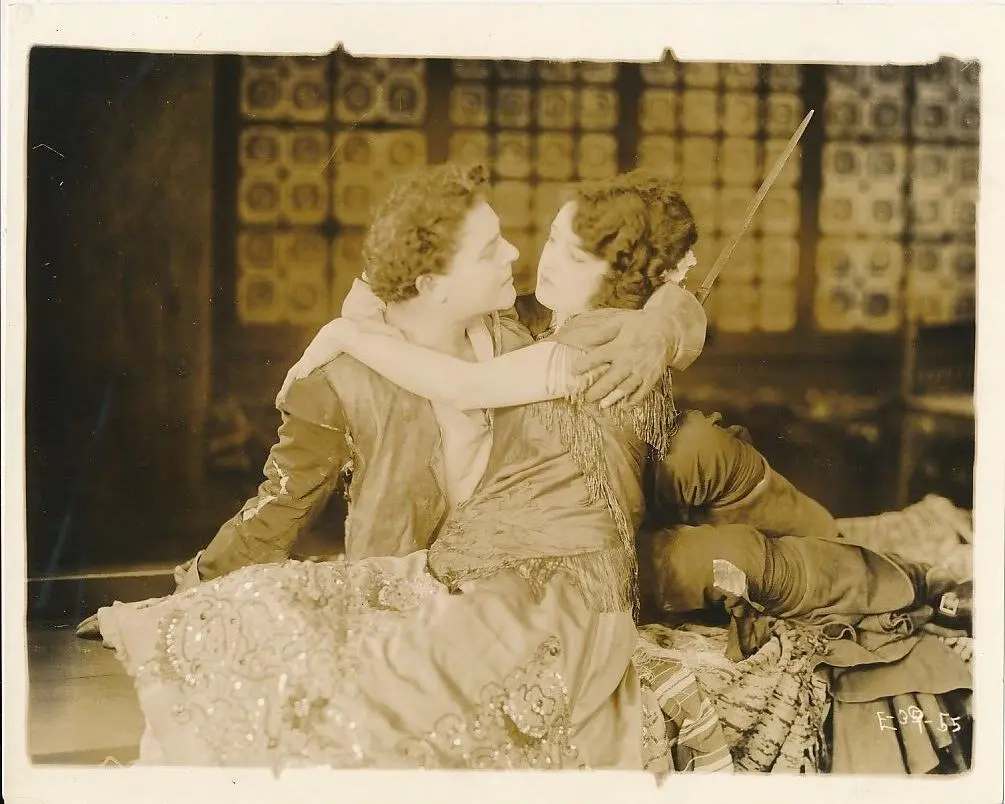
At the heart of the film’s conflict lies the serpentine Don Jose, a character whose complexity mirrors the dark political undercurrents of the era. Pat Hartigan’s performance as the Prime Minister is a masterclass in restrained villainy. His motivation—a secret, agonizing love for the Queen—adds a layer of psychological depth that elevates the film above standard melodrama. The plot to use Maritana as a pawn for the King’s pleasure is a chilling exploration of power dynamics, reflecting a cynicism toward authority that one might also observe in the thematic underpinnings of The Zero Hour.
The central conceit—the marriage of a condemned man to an unknown woman—is handled with a surprising amount of tension and visual flair. The lighting in the dungeon scenes utilizes sharp contrasts and deep shadows, a precursor to the expressionist movements that would soon sweep through European cinema. As Caesar stands before the firing squad, the film reaches a crescendo of suspense that rivals the emotional peaks of Mignon, another production that grappled with the intersection of high art and popular entertainment.
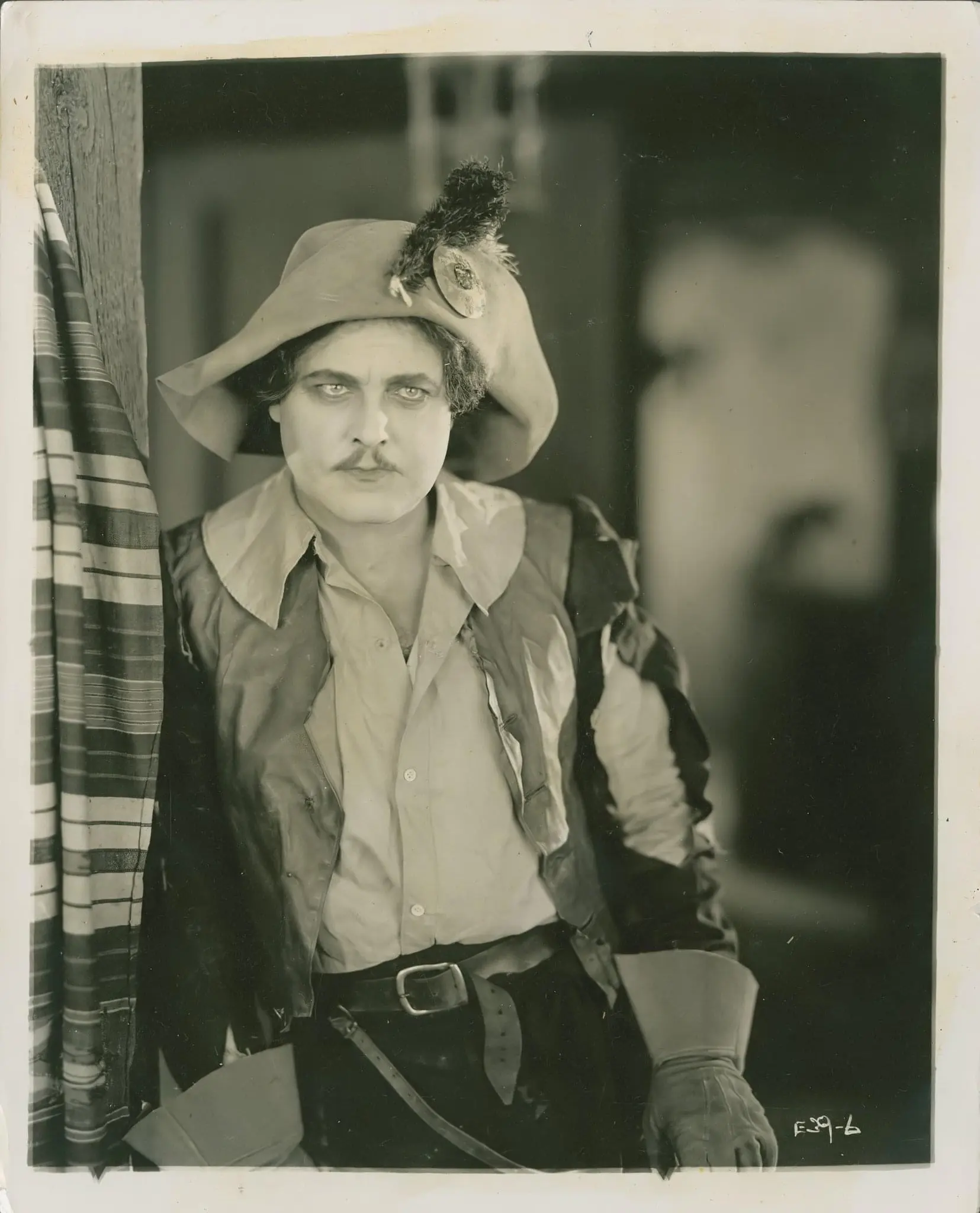
William Farnum, an actor whose physical presence was as commanding as his emotive range, carries the film with an effortless charisma. By 1920, Farnum was already a seasoned veteran of the screen, and his performance here showcases a refined understanding of the medium's unique demands. He avoids the hyperbolic gesturing that plagued many of his peers, opting instead for a brooding intensity that makes his eventual transition to Prime Minister feel earned rather than merely convenient. In comparison to the rugged protagonists of The Brand, Farnum’s Caesar possesses a sophisticated edge that bridges the gap between the brawler and the statesman.
Estelle Taylor’s Maritana is equally compelling. She navigates the transition from a street-dwelling gypsy to a pawn of the court with a grace that suggests a hidden nobility of her own. Her chemistry with Farnum is the engine that drives the film’s emotional core, providing a necessary counterweight to the cold machinations of the political plot. Her performance invites comparison to the titular character in The Wood Nymph, though Taylor’s role is imbued with a significantly higher degree of agency and social defiance.
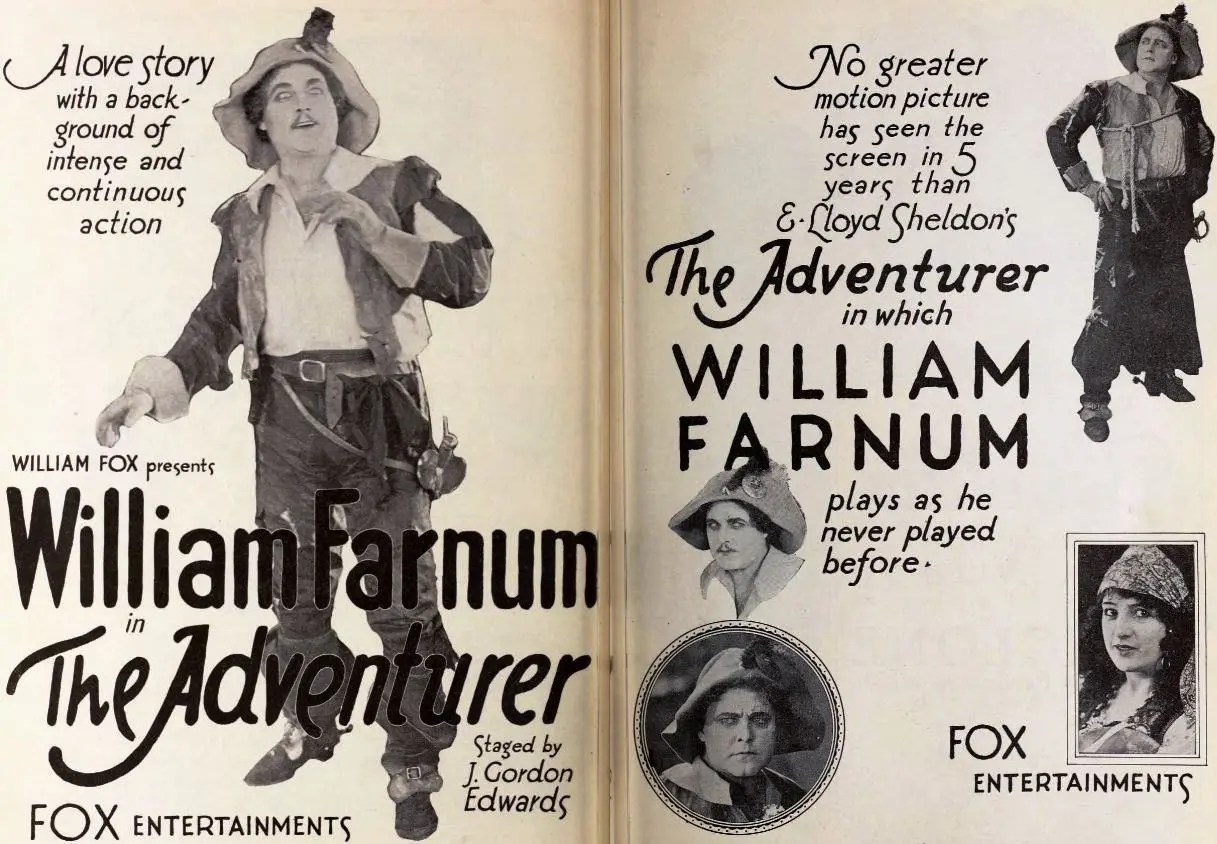
Technically, The Adventurer is a triumph of early 20th-century craftsmanship. The set designs, particularly the royal palace in Madrid, are decadent without being distracting, providing a tactile environment for the drama to unfold. The costume design deserves special mention; the contrast between Caesar’s tattered rags and the stiff, ornate garments of the court serves as a visual metaphor for the film’s exploration of class fluidity. This attention to detail is something we also see in the atmospheric world-building of The Tidal Wave, though applied here to a much more intimate, character-driven story.
The pacing of the film is remarkably modern. The writers, E. Lloyd Sheldon and the legendary Philippe Dumanoir, understood the importance of rhythmic variation. They balance the high-stakes political intrigue with moments of levity and genuine romance, ensuring that the 1500-foot reels never feel stagnant. The sequence involving the firing squad and the youth who replaces the bullets is a standout moment of editing, utilizing cross-cutting to build a sense of impending doom that is only relieved at the last possible second. This level of narrative sophistication was rare for the time, arguably surpassing the structural complexity of Twenty-One or The Seekers.
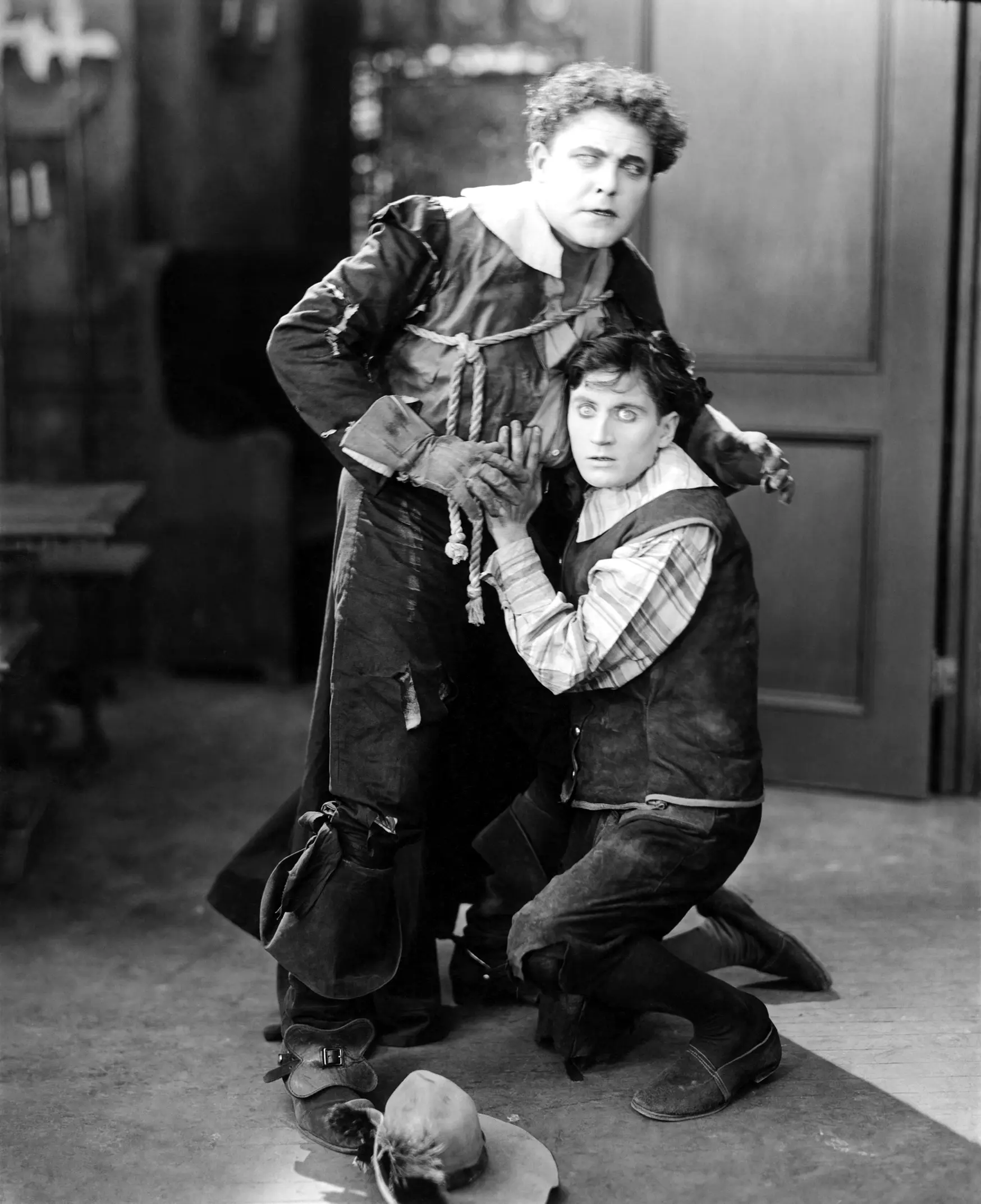
What lingers long after the final title card is the film’s nuanced take on morality. Caesar is not a traditional hero; he is a man who has broken the law, engaged in forbidden duels, and squandered his inheritance. Yet, the film argues that his inherent honor—his refusal to let a woman be insulted or a king be deceived—is more valuable than the rigid, often hypocritical laws of the state. This theme of moral reclamation is a recurring motif in silent cinema, echoing the ethical dilemmas presented in Thou Shalt Not Covet and A Modern Magdalen.
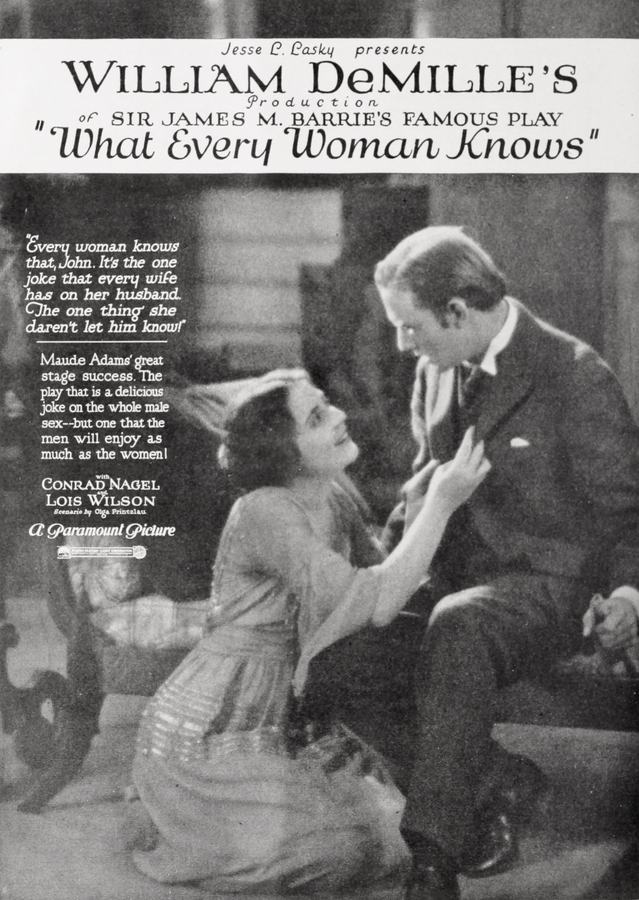
The film also touches upon the concept of destiny. Caesar’s rise from a death row inmate to the Prime Minister is presented not just as a lucky break, but as a cosmic realignment. He is the only man capable of navigating the corruption of the court because he has already survived the worst the world could throw at him. This arc of transformation is far more satisfying than the static characterizations found in lighter fare like Jumbles and Jokers or The Perfect '36'.
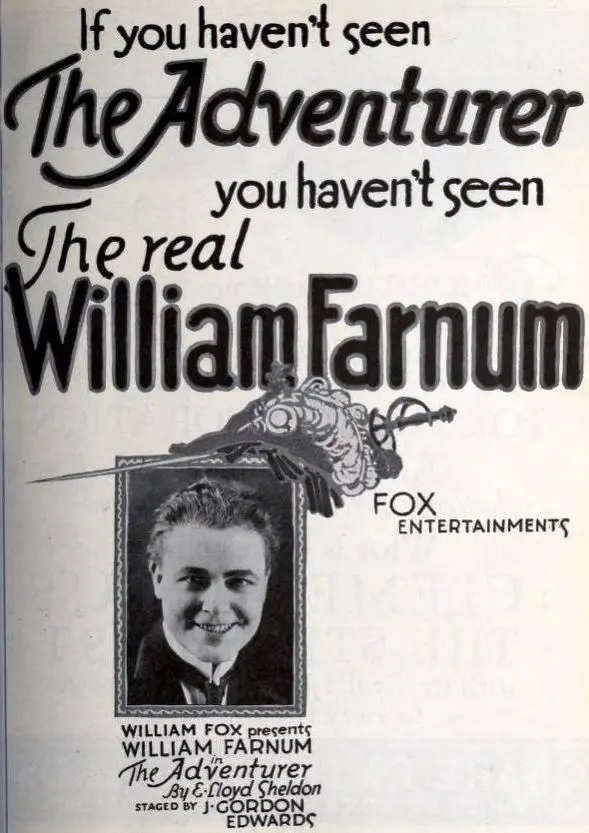
While many films from this era have been lost to the ravages of nitrate decay, the spirit of The Adventurer survives as a blueprint for the historical epics that would dominate the 1930s and 40s. It lacks the saccharine qualities of The Primrose Ring, opting instead for a robust, almost Shakespearean approach to its source material. Even when compared to international efforts like O Crime de Paula Matos, The Adventurer holds its own through sheer narrative momentum and the star power of its lead.
For the modern viewer, watching The Adventurer requires a recalibration of expectations. One must appreciate the language of the eyes, the tilt of a hat, and the dramatic pause. But once the rhythm is found, the rewards are immense. It is a film that celebrates the indomitable human spirit, the redemptive power of love, and the delicious irony of a world where a condemned criminal can become the most powerful man in the kingdom. It is, in every sense of the word, an adventure—one that remains as vibrant and engaging today as it was over a century ago. It stands alongside Fortune's Child as a definitive example of how early cinema could tackle complex social hierarchies while still providing top-tier entertainment.
In conclusion, The Adventurer (1920) is not merely a historical curiosity; it is a vital, breathing piece of art. William Farnum’s Don Caesar de Bazan remains one of the most charismatic figures of the silent screen, a man of action and intellect who refuses to be crushed by the machinery of the state. The film’s blend of romance, political thriller, and swashbuckling action creates a cocktail that is as potent now as it was during its premiere. For anyone interested in the evolution of visual storytelling, or for those who simply want to be swept away by a tale of high-stakes heroism, this film is an essential viewing experience. It reminds us that while technology changes, the stories that move us—stories of honor, sacrifice, and the triumph of the underdog—are truly timeless.
IMDb 4.7
1936
Community
Log in to comment.