DbcultAccessing Vault...
6.6/10
Senior Film Conservator
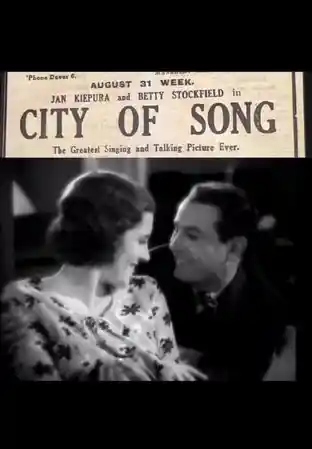
A definitive 6.6/10 rating for a film that redefined the boundaries of cult cinema. Farewell to Love remains a cornerstone of transgressive art.
So, you’re thinking about watching Farewell to Love? 🤔 Well, if you’re someone who loves digging into old films, especially those with a strong musical heart and a dash of classic romance, then yes, it’s probably worth a look. It’s definitely not for folks who need fast pacing or perfectly modern sensibilities. You might find yourself a little bored if you’re not into, say, opera singing or the quaint ways of 1930s storytelling.
The setup is pretty straightforward. We meet Betty Stockfeld's character, Lady Helen, a rather well-to-do English woman, jetting off to Naples for some peace. Or maybe just a change of scenery. She’s looking for something, anything really, and she stumbles upon this local guide, Mario, played by Jan Kiepura. And wow, this man can sing. Like, truly sing. It’s not just a plot point; you hear it. His voice just fills the frame, and Lady Helen, quite rightly, is captivated.
What follows is her rather bold decision to take him back to London. She's convinced he's meant for the opera stage, a star waiting to happen. It's a classic "Pygmalion" sort of tale, but with a musical twist. You can almost feel the movie itself getting swept up in the dream of it all. The scenes in Naples have this easy, sun-drenched feel, very different from the more buttoned-up London bits. It makes the journey feel bigger than just a few train rides. You even get a little glimpse of some local Naples street performers, and they’re really giving it their all, even in the background.
Kiepura, being a real operatic tenor, really delivers on the singing. The long, lingering shots on him while he performs are exactly what you’d expect, and honestly, they're the movie's main draw. There’s one particular performance, I think it’s pretty early on in London, where the camera just holds on him for what feels like ages. It feels a bit like a live concert recording sometimes, just plonked into a drama. But, hey, when the voice is that good, who's complaining? You can really tell the sound engineers were proud of capturing that voice; it just sings through the old film quality.
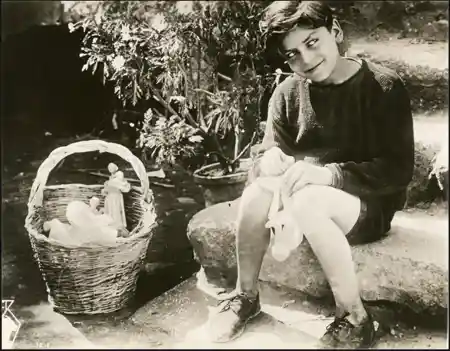
The romance side of things... it's a bit more complicated. Lady Helen is clearly drawn to Mario, and he to her, but there’s this constant push and pull between genuine affection and her grand plans for his career. Sometimes, you wonder if she loves him or the idea of creating a star. One moment, they’re sharing a tender look, the next she’s pushing him into another rehearsal. It’s an interesting dynamic, even if it feels a little stiff by today's standards. There’s a scene where she’s talking about his future, and her hand gestures are so earnest, almost frantic. You can tell she really believes in him, but maybe a little too much in her vision of him. The way she kinda brushes off his doubts, it’s a tiny thing, but it says a lot.
Miles Malleson is in this too, playing something of a comic relief figure, adding a bit of lightness that’s much needed. His lines, often delivered with this dry wit, cut through some of the more serious romantic drama. He’s just there, being very British and slightly flustered. It’s a nice little touch. There's a moment when he spills tea, and the reaction from the other characters is just so perfectly understated, it actually gets a laugh. Small things, you know?
The movie does have these moments where you can see the seams of its age. Some of the cuts feel a bit abrupt, and the dialogue, while often charming, can lean into melodrama. There's a particular scene where Mario is struggling with the pressures of his new life, and the way it’s shot... it’s meant to be dramatic, but it almost comes off as a bit too theatrical, like he’s performing for the camera rather than just reacting. And the lighting in some of those London interiors? A bit flat, just kinda there.
But then Kiepura sings again, and you kinda forget the minor quibbles. It’s one of those films that coasts on the pure talent of its lead, letting his voice do most of the heavy lifting. It’s not a deep dive into human emotion, but it’s a pleasant enough journey if you’re in the mood for it. Maybe pour yourself some tea and just let the music wash over you. ☕ It feels a bit like a Sunday afternoon movie, when you’re not expecting too much but get a nice surprise from an old gem.
IMDb 4.7
1923
Community
Log in to comment.