DbcultAccessing Vault...
Cult Review
Senior Film Conservator

Is Unser täglich Brot worth watching today? Short answer: absolutely, but with significant caveats that demand a certain cinematic palate. This silent-era social drama is a challenging, often bleak, journey into early 20th-century industrial despair, making it a compelling, if not always comfortable, experience for those drawn to historical filmmaking and stark human stories.
It's a film for dedicated cinephiles, historians of early cinema, and viewers interested in the roots of social realism in film. It is decidedly not for those seeking light entertainment, fast pacing, or modern narrative conventions. Prepare for a deliberate pace and a stark portrayal of human struggle.
This film works because of its unflinching portrayal of economic hardship and class struggle, grounded by compelling performances that transcend the silent medium's limitations.
This film fails because its pacing can feel laborious by contemporary standards, and some character motivations, while clear, lack the nuanced exploration modern audiences expect.
You should watch it if you appreciate historical context, the artistry of silent film, and narratives that explore societal injustice with raw, unvarnished honesty.
Released at the precipice of sound, Hans Behrendt's Unser täglich Brot (Our Daily Bread) stands as a testament to the power of silent cinema to tackle weighty social issues. It immerses us in a world teetering on the brink of economic collapse, where the very foundation of a community – its daily bread – is threatened by corporate indifference and personal malice. The film, penned by Behrendt and Mutz Greenbaum, doesn’t just show us a strike; it dissects the human cost of it.
The narrative centers on Tagger, a factory owner (or perhaps, a lead figure among the workers, given the ambiguity of the summary's 'Tagger's factory worker'), whose inability to pay his laborers sparks a desperate strike. This isn't just a faceless industrial dispute; it's deeply personal. The tension is amplified by an overseer, consumed by jealousy for Tagger's son, who manipulates the already volatile situation. This personal vendetta, woven into the fabric of collective hardship, is where the film finds its most potent, and perhaps most cynical, commentary.
It’s a story that echoes across decades, a stark reminder that the struggles for fair wages and dignity in labor are not new. While the visual language is of a bygone era, the emotional core remains surprisingly resonant, a direct line to the anxieties that still plague societies today.
What truly distinguishes Unser täglich Brot is its commitment to an almost documentary-like portrayal of working-class life. Director Hans Behrendt doesn't shy away from the grim realities. We see the stark factory floors, the weary faces of the workers, and the palpable desperation that settles over their homes when the wages cease. This isn't romanticized poverty; it's a raw, unvarnished depiction.
The film excels in illustrating the domino effect of economic distress. A single missed paycheck isn't just an inconvenience; it's a threat to survival, leading to empty cupboards and desperate choices. The scene where families gather, their faces etched with worry, debating the next steps, feels incredibly authentic. It captures the collective anxiety and the fragile hope that binds them together.
I'd argue that the film's deliberate pacing, often perceived as a drawback by modern viewers, is, in fact, one of its greatest strengths, forcing an uncomfortable immersion into the characters' protracted suffering. It demands patience, yes, but rewards it with a profound sense of empathy.
The insidious role of the overseer, played by Paul Rehkopf, introduces a layer of psychological complexity. His personal animosity towards Tagger's son isn't just a subplot; it's a deliberate catalyst that turns a legitimate labor dispute into a weaponized conflict. This element elevates the film beyond a simple class struggle, demonstrating how individual malice can exploit and exacerbate systemic injustices. It’s a chilling observation about human nature.
In silent cinema, the burden of conveying emotion and narrative falls squarely on the actors' shoulders, relying heavily on facial expressions, body language, and pantomime. The cast of Unser täglich Brot rises to this challenge with remarkable efficacy, painting a vivid picture of despair, defiance, and duplicity.
Fritz Kampers, as Tagger, delivers a performance that anchors the film. His portrayal of a man caught between the demands of his workers and the harsh realities of his factory's finances is nuanced. We see his internal struggle, the weight of responsibility on his shoulders, in the subtle shifts of his gaze and the slumped posture that communicates exhaustion. In one particularly poignant scene, Kampers conveys Tagger's defeat simply by the way he slowly lowers his head after a tense confrontation, a silent admission of powerlessness.
Paul Rehkopf, as the malevolent overseer, is a masterclass in silent villainy. His expressions are often a grotesque mask of false sympathy, barely concealing the simmering resentment beneath. The glint in his eye as he watches the workers' suffering, a direct consequence of his machinations, is genuinely unsettling. He doesn't need dialogue to communicate his venom; his sneering smile and manipulative gestures are more than enough to establish him as a truly detestable character.
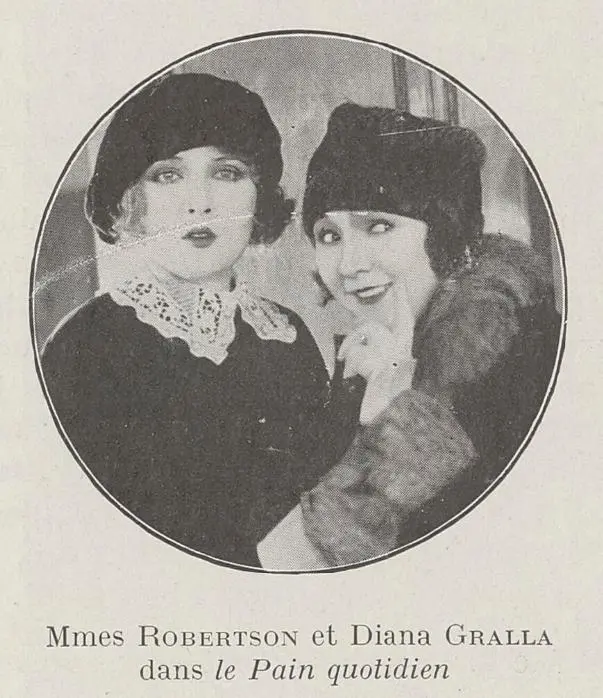
The female leads, Mary Nolan and Dina Gralla, while perhaps given less narrative agency than the male protagonists, nonetheless contribute significantly to the emotional landscape. Nolan, in particular, brings a quiet strength to her role, often serving as the emotional barometer for the audience. Her moments of quiet desperation, juxtaposed with flashes of resolve, add a vital human dimension to the otherwise bleak industrial backdrop. While Mary Nolan's performance as the love interest is compelling, I found her character's agency somewhat underdeveloped, a common trope of the era that nonetheless feels like a missed opportunity here, limiting her from becoming a truly active participant in the unfolding drama.
Even supporting actors like Harry Nestor and Paul Hartmann contribute to the authenticity, their faces reflecting the collective anxiety and determination of the striking workers. It’s a collective effort, where each actor understands their role in building a believable, suffering community.
Hans Behrendt's direction is methodical and purposeful. He employs a visual language that emphasizes the oppressive nature of the industrial environment and the grim reality of the workers' lives. His framing often uses wide shots to establish the scale of the factory, contrasting it with close-ups that highlight the individual faces of despair and anger. There's a particular shot of the factory gates, looming large and unyielding, that perfectly symbolizes the barrier between the workers and their livelihoods.
Mutz Greenbaum's cinematography is equally crucial in setting the tone. He uses stark lighting and deep shadows to great effect, particularly in the factory interiors, which feel cold and unforgiving. The contrast between the dim, crowded living quarters and the expansive, yet equally desolate, factory spaces creates a powerful visual metaphor for the workers' trapped existence. One memorable sequence involves the flickering gaslights in a worker's home, barely illuminating the worried faces of a family, effectively conveying their precarious situation.
The camera movement, while restrained by today's standards, is used effectively to build tension. During the strike scenes, the camera often tracks the agitated crowds, imbuing them with a sense of collective power and frustration. The editing, too, is deliberate, allowing scenes to unfold at a pace that mirrors the slow, grinding reality of economic hardship, rather than rushing through events for dramatic effect. This measured approach, while demanding, contributes significantly to the film's immersive quality.
The pacing of Unser täglich Brot is undeniably slow, especially by modern cinematic standards. This isn't a film that rushes its narrative; instead, it allows events to unfold with a deliberate, almost observational rhythm. This can be a challenging aspect for contemporary viewers accustomed to faster cuts and more dynamic storytelling.
However, this deliberate pace is also a key component of its tone. It fosters a sense of grinding inevitability and prolonged suffering, mirroring the drawn-out nature of a labor strike and the slow erosion of hope. The film doesn’t offer quick resolutions or easy answers. Instead, it immerses the audience in the protracted struggle, making the eventual outcomes, whatever they may be, feel earned and weighty. This measured approach contributes heavily to the film's stark, somber tone. It works. But it’s flawed.
The tone is consistently bleak, yet never entirely without a glimmer of human resilience. While despair is a constant presence, there are also moments of solidarity and quiet determination among the workers. The true antagonist isn't just the economic system, but the insidious nature of petty jealousy given power, a theme that resonates perhaps even more strongly now than it did a century ago, highlighting how personal grievances can derail collective progress.
Yes, Unser täglich Brot is absolutely worth watching today, but with the right expectations. It's a significant piece of cinematic history.
It offers a powerful look at social issues that remain relevant. The themes of labor rights, economic disparity, and the corrupting influence of personal vendettas are timeless.
For students of film, it's an excellent example of silent filmmaking at its peak. It showcases how directors and actors conveyed complex narratives without dialogue.
However, be prepared for its slow pacing and silent format. It requires a certain dedication from the viewer. It's not a casual watch. It’s a profound experience.
Unser täglich Brot is more than just a relic of the silent era; it is a potent, if demanding, piece of social cinema that resonates with surprising force a century later. Its stark portrayal of economic hardship, coupled with the corrosive influence of personal malice, creates a compelling, albeit bleak, narrative. While its deliberate pacing and silent format require a degree of commitment from the viewer, the rewards are substantial. It offers a profound glimpse into a historical struggle that mirrors many of our contemporary anxieties, making it a valuable watch for those willing to engage with its challenging yet deeply human story. For a different cinematic experience from the era, one might explore The Splendid Sinner, but for unvarnished social commentary, Unser täglich Brot stands tall.
IMDb —
1928
Community
Log in to comment.