DbcultAccessing Vault...
6.1/10
Senior Film Conservator
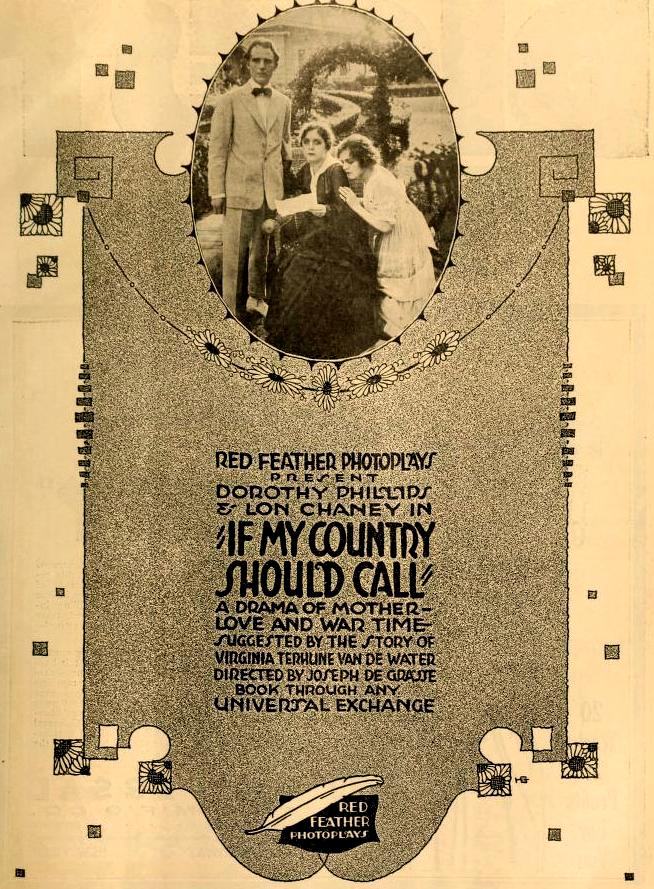
A definitive 6.1/10 rating for a film that redefined the boundaries of cult cinema. If My Country Should Call remains a cornerstone of transgressive art.
In the annals of early cinema, few narratives confront the profound moral quandaries of patriotism versus personal conviction with the raw, unvarnished intensity found in the 1917 silent drama, "If My Country Should Call." Penned by the insightful minds of Ida May Park and Virginia Terhune Vandewater, this cinematic artifact transcends its era, presenting a timeless struggle that resonates deeply even today. It’s a film that dares to ask: what boundaries are permissible when a mother’s fierce love collides with the clarion call of national duty? The answer, as explored through its intricate plot, is anything but simple, painted in shades of ethical ambiguity and heart-wrenching desperation.
At the very core of this compelling drama is a mother, a figure of unwavering pacifist ideals, whose world threatens to unravel as her son, brimming with youthful zeal and an earnest sense of patriotism, yearns to enlist in the armed forces. Her opposition isn't born of cowardice but from a profound philosophical stance against the brutality of war, a conviction that places her at direct odds with the prevailing jingoistic fervor of the period. The tension between them is palpable, a silent scream echoing through their domestic space as his idealism clashes with her pragmatic horror of conflict. This isn't merely a disagreement; it's an existential battle for the soul of her child, a struggle that forces her to contemplate actions she might otherwise deem unthinkable. The film masterfully portrays this internal maelstrom, allowing the audience to witness the agonizing evolution of a mother driven to extremes by love and fear.
Her desperation culminates in a truly audacious plan, one that hinges on a medical marvel conceived by her ingenious uncle, a doctor played with a quiet intensity that hints at his own moral wrestling. This uncle has developed a heart medication, an elixir of deception, capable of mimicking the symptoms of a severe cardiac ailment. The premise itself is shocking: just a few drops, administered without the son's knowledge, could render him medically unfit for service, keeping him safe within the confines of home, albeit at the cost of his autonomy and the truth. This pivotal plot device elevates the narrative beyond a simple family drama, pushing it into the realm of ethical thriller, where the lines between protection and manipulation blur precariously. It forces us to question the lengths to which love can drive an individual, and the profound consequences of such well-intentioned deceit.
Though a silent film, the performances in "If My Country Should Call" are anything but muted, conveying a rich tapestry of human emotion through gesture, expression, and the sheer force of screen presence. The central mother figure, whose name is not explicitly detailed in the provided plot, must carry the emotional weight of the entire narrative, oscillating between tender maternal affection and the steely resolve of a woman making an impossible choice. Her performance, likely characterized by nuanced facial expressions and deliberate physical acting, would have been crucial in garnering audience empathy for her morally ambiguous actions.
The son, eager to serve, represents the youthful idealism and fervent nationalism often exploited during wartime. His portrayal, likely by an actor capable of conveying both earnestness and a touch of naiveté, would have created a poignant contrast to his mother's jaded wisdom. The supporting cast, featuring talents like Dan Duffy, Carl von Schiller, Vola Vale, Gretchen Lederer, Dorothy Phillips, Jack Nelson, Gordon Griffith, Adele Farrington, Clyde Benson, Albert MacQuarrie, Frank Whitson, and Helen Leslie, undoubtedly contributed to the film's texture, filling out the world with characters who react to and influence the central conflict.
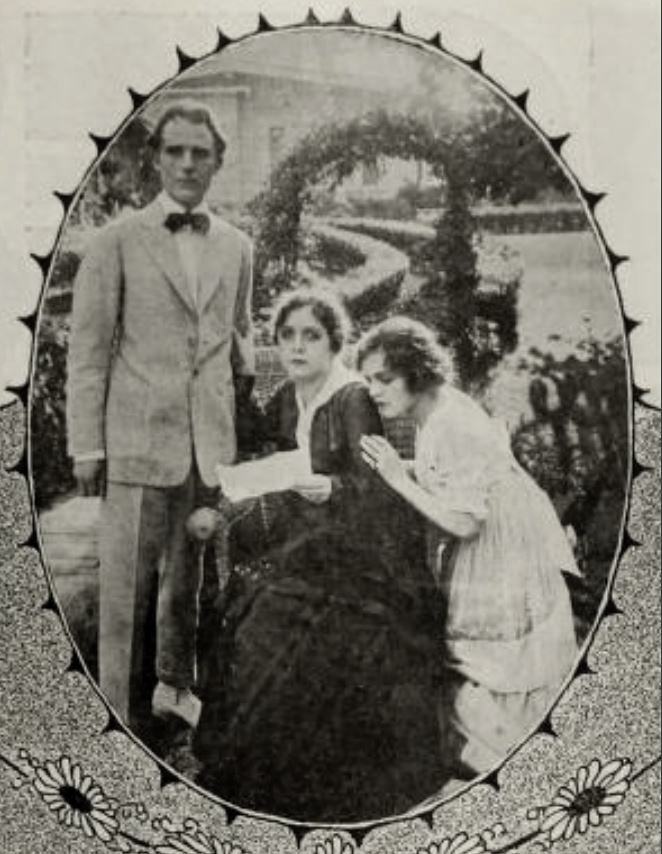
And then there is the inimitable Lon Chaney. While his specific role in "If My Country Should Call" is not detailed in the synopsis, his inclusion in the cast list immediately signals a potential for depth, menace, or tragic complexity. Chaney, renowned even in the early days of cinema as "The Man of a Thousand Faces," possessed an unparalleled ability to transform himself, both physically and emotionally, into characters that often lingered in the audience's psyche long after the credits rolled. Whether he played a sympathetic figure caught in the moral crossfire, a villain exploiting the situation, or a conflicted individual grappling with his own patriotic or ethical dilemmas, Chaney's presence would have imbued his character with a memorable intensity. His unique brand of pathos and grotesque beauty, seen in later masterpieces, often amplified the dramatic stakes of any production he graced. One can only imagine the subtle yet powerful ways he would have contributed to the film's emotional landscape, perhaps as a catalyst, an obstacle, or a profound voice of conscience or dissent.
The brilliance of "If My Country Should Call" lies not just in its audacious premise but in the thoughtful construction of its narrative by Ida May Park and Virginia Terhune Vandewater. Their collaborative effort likely resulted in a screenplay that, despite the limitations of the silent medium, conveyed intricate psychological states and moral arguments. The decision to frame the conflict around a medical deception is particularly astute, as it taps into universal fears about illness and the sanctity of the body, while simultaneously exploring the ethical boundaries of medical intervention when personal stakes are impossibly high. The writers would have had to meticulously craft intertitles and visual cues to communicate the mother's internal struggle, the son's patriotic fervor, and the uncle's scientific detachment mixed with familial loyalty.
Their work stands in stark contrast to simpler adventure narratives of the time, such as The Adventures of Kathlyn, which prioritized spectacle and serial thrills. Instead, Park and Vandewater dove headfirst into the murky waters of human morality, much like the more psychologically driven dramas that would later emerge. This intellectual rigor in storytelling is commendable and indicative of a nascent cinematic art form exploring its potential beyond mere spectacle. Their screenplay likely navigated the delicate balance between condemning the mother's actions and understanding her motivations, leaving the audience to grapple with the profound implications of her choice. The narrative structure would have needed to build suspense around the administration of the drug, the son's subsequent symptoms, and the inevitable discovery or resolution of the deception.
Released in 1917, "If My Country Should Call" arrived at a critical juncture in global history, with the United States having just entered World War I. The film's themes of patriotism, enlistment, and the moral ambiguities of war would have resonated powerfully with contemporary audiences grappling with the profound societal shifts and personal sacrifices demanded by the conflict. It provides a fascinating cinematic window into the debates and anxieties of the era, reflecting a society divided between enthusiastic support for the war effort and an underlying current of pacifist sentiment. The film's willingness to explore the latter, even through the lens of a desperate mother's actions, is particularly noteworthy.
The ethical dilemma presented by the mother's actions—deceiving her son for his own perceived good—is a timeless one, echoing through countless narratives where love and morality clash. It calls to mind the complexities faced in films like The Great Divide, where societal expectations and individual desires often create irreconcilable schisms. While Captain Alvarez might depict overt military heroism, "If My Country Should Call" delves into the more subtle, internal battles fought on the home front, highlighting that heroism, or indeed moral compromise, can manifest in deeply personal, unexpected ways. This film, therefore, serves as more than just entertainment; it's a historical document, capturing the zeitgeist of a nation at war and the personal tolls it exacted.
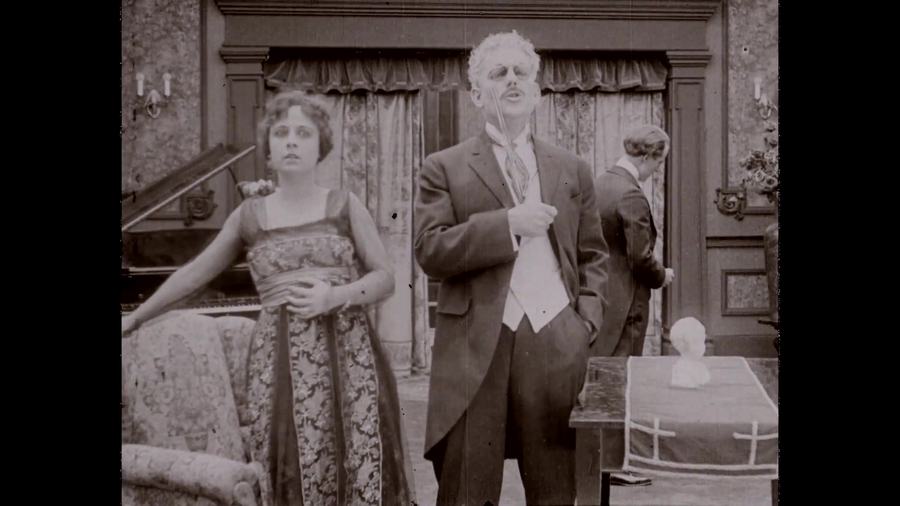
The uncle's role as a doctor introduces another layer of ethical complexity. The Hippocratic Oath, a cornerstone of medical ethics, emphasizes doing no harm and acting in the patient's best interest. Here, the doctor knowingly creates a substance designed to *mimic* harm, to deceive, albeit with what he might perceive as a benevolent intent. This raises profound questions about the manipulation of medical science for personal, albeit loving, ends. Is a doctor justified in using his knowledge to circumvent a perceived greater harm (war) by inflicting a lesser, artificial harm (simulated illness)? This moral tightrope walk is fascinating and provides rich fodder for discussion, placing the film in a lineage of stories that explore medical ethics under duress, perhaps even predating the more explicit explorations found in later cinematic works.
This theme of elaborate deception for seemingly noble ends can be seen, in a different light, in films like C.O.D., where intricate schemes drive the plot. However, in "If My Country Should Call," the deception is rooted in a far more primal and emotional place: a mother's instinct to protect. The film doesn't shy away from the potentially devastating consequences of such an act, both for the son's physical and mental well-being should the truth be revealed, and for the moral integrity of those involved. The very notion of using a "medication" to *induce* a false condition is a chilling prospect, highlighting the power and potential misuse of scientific discovery when placed in the hands of desperate individuals.
While the backdrop is the grand theater of war, the real conflict in "If My Country Should Call" unfolds within the domestic sphere, within the hearts and minds of its protagonists. The son's struggle to assert his patriotism against his mother's pleas, the mother's agonizing decision to betray his trust for his safety, and the uncle's complicity in this medical charade – these are the battles that truly captivate. It’s a powerful reminder that war’s reach extends far beyond the trenches, infiltrating homes and testing the very foundations of family bonds and personal ethics. The film posits that sometimes the most profound conflicts are not fought with bullets and bombs, but with moral dilemmas and desperate acts of love.
In this respect, it shares thematic DNA with other dramas that explore societal pressures on individuals, albeit in different contexts. While The Sporting Duchess might focus on social standing and reputation, or The Hoosier Schoolmaster on community values, "If My Country Should Call" hones in on the ultimate pressure point: life and death, and the lengths one will go to preserve the former. The film’s strength lies in its refusal to offer easy answers, instead immersing the viewer in the uncomfortable reality of choices made under extreme duress. It challenges the audience to consider their own stance on such a profound ethical tightrope walk, making it a truly thought-provoking cinematic experience, even a century after its initial release.
"If My Country Should Call" stands as a testament to the early cinematic capacity for complex narrative and profound emotional depth. It's a film that, through its silent artistry, speaks volumes about the human condition, the sacrifices of love, and the often-conflicting demands of personal morality and national identity. The film's legacy lies not just in its historical significance as a product of its time, but in its enduring relevance. The debates it sparks—about pacifism, patriotism, medical ethics, and the nature of truth in relationships—are as pertinent today as they were over a century ago. It reminds us that even in an era before synchronized sound, cinema had the power to explore the most intricate corners of the human heart and mind.
For those interested in the evolution of dramatic storytelling, the ethical complexities of wartime narratives, or simply the fascinating early career of actors like Lon Chaney, "If My Country Should Call" offers a compelling and deeply resonant viewing experience. It's a powerful argument for the preservation and study of silent cinema, demonstrating its capacity to engage with universal themes with an artistry that transcends the absence of dialogue. It invites us to reflect on the nature of duty, the boundaries of love, and the difficult choices that define us when our country, or indeed our conscience, calls.
IMDb —
1927
Community
Log in to comment.