DbcultAccessing Vault...
6.6/10
Senior Film Conservator
A definitive 6.6/10 rating for a film that redefined the boundaries of cult cinema. Fast Company remains a cornerstone of transgressive art.
Step into the world of 'Fast Company', a cinematic gem from 1924, where the stark contrast between the haves and have-nots is starkly portrayed through the lens of a cleverly crafted plot. The film centers around Mickey, a character of humble origins, who, in a twist of fate, exchanges clothes with a wealthy young boy. This simple act of wardrobe switching sets the stage for a series of unexpected events that redefine his social status and plunge him into a world of opulence and intrigue.
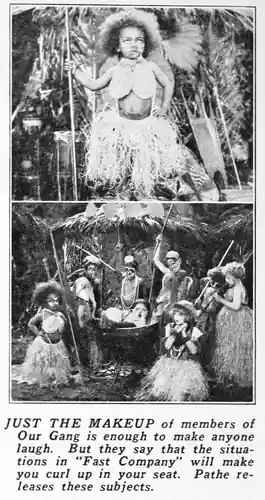
As Mickey dons the rich boy's attire, he finds himself being whisked away to a grand hotel where he is mistaken for his dashing new persona. The transition is seamless, and the stark change in his surroundings is reminiscent of a dream come true. However, as Mickey navigates the labyrinthine corridors of luxury, he encounters a cast of eccentric characters, each with their own secrets and stories.
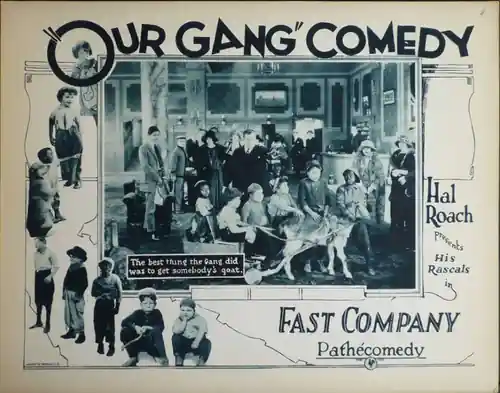
The film's narrative is a masterclass in character development and social commentary. Through Mickey's journey, the audience is invited to question the socioeconomic structures that determine one's place in society. The contrast between the lavish interiors of the hotel and the stark reality of Mickey's previous life serves as a poignant reminder of the disparity that exists in the world. This juxtaposition is further emphasized by the interactions between Mickey and the various characters he encounters, each of whom is navigating their own paths within the complex web of social norms.
The performances in 'Fast Company' are a testament to the skill of the cast. Lyle Tayo and Dell Henderson bring a depth of character to their roles, making the transition from rags to riches both believable and engaging. Jackie Condon and Mickey Daniels add layers of complexity to their portrayals, ensuring that the audience remains invested in the characters' journeys. Helen Gilmore and Charlie Hall provide a foil to Mickey's character, their interactions adding a layer of humor and drama to the narrative.
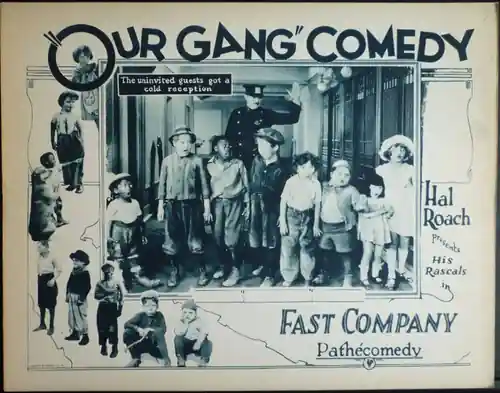
Hal Roach, the writer and director, masterfully weaves together the various threads of the plot, creating a tapestry of intrigue that keeps the audience on the edge of their seats. The screenplay, penned by Hal Roach and H.M. Walker, is both clever and poignant, offering a sharp critique of the class system while also providing moments of levity that keep the mood light and engaging.
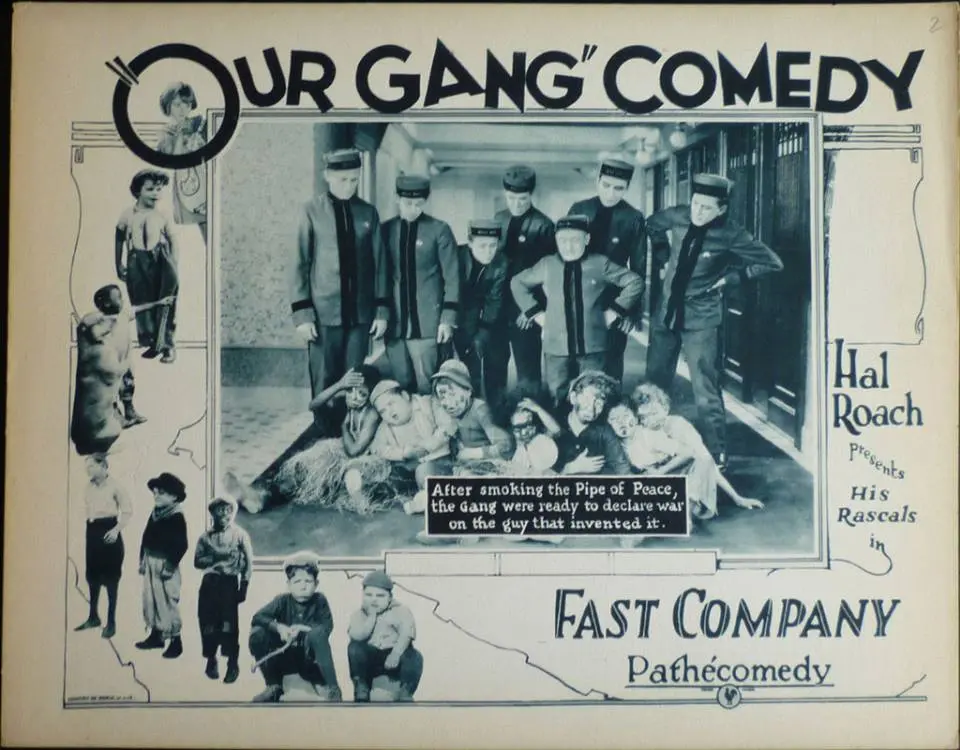
While 'Fast Company' stands on its own as a compelling piece of early cinema, it is worth noting its place within the broader context of early 20th-century films. Similar in spirit to films such as 'Reported Missing', 'Prima Vera', and 'The Virtuous Thief', 'Fast Company' delves into the themes of class, identity, and the fluidity of social boundaries. However, it does so with a greater emphasis on the personal journey of the protagonist, making it a more intimate and emotionally resonant experience for the audience.
Comparatively, the film shares thematic similarities with 'Le ravin sans fond', particularly in its exploration of the psychological and social implications of identity misalignment. The film's narrative structure, however, is reminiscent of 'In Wrong', in its use of a central plot device to drive the story forward.
Despite the passage of time, 'Fast Company' remains a relevant and engaging piece of early cinema. Its exploration of class and identity, coupled with its well-crafted narrative and compelling performances, make it a must-see for film enthusiasts and history buffs alike. In a time when the social divide continues to be a pressing issue, 'Fast Company' serves as a reminder of the power of cinema to reflect and critique the world around us.
For a deeper dive into the world of early cinema, consider exploring films like 'The Oval Diamond', 'The Probation Wife', or 'Merchant of Menace', each offering unique insights into the artistic and social movements of the era. These films, much like 'Fast Company', provide a window into a period of rapid change and transformation, making them both historically and culturally significant.
As you delve into 'Fast Company', take a moment to appreciate the artistry of its construction. From the clever plot device to the nuanced character development, every element of the film contributes to a rich and immersive viewing experience. 'Fast Company' is not just a film; it is a journey into the heart of early 20th-century society, one that continues to resonate with audiences today.

IMDb 6.5
1922
Community
Log in to comment.