DbcultAccessing Vault...
6.9/10
Senior Film Conservator
A definitive 6.9/10 rating for a film that redefined the boundaries of cult cinema. Fatal Footsteps remains a cornerstone of transgressive art.
Is Fatal Footsteps worth watching today? Short answer: yes, but with significant caveats. This 1926 silent comedy, a charmingly peculiar relic from the inventive mind of Charles R. Bowers, offers a unique window into a bygone era of cinematic absurdity, yet it certainly isn't for everyone.
This film is an absolute treat for cinephiles, historians of early cinema, and those with a deep appreciation for the pioneering spirit of physical comedy and stop-motion animation. However, if you typically find the pacing of silent films challenging or demand modern narrative sophistication, this might test your patience.
This film works because of its audacious creativity and the sheer dedication to its whimsical premise. It fails because its comedic rhythm, while groundbreaking, can feel protracted to contemporary audiences. You should watch it if you're eager to witness the foundational elements of visual storytelling and unique comedic genius at play.
The narrative engine of Fatal Footsteps is disarmingly simple, yet it powers a surprisingly elaborate series of gags. We meet Charley, played by co-director Charles R. Bowers himself, a man consumed by a singular, almost obsessive, goal: to win a local Charleston dance contest. The stakes are comically high – not just a significant cash prize, but the hand in marriage of a beautiful woman, presented less as a person and more as the ultimate trophy alongside the monetary reward.
This premise, while straightforward, serves as a fantastic springboard for Bowers' brand of inventive, often surreal, comedy. It’s a classic underdog story, albeit one where the 'underdog' is less concerned with moral fortitude and more with sheer, unadulterated ambition. The film doesn't waste time on character depth beyond this core motivation; it's all about the journey to the dance floor.
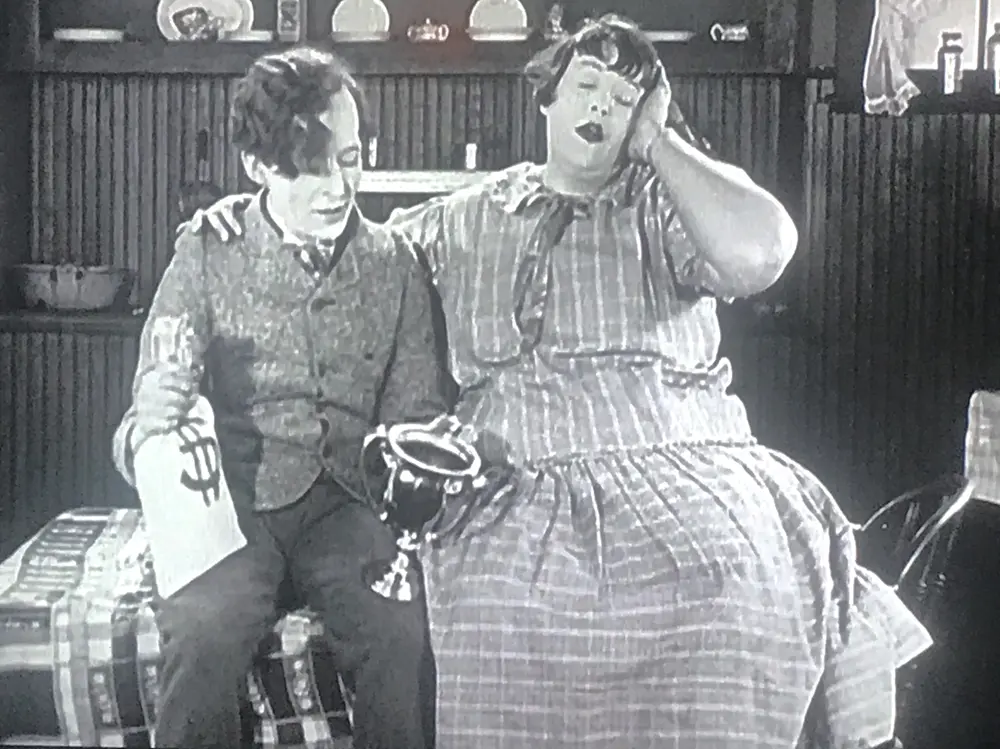
What makes the plot particularly engaging for its time is its dedication to escalating absurdity. Charley's training isn't just a montage of practice; it involves increasingly bizarre contraptions and methods, pushing the boundaries of what was technically achievable in film in the mid-1920s. This commitment to visual spectacle over intricate dialogue or character arcs is a hallmark of the era, and Bowers embraces it wholeheartedly.
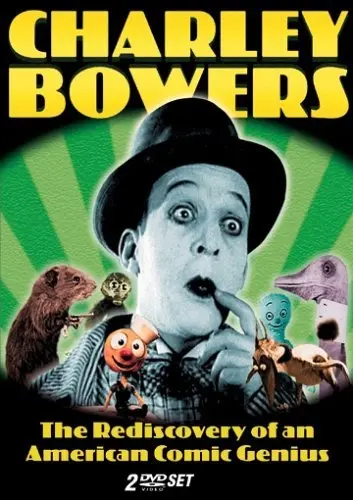
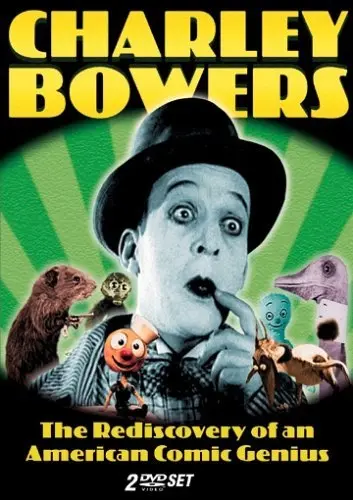
Charles R. Bowers, a name that should be far more celebrated in the annals of early cinema, truly shines as both director and star in Fatal Footsteps. His directorial vision is one of unbridled, whimsical invention, a blend of live-action slapstick and pioneering stop-motion animation that feels incredibly fresh even nearly a century later. Bowers wasn't just making films; he was engineering laughter.
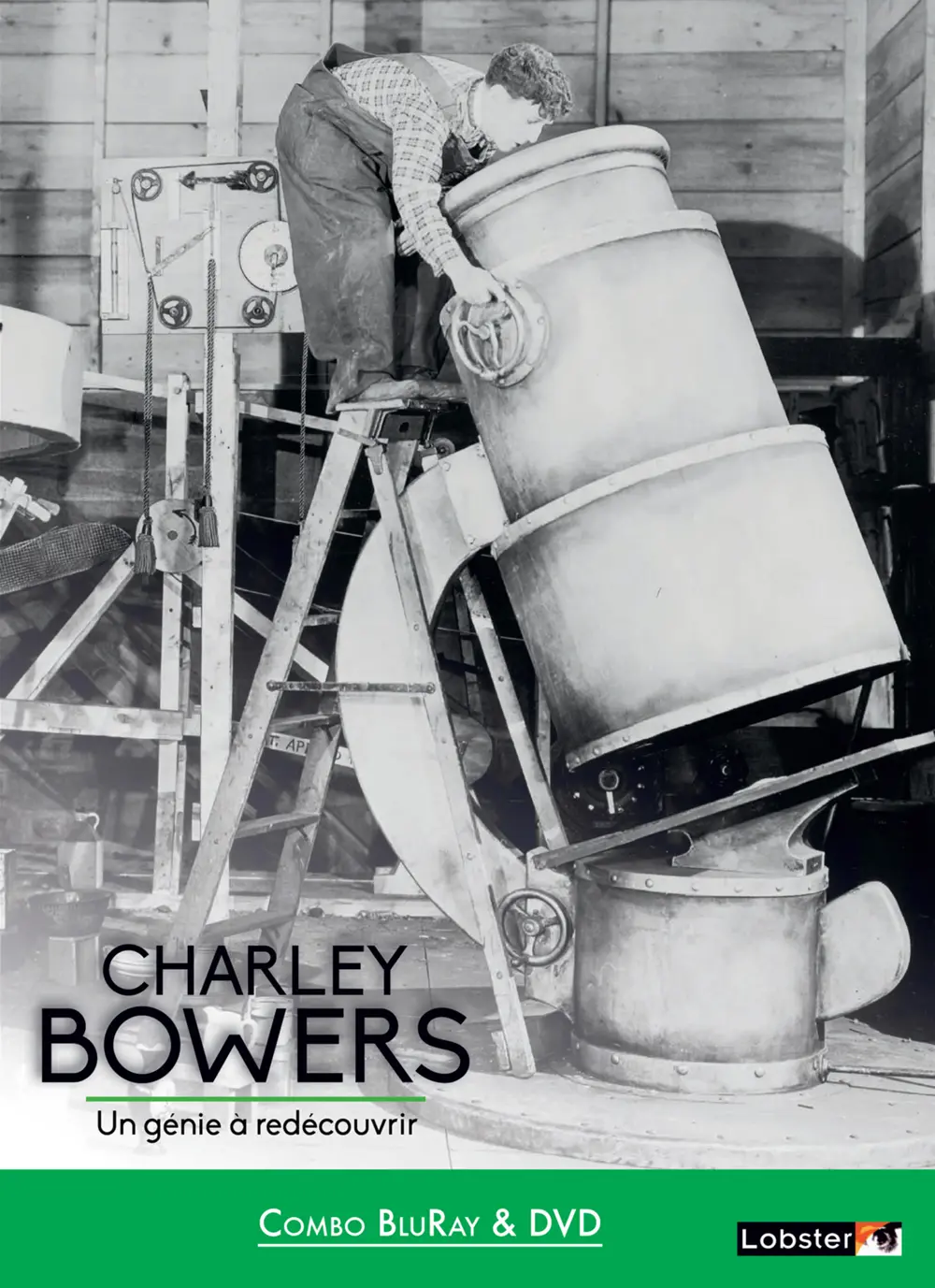
Consider the sequence where Charley attempts to learn the Charleston by strapping himself to various mechanical devices. This isn't just a simple visual gag; it's a meticulously crafted piece of physical comedy combined with ingenious special effects. We see him attached to a spinning contraption, his limbs flailing in exaggerated, uncoordinated movements, a clear precursor to the elaborate Rube Goldberg machines that would become a staple in later comedies.
Bowers' use of stop-motion, a technique he mastered and popularized, is particularly noteworthy. While not as prevalent as in some of his other shorts like A Wild Goose Chase or Circus Days, its appearance here adds a layer of surrealism that elevates the film beyond mere slapstick. It allows for impossible scenarios to unfold on screen, blurring the lines between reality and animated fantasy, a daring choice for the period.
His direction emphasizes visual storytelling above all else. Every frame is packed with potential for a gag, a reaction, or a clever piece of mechanics. There’s a relentless energy to his pacing, even if modern eyes might find the overall speed a little deliberate. Bowers understood that silent comedy thrived on exaggeration, and he pushed that to its delightful limits.
The acting in Fatal Footsteps is, as expected for a silent comedy, broad and physically expressive. Eddie Dunn and Charles R. Bowers himself lead the charge, embodying the era's reliance on pantomime and exaggerated facial expressions to convey emotion and intent. It’s a masterclass in silent-era performance, where every gesture and glance carries significant weight.
Charles R. Bowers, as Charley, is a marvel of physical comedy. He commits entirely to the character's obsession, making his contorted dance moves and frustrated expressions genuinely hilarious. His ability to convey both earnestness and utter incompetence simultaneously is what makes his performance so enduring. There’s a particular scene where he attempts a complex step and ends up tangled in his own feet, a moment of pure, unadulterated slapstick that still elicits a chuckle.
Eddie Dunn, though less central, provides a solid foil or complement where needed, adding to the ensemble's comedic timing. While the film doesn't delve into deep character studies, the performers successfully convey the archetypes necessary for the gags to land. They understand the language of silent film – the quick glances, the exaggerated gasps, the frantic movements – and execute it with precision.
It's easy to dismiss silent film acting as 'over the top' by today's standards, but within its context, it’s a highly skilled art form. Bowers and Dunn demonstrate a profound understanding of how to communicate complex ideas and emotions without a single spoken word, relying solely on their bodies and faces. Their performances are a testament to the power of non-verbal communication in cinema.
The cinematography of Fatal Footsteps, while not groundbreaking in its artistic flourishes, is highly functional and effective for its comedic purpose. The camera work is straightforward, focusing on clearly capturing the physical gags and the expressive performances. There are no sweeping crane shots or intricate tracking movements; instead, the emphasis is on framing the action in a way that maximizes comedic impact.
The film largely relies on static shots and medium close-ups to allow the audience to fully appreciate the elaborate contraptions and the performers' physical comedy. This directness ensures that no gag is missed, a crucial aspect of silent film where visual clarity is paramount. The lighting is standard for the era, bright and even, serving to illuminate the set and characters without drawing undue attention to itself.
Pacing is where Fatal Footsteps truly embodies its silent-era roots. The comedic rhythm is distinct; it builds gags slowly, allows them to play out, and then moves on. This can feel deliberate to a modern viewer accustomed to rapid-fire editing and constant stimulation. However, for those willing to adjust their expectations, this slower, more observational pace allows for a deeper appreciation of the ingenuity behind each comedic setup.
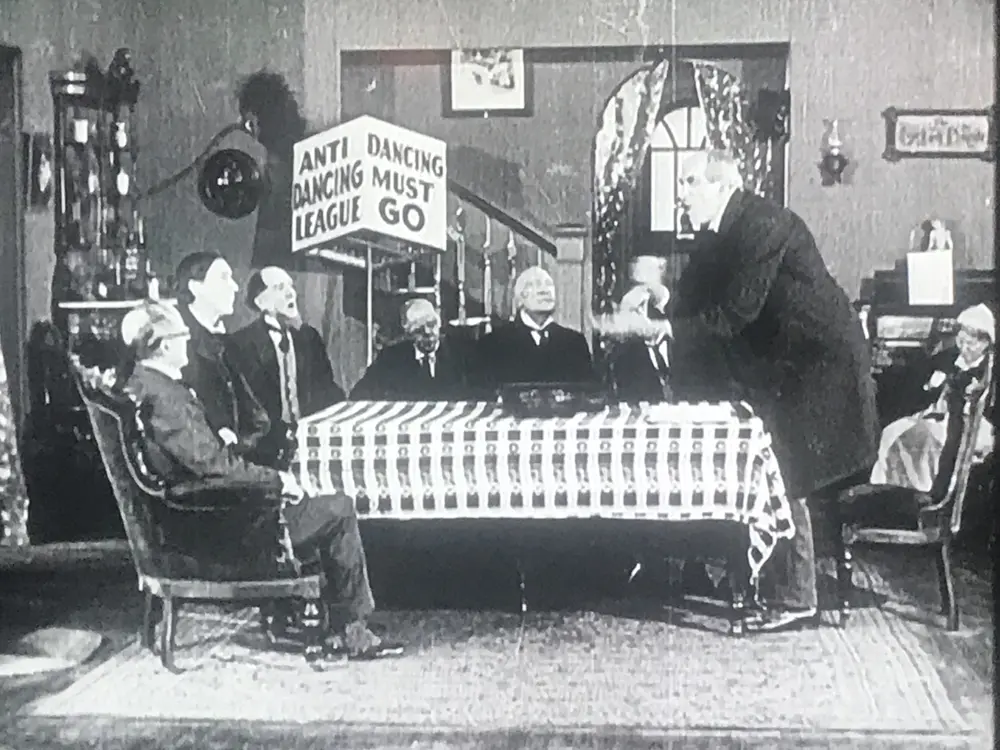
There are moments where the pacing feels perfectly timed, particularly during the more intricate stop-motion sequences or when a physical gag reaches its crescendo. Other times, especially during transitional scenes, it can drag slightly. This isn't necessarily a flaw, but rather a characteristic of the period's filmmaking style, where spectacle often trumped narrative urgency.
The overriding tone of Fatal Footsteps is one of lighthearted, inventive absurdity. It's a film that doesn't take itself too seriously, inviting the audience to revel in its silliness. There's a childlike wonder to Bowers' creations, a sense that anything is possible when you combine imagination with early cinematic techniques. This tone is consistently maintained throughout, ensuring a cohesive comedic experience.
Beneath the surface of the slapstick and mechanical gags, there are subtle thematic threads. The film playfully satirizes ambition and the lengths people will go to for perceived success or social standing. Charley's obsession with the Charleston, not for the love of dance itself but for the prize and the 'beautiful woman,' hints at a commentary on superficial motivations.
It also touches upon the burgeoning technological fascination of the 1920s. Bowers' films often feature elaborate machines and inventions, reflecting a societal enthusiasm for progress and mechanization. Here, Charley's reliance on complex devices to master a simple dance step is a humorous take on humanity's tendency to over-engineer solutions.
The film is, at its core, a celebration of ingenuity. It doesn't offer profound social commentary like The Life Story of David Lloyd George, nor does it delve into deep emotional landscapes like Driftwood. Instead, it prioritizes pure, unadulterated entertainment through visual invention. It's escapism, pure and simple, delivered with a clever wink.
Yes, Fatal Footsteps is absolutely worth watching, particularly for specific audiences. It’s a vital piece of silent comedy history. It showcases the inventive genius of Charles R. Bowers. The film offers a unique blend of live-action and stop-motion. Its gags are genuinely clever and often surprising. It's a foundational text for understanding physical comedy.
However, be prepared for a different pace. It requires patience. Modern viewers might find the humor dated in spots. It lacks the emotional depth of later films. It's a historical artifact as much as entertainment.
Fatal Footsteps is far more than a dusty old film; it’s a vibrant, quirky testament to the boundless creativity of early cinema. Charles R. Bowers, a forgotten genius in many respects, crafts a comedy that is both technically audacious and genuinely funny, even if its rhythm demands a certain adjustment from contemporary audiences. It works. But it’s flawed. Its premise, while a product of its time, can feel jarringly archaic, particularly the 'prize' of a woman. Yet, to dismiss it for this would be to overlook its true value as a pioneering work of visual comedy and animation. For those willing to embrace its unique charms and historical context, it offers a surprisingly fresh and entertaining glimpse into a bygone era of cinematic invention. It's not just a film; it's an experience in the evolution of laughter on screen. Go in with an open mind, and you might just find yourself tapping your own 'fatal footsteps' to its silent, rhythmic beat.
IMDb 6.8
1926
Community
Log in to comment.