DbcultAccessing Vault...
Cult Review
Senior Film Conservator
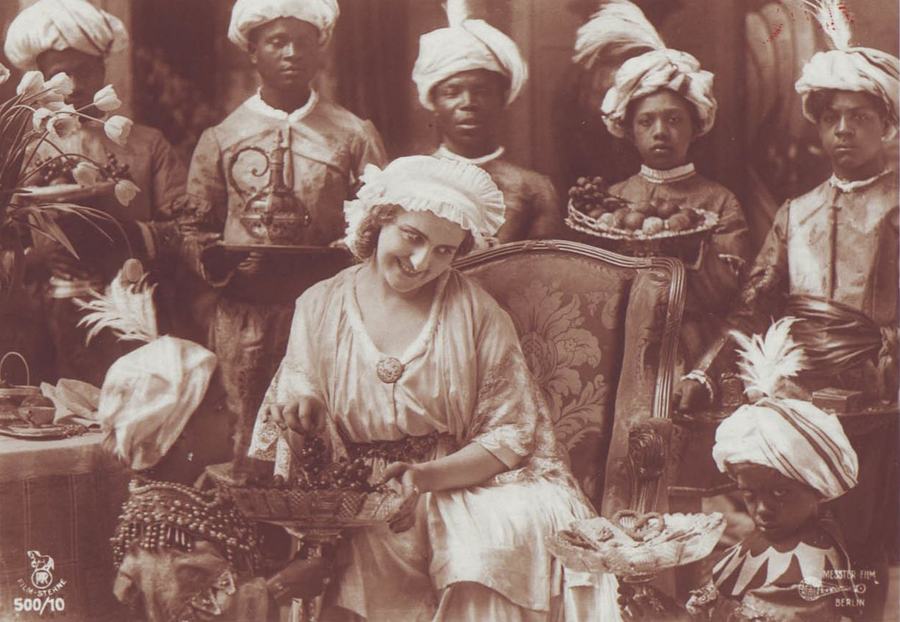
Robert Wiene, forever shackled to the twisted silhouette of Caligari, here trades expressionist angularity for champagne-bubble iridescence, yet the man still can’t resist letting the shadows in through the side door. Die Prinzessin von Neutralian—its very title a sarcastic shrug at Balkanized fairy-tale kingdoms—unfurls like a satin glove hiding brass knuckles: a drawing-room comedy that detonates the myth that money can armor a heart against shrapnel.
From the first iris-in on Ethel’s boudoir, where a Venetian mirror multiplies her yawns into infinity, the film broadcasts its preoccupation with surfaces that lie. Henny Porten—queen of Weimar cinema—plays Ethel as a woman so accustomed to applause that she mistakes disinterest for originality. Watch the micro-twitch at the corner of her mouth when another suitor kneels; it’s the same flutter a cat gives before it declines a dead mouse. Porten lets us glimpse the weariness beneath the diamonds without ever asking for pity, a tightrope walk that Garbo would patent two years later.
Opposite her, Julius Falkenstein’s Dick Robinson arrives with the elastic swagger of a man who has sold counterfeit romance in every provincial beer hall between Hamburg and Dresden. His cheekbones are sharp enough to slice contracts, yet Wiene keeps the camera a cruel arm’s length away, so we catch the panic pulsating at the base of that theatrical grin. The comedy hinges on the slow erosion of Dick’s bravado; by the time he rehearses the anticipated rejection scene in a cracked dressing-room mirror, the reflection refuses to cooperate, fragmenting his face into cubist shards—an ironic visual quote from the director’s own Caligari playbook.
The revenge cabal—stocked by John Gottowt’s cadaverous count, Paul Bildt’s Prussian martinet, and Hermann Picha’s porcine industrialist—operates less like a Freudian boys’ club than a hedge-fund before the concept existed. In a montage as brisk as ticker tape, we watch them draft charters, auction yachts to fund their scheme, and even commission a composer to score Dick’s eventual triumph. Wiene crosscuts these boardroom bacchanals with Ethel at the racetrack, her binoculars lingering not on thoroughbreds but on the clouds—perhaps the one vantage point still ungoverned by men.
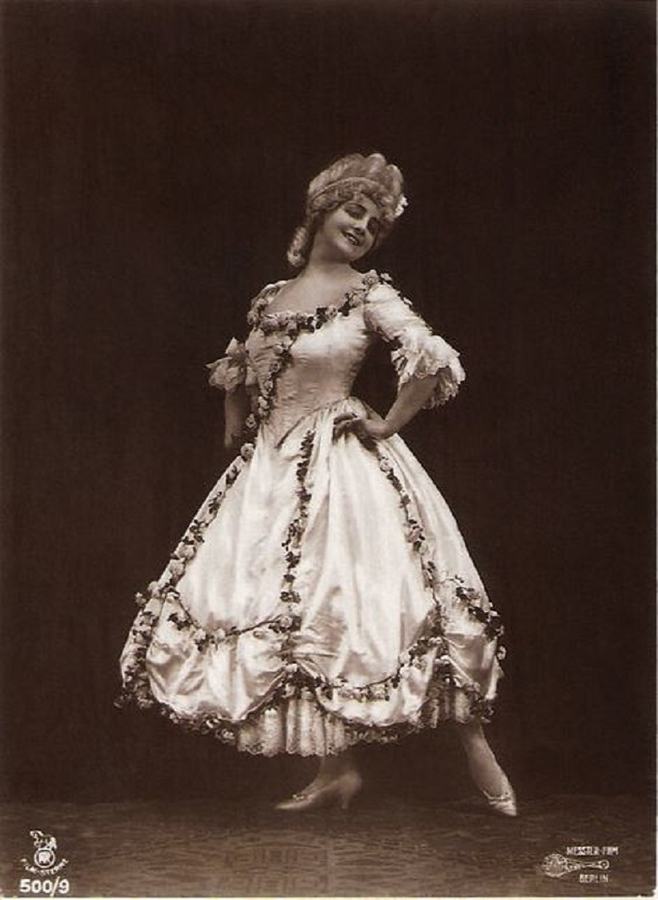
Visually, the picture luxuriates in a palette of sea-foam and molten gold. Art-director Alexander Antalffy drapes ballrooms in peacock curtains that swallow gaslight whole, while corridors shimmer with checkerboard floors—each black tile a trapdoor to social doom. When Dick first steps into the Vandergolt palace, the camera executes a slow 360-degree pan, a rarity in 1927 grammar, letting the audience inhale the opulence that will soon metastasize into emotional manacle.
The mid-film pivot—love as coup d’état—arrives wordlessly. Ethel and Dick, exiled to a winter garden dripping with condensation, share a cigarette that refuses to stay lit; the repeated failure becomes a flirtation more erotic than any liplock. Smoke veils their faces, Wiene superimposes a ghost-image of the initial contract, its clauses writhing like maggots across their skin. In that moment the film announces its true thesis: affection is the only currency that can bankrupt both buyer and sold.
Yet the screenplay, attributed to Wiene, refuses the sentimental escape hatch. Dick’s flight from the engagement party is staged as a mini-apocalypse: fireworks detonate overhead, showering ash onto white gloves; a champagne tower implodes in slow-motion, each cascading flute a minor betrayal. Note the sound-design sleight-of-hand—although the print is silent, the intertitles shrink, almost whispering, as if ashamed to speak. The effect is so disarming that modern audiences routinely gasp when the orchestral score—available on the 2023 4K restoration—drops to solo celesta.
Comparative glances are illuminating. If Die Gespensteruhr weaponized time itself and He Who Gets Slapped used circus greasepaint to probe masochism, Neutralien locates its horror in petticoat diplomacy. The Vandergolt fortune is never seen in ledgers; instead, it manifests as household staff who materialize the instant a teacup hovers, a choreography that makes Downton Abbey feel like a commune.
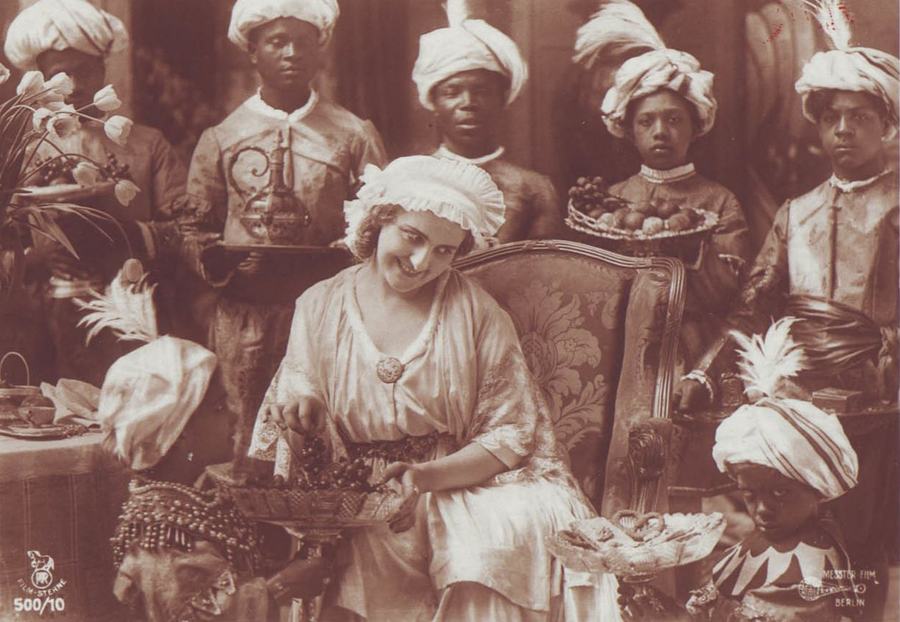
Some historians label the final reel a cop-out: Ethel’s fake destitution as deus-ex-machina. I dissent. The heiress’s performance of ruin—selling her last sable to buy a third-class train ticket—proves that she, too, has mastered theatrical deceit. When Dick finds her shelling peas in a garret lit by a solitary candle, the walls are stained the exact shade of jaundice we saw in his boarding-house earlier. The symmetry implies a moral democracy: poverty as equal-opportunity humbler. Their reconciliation kiss is filmed in extreme chiaroscuro, faces half-eclipsed, suggesting that trust, once cracked, can never be relit to its original wattage.
Restoration-wise, the 2023 Murnau-Stiftung edition excavates tints thought lost: moonlit blues for the garden tryst, sulphurous yellows during the sham bankruptcy. More revelatory are the marginalia on the surviving continuity script—Wiene scribbled “Capitalism is the real Caligari” beside the revenge-club scene, an anachronistic jab that feels startlingly contemporary. Film-scholars still feud over whether Neutralien is a conservative paean to monogamy or a stealth satire on Weimar’s widening maw between rich and poor; the brilliance is that, like its protagonist, the movie refuses to declare its hand.
Performances remain Olympian. Porten’s final close-up—eyes shimmering with unshed tears yet chin tilted in regal defiance—deserves pedestal placement beside Tigre Reale’s ferocious countess. Falkenstein, often dismissed as a poor man’s Jannings, achieves something more unsettling: a fraud who recognizes his own hollowness yet keeps tap-dancing because the music hasn’t stopped. Their chemistry is so tactile you can almost smell the greasepaint mingling with violet perfume.
In the current cultural moment, where influencer courtships are monetized down to the last rose emoji, Die Prinzessin von Neutralien feels eerily prescient. Every swipe-right seduction carries the ghost of Dick’s contract; every trust-fund confession-cam echoes the Vandergolt ballroom. To watch this film is to realize that 1927 already understood love as a speculative bubble, liable to burst the instant truth enters the trading floor.
So seek it out—stream it on Kanopy, project it on a bedsheet if you must, but let its brittle laughter crawl under your epidermis. Just don’t expect comfort; Wiene’s comedy leaves you with the aftertaste of champagne turned to vinegar, a reminder that the heart is the one commodity even the super-rich cannot corner the market on. And when the credits—hand-illuminated like medieval manuscripts—finally fade, you may find yourself counting your own affections, wondering which of them are counterfeit, and who among us hasn’t, at some point, been both swindler and swindled in the grand bazaar of desire.
IMDb 6.9
1917
Community
Log in to comment.