DbcultAccessing Vault...
Cult Review
Senior Film Conservator
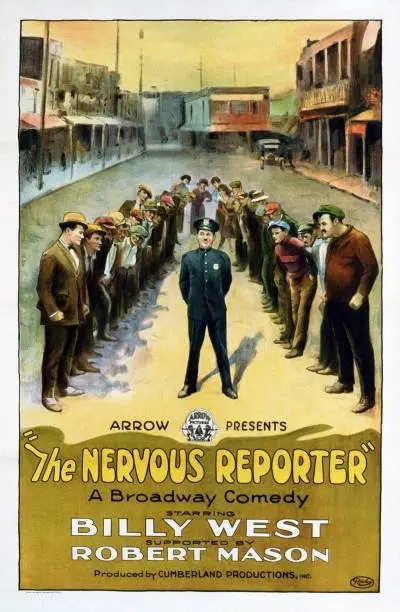
To engage with The Nervous Reporter is to step into a temporal fracture where the frantic energy of the 1920s newsroom is distilled into pure, unadulterated motion. Billy West, often unfairly relegated to the shadow of Chaplin, demonstrates here an idiosyncratic rhythmic sensibility that deviates from the lyrical pathos of his contemporary. Where Chaplin was a poet, West is a percussionist. His performance in this film is a masterclass in high-velocity neurosis, a portrayal of the modern man caught in the gears of an increasingly mechanical and demanding society. The film functions as a frantic ballet of ink and adrenaline, capturing a specific American zeitgeist that preceded the Great Depression.
Critics have frequently scrutinized West for his visual resemblance to the Little Tramp, yet The Nervous Reporter serves as a definitive argument for his unique comedic agency. Unlike the ethereal wanderings found in Playmates, West’s reporter is grounded in a desperate, vocational necessity. His anxiety is not merely a personality trait; it is a survival mechanism. The way he interacts with the physical space of the newsroom—the heavy typewriters, the sprawling broadsheets, the looming presence of the editor—suggests a man perpetually on the verge of being swallowed by his own profession. This isn't just slapstick; it's a proto-existentialist struggle against the clock.
Thematic Resonance:
The film utilizes the 'nervous' trope not just for laughs, but as a commentary on the hyper-accelerated communication of the early 20th century. It mirrors the tension found in contemporary dramas like The Door Between, though it resolves its conflicts through physical comedy rather than melodramatic catharsis.
Bess True’s contribution to the film cannot be overstated. In an era where female roles were often bifurcated into the ingenue or the vamp, True provides a performance that is remarkably grounded. She serves as the structural integrity of the film, the calm eye within West’s hurricane of movement. Her chemistry with West isn't built on the saccharine sentimentality of The Princess of Patches, but on a mutual understanding of comedic timing. She anticipates his movements, providing the necessary friction for his kinetic energy to ignite. Without her, the film might have devolved into aimless chaos; with her, it becomes a sophisticated duet of timing and reaction.
Visually, The Nervous Reporter utilizes the stark contrasts of orthochromatic film stock to create a world of deep shadows and brilliant highlights. The newsroom is depicted as a labyrinth of high-contrast blacks and whites, mirroring the moral clarity (or lack thereof) in the pursuit of a headline. The cinematography captures the grit of the urban environment with a verisimilitude that rivals the social realism of Miss Peasant. Every frame is packed with detail, from the cluttered desks to the frantic gesticulations of the background extras, creating a sense of a living, breathing world that exists beyond the frame.
When placed alongside other works of the era, such as the more overtly theatrical National Red Cross Pageant, The Nervous Reporter feels strikingly modern. It eschews the grandiosity of the stage for the intimacy of the lens. It shares a certain thematic DNA with Youthful Cheaters in its exploration of societal expectations, but it approaches the subject with a lighter, though no less incisive, touch. The film’s focus on the 'nervous' aspect of the protagonist also offers a fascinating counterpoint to the stoic heroism found in An Overall Hero. Here, the hero is flawed, jittery, and profoundly human.
The narrative arc, while seemingly simple—get the story, save the day—is layered with obstacles that border on the surreal. From the logistical nightmares of 1920s transportation, reminiscent of the frantic energy in Taxi Please, to the interpersonal complications that arise from a single misunderstanding, the film is a masterclass in escalating stakes. It captures the essence of the 'little man' fighting against the 'big machine,' a theme that remains as relevant today as it was nearly a century ago. Unlike the domestic tranquility sought in Wanted: A Baby, the quest in The Nervous Reporter is for professional validation in a world that rarely grants it.
In the broader context of international cinema, such as the Japanese sensibilities of Miyama no otome or the French sophistication of Le nabab, The Nervous Reporter stands out for its quintessentially American vigor. It is a film that celebrates the hustle. It understands that in the city, silence is never truly quiet; it is filled with the vibration of a thousand stories waiting to be told. The restoration of such films is vital, as they provide the connective tissue between the vaudeville of the past and the sophisticated comedies of the present. Billy West’s nervous energy is not a relic; it is a precursor to the neurotic humor that would later define the works of icons like Woody Allen or Larry David.
Ultimately, The Nervous Reporter is more than a comedic relic. It is a vibrant, breathing document of an era in transition. It captures the beauty of the struggle, the humor in the hardship, and the sheer, unbridled joy of a well-executed gag. Whether compared to the moral gravity of His House in Order or the spiritual yearning of The Little Church Around the Corner, this film carves out its own niche in the pantheon of silent cinema. It reminds us that while technology changes and the way we consume news evolves, the human heart—and the human funny bone—remains remarkably constant. The reporter may be nervous, but the film itself is confident, precise, and eternally entertaining.
IMDb —
1936
Community
Log in to comment.