DbcultAccessing Vault...
6/10
Senior Film Conservator
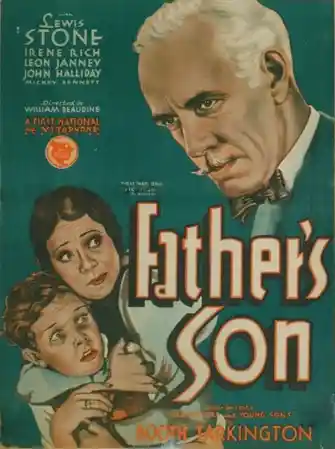
A definitive 6/10 rating for a film that redefined the boundaries of cult cinema. Father's Son remains a cornerstone of transgressive art.
"Father's Son" is one of those old films that really digs into family drama, specifically the tough relationship between a strict dad and his spirited kid. If you're into seeing how these kinds of stories played out back in the day, with emotions laid pretty bare, you might find something interesting here. But if you prefer your movies fast-paced and subtle, this one's probably not for you. It's got a certain heaviness to it.
At its heart, it’s about Bill Emory, a mischievous boy who, let's be honest, just acts like a normal kid. He’s got that energy, you know? Always doing something, maybe a little too loud, a little too curious. His father, William, though, sees every little thing as a chance to enforce discipline.
The punishments Bill gets are constant. Not always physically harsh, but the emotional weight of them is palpable. You can almost feel the movie trying to convince you that this interaction, this stern look, this quiet lecture, really matters. And it does, to Bill.

There’s a scene where Bill is told off for something incredibly minor, like spilling a glass of water. The camera just kinda hangs on Bill's face afterward, and you can almost see the kid’s shoulders slump. It's a small detail, but it speaks volumes about how he’s feeling. 😔
William, the dad, he's not exactly a monster. But he's got this way of looking at Bill, stony almost, that tells you everything you need to know about their relationship. You don't need a long explanation. You just get it.
I kept wondering if William ever actually listened to his son. There's a moment, a short one, where Bill tries to explain something, and William just cuts him off. Over and over. It's frustrating to watch, especially when you can see Bill’s earnestness.
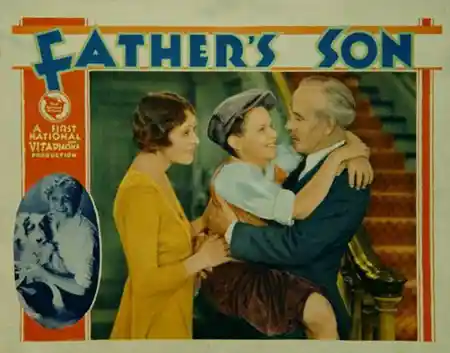
Eventually, Bill can't take it anymore. The whole sequence where he finally bolts feels a bit... quiet. Not a big dramatic chase, just a kid slipping out a door. That felt real, in a way, like a desperate, private act. It’s not a grand, rebellious exit; it’s a desperate escape.
Then there's the aftermath. The film doesn't rush it, almost lingers on the empty house after Bill leaves. You can practically hear the clock ticking in the silence. It’s a powerful negative space.
One character, an older neighbor lady, has this really brief scene where she just shakes her head. It’s quick, but it tells you she's seen this dynamic before. And she knows it's not good. It’s a little moment that sticks.
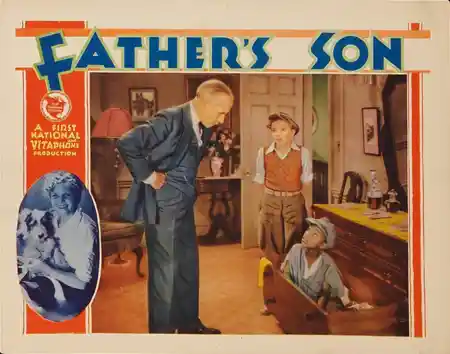
The "complications" that arise after Bill runs away feel a little... tidy in some ways. Not entirely unexpected, if you know these older stories. The world isn't always as messy as it could be, which sometimes makes the film feel a bit less gritty than its premise suggests.
The movie does a good job of showing the consequences of William's strictness, not just for Bill, but for William himself. There’s a certain stillness that creeps into William’s performance once Bill is gone. He’s left with his own thoughts, which must be heavy.
Sometimes the dialogue, especially from the adults trying to explain things, is a little on the nose. But then, it was a different time for movies, and I think it fits the era’s storytelling style. It doesn't detract too much.
The ending, without giving anything away, it leaves you thinking. Not a grand, sweeping resolution, more of a "well, now what?" kind of feeling. Which, for me, is often better than a perfectly tied-up bow. It acknowledges that some wounds don’t just heal overnight.
This isn’t a film you put on for light entertainment. It’s a look back at a particular kind of family drama, played out with a lot of quiet intensity. It’s about the emotional distance between people who should be close, and the often harsh ways we learn from our mistakes. Give it a watch if you appreciate a thoughtful, albeit slow, character study from another time. 👍
IMDb 6.7
1929
Community
Log in to comment.