DbcultAccessing Vault...
Cult Review
Senior Film Conservator
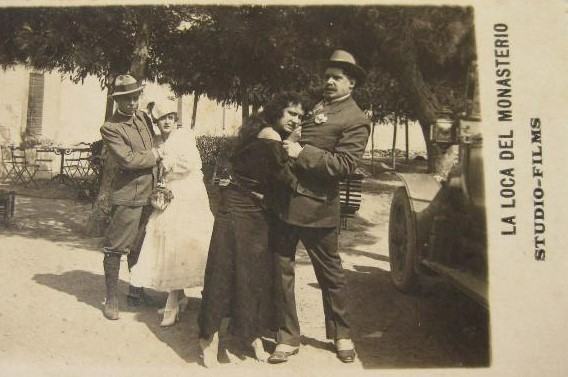
Stepping into the spectral embrace of La loca del monasterio is akin to entering a dreamscape woven from shadows and whispered anxieties. This silent epic, a testament to the evocative power of early cinema, plunges viewers into a world where sanity is a fragile construct and truth a phantom, constantly eluding grasp. From its very opening frames, Domènec Ceret's directorial vision, bolstered by his own intricate screenplay, establishes an atmosphere so thick with foreboding that it clings to the viewer long after the final intertitle fades. It is a film that demands immersion, inviting us to peer into the abyss of a tormented mind, all without the aid of spoken dialogue, relying instead on the exquisite artistry of its performers and the profound resonance of its visual poetry.
At the heart of this chiaroscuro narrative stands Rosita Barco as Elena, the titular 'madwoman of the monastery'. Her performance is nothing short of transcendent, a masterclass in silent-era emoting that manages to convey an entire spectrum of human suffering with a mere tilt of the head or a trembling hand. Barco eschews histrionics, instead crafting a portrayal of profound internal anguish. Elena's 'madness' is not a caricature but a deeply felt consequence of trauma, manifesting in moments of chilling stillness punctuated by sudden, almost violent, flashes of clarity. Her eyes, often wide with a haunted intensity, serve as windows into a soul battling not just external confinement but the internal prison of a shattered memory. It’s a performance that echoes the tragic gravitas found in films like Monna Vanna, where the female protagonist is similarly trapped by circumstance and societal expectation, though Barco’s struggle feels even more visceral, more internalised.
The monastery itself, a character unto its own, is rendered with an architectural austerity that speaks volumes. Its ancient stones, soaring arches, and dimly lit corridors become a labyrinth reflecting Elena's fragmented psyche. The cinematography, while typical of its era, leverages stark contrasts of light and shadow to amplify the film's psychological tension. Sunbeams piercing through stained-glass windows illuminate dust motes dancing in the air, momentarily offering a glimpse of grace before the encroaching darkness of suspicion and despair reclaims the frame. This visual language is crucial, allowing the audience to infer the unspoken horrors that have led Elena to this desolate sanctuary, a place meant for spiritual solace but which, for her, has become a gilded cage.
The ensemble cast, under Ceret’s astute direction, provides a robust counterpoint to Barco’s central performance. Josep Font, as the conflicted Father Anselmo, embodies the moral ambiguity that permeates the narrative. His initial compassion for Elena slowly gives way to a troubling complicity, or perhaps fear, as he grapples with the dark secrets that begin to surface within the monastic order. Font’s subtle shifts in expression, from paternal concern to guarded apprehension, are a testament to his skill, creating a character whose loyalty is perpetually in question. Similarly, Consuelo Hidalgo’s portrayal of the Mother Superior is a masterclass in controlled power. Her serene demeanor belies a formidable will, and as the plot thickens, her benevolence takes on an increasingly sinister hue, leaving the audience to ponder the true nature of her intentions. The interplay between these characters, often communicated through intense gazes and restrained gestures, builds a palpable tension that propels the narrative forward.
Domènec Ceret, not only as the film's writer but also appearing in a pivotal, albeit mysterious, role, weaves a tapestry of deceit and revelation. His screenplay is remarkably intricate for a silent film, eschewing simplistic hero-villain dynamics in favor of a more nuanced exploration of human failing and systemic corruption. The plot, initially shrouded in the fog of Elena’s 'madness', gradually unfurls to expose a conspiracy rooted in greed and the desperate need to conceal a past transgression. This slow-burn revelation keeps the audience perpetually on edge, trying to discern the truth alongside Elena, piecing together the fragments of memory and suspicion. It's a narrative strategy that elevates La loca del monasterio beyond typical melodramatic fare, pushing it into the realm of psychological thriller, reminiscent of the intricate plotting found in films like The Secret Sin, where hidden truths similarly drive the dramatic impetus.
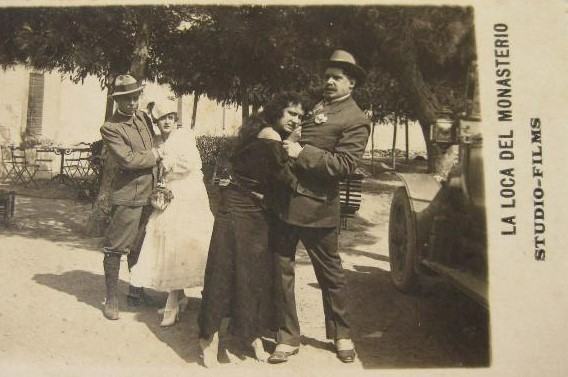
The thematic richness of the film is undeniable. It grapples with profound questions: What constitutes sanity? How does society define and confine those who deviate from the norm? What is the true cost of hidden truths? The monastery, a symbol of spiritual refuge, ironically becomes a crucible for Elena’s suffering, highlighting the often-hypocritical nature of institutions claiming moral authority. Her struggle is not merely personal; it is a commentary on the societal tendency to dismiss and silence those who challenge established orders, especially women. Elena’s journey from a perceived 'loca' to a tragic figure of revelation is a powerful indictment of a world quick to judge and slow to understand. The film’s exploration of these themes feels remarkably prescient, resonating with a timeless relevance that transcends its historical context.
The pacing of La loca del monasterio is deliberately measured, allowing for the slow accretion of dread and the gradual unveiling of its mysteries. Unlike the often frantic energy of some contemporary productions, this film understands the power of sustained tension. Long takes, thoughtful compositions, and the judicious use of intertitles create a rhythm that pulls the viewer deeper into Elena’s subjective experience. Each revelation, each flicker of memory, feels earned, contributing to a sense of mounting inevitability. This deliberate approach allows the emotional weight of the narrative to truly sink in, making the eventual climax all the more impactful. It’s a masterful exercise in control, proving that silence can be far more eloquent than any dialogue.
The film's visual style, while rooted in the conventions of the silent era, exhibits an artistic flair that sets it apart. The use of natural light, the stark contrast between the luminous exterior and the shadowed interiors of the monastery, and the symbolic deployment of props and costumes all contribute to its distinctive aesthetic. Elena’s simple, often disheveled attire stands in stark opposition to the rigid habits of the nuns, further emphasizing her status as an outsider, a disruption to the established order. The careful framing often isolates characters, underscoring their solitude and the emotional distance between them. These visual choices are not merely decorative; they are integral to the storytelling, conveying subtext and emotional states that words alone could not capture. One might draw parallels to the atmospheric intensity of films like The Golem, where the setting itself becomes a character, imbued with a powerful, almost oppressive presence that dictates the mood and fate of its inhabitants.
The supporting performances, including Lola París, Samuel Hipson, and Nina Reiggini, though perhaps less prominent than Barco and Font, contribute significantly to the film’s rich tapestry. Each actor, through subtle gestures and expressions, helps to populate this confined world with individuals whose motives are rarely transparent, adding layers of intrigue and suspicion. Elena Jordi, too, delivers a memorable turn, ensuring that even minor characters leave an indelible impression. Their collective efforts create a believable, albeit morally ambiguous, community within the monastery walls, making the eventual unraveling of its secrets all the more devastating. The sense of a small, insular society grappling with an internal threat is palpable, reminiscent of the societal critiques found in films such as Vultures of Society, though here the 'vultures' wear habits rather than top hats.
Ultimately, La loca del monasterio stands as a towering achievement of silent cinema, a film that transcends its genre and era to deliver a timeless exploration of the human condition. It is a haunting meditation on memory, madness, and the relentless pursuit of truth in a world determined to suppress it. Rosita Barco’s performance alone is worth the price of admission, but the film’s overall artistic integrity, from Ceret’s visionary direction and writing to the meticulous craftsmanship of its cinematography, elevates it to the pantheon of cinematic classics. It challenges viewers to look beyond the surface, to question perceived realities, and to recognize the profound courage required to reclaim one's narrative from the clutches of deception. This is not merely a historical artifact; it is a vibrant, deeply affecting work that continues to speak to the enduring power of visual storytelling and the resilience of the human spirit in the face of overwhelming adversity. The film’s lasting impact lies in its ability to disturb and enlighten in equal measure, leaving an echo in the mind that reverberates with both tragedy and a profound, albeit hard-won, sense of clarity. It is a film that rewards repeated viewings, each time revealing new nuances in its intricate web of shadows and light.

IMDb 7.8
1925
Community
Log in to comment.