DbcultAccessing Vault...
5.9/10
Senior Film Conservator
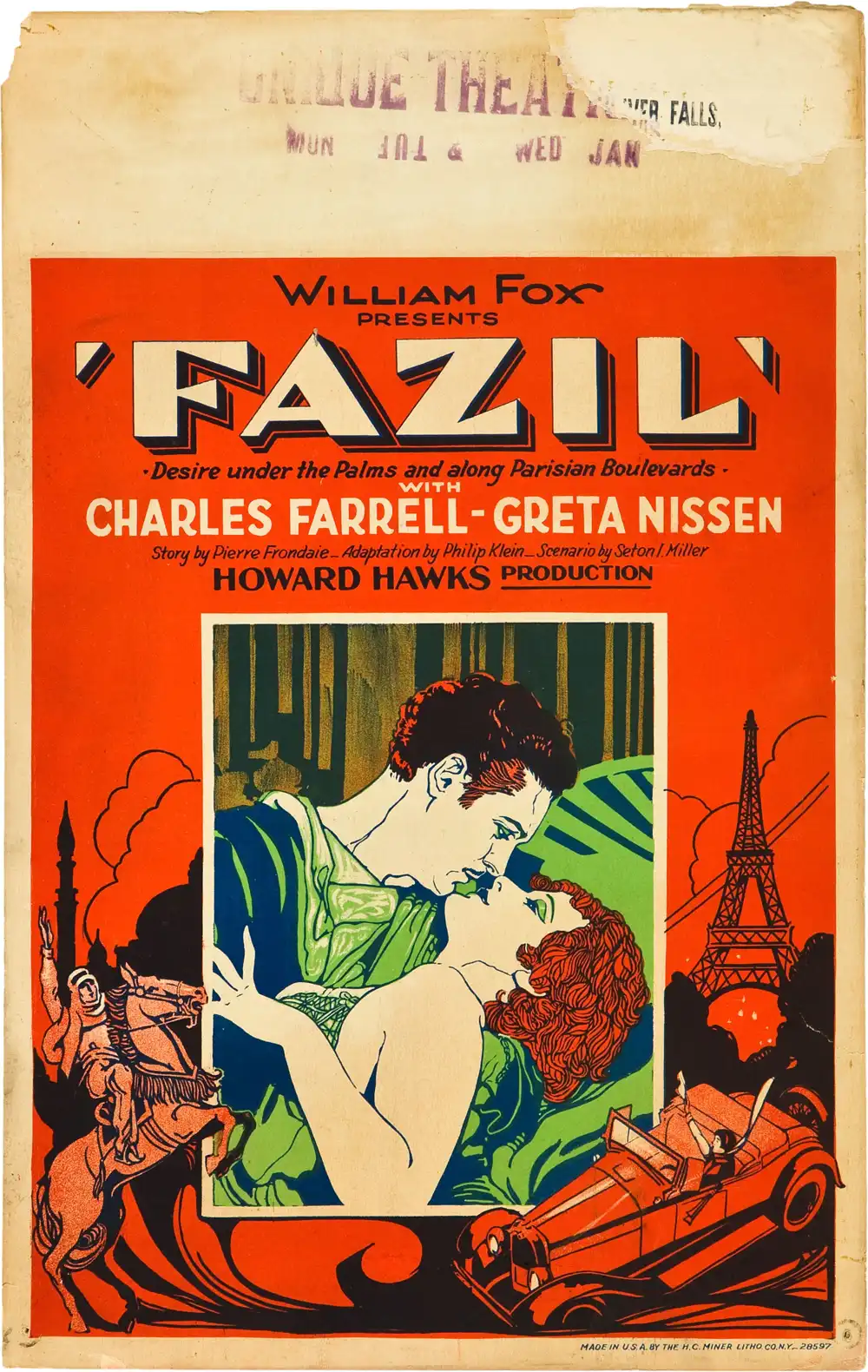
A definitive 5.9/10 rating for a film that redefined the boundaries of cult cinema. Fazil remains a cornerstone of transgressive art.
If you are coming to Fazil because you are a Howard Hawks completist, you will find a director who is already a master of the camera but hasn't yet found his voice as a storyteller. For everyone else, Fazil is a difficult, often frustrating watch. It is worth seeing today primarily as a museum piece—a high-budget example of the 1920s 'Sheik' craze that attempted to blend lush romance with deeply regressive themes of domestic control. It will likely alienate modern viewers who have little patience for its 'East vs. West' caricatures, but it remains a compelling example of late-silent era cinematography.
The film opens in Venice, and for the first twenty minutes, it feels like a standard, high-society romance. Charles Farrell plays Prince Fazil with a stiff, brooding intensity that feels miles away from the gentle charm he displayed in 7th Heaven. He meets Fabienne (Greta Nissen), and the attraction is instant. However, the 'romance' here is framed almost entirely through the lens of ownership. There is a specific moment early on where Fazil looks at Fabienne’s modern evening gown not with admiration, but with a palpable sense of disapproval that borders on hostility. It’s a small, silent beat, but it sets the tone for the entire film.
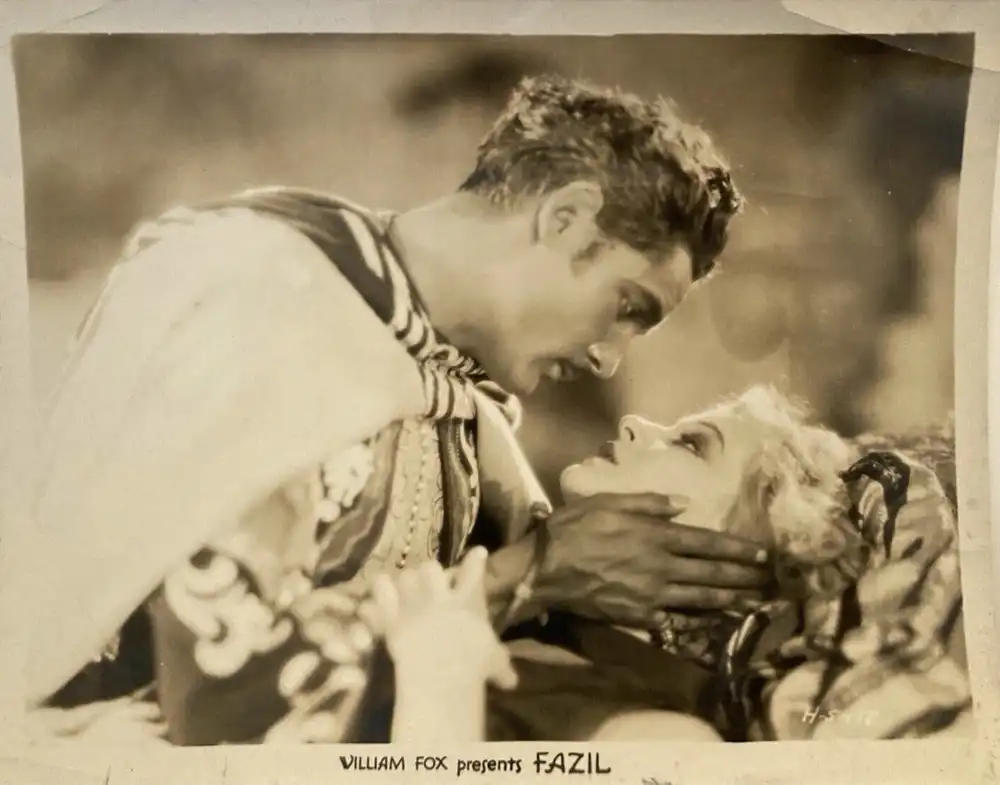
Unlike other films of the era like A Fool's Paradise, which leaned into the fantasy of the 'exotic' locale, Fazil is surprisingly grounded in its depiction of a miserable marriage. Once the couple moves to Paris, the cracks don't just show; they become the entire foundation of the movie. Fazil cannot stand Fabienne’s male friends or her desire to exist in public. The drama isn't derived from a misunderstanding, but from a fundamental, irreconcilable difference in how the two characters view the role of a woman. Hawks doesn't shy away from the ugliness of this; he films their arguments in tight, oppressive frames that make the lavish sets feel like cages.
While the story is a slog of toxic jealousy, the visuals are frequently breathtaking. This is 1928, the pinnacle of silent film technology, and the cinematography by L. William O'Connell is top-tier. There is a sequence in the desert where the high-contrast lighting creates silhouettes against the dunes that look like charcoal drawings. The way Hawks uses shadows in the palace scenes—long, jagged lines that cut across the floors—mirrors the fracturing of the couple's relationship.
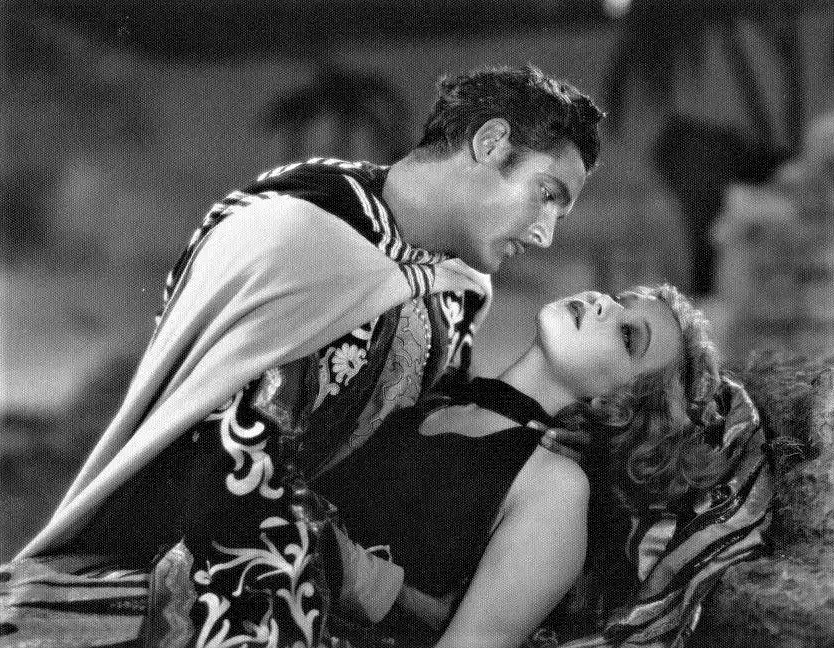
One detail that only someone sitting through the film would notice is the recurring motif of the cigarette. In Paris, Fabienne smokes freely, a sign of her modernity. In the desert, the act of smoking becomes a point of contention, a small rebellion that Fazil tries to extinguish. It’s a subtle piece of character work in a film that otherwise relies on very broad strokes. The costume design also deserves a mention; Greta Nissen’s wardrobe transitions from fluid, airy Parisian silks to heavy, restrictive traditional garments, visually tracking her loss of agency.
The middle act of the film drags significantly once the setting shifts to Fazil’s desert kingdom. Here, the movie indulges in every 'Orientalist' trope imaginable. We are introduced to Fazil’s harem, and the film takes a strange, almost ethnographic detour that stalls the narrative momentum. The women in the harem are treated as set dressing, and the scenes of Fabienne’s shock at the 'barbaric' customs of the East feel repetitive. If you’ve seen The Man in the Moonlight, you’ll recognize the same fascination with the 'other,' but here it’s handled with a heavier hand.
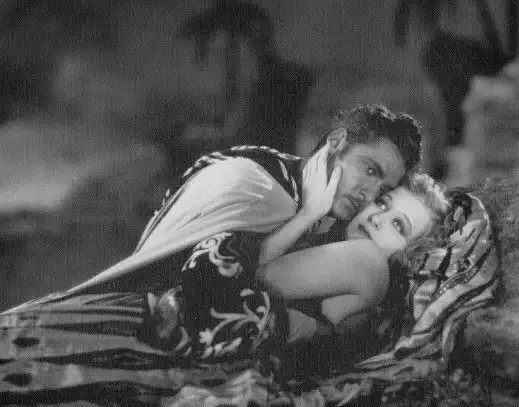
The editing rhythm also feels a bit schizophrenic. Hawks moves from fast-paced, witty social gatherings in Venice to long, static shots of Fazil brooding in the desert. While this was likely intended to show the 'timelessness' of the East compared to the 'frenetic' West, it often just feels like the movie has run out of things to say. There are several overlong reaction shots of Greta Nissen looking mournfully out of windows that could have been trimmed to keep the tension high.
Charles Farrell is the weakest link here, though it may not be entirely his fault. He is tasked with playing a character who is essentially a wall of stoicism and anger. There is very little 'light' in his performance. He stands so rigidly that he often looks like a statue, which makes it hard to believe Fabienne would risk her life to stay with him. In contrast, Greta Nissen is excellent. She manages to convey a genuine sense of panic and claustrophobia as the walls close in on her. Her performance keeps the film from becoming a total caricature.
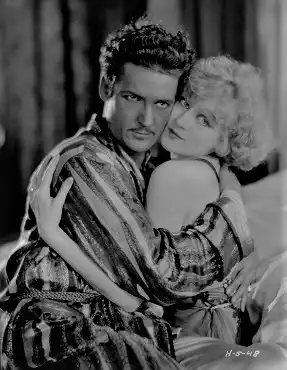
The supporting cast is mostly forgettable, serving as various archetypes of the 'concerned friend' or the 'loyal servant.' Mae Busch shows up briefly, but she isn't given much to do. The film is entirely a two-hander, and when the chemistry between Farrell and Nissen turns sour, there isn't much else to hold the audience's interest.
Fazil is a beautifully shot nightmare. It is a film about a woman who falls in love with a man who wants to erase her personality, and the movie doesn't seem entirely sure whether it wants us to find this romantic or horrifying. By the time we reach the operatic, tragic finale—which involves a poisoned ring and a final, desperate embrace—the film has moved into the realm of pure melodrama.
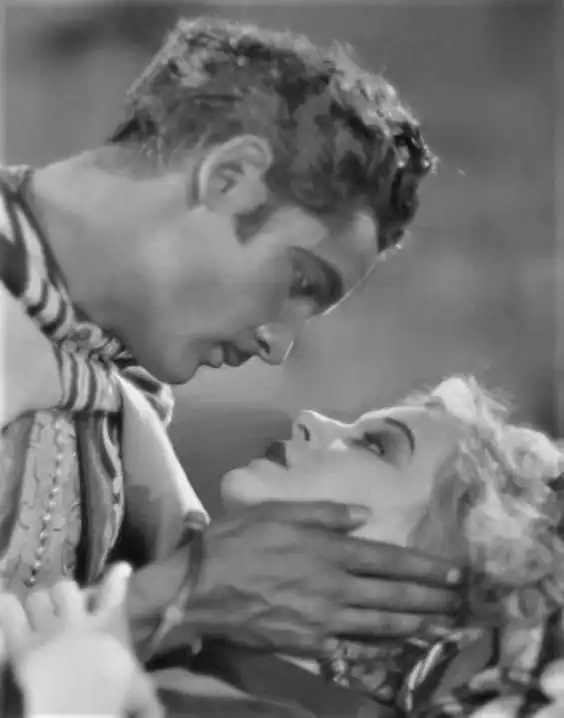
Watch it for the lighting, the art direction, and the historical curiosity of seeing an early Howard Hawks film that lacks his signature wit. Skip it if you want a romance that doesn't leave a bitter aftertaste. It is a fascinating failure that tells us more about the prejudices of 1928 Hollywood than it does about the characters on screen.
IMDb 5.9
1933
Community
Log in to comment.