DbcultAccessing Vault...
7.1/10
Senior Film Conservator
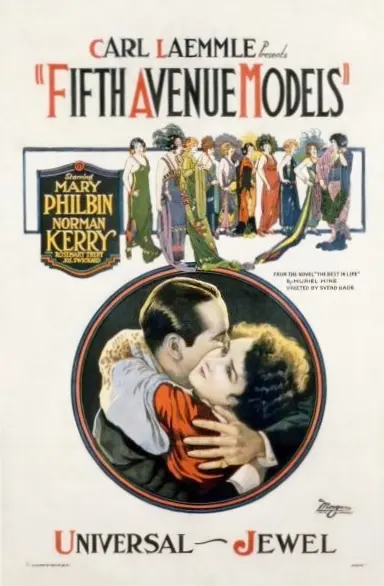
A definitive 7.1/10 rating for a film that redefined the boundaries of cult cinema. Fifth Avenue Models remains a cornerstone of transgressive art.
In 'Fifth Avenue Models', a story that unfolds in the opulent corridors of luxury fashion, the protagonist, a model named Margot, finds herself entangled in a web of deceit and moral ambiguity. The film’s narrative masterfully interweaves a series of events that begin with a heated argument in a high-end boutique, leading to a catastrophic incident where an irreplaceable gown is damaged.
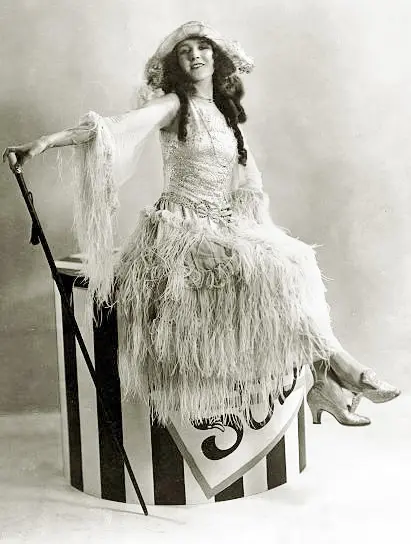
Margot, attempting to address the financial implications of her blunder, turns to her father, an artist, for assistance. This act of desperation pushes the plot into an unexpected direction, as her father becomes entangled in a conspiracy involving art theft. The patriarch’s entanglement in these criminal activities not only jeopardizes his reputation but also brings him into conflict with a group of seasoned art thieves. The father’s arrest serves as a pivotal point, signaling the escalation of the film's suspense and the unraveling of underlying family tensions.
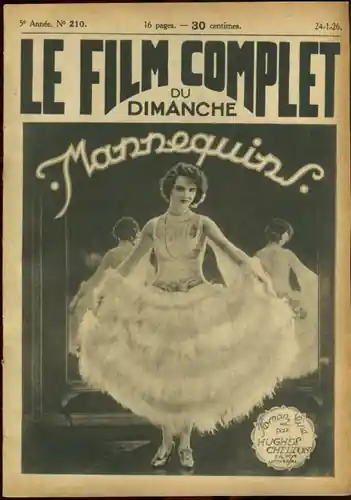
The film’s exploration of family dynamics is nuanced, delving into the complexities of father-daughter relationships and the generational divide. Margot’s quest for respect and independence is juxtaposed with her father’s declining fortunes and moral compromises. This interplay between personal and professional realms creates a rich tapestry of emotional and ethical dilemmas. The visual aesthetics of the film reflect the grandeur of the setting, with sumptuous costumes and elegant interior designs providing a stark contrast to the morally murky undertones of the plot.
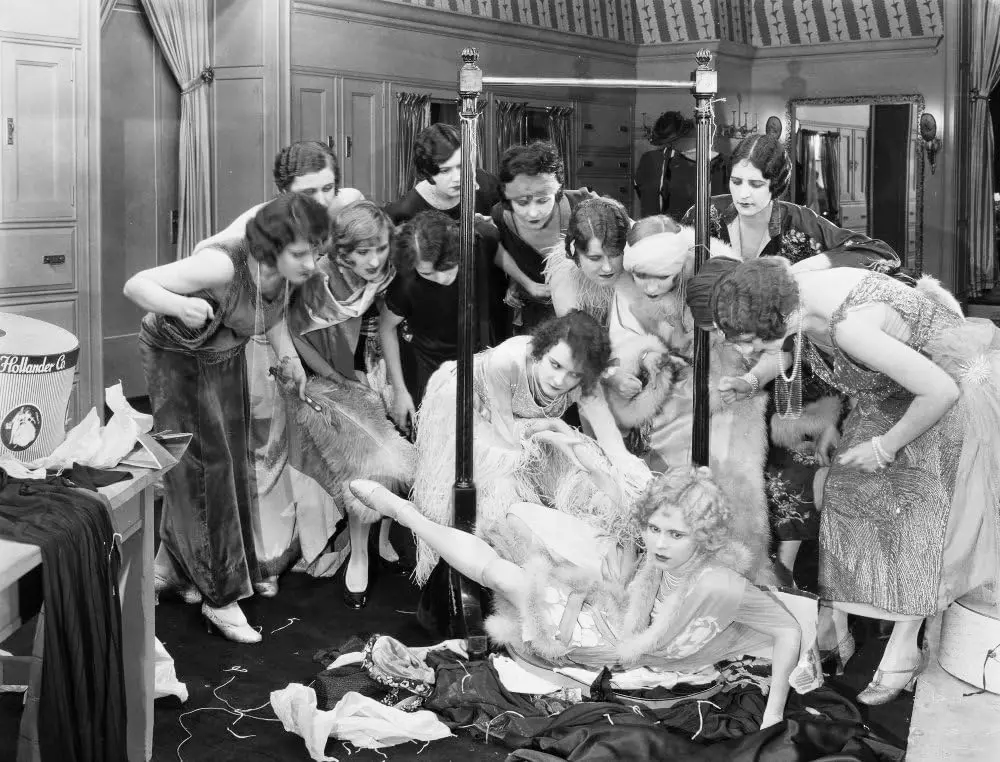
Dorothy Seastrom, as Margot, delivers a compelling performance, capturing the character’s vulnerability and strength in equal measure. Her interactions with the ensemble cast, including Norman Kerry and Robert Brower, are pivotal in driving the narrative forward. The supporting cast, featuring notable actors like Betty Francisco and Cesare Gravina, adds depth and authenticity to the story, contributing to a cohesive and engaging viewing experience.
The film’s scripting, penned by Muriel Hine Coxen and Olga Printzlau, effectively balances period detail with contemporary relevance. The dialogue is sharp and witty, reflecting the social mores and cultural milieu of the 1930s while resonating with modern audiences. The pacing of the narrative is well-crafted, maintaining a tension that keeps viewers invested in the outcome of the characters’ fates.
'Fifth Avenue Models' stands out among its contemporaries not only for its intricate storyline but also for its exploration of the intersection between art and commerce. The film’s critique of the art world’s underbelly, as well as its comment on the societal pressures faced by women in the 1930s, adds layers of depth to the narrative. While comparisons can be drawn to films like 'In the Knicker Time' and 'The Infamous Miss Revell', 'Fifth Avenue Models' offers a unique blend of drama and social commentary that makes it a standout in its genre.
In 'Fifth Avenue Models', the intertwining of fashion, family, and morality creates a compelling narrative that resonates with both historical and contemporary audiences. The film’s ability to balance historical accuracy with emotional depth and social commentary makes it a must-watch for those interested in cinematic masterpieces of the early 20th century. Through its stellar performances and meticulous attention to detail, 'Fifth Avenue Models' offers a rich and thought-provoking viewing experience.
For a deeper dive into the world of early 20th-century cinema, consider exploring films like 'Fesseln' and 'King of the Circus'. These works, while offering different narratives, share the rich tapestry of storytelling and the intricate character development that 'Fifth Avenue Models' excels in.
IMDb 5.6
1929
Community
Log in to comment.