DbcultAccessing Vault...
Cult Review
Senior Film Conservator
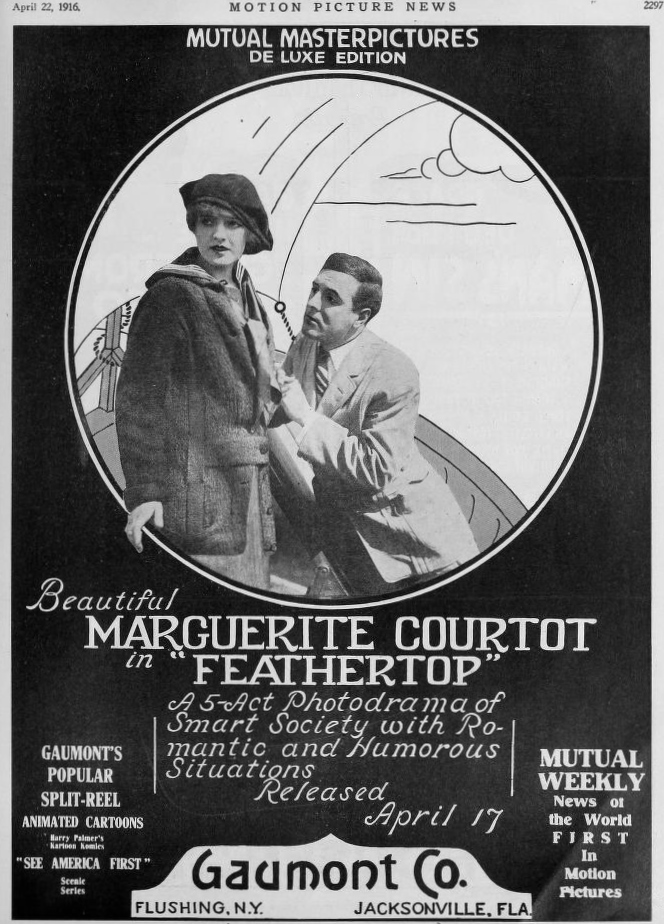
Stepping into the spectral glow of early cinema, Paul M. Bryan’s adaptation of Nathaniel Hawthorne’s 'Feathertop' unfurls like a sepia-toned dream, a delicate tapestry woven from literary allegory and the burgeoning art of visual storytelling. This isn’t merely a straightforward plot rendition; it’s an ambitious meta-narrative, a film that understands the profound power of a story to refract and redefine our own lived experiences. At its core lies Elsie Green, portrayed with a poignant vulnerability by Marguerite Courtot, a young woman caught in the classic romantic dilemma: two suitors, a heart undecided. Her predicament, a common enough human struggle, is elevated to an almost mythic dimension when she seeks solace, or perhaps distraction, in Hawthorne’s pages. The film masterfully transitions from Elsie’s reality into the vivid, often unsettling, landscape of her subconscious as she becomes Polly Goodkin, the heroine of the very tale she is reading. This narrative device is not just clever; it’s a profound commentary on the immersive nature of literature and its capacity to unlock deeper truths within us. The silent era, with its reliance on gesture, expression, and symbolic imagery, proves to be a surprisingly potent medium for Hawthorne's often ethereal prose, allowing the allegorical weight of the story to manifest visually without the explicit verbal exposition that might dilute its mystique.
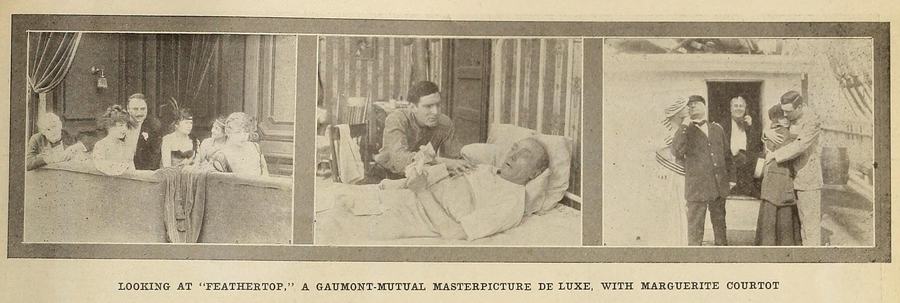
The genius of this adaptation lies in its embrace of the dream logic inherent in Hawthorne's original work. Once Elsie slips into her dream, the world transforms, taking on the heightened reality of a moral fable. Here, John Reinhardt’s portrayal of the titular Feathertop — a scarecrow animated by the dark arts of Mother Rigby (Mathilde Baring, whose presence is chillingly effective) — becomes the focal point of Polly Goodkin’s (Elsie’s alter ego) romantic entanglement. Feathertop, a being of exquisite outward appearance but utterly devoid of soul, represents the ultimate test of perception and authenticity. His charm is superficial, his wit borrowed, his very existence a magical deceit. Yet, he is captivating, a testament to humanity’s susceptibility to illusion, a theme that resonates powerfully with Elsie’s own real-world conundrum. Her suitors, though not explicitly detailed in the synopsis, are implicitly represented by the choice Polly faces: the allure of the superficially perfect versus the substance of genuine human connection. The film, through its visual poetry, compels us to consider how often we, like Polly, might be swayed by the dazzling but hollow façade, overlooking the quiet integrity that often resides beneath less polished exteriors. This internal struggle, rendered with remarkable clarity through the nuanced performances of the cast, particularly Courtot’s expressive face, becomes the beating heart of the film. It's a journey not just through a dream, but through the very landscape of the soul, grappling with questions that remain eternally pertinent: what truly constitutes a worthy object of affection? Is it the veneer of perfection, or the flawed, yet authentic, core of a being?
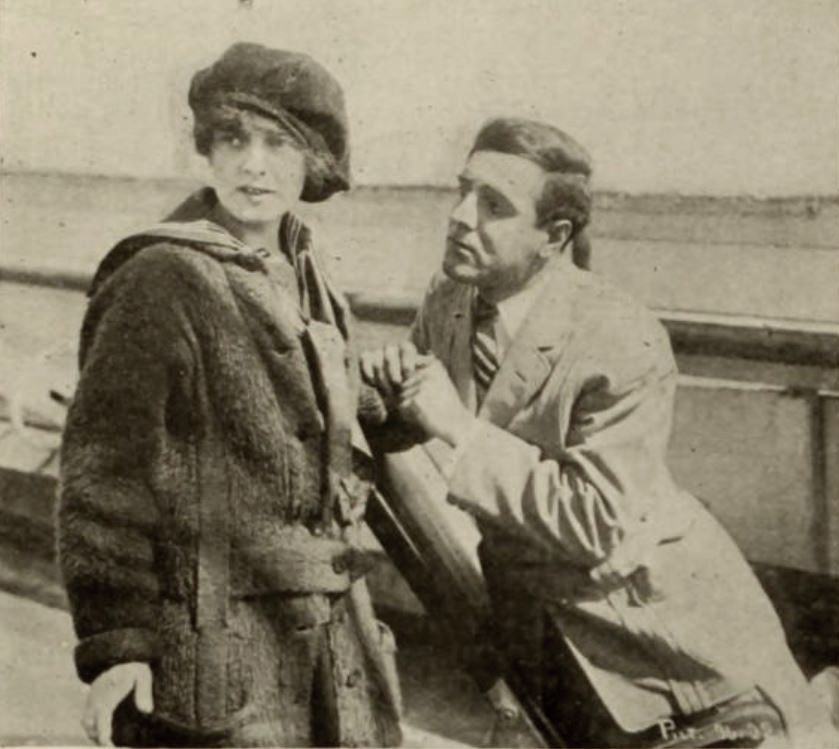
The visual lexicon of 'Feathertop' is a masterclass in silent film artistry, utilizing shadows, exaggerated expressions, and symbolic props to convey complex emotional and philosophical ideas. Director Paul M. Bryan, alongside the evocative cinematography, crafts a world that feels both fantastical and deeply psychological. The transformation of the scarecrow into a dandy is handled with a theatrical flourish that serves the narrative's allegorical nature perfectly. The costumes and set designs, while perhaps not groundbreaking for their time, effectively establish the period and the contrasting realities of Elsie's waking life and Polly's dream. The use of intertitles is judicious, providing essential narrative beats and character thoughts without disrupting the visual flow. This delicate balance ensures that the film remains engaging, allowing the audience to interpret and feel the story rather than simply being told it. The performances, particularly from Courtot and Reinhardt, are crucial in selling this fantastical premise. Courtot’s Polly/Elsie conveys a wide range of emotions, from naive wonder to profound disillusionment, all through the subtle shifts of her gaze and the posture of her body. Reinhardt, as Feathertop, manages to imbue a character who is essentially a puppet with a strange, almost tragic, dignity, especially as his true nature begins to fray at the edges. One might even draw a parallel to the transformative power of performance and illusion seen in films like Shadows of the Moulin Rouge, where characters often inhabit personas that mask deeper realities, though 'Feathertop' delves into a more internal, psychological deception.
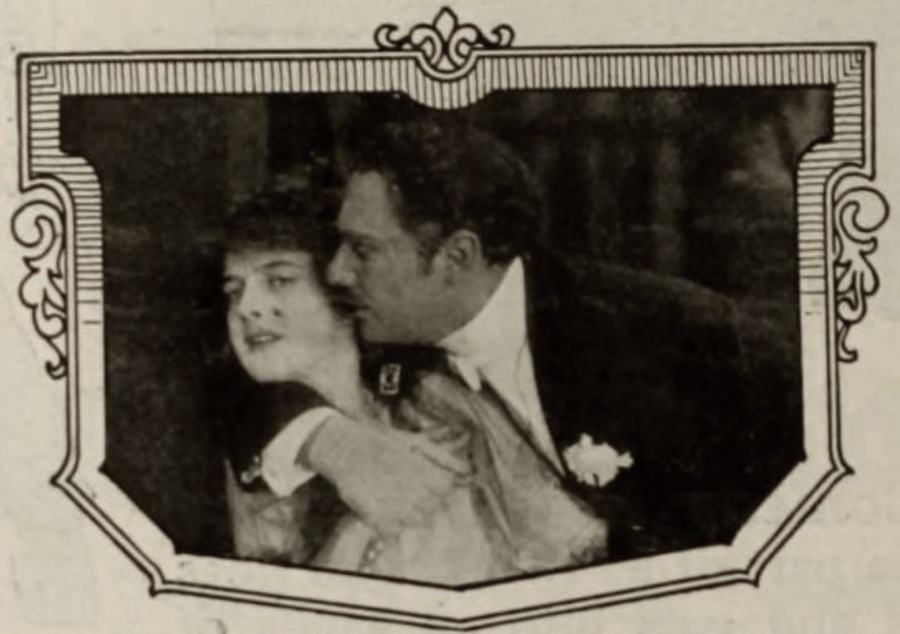
The narrative arc of Polly’s realization is where the film truly shines. Her initial infatuation with Feathertop is understandable; he embodies a certain ideal, a manufactured perfection. However, as the magic that sustains him begins to wane, and as Polly’s own moral compass becomes clearer, she perceives the hollow core beneath the polished exterior. This moment of recognition, often depicted with a profound sense of silent heartbreak, is the lynchpin of the entire story. It is the realization that true love cannot be built on artifice, that genuine connection demands genuine being. The film conveys this with a quiet power, avoiding melodrama in favor of a more introspective unraveling. The ultimate decision that Elsie Green makes in her waking life, informed by this vivid dream, underscores the film’s central message: self-knowledge and authenticity are paramount in matters of the heart. This theme of a woman grappling with significant life choices, often influenced by external pressures or internal turmoil, echoes in other cinematic explorations of female agency, such as the poignant struggles depicted in Sumerki zhenskoy dushi, or the more straightforward romantic quandaries of Young Romance, though 'Feathertop' approaches it through a uniquely allegorical and fantastical lens.
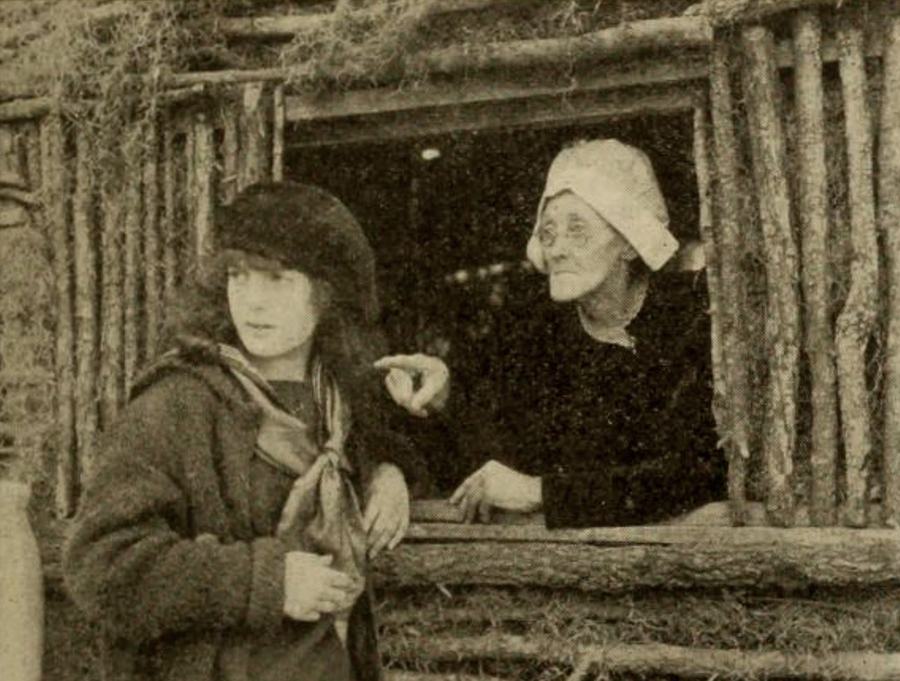
The supporting cast, while perhaps less central, contributes significantly to the film’s atmosphere. Mathilde Baring’s Mother Rigby is a delightfully sinister presence, embodying the darker, more manipulative aspects of the human (or supernatural) will. Her cackling joy in creating Feathertop, and her subsequent frustration at his moral awakening, provide a fascinating counterpoint to Polly’s journey. Sidney Mason, James Levering, and Gerald Griffin, likely playing the various suitors or other townsfolk in both Elsie’s reality and Polly’s dream, add texture to the world, grounding the fantastical elements in a semblance of community. Their reactions, though often exaggerated in silent film style, serve to highlight the societal gaze and the pressures faced by characters like Elsie and Polly. The film’s exploration of illusion and reality, of the manufactured versus the authentic, finds a surprising resonance with stories that delve into the psychological underpinnings of identity, even those outside the romantic genre. One might consider the intricate deceptions and revelations in a film like Das Geheimnis von Chateau Richmond, which, while a mystery, similarly plays with layers of hidden truths and appearances, albeit in a more literal sense.
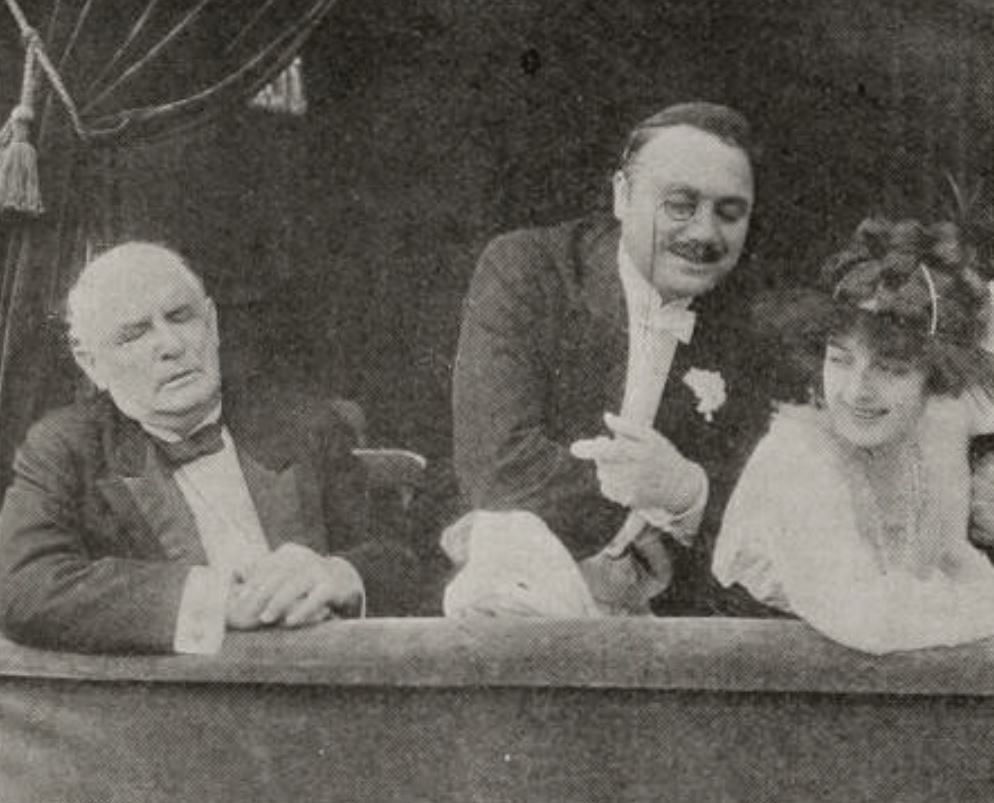
What makes 'Feathertop' endure beyond its historical context is its timeless exploration of character and choice. It posits that the most profound insights often come not from direct confrontation, but from introspection, from the symbolic language of dreams and stories. Elsie Green’s journey through Polly Goodkin’s world is a beautiful metaphor for the human process of discernment. We often project our desires onto others, creating idealized versions of them, much like Mother Rigby creates Feathertop. The painful, yet necessary, lesson is to see beyond these projections, to recognize the true nature of what lies beneath. This film, in its silent eloquence, encourages us to look inward, to question our own motivations and the motivations of those we are drawn to. It's a reminder that authenticity, though sometimes less flashy, is the only sustainable foundation for true happiness and lasting connection. The film’s conclusion, while offering Elsie a clear path, does so with a quiet dignity, suggesting that wisdom, once gained, often brings with it a serene certainty rather than a boisterous declaration. It’s a subtle triumph of the spirit, a gentle affirmation of the power of self-knowledge.
The adaptation of literary works into film, especially from such a distinctive voice as Hawthorne’s, is always a precarious endeavor. Yet, Bryan and his team navigate these waters with remarkable sensitivity. They understand that a direct translation would be insufficient; instead, they seek to capture the spirit, the allegorical heart, of the original. The film functions as a visual poem, expanding on Hawthorne’s themes of Puritan morality, the supernatural, and the human propensity for self-deception. It’s a testament to the versatility of silent cinema that it could convey such nuanced psychological drama without a single spoken word. The emotional impact is carried entirely by the actors' physicality, their facial expressions, and the carefully composed frames. The film’s pacing, deliberate and measured, allows the audience to fully absorb the symbolic weight of each scene, each interaction. It doesn’t rush to judgment but unfolds organically, mirroring the slow dawning of understanding within Elsie/Polly. This patient storytelling style allows the profound moral lesson to sink in, leaving a lasting impression on the viewer. The film, therefore, stands not just as a historical curiosity but as a compelling piece of cinematic art that continues to speak to contemporary audiences about the enduring value of truth in an often-illusory world.
Furthermore, the film’s exploration of the supernatural elements, while central to the plot, is handled with a restraint that emphasizes their metaphorical rather than literal horror. Mother Rigby’s magic is a plot device for the allegory, not an end in itself. This differentiates 'Feathertop' from films that might lean more heavily into the fantastical for pure spectacle. Here, the magic serves to illuminate human folly and wisdom. The very act of a scarecrow coming to life is a potent symbol of manufactured charm, of a semblance of life without genuine vitality. This symbolic depth is what elevates 'Feathertop' beyond a mere romantic drama. It is a commentary on societal values, on what we collectively deem attractive or worthy, and how easily we can be misled by superficial glitter. The film, therefore, invites a deeper critical engagement, prompting viewers to reflect on their own biases and perceptions. In an era where authenticity is increasingly valued, 'Feathertop' serves as a timely reminder that true worth resides within, not in the external trappings of success or beauty. Its message, delivered through the evocative silence of early cinema, remains remarkably clear and resonant. The film stands as a quiet triumph, demonstrating how a potent literary source, when handled with vision and artistic integrity, can transcend its original form and find new life, new meaning, on the silver screen. It’s a film that asks us to look closely, to see beyond the surface, and to trust the quiet wisdom of our own hearts, a journey not unlike the quest for truth in The Eternal City, though 'Feathertop' focuses on the personal instead of the political.
The film's enduring appeal also stems from its universal theme of self-discovery through a transformative experience. Elsie’s dream isn’t just a fleeting fantasy; it’s a crucible for her character, a concentrated journey of growth that allows her to confront her deepest fears and desires in a safe, symbolic space. This psychological realism, even within a fantastical framework, is a hallmark of great storytelling. The performances, especially Marguerite Courtot’s nuanced portrayal, convey this internal struggle with remarkable clarity. Her expressions, her gestures, her very posture speak volumes, communicating the shift from naive indecision to confident self-awareness. The film’s quiet strength lies in its ability to make the audience feel Elsie’s journey alongside her, to experience the disillusionment with Feathertop and the subsequent clarity that follows. This empathetic connection is vital for an allegory to truly resonate, and 'Feathertop' achieves it beautifully. It is a film that reminds us that sometimes, to find our true path, we must first get lost in a story, allowing its wisdom to guide us back to ourselves, much like many protagonists embark on challenging journeys to find resolution, be it the pursuit of justice in The Spoilers or personal redemption in The Redemption of White Hawk, albeit through vastly different narrative forms. The core message of internal enlightenment, however, remains a powerful, unifying thread across these disparate cinematic landscapes.
In conclusion, Paul M. Bryan’s 'Feathertop' is more than a historical artifact; it is a thoughtful, artistically rendered adaptation that delves into the profound questions of authenticity, illusion, and the journey of self-discovery. It uses the dream narrative as a powerful vehicle for moral inquiry, demonstrating the enduring influence of literature on personal growth. The performances, particularly from Marguerite Courtot and John Reinhardt, bring a surprising depth to their allegorical roles, making their struggles palpable and relatable. The film’s visual language, while rooted in the conventions of silent cinema, transcends its era to deliver a timeless message. It’s a quiet masterpiece that deserves renewed attention, not just for its historical significance, but for its continued relevance in a world still grappling with the allure of the superficial versus the enduring value of the genuine. It serves as a gentle, yet firm, reminder that true love and lasting happiness are found not in manufactured perfection, but in the honest, sometimes flawed, reality of genuine human connection. This cinematic gem, with its dark orange hues of poignant truth (representing the painful revelations), the yellow gleam of hope (the clarity Elsie finds), and the sea blue depths of introspection (her journey into the dream), paints a vivid picture of the heart's intricate journey towards self-knowledge. It's a film that resonates, long after the final reel has spun, with the soft, persistent whisper of truth.
IMDb 5.6
1925
Community
Log in to comment.