DbcultAccessing Vault...
4.6/10
Senior Film Conservator
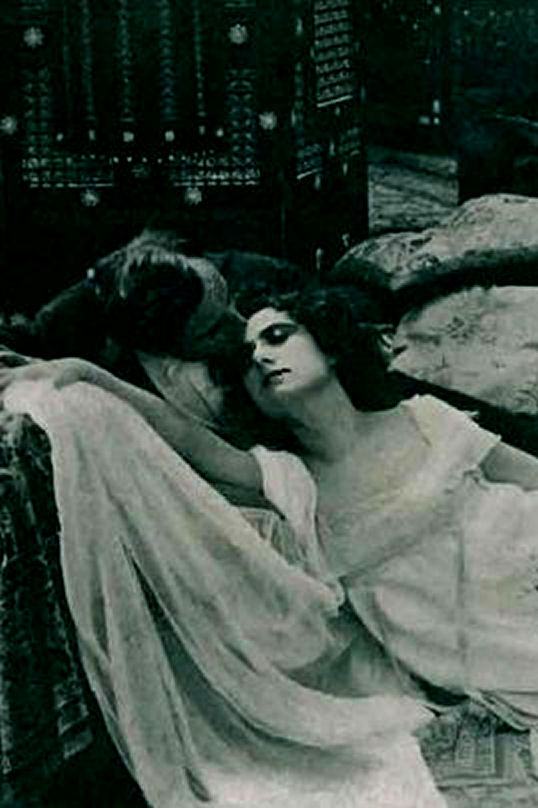
A definitive 4.6/10 rating for a film that redefined the boundaries of cult cinema. Fedora remains a cornerstone of transgressive art.
Stepping into the world of 1916’s Fedora is akin to opening a forgotten, richly illustrated novel of grand passions and devastating betrayals. This isn’t just a film; it’s a living tableau of early cinematic ambition, a testament to the power of visual storytelling before the advent of synchronized sound. Italian cinema of this period, often overlooked in the shadow of Hollywood’s burgeoning might, was a hotbed of melodramatic intensity and stylistic innovation, and Fedora stands as a compelling artifact from that vibrant era. Based on Victorien Sardou’s acclaimed play, adapted for the screen by Giuseppe Paolo Pacchierotti, it plunges us into a world where honor, love, and vengeance intertwine with tragic consequences. It’s a story that, despite its century-long journey through time, still resonates with a raw, human intensity.
At its heart, Fedora is a searing portrait of a woman consumed by an oath. Princess Fedora, played with astonishing gravitas by the legendary Francesca Bertini, is introduced on the cusp of what should be her happiest moment: her marriage to a beloved royal. But fate, ever the cruel playwright, orchestrates a brutal assassination on the very eve of this union, tearing her world asunder. The shock, the grief, the visceral sense of injustice—these emotions are etched onto Bertini’s face with a clarity that transcends the silent medium. Her initial pledge for vengeance isn't a mere plot device; it's a desperate cry from a shattered soul, a desperate attempt to impose order on a universe suddenly rendered chaotic. This isn't the calculated revenge of a mastermind; it's the raw, impulsive promise of a woman broken by unimaginable loss.
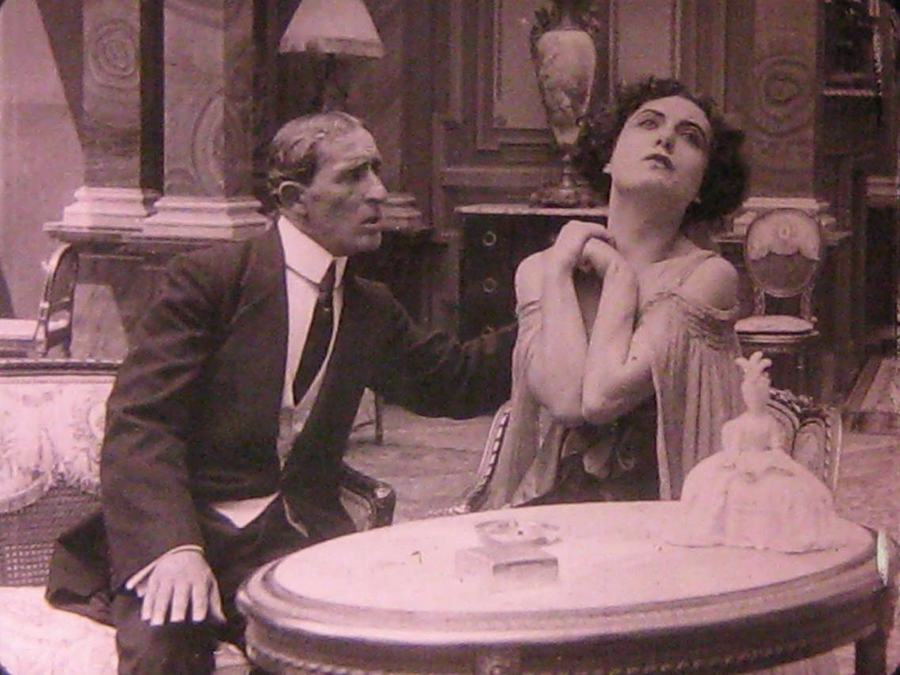
The narrative then meticulously tracks Fedora's transformation, or perhaps, her agonizing struggle against it. She becomes a seeker of truth, a relentless investigator in a world of deceit and shadows. One might draw parallels here to the single-minded pursuit of justice, or perhaps even retribution, seen in films like The Story of the Kelly Gang, though Fedora’s quest is deeply personal, devoid of the broader societal implications that sometimes accompany such narratives. Her path, however, takes an unforeseen turn, a twist that elevates the film from a simple revenge tale to a profound study of human vulnerability and the unpredictable nature of the heart. She falls in love again, a development that, on the surface, seems to undermine her vow, but in fact, amplifies its tragic weight. This new affection, pure and unexpected, places her in an unbearable moral quandary, forcing her to confront the very definition of her oath and its devastating repercussions.
Francesca Bertini’s performance as Fedora is nothing short of masterful. She was, in her time, a titan of Italian cinema, and watching her here, it’s easy to understand why. Her expressive eyes, her nuanced gestures, the way she commands the frame—she communicates a tempest of internal conflict without uttering a single word. Every tilt of her head, every clenching of her hands, speaks volumes. She embodies the archetype of the 'diva' of Italian silent film, a performer whose physicality and emotional intensity filled the vastness of the screen. The support cast, including Olga Benetti, Giuseppe de Liguoro, and Gustavo Serena, provides a solid foundation, allowing Bertini’s star to shine even brighter. Their interactions, though often broad in the silent film tradition, are imbued with a sincerity that grounds the more melodramatic elements of the plot. De Liguoro, in particular, manages to convey a quiet strength that complements Bertini's fiery passion.
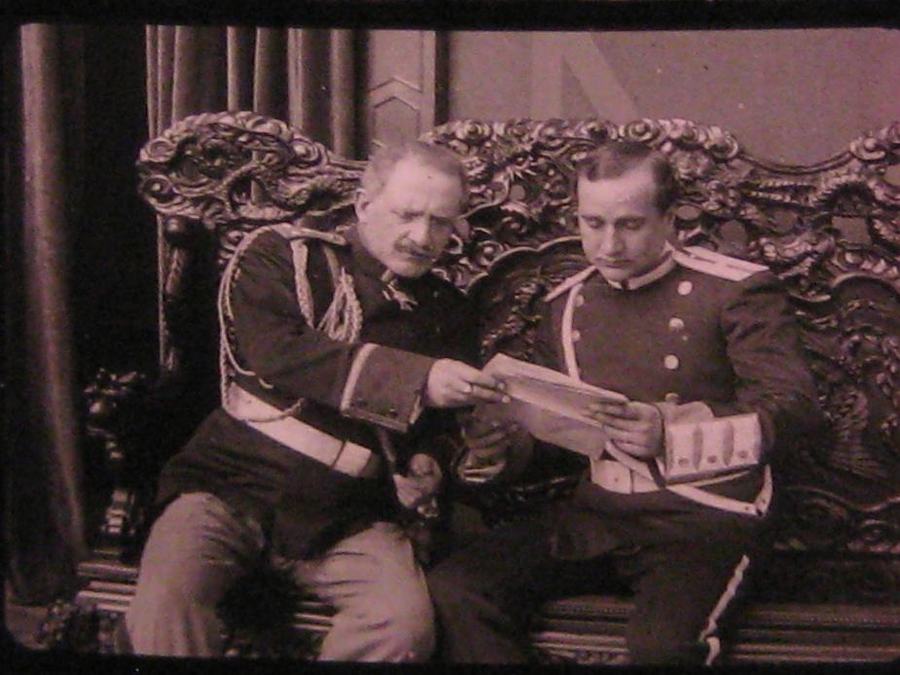
The film's visual language, while perhaps rudimentary by today's standards, is surprisingly sophisticated for its time. The use of elaborate sets and costumes transports us directly into the opulent, if doomed, world of Czarist Russia. The cinematography, though lacking the kinetic dynamism of later eras, employs compositions that are often painterly, creating a sense of grandeur and impending doom. There’s a deliberate pacing to the storytelling, allowing emotions to marinate and build, drawing the audience into Fedora’s internal struggle. This patient approach to narrative allows the audience to truly feel the weight of her choices, a stark contrast to the often frenetic pace of modern thrillers. The visual storytelling techniques of this era, while different from what we're accustomed to, demand a different kind of engagement, a more active participation from the viewer in deciphering the emotional landscape.
Thematically, Fedora delves into timeless questions of fate versus free will, the destructive nature of vengeance, and the redemptive, yet complicated, power of love. Fedora's initial vow is an act of defiance against a cruel fate, an attempt to seize control. Yet, her subsequent falling in love reveals the inherent futility of trying to dictate the heart's path. It’s a classic tragic setup, where the very actions taken to avert a destiny instead lead directly to it. This exploration of personal vendetta and its unforeseen consequences finds echoes in other historical dramas of the period, such as The Reign of Terror, which similarly grapples with the human cost of political and personal retribution. The psychological complexity of Fedora's character, torn between duty and desire, is particularly compelling. Her internal conflict is the engine of the drama, a powerful testament to the human capacity for both unwavering commitment and profound emotional evolution.
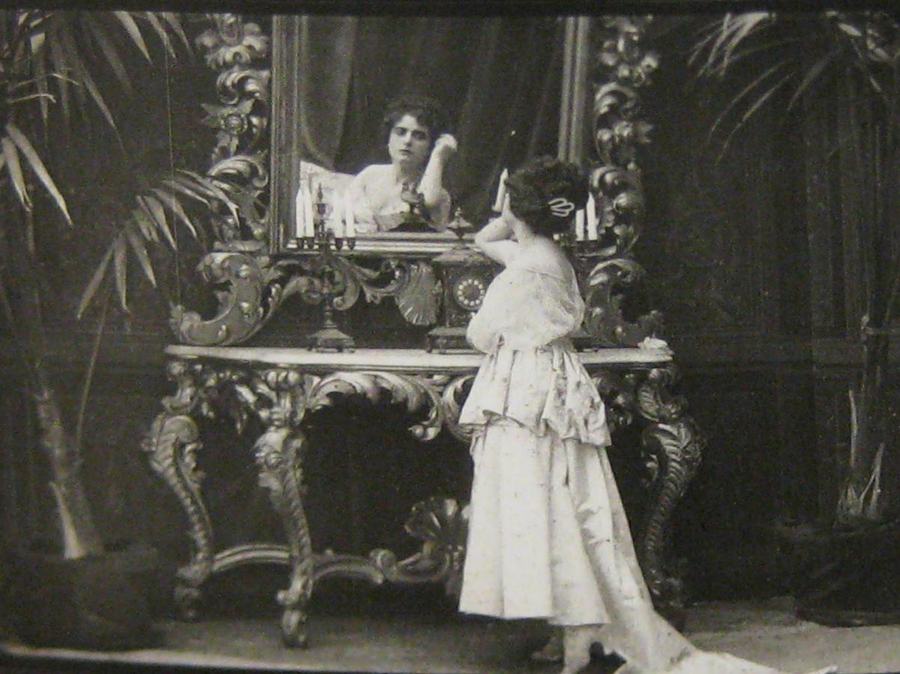
What truly elevates Fedora beyond a mere historical curiosity is its profound emotional resonance. The film doesn't just tell a story; it makes you feel it. The agony of Fedora's loss, the burning intensity of her desire for justice, the tender confusion of her new love, and the ultimate despair of her realization—these are emotions conveyed with an artistry that transcends the technical limitations of its time. It reminds us that the fundamental human experiences of love, loss, and betrayal are universal, capable of being communicated across generations and mediums. One could even consider the film's exploration of trauma and its lasting impact on the psyche, a theme handled with surprising nuance for the era, perhaps finding a distant cousin in the lingering shadows explored in Memoria dell'altro, albeit in a vastly different narrative context.
The film also offers a fascinating glimpse into the social dynamics and gender roles of the early 20th century. Fedora, despite her aristocratic standing, is ultimately a woman navigating a patriarchal world, driven by emotions that are often expected to be suppressed. Her strength, her agency in pursuing vengeance, is juxtaposed with her vulnerability to love, creating a multifaceted female protagonist that was both revolutionary and deeply traditional for the period. Comparing her assertive, albeit ultimately tragic, agency with the more overtly political engagement of characters in films like A Militant Suffragette, one sees a spectrum of female experience being explored in early cinema. Bertini’s Fedora is a woman of immense inner fortitude, even as external forces and internal conflicts threaten to shatter her.
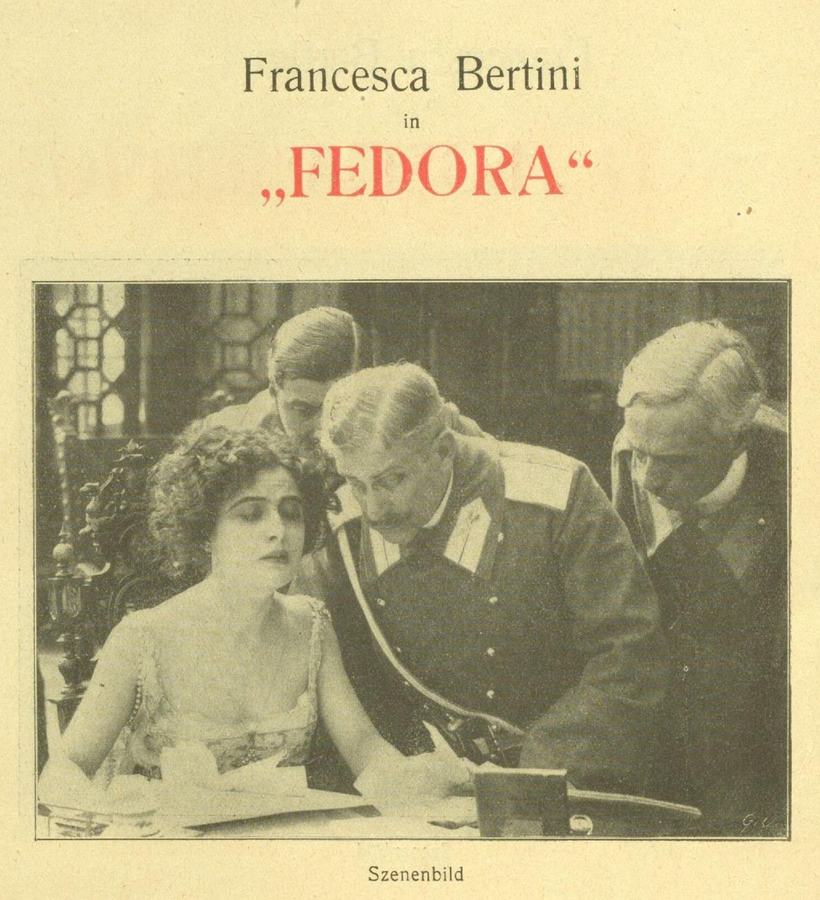
Watching Fedora today requires a certain appreciation for the aesthetics of early cinema. The acting styles are more theatrical, the camera movements less fluid, and the narrative exposition relies heavily on intertitles. Yet, these elements, far from being drawbacks, contribute to its unique charm and historical significance. They are not imperfections, but rather the very fabric of its existence, offering a window into how stories were conceived and consumed over a century ago. The deliberate pace, the overt emotionality, and the reliance on visual cues create a unique viewing experience that is both captivating and thought-provoking. It's a reminder that cinematic language has evolved dramatically, yet the core principles of compelling storytelling remain constant.
The dramatic irony at the core of Fedora is particularly potent. The protagonist’s relentless pursuit of an assassin, only to discover the devastating truth intertwined with her newfound happiness, is a narrative device that still packs a punch. It's a testament to Sardou's original play and Pacchierotti's adaptation that this intricate plot unravels with such emotional precision. This kind of cruel twist of fate, where one's efforts to right a wrong inadvertently lead to a deeper tragedy, is a recurring motif in human drama, echoing the inescapable sense of destiny found in narratives like Dolken, where the blade of fate often cuts in unexpected directions. The film masterfully builds this tension, leading the audience down a path of escalating dread and anticipation.
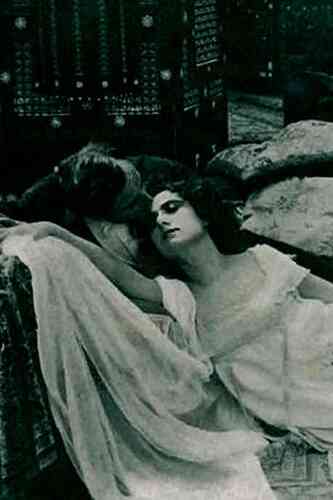
The film also prompts reflection on the nature of justice. Is true justice merely punishment, or is there a higher form that acknowledges human frailty and the complexities of circumstance? Fedora's journey forces her, and by extension, us, to grapple with these thorny questions. Her ultimate realization, the agonizing understanding of her predicament, is not just a personal tragedy but a philosophical one. It’s a narrative that questions the very foundation of an eye-for-an-eye philosophy, demonstrating how the pursuit of retribution can ensnare the avenger as much as the avenged. This moral ambiguity is one of the film's most powerful and enduring qualities, preventing it from being a simplistic tale of good versus evil.
In an era of rapid technological advancement in filmmaking, it’s easy to dismiss these early works as primitive. But to do so would be to miss out on a rich tapestry of human expression. Fedora is a powerful reminder that the essence of cinema lies not in its special effects or sound design, but in its ability to tell a compelling story and evoke profound emotion. The performances, the staging, the sheer ambition of its narrative—these elements combine to create an experience that is both historically significant and deeply moving. It’s a film that demands patience and an open mind, rewarding the viewer with a glimpse into the foundational artistry of a medium still finding its voice.
The legacy of Fedora, and indeed of Francesca Bertini herself, is a crucial chapter in the history of Italian and world cinema. It represents a period where the ‘diva film’ reigned supreme, showcasing powerful, often suffering, female protagonists who captivated audiences with their dramatic flair. While perhaps not as widely known today as some contemporary American or French productions, its influence on the development of screen acting and dramatic storytelling is undeniable. It stands as a testament to the fact that compelling narratives and unforgettable characters were being crafted with immense skill, even in the nascent days of the moving picture. Its intricate plot, reminiscent of the twists and turns one might find in a mystery serial like Beatrice Fairfax, but elevated by its dramatic intensity, keeps the viewer engrossed until the final, heartbreaking frame.
Ultimately, Fedora is more than just a historical relic; it’s a vibrant, emotionally charged drama that speaks to the enduring human struggle between love and duty, passion and principle. It challenges us to consider the true cost of vengeance and the unexpected pathways of the heart. For anyone with an interest in the origins of cinematic storytelling, in the power of silent performance, or simply in a truly gripping tale of love and loss, Fedora is an essential, enriching watch. It's a film that, despite its age, still possesses the power to enthrall and provoke, leaving a lingering sense of melancholy and admiration for the artistry of its creators. Its timeless themes and powerful performances ensure its place in the pantheon of early cinematic achievements, a dark orange thread woven into the yellow tapestry of film history, often illuminated by the sea blue depths of human emotion it so deftly portrays.
IMDb 5
1926
Community
Log in to comment.