DbcultAccessing Vault...
6/10
Senior Film Conservator
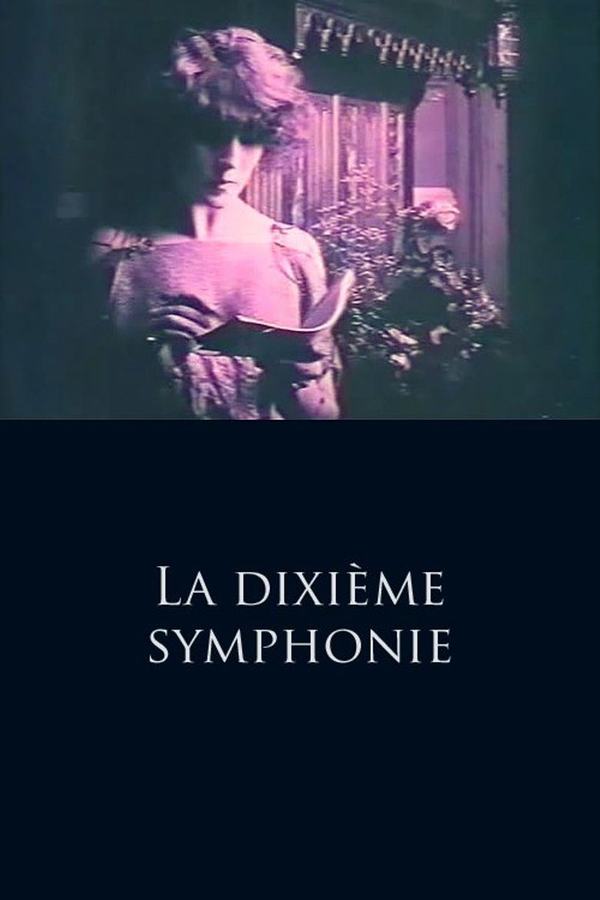
A definitive 6/10 rating for a film that redefined the boundaries of cult cinema. La dixième symphonie remains a cornerstone of transgressive art.
Abel Gance, a name synonymous with the monumental and the revolutionary, presented in 1918 a work that would fundamentally alter the grammar of visual storytelling. Before the triptychs of Napoléon or the anti-war fervor of J'accuse, there was La dixième symphonie. This film is not merely a melodrama; it is a profound meditation on the transmutation of personal catastrophe into aesthetic transcendence. Gance utilizes the silent medium to articulate the inarticulable—the raw, vibrating power of music and the silent screams of a soul under duress.
The film’s historical significance cannot be overstated. Released during the twilight of the First World War, it signaled the birth of French Impressionism in cinema. Unlike the rugged realism found in contemporary American works like Hell Bent, Gance’s approach was interiorized. He sought to project the psychological states of his characters onto the screen through innovative lighting, rhythmic editing, and a daring use of close-ups that feel almost intrusive in their intimacy. The camera in La dixième symphonie does not simply record action; it vibrates with the emotional frequency of the protagonist, Enric Damor.
Séverin-Mars delivers a performance of harrowing intensity as Damor. His portrayal of the artist as a conduit for divine inspiration—and later, for hellish suffering—remains one of the most compelling depictions of creativity in silent cinema. When Damor discovers the sordid connection between his wife, Eve, and the villainous Fred Ryce, the film pivots from a domestic drama into a cosmic tragedy. The 'Tenth Symphony'—a title that evokes a legacy beyond Beethoven’s nine—becomes a character in its own right. Gance employs visual metaphors of surging waves and ethereal light to represent the music, a technique that predates the synchronized sound era but manages to evoke a more powerful auditory sensation through pure imagery than many modern scores.
The narrative engine of the film is the tension between Eve’s desire for redemption and Fred Ryce’s refusal to grant it. Ryce, played with a chilling, serpentine grace by Jean Toulout, represents the 'adventurer'—a trope of the era that personified the predatory nature of the social margins. His attempt to marry Claire, Damor’s daughter, is a masterstroke of cruelty, forcing Eve into a corner where her silence is her complicity. This theme of a hidden past resurfacing to destroy a fragile present was a common thread in early 20th-century cinema, echoed in the psychological depth of films like The Whispering Chorus, though Gance handles it with a distinctly European flair for the operatic.
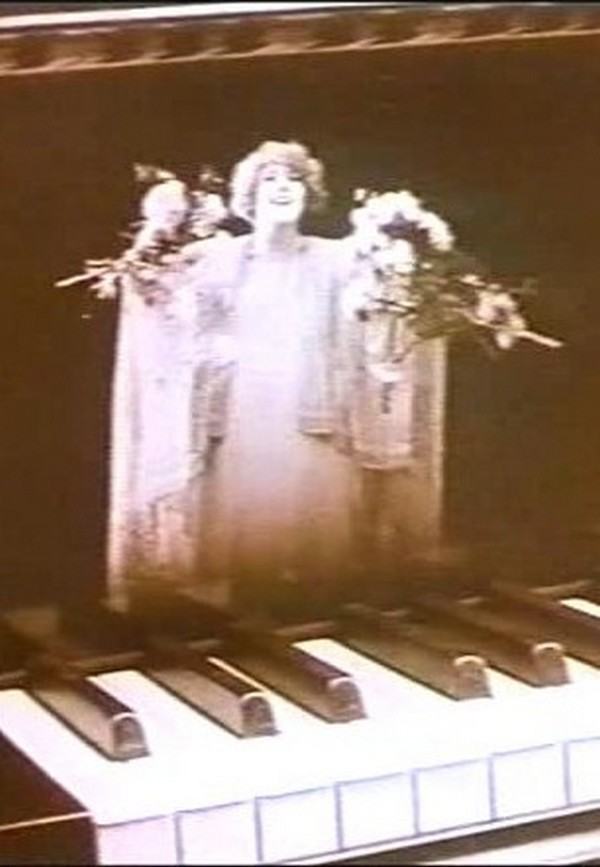
The cinematography by Léonce-Henri Burel is a masterclass in the use of light and shadow. The interiors of Damor’s villa are bathed in a soft, almost holy light when the family is in harmony, but as Ryce’s influence grows, the shadows lengthen and sharpen. The use of double exposure and soft focus creates a dreamlike—or rather, nightmarish—quality that mirrors Eve’s internal fragmentation. While films like The Yellow Traffic dealt with social evils through a more direct lens, Gance prefers the symbolic. Every frame of La dixième symphonie is meticulously composed to reflect the thematic weight of the scene, turning a standard blackmail plot into an epic of the human spirit.
To understand the sophistication of Gance’s work, one must look at the landscape of 1918. While many directors were still struggling with the transition from stage-bound aesthetics to cinematic ones, Gance was already experimenting with the fluid motion of the soul. Compare this to the more traditional narrative structures found in His Brother's Wife or the moralistic overtones of The Unbroken Road. Gance’s work feels modern because it prioritizes the subjective experience over the objective plot. He isn't interested in just the 'what'; he is obsessed with the 'how' of human feeling.
The portrayal of womanhood in the film also invites scrutiny. Eve Lynn’s performance as Eve Dinant is nuanced; she is neither a simple victim nor a mere 'debauchee' as the plot might suggest. She is a woman trapped by the rigid moralities of her time, a theme explored with varying degrees of success in Womanhood, the Glory of the Nation. However, Gance elevates Eve’s struggle by linking it directly to the creative output of her husband. Her pain is the fuel for his genius, a problematic but fascinating dynamic that the film explores with unflinching honesty.
The final act of the film, where the Tenth Symphony is finally performed, is a pinnacle of silent cinema. Gance uses a montage technique that would later become his trademark, cutting between the orchestra, the listeners' rapt faces, and the unfolding drama in the wings. The music is 'heard' through the rhythmic pulsing of the edits. It is a moment of pure cinema, where the boundaries between the different arts dissolve. The resolution of the Ryce-Eve-Damor triangle is handled not with a simple action-hero climax, but with a spiritual reckoning. It reminds one of the thematic gravity found in El beso de la muerte, where the finality of a choice carries more weight than the action itself.
La dixième symphonie remains a vital artifact for any serious student of film. It illustrates the moment when cinema realized it could do more than tell stories—it could evoke complex, abstract emotions. The film’s influence can be seen in the later works of Jean Epstein and even in the psychological thrillers of the 1940s. Its use of the 'tortured artist' trope set the template for decades of biographical and fictional dramas. While it shares some DNA with the sensationalism of The Flaming Sword or the gothic undertones of Beneath the Czar, Gance’s film stands apart due to its sheer poetic ambition.
In the pantheon of Gance’s filmography, La dixième symphonie is often overshadowed by his later, larger-than-life productions. Yet, there is an intimacy here that is lost in the scale of his later epics. It is a film about the small, quiet destructions of the heart and the loud, thunderous beauty of art. The performances, particularly from Séverin-Mars and Emmy Lynn, transcend the period-typical histrionics to touch something universal. Whether compared to the stylistic experiments of Kvinden med de smukke Øjne or the dramatic tension of Gambier's Advocate, Gance’s work remains a beacon of early 20th-century creativity. It is a symphony of light, a melody of shadows, and a testament to the enduring power of the silent image.
To watch La dixième symphonie today is to witness the birth of the director as an auteur. Gance wasn't just directing actors; he was conducting an orchestra of light, motion, and emotion. The film demands a patient viewer, one willing to surrender to its slow-build tension and its lush, visual language. In a world of fast-paced cuts and CGI spectacles, there is something deeply grounding about the deliberate, artistic fervor of this 1918 masterpiece. It is, quite simply, essential viewing for anyone who believes that cinema is the highest form of art.

IMDb 5.7
1928
Community
Log in to comment.