DbcultAccessing Vault...
Cult Review
Senior Film Conservator
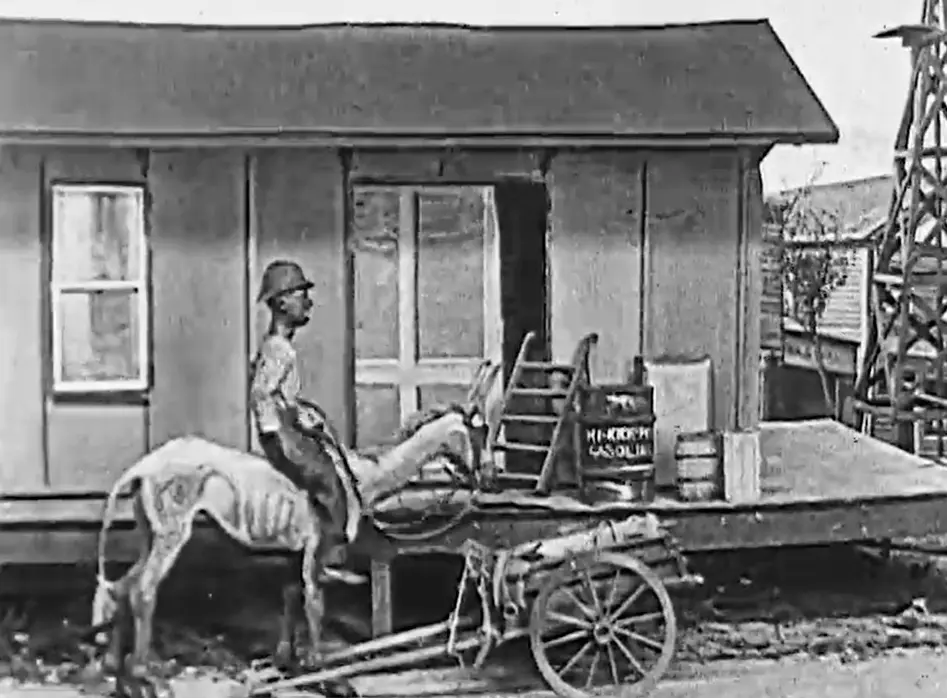
Ah, the silent era! A time when narratives unfurled with a theatrical flourish, when the grand gestures and expressive visages of actors spoke volumes without uttering a single audible word. It was an epoch of burgeoning technology, both on-screen and off, and few films captured that spirit of mechanical marvel and daring adventure quite like 'The Gasoline Trail.' This cinematic relic, a vibrant testament to the burgeoning automotive age, roars into view with a kinetic energy that belies its age, offering a fascinating glimpse into the nascent romance between humanity and the internal combustion engine. To approach a film like this is to embark on an archaeological dig into the very foundations of cinematic storytelling, unearthing not just a plot, but a cultural artifact.
The early 20th century was a crucible of change, a period where the horse-drawn carriage was rapidly ceding ground to the automobile. This seismic shift in transportation didn't just alter urban landscapes; it fundamentally reshaped societal norms, perceptions of distance, and the very fabric of adventure. 'The Gasoline Trail' is more than just a story; it's a mirror reflecting this exhilarating transition. It captures the zeitgeist of a world accelerating, a society captivated by speed, progress, and the boundless possibilities offered by new machines. The film's very title is an ode to this era, a poetic acknowledgment of the indelible mark left by these sputtering, magnificent contraptions on the dusty roads of a rapidly modernizing nation. It’s a prime example of how cinema, even in its infancy, was quick to latch onto and mythologize the technological marvels of its time.
When considering its peers, one might draw parallels to other films that embraced the spirit of daring and locomotion. While 'The Gasoline Trail' revels in the mechanical, a film like Hearts and the Highway might explore similar themes of pursuit and romantic entanglement, albeit perhaps with a different mode of transport or historical backdrop. The crucial distinction lies in 'The Gasoline Trail's' almost reverential focus on the automobile itself, elevating it beyond a mere plot device to a central character, an embodiment of the era's forward momentum. This isn't just a chase; it's a testament to human ingenuity and mechanical prowess.
At the heart of 'The Gasoline Trail' pulses the vibrant performance of J.L. Roop as Silas "Sparky" Thorne. Roop, a stalwart of the silent screen, imbues Sparky with a compelling blend of youthful idealism and rugged determination. His physical acting, a cornerstone of silent cinema, is particularly noteworthy here. Every wrench turn, every frantic dash, every furrow of his brow as he confronts mechanical challenge or criminal cunning, is meticulously articulated. He’s not merely portraying a character; he's embodying an archetype: the ingenious underdog, the common man with uncommon skills, propelled by a moral compass and a passion for progress. His interactions, particularly with the spirited Eliza, are imbued with a charming earnestness that transcends the lack of spoken dialogue, communicating a burgeoning romance through stolen glances and shared perils.
Roop’s portrayal of Sparky is a masterclass in silent film acting – a symphony of controlled movements, expressive eyes, and gestures that convey a rich inner life. He manages to project both vulnerability and an unshakeable resolve, making Sparky an eminently relatable hero. One can almost feel the grease under his fingernails and the grit in his determination. His acting style, while characteristic of the period, feels remarkably fresh because of its sincerity and dynamism. In an era where melodrama could often overshadow subtlety, Roop finds a commendable balance, making Sparky's journey feel genuinely perilous and his triumphs genuinely earned. This is the kind of performance that solidifies one's appreciation for the unique artistry required to command the silent screen.
The plot, a deftly woven tapestry of corporate intrigue, personal ambition, and high-octane pursuit, is surprisingly intricate for its time. The initial setup, establishing the clash between Mr. Vance's traditional rail empire and the encroaching automotive age, brilliantly sets the stage for the thematic conflicts that drive the narrative. Percival Blackwood, the nefarious industrial rival, is a deliciously conniving antagonist, his machinations providing ample fuel for Sparky's heroic endeavors. The stakes are clear: not just Vance's reputation, but the very future of innovation and justice. The writers, including the uncredited yet palpable influence of J.L. Roop himself in shaping his character's arc, demonstrate a keen understanding of dramatic tension and narrative escalation.
The pacing is relentless, a true "trail" of escalating events that keeps the audience riveted. From the initial theft of blueprints to the spectacular cross-country chase, the film rarely lets up. Each peril Sparky and Eliza face – treacherous mountain passes, cunning traps, and direct confrontations with Blackwood’s henchmen – is designed not just for spectacle, but to advance the plot and deepen character relationships. The silent film medium, often reliant on visual storytelling, finds its perfect canvas in these automotive duels. The ingenious use of intertitles provides just enough exposition without bogging down the action, allowing the kinetic energy of the cars and the expressive performances to carry the bulk of the narrative weight. In this regard, one might find a distant echo in the adventurous spirit of a film like Daring Lions and Dizzy Lovers, though 'The Gasoline Trail' maintains a more grounded, if still thrilling, sense of realism in its stunts.
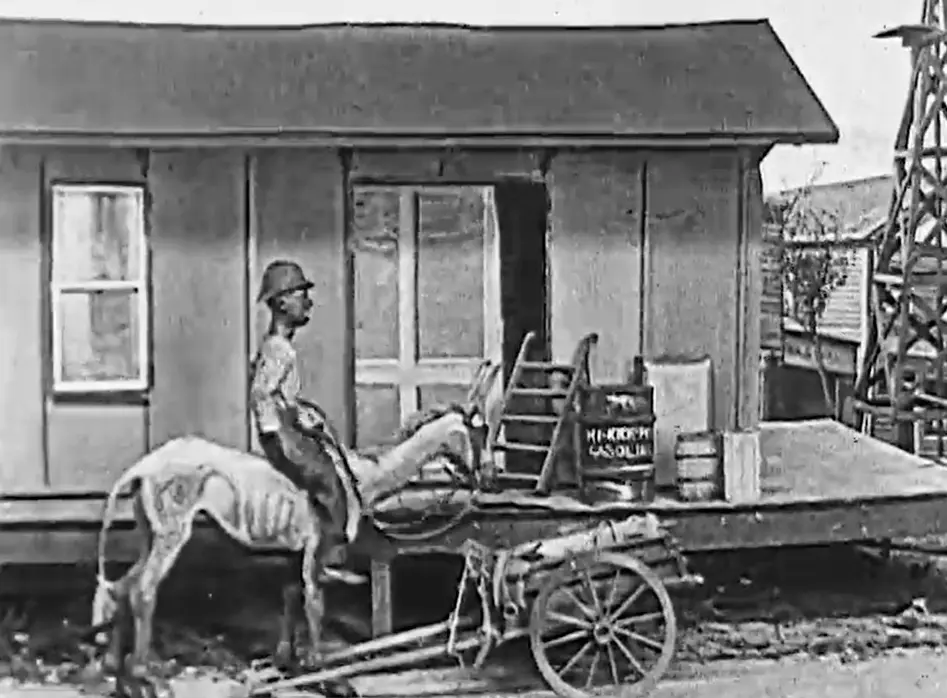
Visually, 'The Gasoline Trail' is a triumph of early cinematic technique. The cinematography, while constrained by the technology of the era, is remarkably dynamic. The camera often feels like another participant in the chase, tracking the speeding automobiles with a sense of urgency and excitement. Wide shots of the rugged landscapes emphasize the vastness of the journey and the isolation of the protagonists, while tighter shots during moments of mechanical ingenuity or emotional intensity draw the viewer into the characters' immediate experience. The staging of the chase sequences is particularly impressive, showcasing a commitment to practical effects and daring stunt work that would make many modern filmmakers blanch. There’s an authenticity to the dust, the speed, and the near-misses that CGI simply cannot replicate. The filmmakers understood the inherent drama of a car hurtling across untamed terrain, and they exploited it with masterful precision.
The use of natural light and location shooting adds an invaluable layer of realism, grounding the fantastic elements of the plot in tangible environments. Whether it’s the bustling city streets at the film's outset or the desolate mountain roads, each setting feels authentic and purposeful. The contrast between the dark, shadowy interiors of Blackwood's lair and the bright, open expanses of the chase further accentuates the film's thematic dichotomies of good versus evil, and innovation versus stagnation. This visual storytelling is particularly effective in silent cinema, where every frame must convey meaning without dialogue. The director's keen eye for composition and the editor's rhythmic cutting create a palpable sense of momentum, making the audience feel every bump and turn of the titular trail.
'The Gasoline Trail' is more than a thrilling adventure; it's a rich tapestry of thematic explorations. At its core, it's a celebration of progress and the relentless human spirit of innovation. Sparky Thorne embodies the future, a self-made man whose genius with machines promises to propel society forward, while Mr. Vance represents the entrenched power of the past, initially resistant to change. The film deftly navigates the tension between these forces, ultimately suggesting that true progress lies in embracing the new while respecting the wisdom of the old. The romance between Sparky and Eliza further underscores this theme, bridging the class divide and symbolizing a harmonious future where ingenuity and inherited influence can coexist, even flourish.
Moreover, the film champions courage – not just the physical bravery required for daring stunts, but the moral courage to stand up against injustice. Sparky's unwavering commitment to clearing Mr. Vance's name, despite the personal risks, speaks volumes about his character. Eliza's transformation from a sheltered socialite to an active participant in the chase is equally compelling, highlighting themes of female empowerment and agency that were subtly beginning to emerge in cinematic narratives. The "gasoline trail" itself becomes a symbol of destiny, a path forged by human will and mechanical might, leading to a brighter, more equitable future. The film's conclusion, with its resolution of both personal and corporate conflicts, offers a hopeful vision, suggesting that the spirit of daring and innovation will always prevail over greed and stagnation.
Even today, 'The Gasoline Trail' retains a surprising amount of its original charm and excitement. For cinephiles and historians alike, it offers a valuable window into the early days of filmmaking, showcasing the ingenuity and ambition that defined the era. It's a reminder that compelling storytelling doesn't require elaborate special effects or booming soundtracks; sometimes, all it takes is a charismatic lead, a gripping plot, and the sheer audacity to put a camera on wheels and chase after a story. The film's influence, while perhaps not as overtly documented as some of its more celebrated contemporaries, can be felt in the DNA of countless automotive action films that followed. It established a template for the car chase as a central dramatic device, proving its power to captivate and thrill.
Comparing it to other silent films, one might see elements of the grand spectacle found in Extravagance, or the rugged individualism of a western like Bull Arizona, but 'The Gasoline Trail' carves out its own unique niche through its potent blend of technological fascination and human drama. It is a film that not only entertained its contemporary audiences but continues to resonate with its timeless themes of progress, perseverance, and the thrill of the chase. It's a foundational piece of cinema that deserves to be rediscovered and celebrated, a true gem from an era defined by its boundless innovation and audacious spirit. The enduring appeal lies in its ability to transport us to a simpler yet equally dynamic time, where the roar of an engine symbolized not just speed, but the very pulse of a new age.
In conclusion, 'The Gasoline Trail' is far more than a mere historical curiosity; it is a vibrant, thrilling cinematic experience that speaks to the enduring power of human ingenuity and the irresistible allure of the open road. J.L. Roop's performance anchors a narrative that is both an exhilarating adventure and a thoughtful commentary on an era of profound transformation. It stands as a testament to the pioneering spirit of early cinema, a film that continues to leave its own indelible mark, much like the gasoline trail itself, on the vast landscape of film history.
IMDb 6.5
1932
Community
Log in to comment.