DbcultAccessing Vault...
6.9/10
Senior Film Conservator
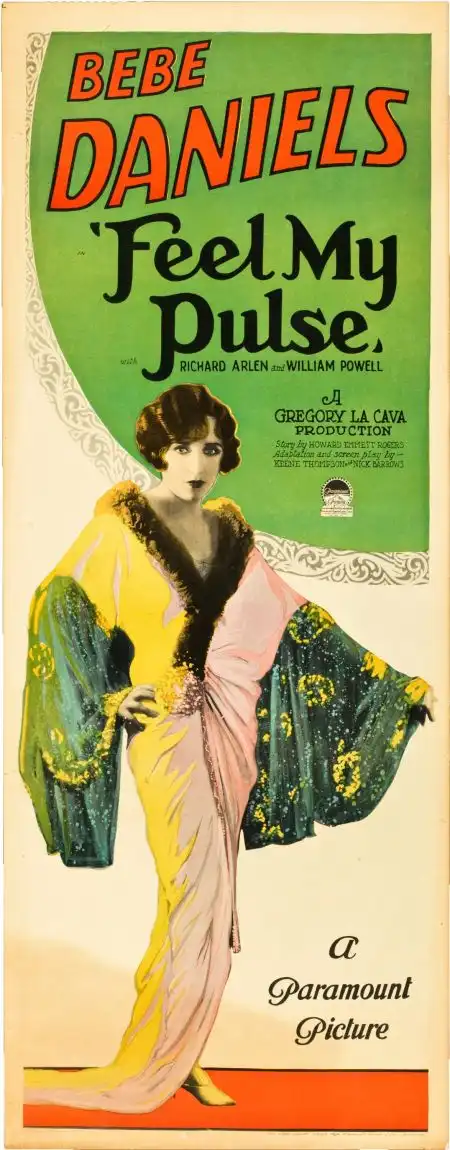
A definitive 6.9/10 rating for a film that redefined the boundaries of cult cinema. Feel My Pulse remains a cornerstone of transgressive art.
Feel My Pulse, a 1928 silent comedy, offers a curious blend of slapstick and early gangster intrigue, primarily recommended for dedicated silent film enthusiasts, fans of early Hollywood, and those curious to see the nascent comedic talents of Bebe Daniels and the understated charm of a young William Powell. Casual viewers seeking laugh-out-loud modern humor or fast pacing will likely find its rhythms challenging, but for those willing to lean into its era, there are genuine delights. If you appreciate physical comedy, a clever premise, and a glimpse into the transitional period of cinema, it’s worth seeking out. If you require dialogue-driven wit or slick action, you might find its charms elusive.
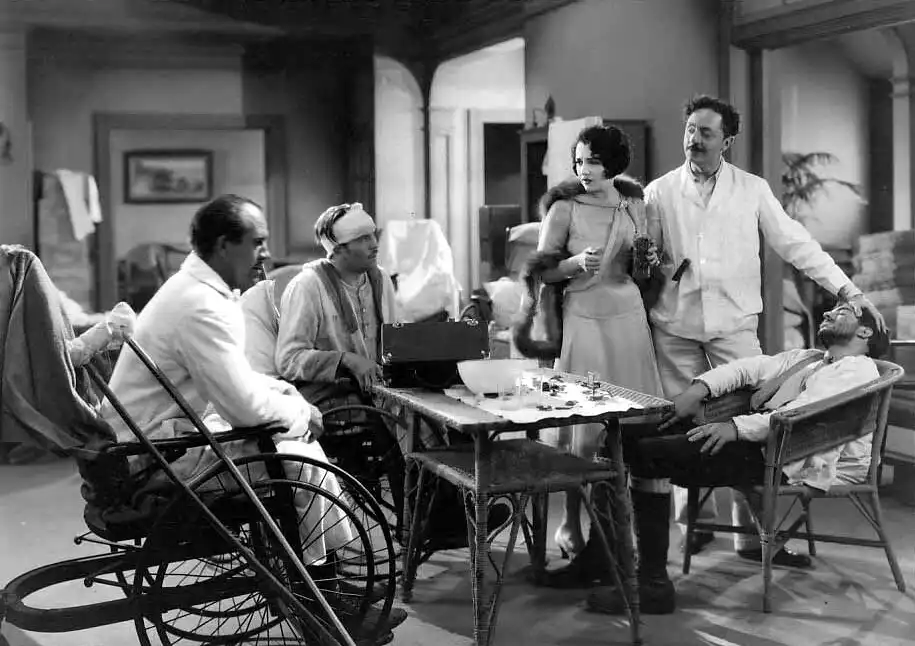
The film centers on Barbara Manning (Bebe Daniels), a wealthy heiress whose life is a constant battle against imagined illnesses. She’s a walking medical textbook, convinced every minor ache portends doom. Her solution? Retreat to a sanitarium she’s inherited, a place she believes will provide the ultimate cure for her myriad, non-existent ailments. The delicious irony, of course, is that this sanitarium is a thinly veiled front for a bootlegging operation, staffed by a collection of rough-and-tumble criminals avoiding the law. It’s a premise ripe for comedic misunderstandings, and for the most part, Feel My Pulse delivers.
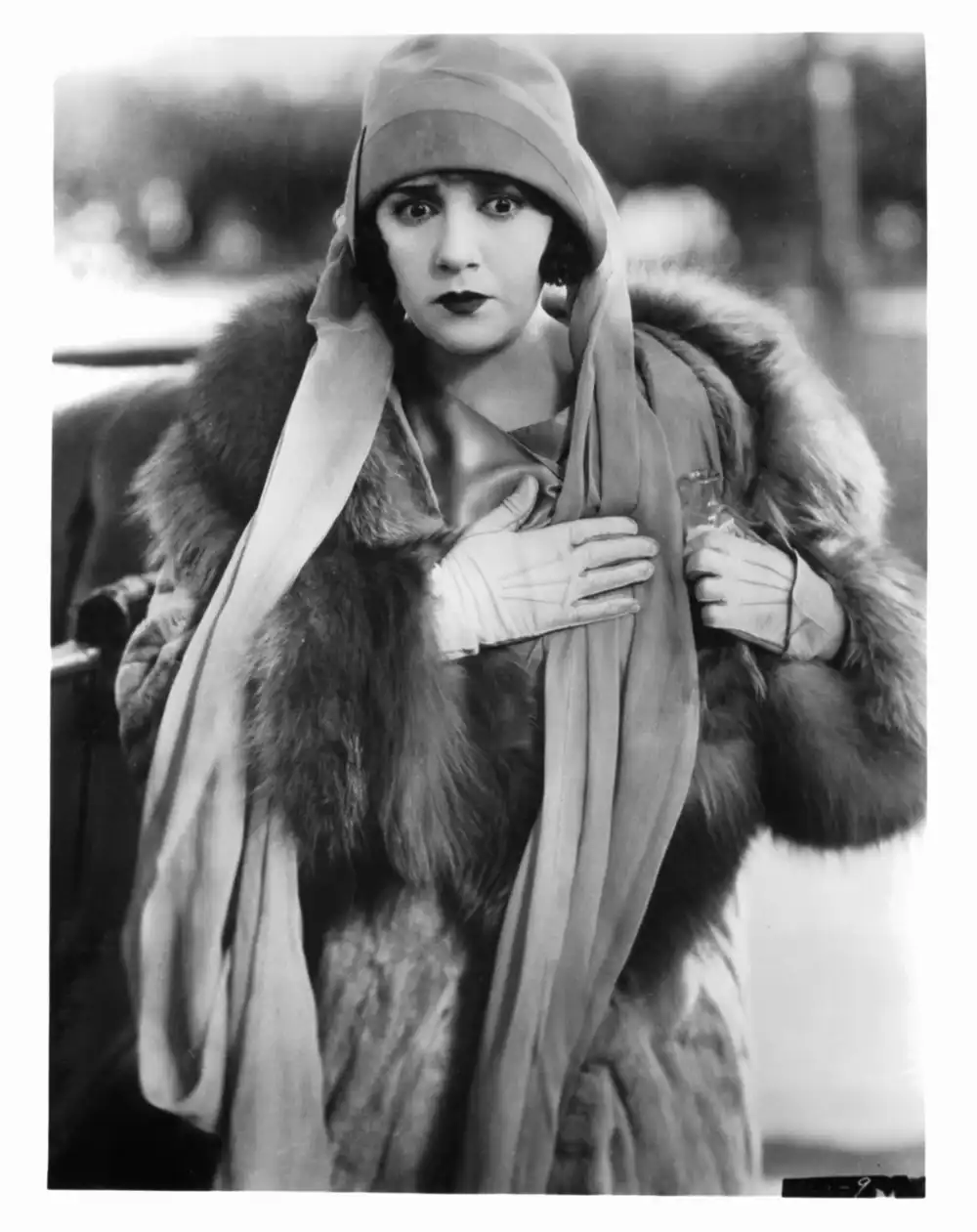
Bebe Daniels carries the film with an almost frantic energy, perfectly embodying the high-strung Barbara. Her physical comedy, a hallmark of the silent era, is on full display. We see her constantly checking her pulse, meticulously counting pills, and reacting to every perceived symptom with exaggerated alarm. One recurring visual gag, and a genuinely effective one, involves Barbara consulting a small, ornate medical book she carries everywhere, even as she’s running from actual danger. It’s a subtle but persistent detail that underlines her deep-seated neuroses far more effectively than any intertitle could, anchoring her character's eccentricities in a tangible, almost obsessive habit. Daniels’ transformation from a fragile, fainting flower to a surprisingly resourceful heroine, navigating the criminal underworld with bewildered charm, is the film’s strongest asset.
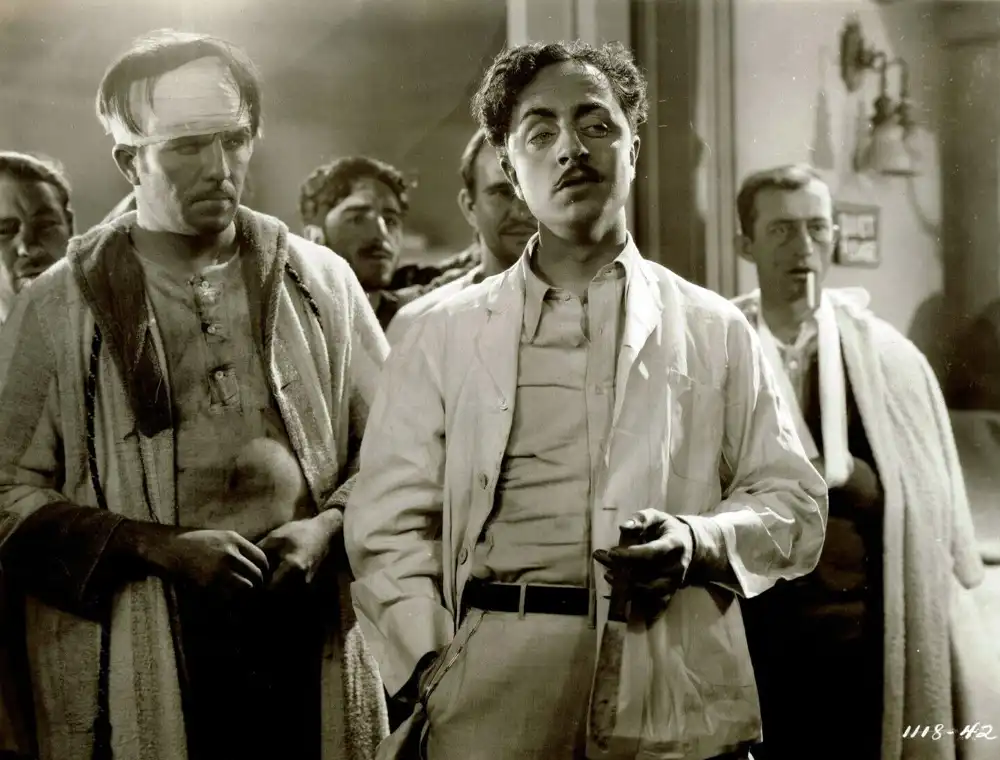
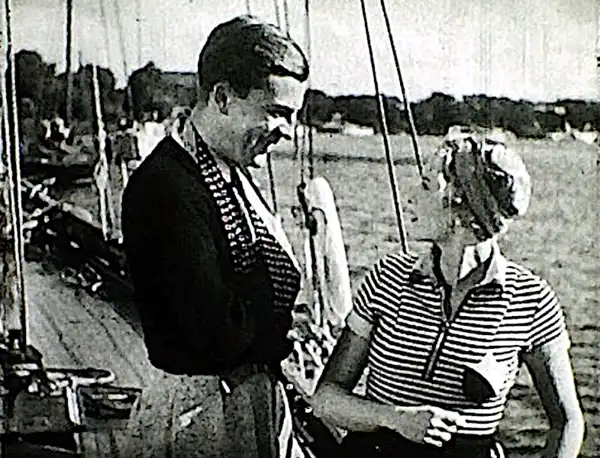
William Powell, in one of his earlier roles, already displays the suave, slightly roguish charm that would define his later career. He plays the leader of the bootlegging operation, a character who, despite his criminal enterprise, maintains a debonair composure. He's not quite the debonair detective of "The Thin Man" yet, but his villainous character here carries a distinct air of effortless authority, even when orchestrating a complex illegal business. Powell often underplays his reactions, a stark contrast to Daniels' broader physical comedy, which creates a compelling dynamic between them. His ability to convey menace and charm simultaneously, often with just a subtle shift in expression, is remarkable for such an early performance.
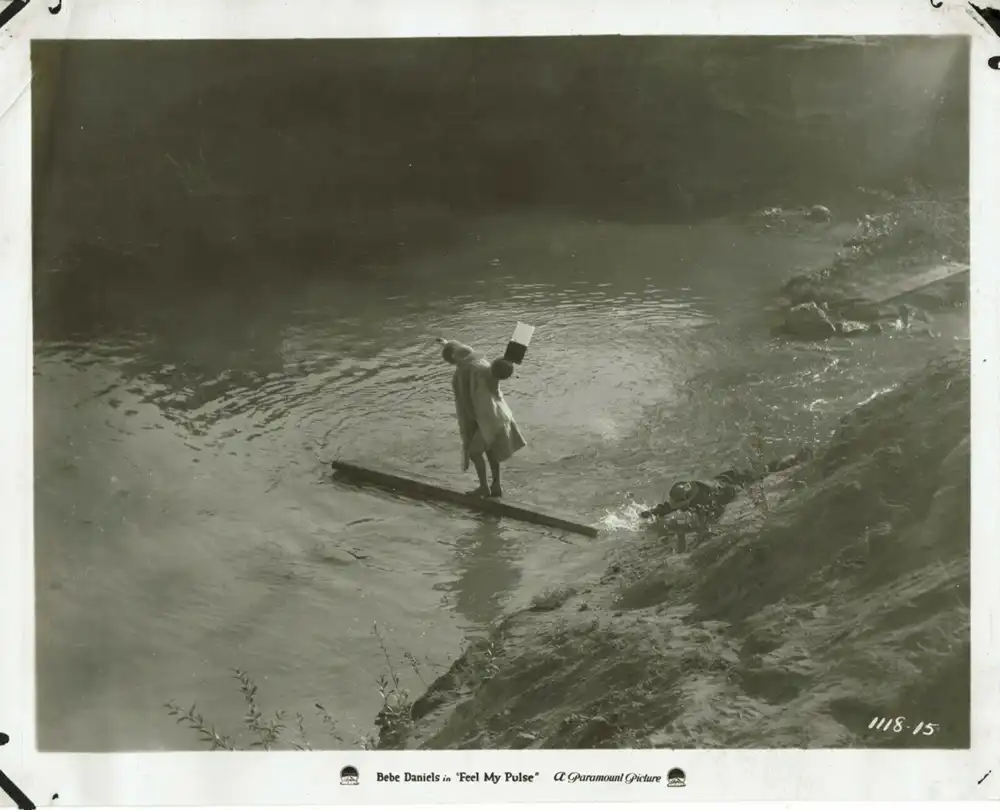
The film’s comedic energy is front-loaded with Daniels' hypochondriac antics, which are genuinely amusing for a time. However, once the bootlegging plot fully kicks in, the pace occasionally falters. Some sequences, particularly those involving the various criminals bumbling about the sanitarium, feel drawn out, relying on extended reaction shots or repetitive physical gags that don't always land. The film shifts between outright slapstick and a more subtle, character-driven humor, sometimes a little jarringly. There are moments of genuine tension, particularly when Barbara unwittingly stumbles upon the bootleggers' secrets, but these are often quickly undercut by a return to broader comedy, which can make the film feel a little inconsistent in its tone.
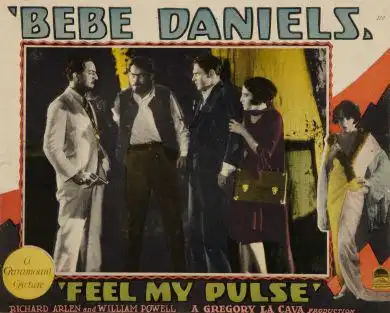
The sanitarium itself is a wonderfully realized set, managing to be both grand and slightly dilapidated, perfectly suited for its dual purpose as a medical facility and criminal hideout. The production design effectively conveys the sense of a once-stately building now repurposed for illicit activities. The hidden compartments, secret passages, and the intricate workings of the bootlegging operation are staged with a clear sense of space, making the various chases and discoveries easy to follow. The visual gags involving the sanitarium’s peculiar treatments and the criminals trying to blend in are often cleverly executed, relying on well-timed physical comedy and expressive cinematography typical of the era.
Feel My Pulse is a charming, if imperfect, relic from the tail end of the silent era. Its primary appeal lies in its lead performances and its unique premise. Bebe Daniels is a force of nature, and William Powell provides an early demonstration of his enduring appeal. While it occasionally suffers from the pacing issues common to silent comedies that haven't aged perfectly, its strengths are significant enough to warrant a viewing for those with an interest in film history. It's not a masterpiece, but it’s an entertaining and often clever film that offers a valuable look at the talents of its stars before the advent of sound changed everything. For silent film buffs, it’s a definite watch; for others, it’s a curious and often rewarding diversion.
IMDb 6.9
1932
Community
Log in to comment.