DbcultAccessing Vault...
3.6/10
Senior Film Conservator
A definitive 3.6/10 rating for a film that redefined the boundaries of cult cinema. Mujer tu eres la belleza remains a cornerstone of transgressive art.
Alright, so, look. Mujer tu eres la belleza isn't your Friday night popcorn flick. Not by a long shot. If you’re into quiet, art-house films that barely whisper, if you like watching light shift on a wall, or someone just *being* in a space, then yes, give this a try. But if you need plot, dialogue, or, frankly, much of anything *happening*, you’re probably going to be checking your watch every five minutes. This one’s for the patient souls, the ones who don't mind a film that feels less like a movie and more like a prolonged, thoughtful gaze. 👀
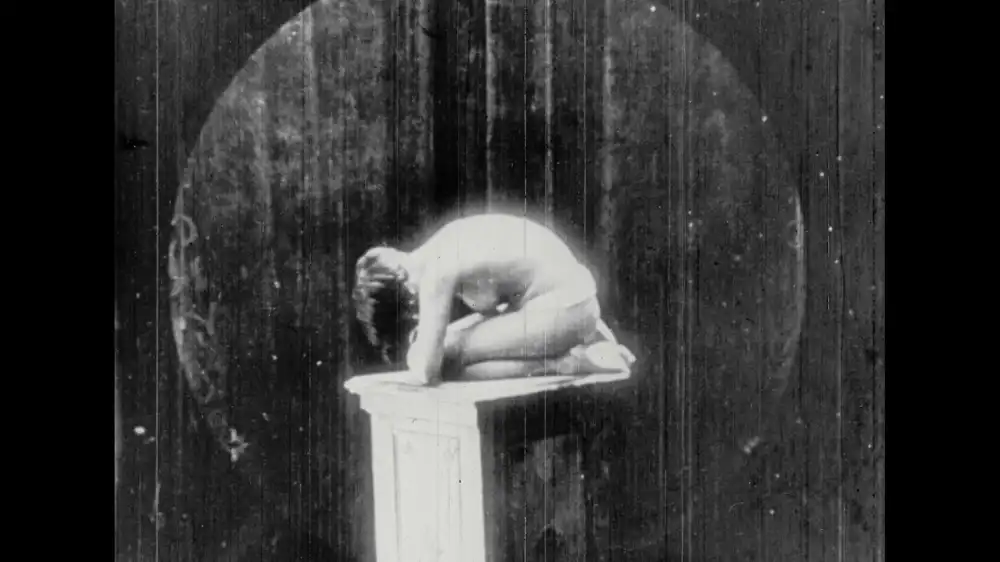
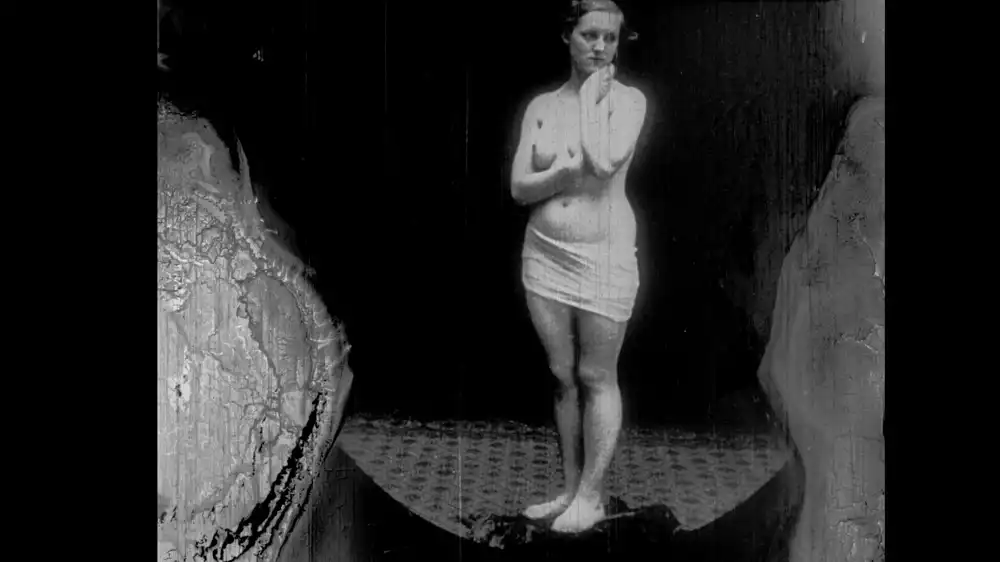
C.Z. Soprani, who not only directs and writes but also *is* the central figure here, gives us a film that feels deeply personal. It’s almost like looking through someone's private photo album, but the photos move, very, very slowly. There's this one shot, early on, where she's just by a window, and the light, you know, it just *falls* across her face in a way that’s almost painterly. It lingers there, maybe a bit too long for comfort, but then it becomes something else, something… still. 🧘♀️
The whole movie, if you can call it that, is built on these fragments. We see Soprani often in simple, everyday settings, but they feel elevated. Like the way she touches a silk scarf, or the precise, almost ritualistic way she pours tea. These aren't big, dramatic gestures. They're just… small acts, given immense weight by the camera's unwavering attention. You can almost feel the texture of things through the screen.
There’s very little dialogue. I mean, *very* little. Most of the sound comes from the environment: a distant bird, the rustle of fabric, sometimes just absolute silence. And that silence, it's not empty. It's full of unspoken things. It makes you lean in, really listen for something. Anything. And then often, there’s nothing but the hum of the room, and that becomes its own kind of music. 🎶
I kept thinking about The English Lake District, not for the plot, obviously, but for that similar feeling of a camera just observing, letting the scenery or the subject *speak* without words. Soprani's film takes that a step further, making the human form the landscape.
One particular sequence stuck with me. Soprani is walking through a sun-dappled garden. Her dress, a really simple, almost linen-like fabric, catches the light in these tiny, shimmering folds. The camera follows, not her face, but her back, then her feet, then just the way her hand brushes a leaf. It felt less like a character moving through a scene and more like an exploration of movement itself, and the way light interacts with everything. It's kind of mesmerizing, actually. It does go on for what feels like an eternity, but then you realize that's the point. It makes you *feel* the passage of time.
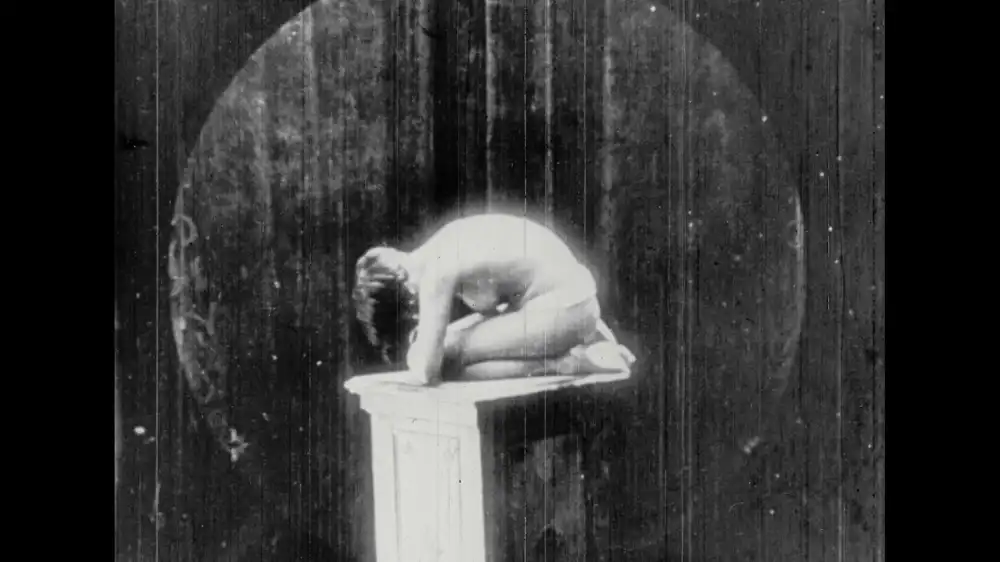
Sometimes, a shot would feel a little… off-kilter. Like the camera wasn't quite stable, or the focus drifted just a hair. But it never felt like a mistake. It felt intentional, like the film itself was breathing, or like we were watching through someone's slightly imperfect eyes. It makes it feel more real, somehow. Less polished, more felt.
The ending, well, it doesn't really 'end' in a traditional sense. It just… stops. Like a thought trailing off. You're left with this sense of having witnessed something intimate, but without ever fully understanding it, which I think is precisely what Soprani was going for. It's a film that leaves you with questions, and a strange, quiet resonance.
So, if you're feeling adventurous, and you're in the mood for something truly different, something that demands your full, undivided attention, Mujer tu eres la belleza might just be it. Just don't expect a story. Expect an experience. 🖼️

IMDb 6.8
1932
Community
Log in to comment.