DbcultAccessing Vault...
7.2/10
Senior Film Conservator
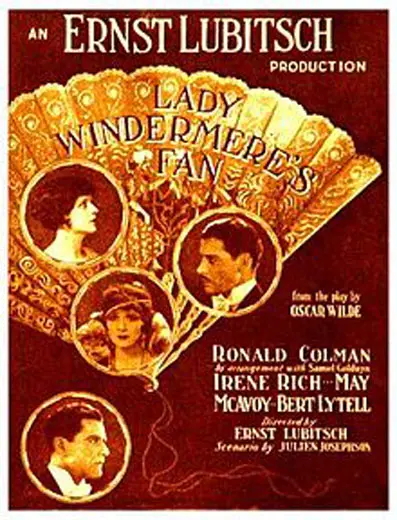
A definitive 7.2/10 rating for a film that redefined the boundaries of cult cinema. Lady Windermere's Fan remains a cornerstone of transgressive art.
When one contemplates the translation of Oscar Wilde’s scintillating wit into the medium of silent cinema, the initial reaction is often one of skepticism. How can a playwright whose very essence is distilled through linguistic acrobatics survive the excision of his dialogue? Yet, in the hands of Ernst Lubitsch, the 1925 iteration of Lady Windermere's Fan does more than survive; it flourishes as a testament to the power of the visual image. Lubitsch, the architect of the eponymous 'touch,' understands that the essence of Wildean irony lies not merely in the spoken word, but in the profound gap between social performance and private reality.
The film operates through a sophisticated geometry of glances. Unlike the broader histrionics found in contemporary works like Othello, where jealousy is a roaring beast, Lubitsch treats Lady Windermere’s suspicion as a quiet, corrosive acid. May McAvoy’s portrayal of the titular character is a study in escalating fragility. Her face becomes a canvas upon which the perceived betrayals of her husband, Lord Windermere (Bert Lytell), are etched with devastating clarity. When she discovers his checkbook, the camera doesn't merely show us the document; it lingers on her realization, transforming a simple prop into a harbinger of domestic ruin.
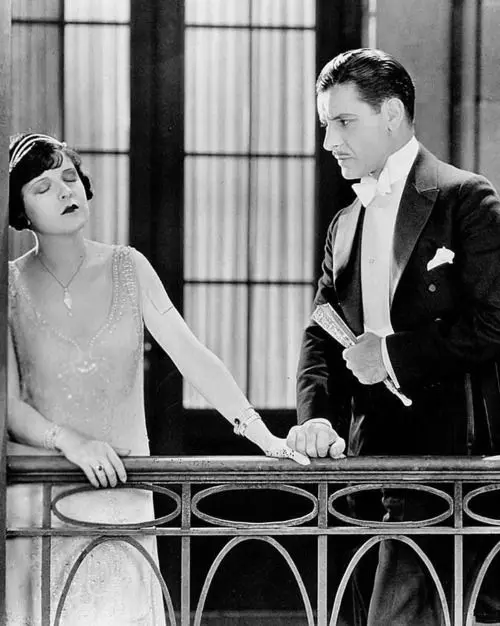
This visual eloquence is a stark contrast to the more traditional narrative structures seen in films such as The Lottery Man or the rugged adventurism of The Eagle. While those films rely on overt action or comedic setups, Lubitsch builds tension through the placement of bodies in space. The way characters occupy a room—who stands in the light, who recedes into the shadows of a doorway—articulates the power dynamics of the London elite more effectively than a thousand title cards ever could.
Irene Rich delivers a performance of remarkable complexity as Mrs. Erlynne. In the social hierarchy of the 1920s, the 'woman with a past' was a common trope, often relegated to the status of a villainess as seen in The Self-Made Wife. However, Rich imbues Erlynne with a weary nobility. She is a woman who has navigated the treacherous waters of social exile and has returned to the shores of respectability with a cynical, yet protective, understanding of the world. Her interactions with the upper crust are a series of calculated maneuvers, a dance of social survival that rivals the tactical depth of any melodrama.
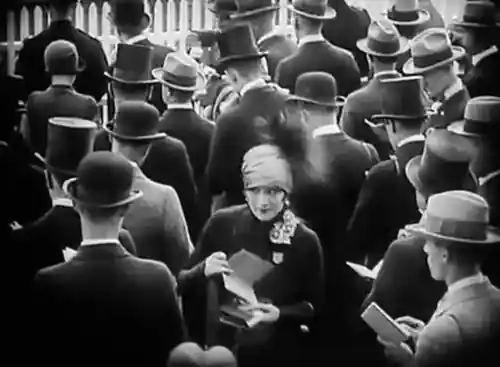
The genius of the film lies in the dramatic irony surrounding Erlynne’s identity. The audience is privy to the fact that she is Lady Windermere’s mother, a secret that Lord Windermere desperately tries to shield from his wife to preserve her idealistic view of her parentage. This creates a tension that is almost unbearable during the race track sequence. Here, the 'Lubitsch Touch' is on full display: the use of binoculars as a narrative device allows us to see the world through the eyes of the gossips, turning the act of looking into a weapon of social destruction. It is a far more nuanced approach to conflict than the physical peril found in A Fight for Millions.
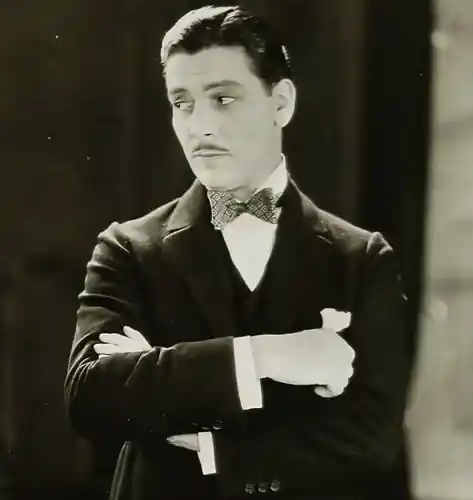
The fan itself, a birthday gift to Lady Windermere, serves as the film’s central motif. It represents purity, ownership, and eventually, the threat of exposure. When the fan is discovered in Lord Darlington’s (Ronald Colman) apartments, it ceases to be a fashion accessory and becomes a smoking gun. Colman, even in this early stage of his career, possesses an effortless charisma that makes his pursuit of Lady Windermere feel both dangerous and seductive. His performance provides the necessary friction to the Windermeres' marriage, suggesting a world of passion that lies just beneath the surface of their polite, stifling existence.
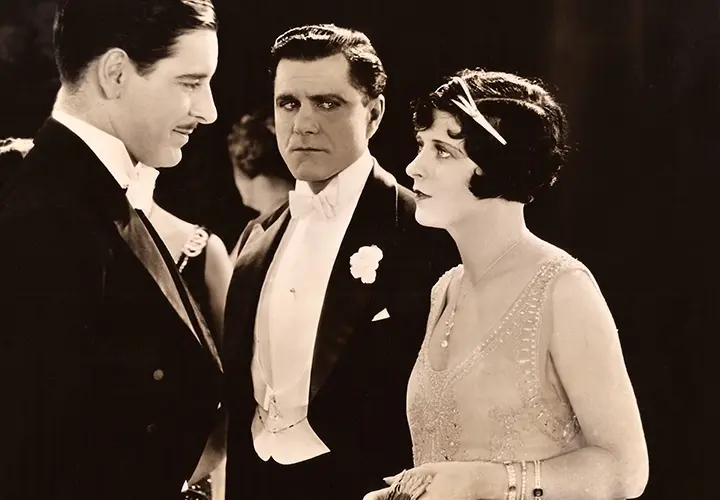
Lubitsch’s handling of the climax—the scene in Darlington’s rooms—is a masterclass in suspense. The use of curtains and screens to hide characters from one another creates a claustrophobic atmosphere that mirrors the societal pressures they face. It is a sequence that relies on the audience’s spatial awareness, a technique Lubitsch would continue to refine in later masterpieces like Desire. The resolution, where Mrs. Erlynne sacrifices her own burgeoning reputation to save her daughter’s, is handled with a poignant restraint that avoids the mawkish sentimentality often found in silent era dramas.
Released in a year that saw the industry grappling with the limits of silent storytelling, Lady Windermere's Fan stands as a beacon of sophistication. While other films of 1925, such as The Face at the Window, leaned into the gothic and the sensational, Lubitsch sought a psychological realism that felt modern. Even when compared to the lighthearted romps of the era like Leap Year or the working-class struggles depicted in The Fourflusher, this film possesses an intellectual weight that is rare.
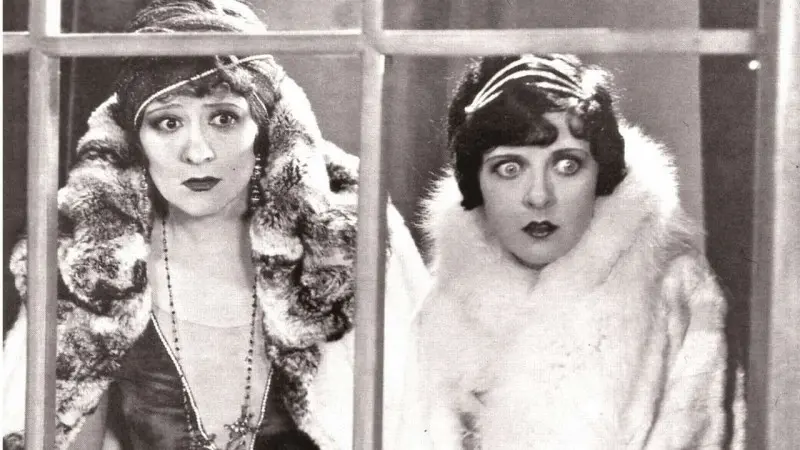
The cinematography by Charles Van Enger is noteworthy for its use of soft lighting and deep focus, which highlights the intricate set designs. The costumes, too, play a vital role in defining character. The contrast between Lady Windermere’s ethereal, light-colored gowns and Mrs. Erlynne’s darker, more structured ensembles visually reinforces their differing social standings and life experiences. It is this attention to detail that elevates the film above standard studio fare like The Millionaire or the more formulaic The Fighting Stranger.
Critics of the time were often baffled by Lubitsch’s decision to adapt Wilde without the talk, yet the film proves that the visual medium can capture the subtext of the play more effectively than a literal translation. By removing the distraction of the clever epigrams, Lubitsch forces us to confront the raw emotional stakes of the narrative. We see the pain in Lord Windermere’s eyes as he lies to his wife; we feel the desperation of Mrs. Erlynne as she realizes she can never truly be a mother to the child she abandoned. This is cinema at its most empathetic.
The film also serves as a fascinating precursor to the director’s later work. One can see the seeds of his sophisticated comedies of the 1930s here, but there is a melancholy present in Lady Windermere's Fan that is often absent in his more overtly comedic outings. It is a film about the cost of secrets and the burden of public image, themes that remain as relevant today as they were in 1925. In an age of digital oversharing, the idea of a reputation being destroyed by a single misunderstood object feels strangely contemporary.
Ultimately, Lubitsch’s 1925 masterpiece is a celebration of the unspoken. It is a film that trusts its audience to read between the lines, to interpret the silence, and to find the humanity within the rigid structures of society. It stands alongside other great silent character studies such as Hans Faders Ære or the intense psychological drama of Blood Test, yet it surpasses them in its sheer elegance and directorial confidence. For those who believe that silent film is a primitive precursor to modern cinema, this film is a necessary correction. It is a fully realized work of art that uses the limitations of its era to create something timeless and profoundly moving.
In the pantheon of silent adaptations, few directors have understood their source material as deeply as Lubitsch understood Wilde. By stripping away the words, he revealed the heart of the play: a story about the masks we wear and the courage it takes to remove them, even for a moment, in the shadows of a London midnight.
IMDb —
1924
Community
Log in to comment.