DbcultAccessing Vault...
6.6/10
Senior Film Conservator
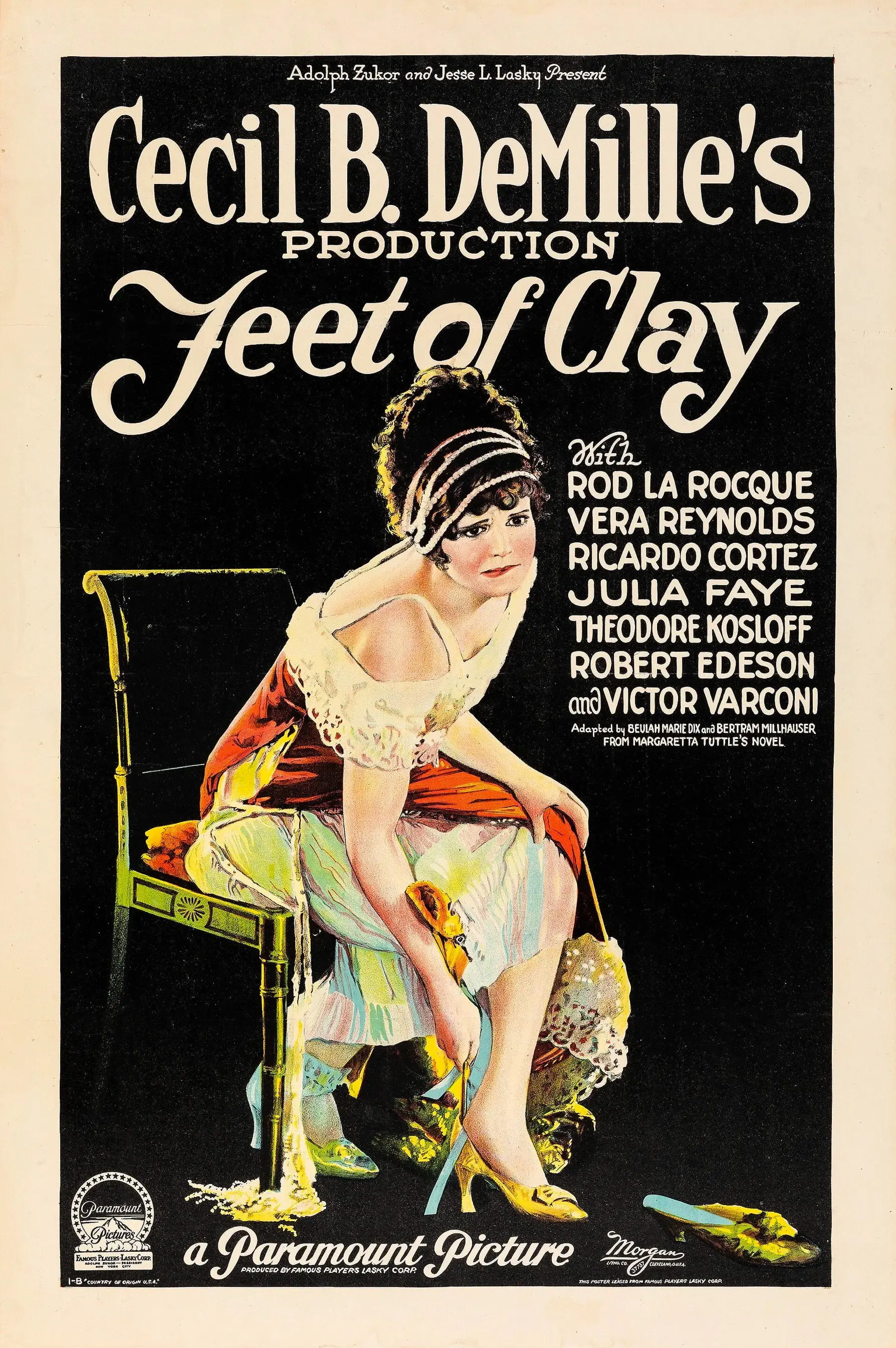
A definitive 6.6/10 rating for a film that redefined the boundaries of cult cinema. Feet of Clay remains a cornerstone of transgressive art.
The celluloid landscape of the 1920s often oscillated between the slapstick and the sublime, but few films managed to bridge the gap between visceral spectacle and existential dread as effectively as Feet of Clay. Directed with the characteristic opulence of the era, the film serves as a haunting reminder that even our most celebrated heroes possess a structural weakness—a point of failure that the world, or a hungry predator, will eventually find. Rod La Rocque portrays Kerry with a physical intensity that makes his subsequent fall into infirmity all the more agonizing to witness. Unlike the carefree aquatic antics found in Beach Nuts, the water here is not a playground but a site of primordial terror.
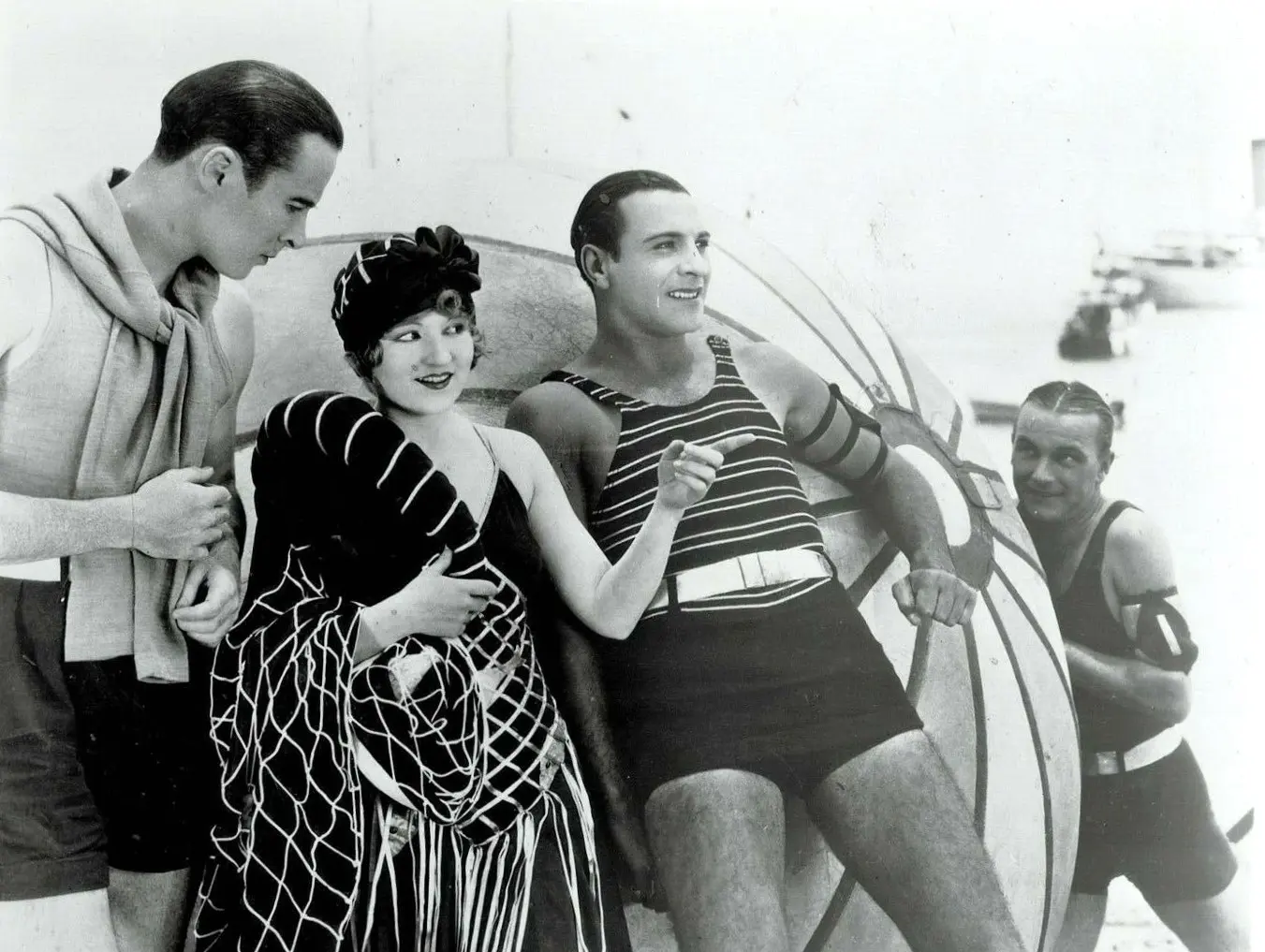
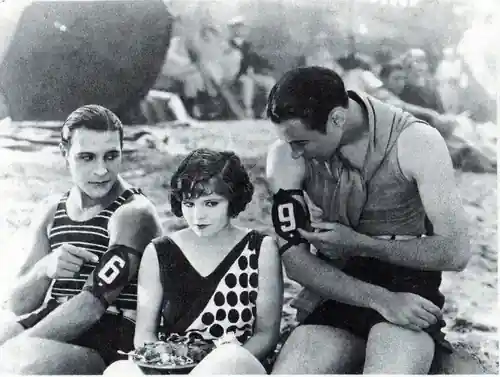
The opening surfboard race is a technical marvel, capturing a sense of speed and danger that feels remarkably modern. When Kerry saves Amy (Lillian Knight), the stakes are palpable. The shark attack is handled not with the gore of contemporary cinema, but with a psychological weight that lingers. It is a moment of pure, unadulterated heroism that immediately demands a price. The image of the bitten foot—the literal 'foot of clay'—becomes the central motif of the film. It is the anchor that drags Kerry from the heights of masculine idealization into the murky depths of dependency. While The Blue Streak focuses on the thrill of the chase, this film focuses on the devastating halt of momentum.
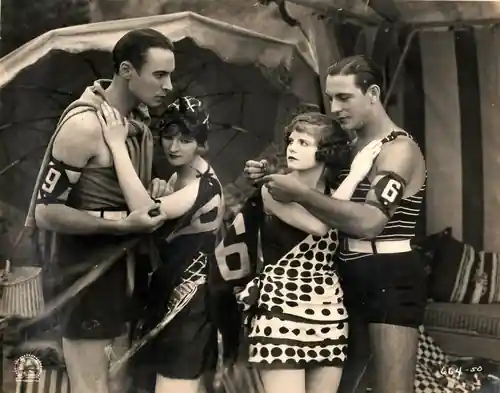
Dr. Lansell (Robert Edeson) provides the cold, clinical verdict: a year of inactivity. In an era where a man's worth was often tied to his physical utility, this sentence is akin to social death. The marriage between Kerry and Amy, born of gratitude and passion, is immediately tested by the mundane realities of a sickroom. The transition from the wide-open horizons of the beach to the shadowed interiors of their home is handled with masterful lighting. The shadows grow longer, mirroring the encroaching despair that Kerry feels as his muscles atrophy and his spirit wanes. We see a similar exploration of physical resilience in The Brute Breaker, but here the conflict is internal and domestic.
Enter Bertha, played with a feline grace by Julia Faye. As the doctor's wife, she represents a different kind of shark—one that swims through the polite currents of social gatherings. Her desire for Kerry is not born of love but of a predatory need to possess what is broken. She sees Kerry’s vulnerability as an invitation. The interplay between Amy’s steadfast devotion and Bertha’s manipulative allure creates a tension that is almost unbearable. It’s a stark contrast to the more straightforward romantic entanglements in A Flirt There Was. Here, the flirting has teeth.
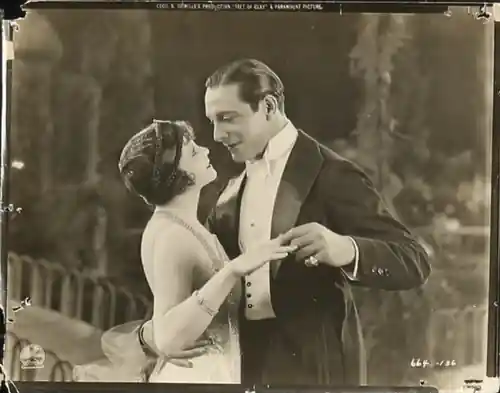
The film excels in its depiction of the 'fallen idol.' Kerry, who was once the savior, now finds himself in a position where he must be saved, not from the ocean, but from his own resentment. The presence of the supporting cast, including the likes of Ricardo Cortez and William Boyd, adds layers to the social world Kerry is being forced to leave behind. Each visitor to his bedside is a reminder of the life he can no longer lead. The psychological toll is depicted through close-ups that capture the micro-expressions of Rod La Rocque, whose performance anchors the film's more melodramatic flourishes.
One cannot discuss Feet of Clay without mentioning the extraordinary sequence that ventures into the metaphysical. When the pressure of his situation becomes too much, the film takes a daring leap into a purgatorial vision. It is a sequence of haunting beauty, utilizing double exposures and ethereal set designs to represent the threshold between life and death. This is where the film transcends the boundaries of a standard melodrama and becomes a piece of avant-garde art. It reminds me of the atmospheric density in Les frères corses, yet it feels uniquely grounded in the protagonist's specific suffering.
The visual effects of 1924 might seem primitive to the modern eye, but there is an organic honesty to them that CGI cannot replicate. The way the light catches the translucent figures in this 'other world' creates a sense of genuine awe. It is a bold narrative choice that forces the audience to confront the finality of Kerry’s choices. Is death a release from his 'feet of clay,' or is it the ultimate failure? The film doesn't offer easy answers, which is why it remains so compelling a century later.
The writing team, including Bertram Millhauser and Beulah Marie Dix, crafted a script that balances high-stakes action with intimate character study. The pacing is deliberate, allowing the audience to feel the weight of the 'year' Kerry must endure. Every month that passes is etched into his face. The direction ensures that the audience never forgets the shark; even in the quietest moments in the parlor, the threat of the 'bite'—the permanent disability—looms large. It is a far more serious endeavor than something like Jumping Beans or the comedic mishaps of Why Smith Left Home.

The cinematography utilizes the frame to emphasize Kerry’s isolation. Often, he is placed in the lower third of the screen, or framed by heavy architectural elements that suggest a cage. Even the luxury of his surroundings feels oppressive. This is a film that understands the architecture of grief. When Amy enters the frame, she is often the only source of light, a visual representation of the hope she provides, even as Bertha tries to extinguish it. The contrast between the two women is not just a moral one, but a visual one, played out through costume and lighting.
As we look back at Feet of Clay, we see the DNA of many modern dramas. The trope of the injured athlete or the hero who must find a new identity is explored here with a raw intensity that few films have matched. It lacks the cynicism of modern cinema, replacing it with a grand, sweeping sincerity. The performances of the ensemble, from Lucien Littlefield to Victor Varconi, create a rich tapestry of 1920s society—a society that is quick to applaud a hero but slow to support a cripple. This social commentary is subtle but biting.
While films like A Yankee Go-Getter or Boots might offer more traditional entertainment, Feet of Clay demands more from its viewers. It asks us to consider what remains when our physical strength is stripped away. It asks if love can survive the transition from partner to caretaker. And most importantly, it asks if we can ever truly forgive ourselves for our own fragility. The ending, which I will not spoil, is both poetic and devastating, providing a resolution that feels earned rather than forced.
In the grand pantheon of silent cinema, this film stands as a testament to the power of visual storytelling. Without a single word of spoken dialogue, it conveys the roar of the ocean, the sting of betrayal, and the quiet agony of a soul in limbo. It is a masterpiece of mood and a definitive work for anyone interested in the evolution of the dramatic form. If you have only seen the lighter side of the 20s, perhaps through Join the Circus or Up in the Air, Feet of Clay will be a profound and perhaps jarring revelation. It is cinema at its most ambitious, capturing the fragility of the human condition with a beauty that is as sharp as a shark's tooth.
Ultimately, Kerry’s journey is a universal one. We all have our surfboard races, our moments of glory, and our inevitable encounters with the things that would tear us down. The brilliance of this film lies in its refusal to look away from the aftermath. It stays in the room with the broken man, it watches the predatory gaze of the temptress, and it follows the hero into the very afterlife to find the truth of his character. It is a heavy, gorgeous, and essential piece of film history that deserves to be rediscovered by every generation of cinephiles.
IMDb 4.1
1928
Community
Log in to comment.