DbcultAccessing Vault...
5.2/10
Senior Film Conservator
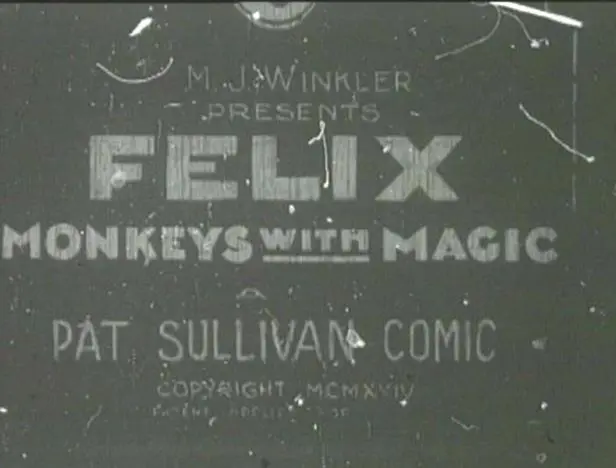
A definitive 5.2/10 rating for a film that redefined the boundaries of cult cinema. Felix Monkeys with Magic remains a cornerstone of transgressive art.
Stepping into the animated world of Felix Monkeys with Magic is akin to unearthing a vibrant, albeit monochrome, relic from the nascent days of cinematic art. This early twentieth-century short, a testament to the prodigious talent of Otto Messmer, stands not merely as a quaint historical artifact but as a dynamic exposition of character, narrative ingenuity, and the burgeoning potential of the animated medium. From its very opening frames, the film establishes a playful yet subtly subversive tone, inviting audiences to witness the iconic Felix the Cat navigate a world where the laws of physics are but suggestions, and the boundaries of reality are delightfully porous.
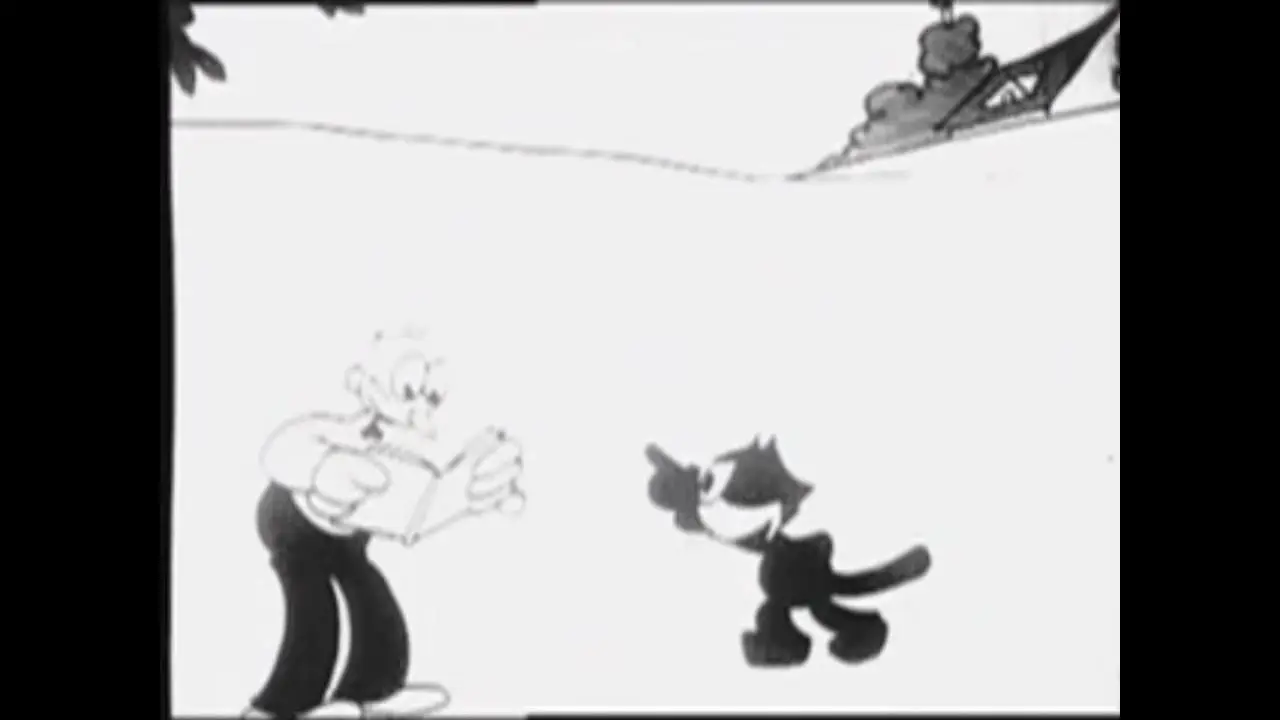
The initial premise places Felix in a familiar predicament, one that resonates with the timeless archetype of the underdog. His master, a magician of questionable benevolence, wields his mystical abilities not for grand illusions or noble purposes, but to indulge in petty torment, specifically aimed at our feline protagonist. This power dynamic, a magician's dominion over his familiar, sets the stage for a compelling narrative arc centered on liberation and the subversion of authority. Messmer's animation, even in these formative years, imbues Felix with an expressive range that transcends the simplicity of his design. His reactions to the master's conjured pranks – a sudden transformation into an inanimate object, a fleeting moment of discomfort – are rendered with an economical yet potent clarity, allowing the audience to empathize with his plight and anticipate his inevitable retaliation.
What truly elevates Felix Monkeys with Magic beyond a mere series of gags is Felix's audacious counter-ploy. Far from being a passive victim, Felix exhibits a cunning intellect that rivals, and ultimately surpasses, his master's magical prowess. His strategic manipulation of the magician's own tricks, leading to the master's transformation into a mouse, is a stroke of narrative genius. This pivotal moment is not just a comedic beat; it's a profound shift in power, a symbolic dethroning of the oppressor by the oppressed. The swift, almost nonchalant manner in which Felix then incapacitates the miniaturized magician and seizes the book of magic underscores his pragmatism and resourcefulness. This act of intellectual and physical triumph aligns Felix with other resourceful protagonists of the silent era, perhaps even echoing the clever stratagems employed by characters in films like The Dummy, where wit and quick thinking are often the only recourse against overwhelming odds.
The acquisition of the magic book marks a significant turning point, propelling Felix into the role of an experimental sorcerer. His initial forays into magic are characterized by a delightful blend of curiosity and mischief. Messmer masterfully illustrates the unpredictable nature of nascent magical ability, with Felix's attempts often leading to humorous, unintended consequences. This sequence highlights the film's playful engagement with the very concept of power—its allure, its potential for chaos, and the responsibility (or lack thereof) that comes with it. The animation during these moments is particularly vibrant, showcasing Felix's fluid movements and the dynamic transformations of objects around him, a hallmark of Messmer's pioneering style that allowed animation to break free from the constraints of live-action cinematography.
The narrative then takes a breathtaking leap into the surreal, as Felix, through an errant spell, finds himself inexplicably transported into a painting. This transition is not merely a plot device; it's a profound commentary on the liminal space between art and reality, a visual metaphor for the transformative power of imagination itself. The painting's world, rendered with a distinct aesthetic that contrasts sharply with the film's opening scenes, becomes a new arena for Felix's adventures. Here, the film fully embraces its fantastical elements, pushing the boundaries of what was conceivable in early animation. This imaginative leap, transporting a character into an entirely new, self-contained world, demonstrates a narrative ambition that was truly pioneering for its time, predating many similar concepts in later cinematic works.
Within this painted dimension, Felix encounters a trio of formidable adversaries: a lion, a stork, and a hippo. Each encounter is a masterclass in visual storytelling and character animation. The lion, a symbol of brute strength and danger, provides Felix with a direct physical challenge, forcing him to rely on his agility and quick thinking. The stork, perhaps representing a more aerial or elusive threat, demands a different kind of tactical response. And the hippo, with its immense size and lumbering presence, presents a challenge of scale and momentum. Messmer's ability to imbue these animal antagonists with distinct personalities and movement patterns, even within the confines of early animation, is remarkable. Felix's methods of dispatching or outwitting these creatures are consistently inventive, reinforcing his status as an ultimate trickster. These sequences, brimming with visual gags and dynamic action, speak volumes about the ingenuity of early animators in crafting engaging narratives without the aid of dialogue.
The thematic richness of Felix Monkeys with Magic extends beyond its immediate narrative. It explores themes of agency, the consequences of unchecked power, and the boundless realm of imagination. Felix's journey from victim to wielder of magic, and subsequently to an adventurer in a surreal landscape, mirrors a universal human desire for freedom and self-determination. The film implicitly asks what happens when the rules are broken, when the established order is overturned, and when one dares to venture beyond the known. This spirit of playful rebellion and exploration resonates with the broader cultural shifts of the early 20th century, a period marked by rapid industrialization and changing social norms, much like the challenging circumstances faced by characters in dramas such as Going Straight or Big Happiness, albeit through entirely different narrative lenses.
Otto Messmer's contribution to animation, particularly through Felix the Cat, cannot be overstated. His innovative techniques, such as the use of the 'magic bag' (though not explicitly present in this specific plot synopsis, it embodies Felix's resourcefulness), and the fluidity of Felix's character, laid crucial groundwork for future generations of animators. The ability to convey complex emotions and actions through simple, yet effective, character designs was a revolutionary concept. Felix, with his expressive eyes and versatile body, became a template for animated character design, allowing for a wide array of comedic and dramatic possibilities. The seamless integration of Felix's 'thought balloons' or visual representations of his ideas further enhanced his character's depth, providing audiences with direct insight into his cunning mind, a technique that was visually distinct from the more overt exposition found in live-action films like The Little Diplomat.
The film's visual language is a masterclass in silent storytelling. Every gesture, every exaggerated reaction, every dynamic movement is meticulously crafted to convey meaning and elicit response without a single spoken word. This reliance on purely visual cues demanded a high level of artistry and inventiveness from Messmer and his team. The stark black-and-white aesthetic, far from being a limitation, is utilized to its full potential, creating dramatic contrasts and emphasizing the fluid lines of Felix's design. The surrealism of the painted world, in particular, demonstrates a willingness to experiment with visual narrative that was truly ahead of its time. It’s a testament to the fact that early animation was not just about simple cartoons, but about pushing the boundaries of visual expression, much like the dramatic experimentation seen in films such as Sapho or St. Elmo, which explored new ways of conveying human emotion and social commentary.
In retrospect, Felix Monkeys with Magic is more than just a historical footnote in the annals of animation; it is a vibrant, compelling piece of early cinema that continues to captivate. Its narrative, though simple in outline, is rich with thematic undertones and executed with a pioneering spirit that defies its age. The film’s brilliance lies in its ability to tell a complete, engaging story through purely visual means, showcasing Felix’s iconic blend of mischief, cleverness, and indomitable spirit. This enduring appeal of a character who consistently outwits his adversaries through sheer ingenuity is a common thread throughout cinematic history, from the comedic escapades to the more serious dramatic confrontations. Consider the intricate plots and character motivations in films like In the Spider's Grip or Matrimonial Web, where characters must navigate complex challenges; Felix, in his own animated universe, demonstrates a similar, albeit whimsical, mastery of his circumstances.
The film’s impact reverberates through the decades, influencing countless animators and storytellers. Felix the Cat, as personified in shorts like this, became a global phenomenon, a testament to the universal language of visual comedy and compelling characterization. The sheer inventiveness of Felix's visual gags rivals the physical comedy seen in live-action shorts of the period, perhaps even echoing the clever escapades found in films like The Dancer and the King, where quick thinking is paramount. The very idea of a character being transported into a painting, a narrative device that feels strikingly modern, demonstrates the boundless imagination at play in these early animated works. This willingness to shatter conventional boundaries and explore fantastical realms firmly establishes Felix Monkeys with Magic as a foundational text in the development of animated storytelling, a work that continues to enchant and inspire, reminding us of the timeless magic inherent in cinematic creation. Its charm is as palpable today as it was nearly a century ago, a testament to the enduring genius of Otto Messmer and the indelible legacy of Felix the Cat. Even when juxtaposed with the character-driven narratives of films like Girls or The Marcellini Millions, the animated antics of Felix possess a unique, universal appeal that transcends genre and era, solidifying its place as a truly remarkable piece of cinematic history.
This particular Felix short also serves as a fascinating lens through which to view the evolution of character design and animation techniques. The simplicity of Felix's form – a black cat with expressive white eyes and a wide, mischievous grin – allowed for incredible flexibility in exaggeration and movement, a key principle of animation that would be refined by later studios but clearly had its roots here. The way his limbs stretch and contort, or his tail forms question marks and exclamation points, are not just visual flourishes but integral parts of his communication and problem-solving. This dynamic use of character anatomy for comedic and narrative effect set a high bar, influencing the development of animated characters for decades to come. It’s a level of visual storytelling that, while different in execution, shares a common goal with the expressive acting seen in silent films such as Black Is White or The Cigarette Girl, where non-verbal communication was paramount.
The very premise of Felix 'monkeying with magic' speaks to a larger cultural fascination with the supernatural and the unknown that permeated early 20th-century entertainment. From stage magic to spiritualism, audiences were captivated by phenomena that defied logical explanation. Felix’s playful engagement with these concepts, however, injects a sense of lightheartedness and democratic access to power, suggesting that even a common cat can master the arcane. This democratizing of power, where the underdog triumphs through wit and daring, is a resonant theme across many forms of media, including the dramatic struggles for justice or survival depicted in films like Paid in Full or Stepping Lively. The film's inventiveness in creating scenarios born purely from magical intervention demonstrates an unbridled creative freedom that was truly revolutionary, laying the groundwork for the fantastical narrative possibilities that animation would continue to explore.
IMDb 5.6
1915
Community
Log in to comment.