DbcultAccessing Vault...
6.2/10
Senior Film Conservator
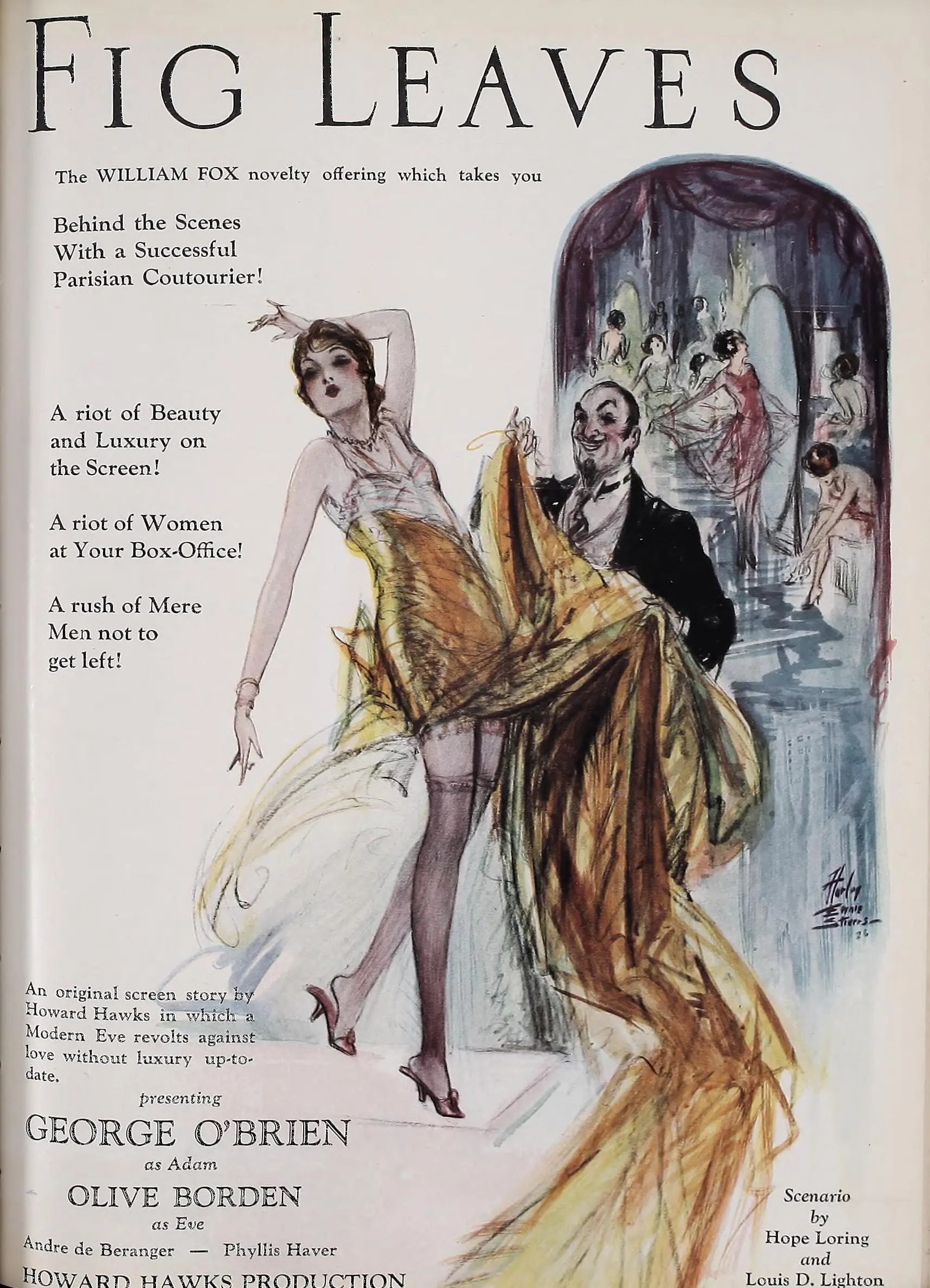
A definitive 6.2/10 rating for a film that redefined the boundaries of cult cinema. Fig Leaves remains a cornerstone of transgressive art.
Short answer: yes, but with qualifications. Fig Leaves, a 1920s melodrama, explores the complexities of marital fidelity and societal expectations. It’s a film worth watching for its exploration of themes relevant to modern audiences, but it’s also a product of its time, which can make some aspects feel dated.
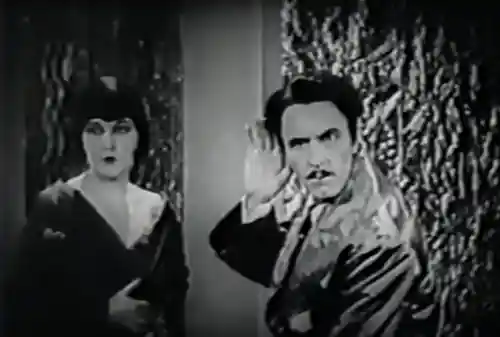
Fig Leaves is a rich tapestry of 1920s American life, offering insights into marital dynamics, the allure of forbidden pleasures, and the rigid moral codes of the era. The film works because it’s a well-crafted piece of storytelling that taps into timeless themes. However, it also fails because of its adherence to certain conventions of its era, which can sometimes feel obligatory and predictable. You should watch it if you’re interested in the period, enjoy tales of moral quandaries, and can tolerate a storyline that occasionally feels a bit overwrought.

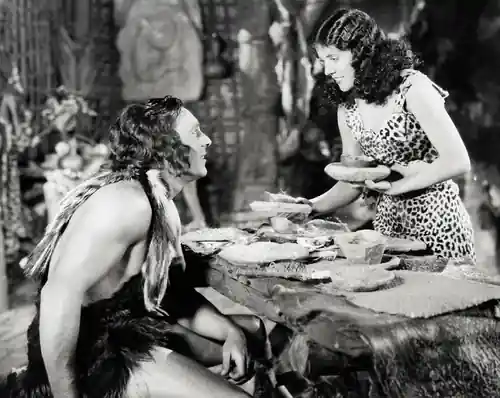
The performances are strong, especially from George O'Brien as Adam and Heinie Conklin as Eve. Their chemistry is palpable, and they deliver a nuanced portrayal of a couple caught in a web of secrets and desires. The film’s use of intertitles is also noteworthy, providing context and depth to the narrative without breaking the flow of the story.
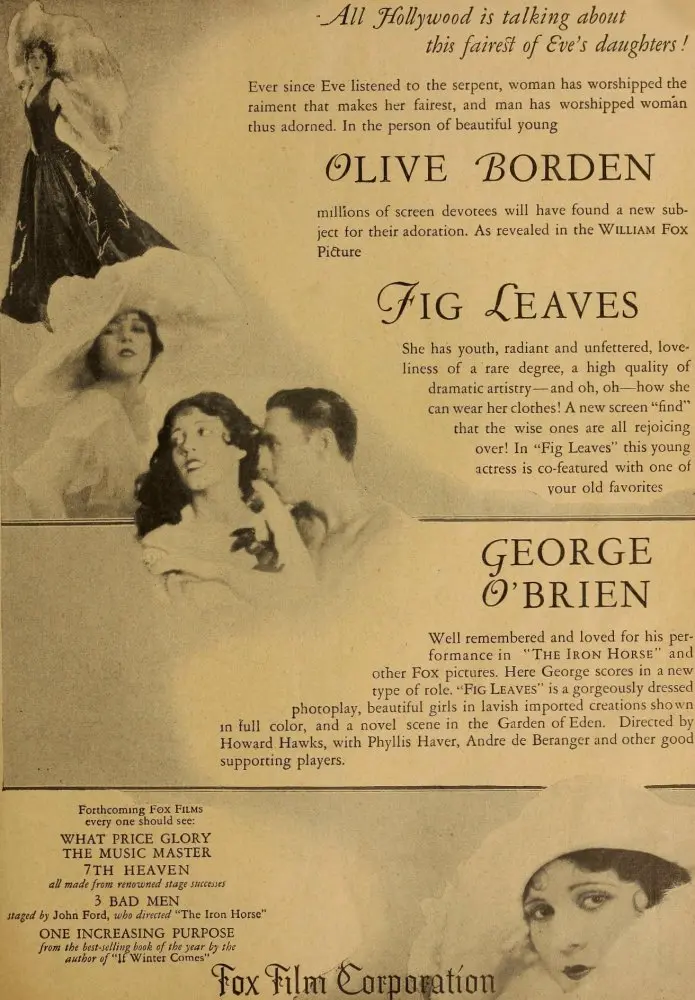
The pacing can be uneven, with moments that drag on more than they should. The film’s reliance on melodramatic moments can feel over-the-top at times, particularly in the later scenes. Additionally, the resolution feels a bit rushed and unsatisfying, leaving some plot threads untied.
Pros:
Cons:
Fig Leaves is a film that benefits greatly from its strong performances and engaging narrative. However, its adherence to certain conventions of its era can make some aspects feel obligatory and predictable. It’s a film worth watching if you’re interested in the period and its social norms, and if you can tolerate a storyline that occasionally feels overwrought. The film’s exploration of marital infidelity and the moral dilemmas it creates is thought-provoking, but the uneven pacing and occasionally melodramatic tone can detract from the overall impact.
Fig Leaves works because of its strong performances and engaging narrative, but it fails because of its adherence to certain conventions of its era. It’s a film that’s best appreciated for its period context and the performances of its lead actors. It’s not a perfect film, but it’s definitely worth a watch for those interested in the 1920s period and its social norms.
IMDb —
1928
Community
Log in to comment.