DbcultAccessing Vault...
Cult Review
Senior Film Conservator
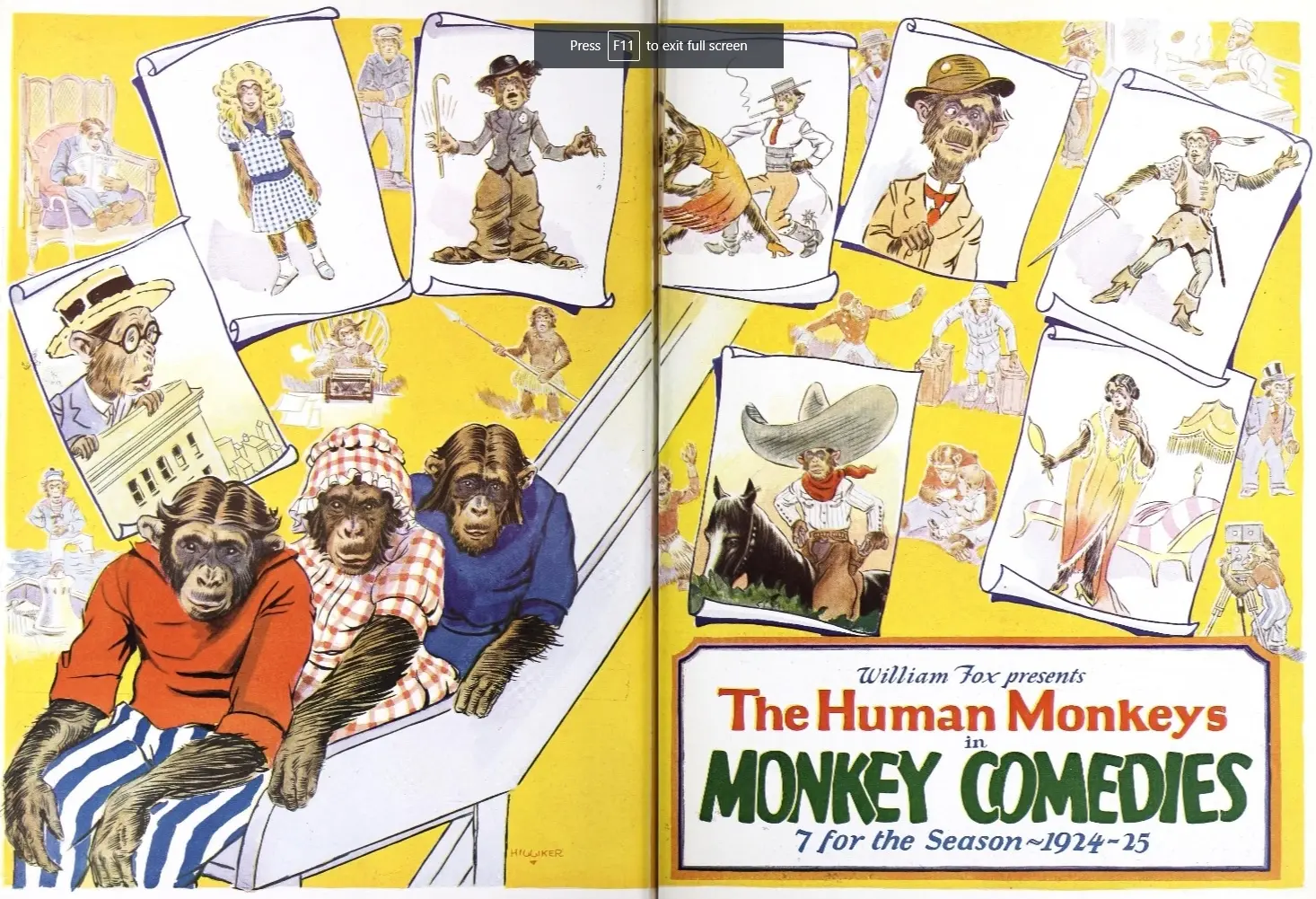
In the vast, often overlooked tapestry of early cinema, there occasionally emerges a work so peculiar, so utterly singular, that it defies easy categorization. Lewis Seiler's 1923 marvel, "The Monkey Romeo", is precisely such a film. While its premise might, at first glance, appear an exercise in whimsical novelty, beneath the surface lies a surprisingly profound exploration of love, freedom, and the intricate, often fraught, relationship between humanity and the natural world. This isn't merely a film; it's a silent symphony of emotion, a kinetic ballet of pursuit and longing staged against the gritty, pulsating heart of an anonymous port city.
The narrative, penned with surprising nuance by Elias Vance, eschews the grand romantic gestures typically associated with its Shakespearean namesake, opting instead for a more primal, yet no less potent, depiction of devotion. Our protagonist, Romeo, is a capuchin monkey of exceptional charm and even more exceptional dexterity, bound to a kindly, if somewhat melancholic, street performer. Romeo’s world, however, truly ignites with the appearance of Juliet, a breathtakingly graceful female capuchin, tragically in thrall to a rival organ grinder – a man whose avarice and cruelty are painted in stark, unforgettable strokes. The film ingeniously uses the monkeys’ plight to mirror the socio-economic struggles of the human characters, lending an unexpected depth to its seemingly lighthearted premise. The streets, docks, and bustling marketplaces become a veritable stage for their clandestine courtship, each stolen glance and shared banana a testament to an affection that transcends the boundaries of species.
Seiler, whose artistic fingerprints are evident throughout, demonstrates an astonishing directorial command, particularly in his handling of the animal performers. It’s a testament to his vision that the monkeys never feel like mere props; they are fully realized characters, their emotions conveyed with a clarity that rivals many human actors of the era. Romeo’s mischievous glint, his desperate longing, Juliet’s timid affection, her yearning for liberation – these are not anthropomorphic projections, but genuine expressions captured with an acute understanding of animal behavior. One cannot help but draw parallels to the raw, untamed spirit so powerfully depicted in something like "The Sea Wolf", though here, the wildness is channeled into a quest for tender connection rather than brute survival. The comparison, while disparate in scale, highlights a shared fascination with elemental forces and the struggle against confinement.
The cinematography, though adhering to the technical limitations of its time, is nothing short of inspired. The camera, often low to the ground, immerses the viewer in the monkeys’ perspective, transforming mundane street-level obstacles into monumental challenges. The use of natural light, particularly in the sun-drenched alleys and the shadowed recesses of the docks, creates a visual texture that is both immediate and atmospheric. Close-ups, used sparingly but effectively, amplify the emotional weight of key moments – a twitch of Romeo's ear, a hesitant reach of Juliet's paw. These are the details that elevate the film beyond mere spectacle, inviting a deeper empathy from the audience. The bustling backdrop of the port, with its myriad of human activities, serves as a poignant counterpoint to the intimate drama unfolding amongst its smallest inhabitants, echoing the complex urban tapestries found in works like "Barnaby Rudge", where diverse lives intersect in a vibrant, often harsh, landscape.
What truly distinguishes "The Monkey Romeo" is its audacious thematic ambition. It’s a film that, without uttering a single word, speaks volumes about societal prejudice, the yearning for autonomy, and the arbitrary nature of ownership. The cruel organ grinder, in his relentless pursuit of Juliet, becomes a symbol of oppressive forces, a stark contrast to the benevolent, if somewhat ineffectual, street performer who champions Romeo’s cause. This dynamic subtly critiques the prevailing attitudes towards animals as mere property, while simultaneously celebrating their inherent intelligence and capacity for complex emotion. The film challenges the audience to look beyond the fur and the antics, to recognize the universal spark of life and yearning for connection that animates all creatures. It’s a remarkably progressive stance for its era, predating many of the overt social commentaries that would define later cinematic movements.
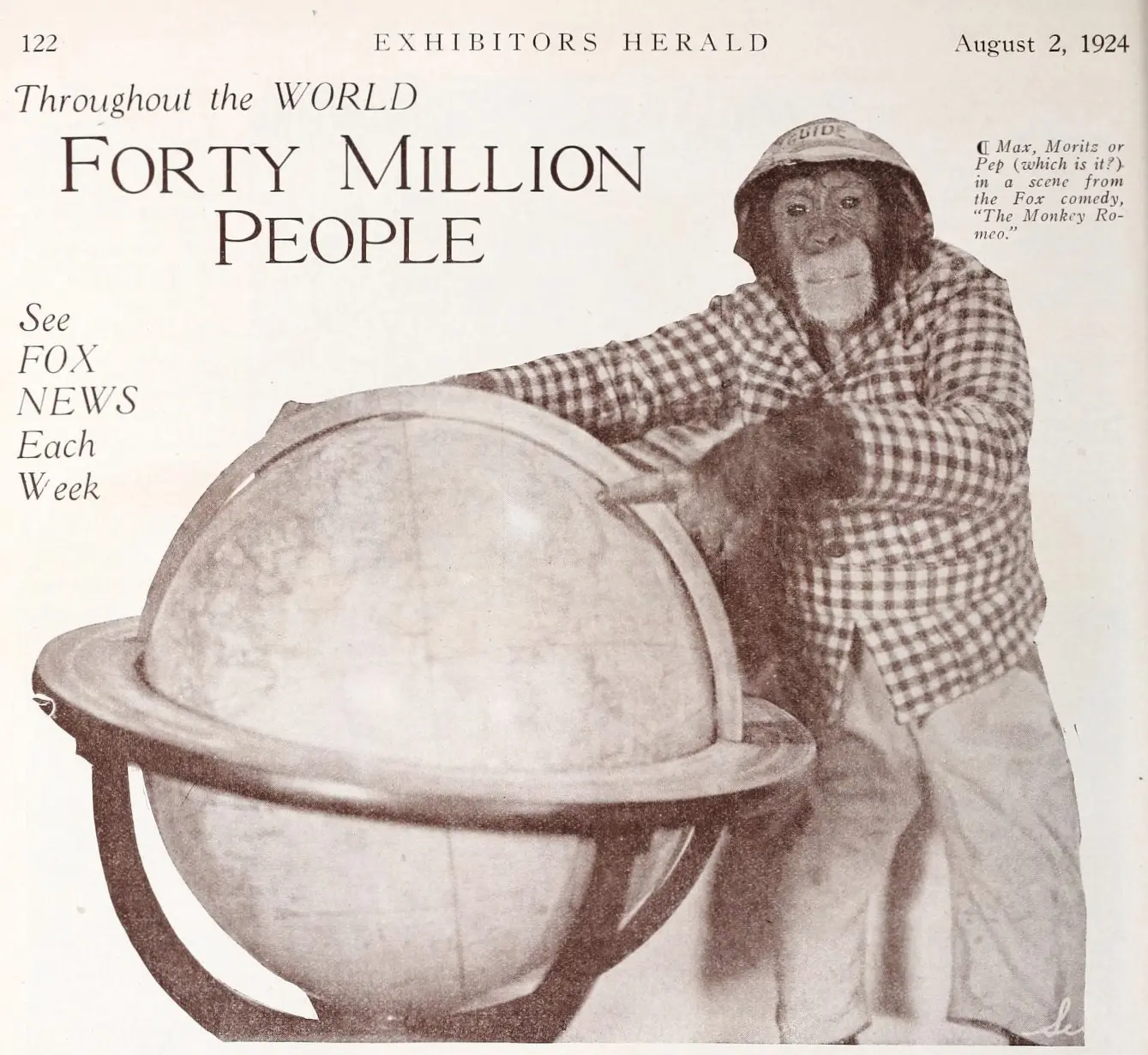
The narrative pacing is masterful, building suspense through a series of daring escapades and near-misses. Romeo’s attempts to liberate Juliet, often involving ingenious feats of agility and cunning, are thrillingly executed. The climax, a heart-stopping chase across rooftops and through crowded market stalls, is a crescendo of kinetic energy and emotional urgency. It’s here that the film’s silent nature becomes a powerful asset, allowing the viewer’s imagination to fill in the auditory gaps, amplifying the visceral impact of the pursuit. The absence of dialogue forces a reliance on visual storytelling, a language that Seiler and Vance speak with eloquent fluency. This focus on visual narrative, on expressive physicality, is a hallmark of early cinema at its finest, a trait shared with films like "The Skipper's Narrow Escape", where action and visual cues drive the entire plot.
Beyond the immediate thrills, "The Monkey Romeo" possesses a surprising emotional resonance. The bittersweet conclusion, where Romeo and Juliet achieve a fragile, hard-won freedom, but one that is tinged with the lingering threat of recapture, speaks volumes about the nature of liberation itself. It's not a fairytale ending, but a recognition of the ongoing struggle for autonomy in a world that often seeks to control. This nuanced approach to resolution avoids saccharine sentimentality, grounding the fantastical premise in a palpable sense of reality. It’s a mature handling of theme that distinguishes it from many of its more overtly melodramatic contemporaries, much like the understated emotional weight found in a film such as "The Old Nest", which explores human longing and loss with a similar delicate touch.
Lewis Seiler, though perhaps not a household name in the pantheon of early film directors, demonstrates an undeniable talent for crafting compelling narratives and eliciting captivating performances, even from his non-human cast. His ability to imbue these animal characters with such distinct personalities and motivations is truly remarkable. One can only imagine the patience and ingenuity required to direct such a film, especially in an era without advanced animal training techniques. This speaks to a profound dedication to his craft and a unique artistic sensibility. The film stands as a testament to the boundless creativity that flourished in the early days of cinema, a period often characterized by experimentation and audacious storytelling.
Considering the broader landscape of films from this period, "The Monkey Romeo" carves out a distinct niche. It lacks the epic scale of a production like "The Queen of Sheba", but compensates with an intimate focus and an emotional resonance that feels both universal and timeless. Where other films might have relied on grand sets and sweeping historical narratives, Seiler's work finds its power in the microcosm, in the small, significant struggles of creatures often relegated to the background. It reminds us that compelling drama can be found anywhere, even in the lives of a pair of street-smart monkeys fighting for their right to love and be free.
The enduring appeal of "The Monkey Romeo" lies in its ability to transcend its seemingly simple premise. It's more than just a charming animal picture; it's a poignant allegory for the human condition, a subtle commentary on class, freedom, and the inherent desire for connection. The film's silent nature, far from being a limitation, amplifies its universal themes, allowing the expressive performances and evocative visuals to carry the full weight of its message. It speaks to the heart in a way that few films, silent or otherwise, manage to achieve.
In an era when film was still discovering its voice, "The Monkey Romeo" dared to tell a story through the eyes of its most unlikely protagonists, offering a fresh perspective on age-old themes. It’s a film that deserves to be rediscovered, studied, and celebrated for its innovative spirit, its technical prowess, and its enduring emotional power. It stands as a testament to the fact that true artistry can emerge from the most unexpected of places, leaving an indelible mark on the cinematic landscape. It’s a small film with a giant heart, a forgotten gem that continues to sparkle with relevance and charm. If you ever have the chance to witness this unique piece of cinematic history, do not hesitate. It’s an experience that will undoubtedly leave you contemplating the nature of love and freedom long after the final frame fades to black.
IMDb 5.7
1936
Community
Log in to comment.