DbcultAccessing Vault...
5.7/10
Senior Film Conservator
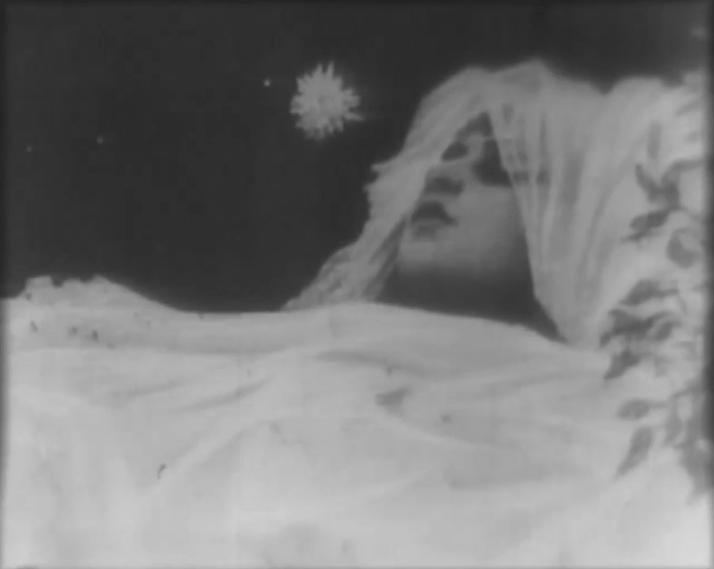
A definitive 5.7/10 rating for a film that redefined the boundaries of cult cinema. Pohorony Very Kholodnoi remains a cornerstone of transgressive art.
The opening tableau of Pohorony Very Kholodnoi is a study in restraint, where the camera adopts a detached, almost anthropological gaze. The winter sky, a bruised slate, looms over a procession that moves like a slow‑moving tide, each footfall recorded with a deliberate steadiness that feels less like reportage and more like a ritualistic chant. The film’s silence is not an absence but a canvas, allowing the viewer to hear the muffled sobs of the crowd, the creak of wooden sleds, and the distant toll of church bells. In this way, the director—though uncredited—creates a soundscape out of visual texture, a technique reminiscent of the atmospheric austerity found in War Spruce, where the environment itself becomes a character.
The mise‑en‑scene is meticulously composed; the contrast between the stark white shroud and the deep sable of the mourners’ coats is amplified by the film’s high‑contrast stock, producing a chiaroscuro that feels both painterly and documentary. The framing often isolates Vera’s still form against a backdrop of swirling snow, a visual metaphor for her ethereal presence in the cultural imagination. This deliberate isolation recalls the poignant close‑ups in The Broken Melody, where the camera lingers on a single face to convey an entire emotional universe. Here, however, the stillness is compounded by the absence of dialogue, forcing the audience to confront the weight of loss without the crutch of narrative exposition.
Narratively, the reel eschews conventional plot progression, opting instead for a montage of rites: the transport of the coffin, the procession through snow‑capped avenues, the final interment beneath a modest stone. Each segment is stitched together with a rhythm that mirrors the cadence of a funeral march, the pacing deliberately measured to evoke a meditative state. The director’s choice to linger on the faces of ordinary citizens—women clutching handkerchiefs, children with eyes wide as if witnessing a tableau of myth—imbues the piece with a democratic grief, a collective catharsis that transcends class and status. This approach aligns with the social realism evident in Pillars of Society, where the focus shifts from individual drama to communal experience.
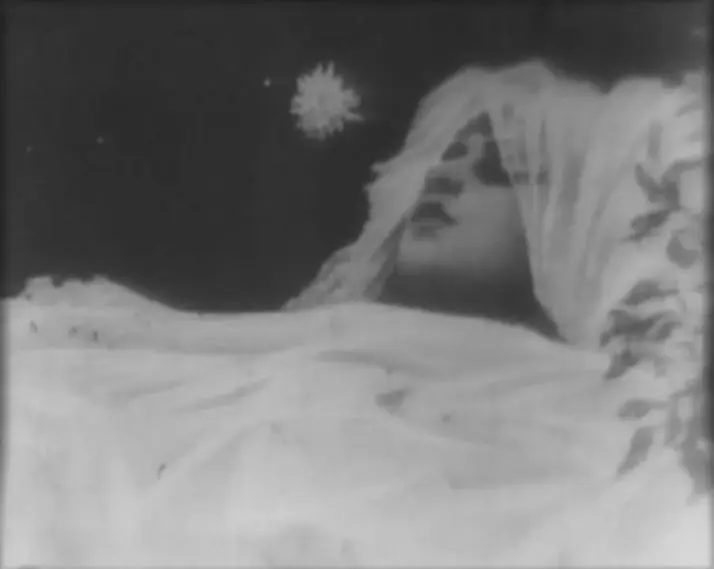
Technically, the film’s static camera work is punctuated by occasional dolly movements that follow the coffin’s slow advance, a subtle dynamism that prevents the visual field from becoming stagnant. The cinematographer employs a shallow depth of field during close‑ups, allowing the background to dissolve into a soft bokeh of snowflakes, thereby foregrounding the raw emotion etched on the mourners’ faces. The interplay of light and shadow is further accentuated by the occasional flare of lantern light, casting amber halos that briefly illuminate the scene before being swallowed again by darkness. This interplay of illumination recalls the visual poetry of J'accuse!, where light is wielded as a narrative device rather than mere aesthetic garnish.
Thematically, Pohorony Very Kholodnoi operates on multiple registers. On the surface, it documents a historic event; beneath that, it becomes a meditation on the ephemerality of fame and the permanence of myth. Vera Kholodnaya, often hailed as the “queen of the silent screen,” is presented here not as a star but as a relic, a symbol whose physical absence paradoxically amplifies her spectral presence. The film thus invites contemplation on the nature of celebrity in the early twentieth century—a time when the medium of film itself was still forging its identity. This meta‑commentary finds resonance in The Pied Piper of Hamelin, where the narrative questions the power of performance and its lingering impact on collective memory.
From an archival perspective, the reel serves as a vital historical document, preserving not only the visage of a beloved actress but also the sociopolitical climate of post‑revolutionary Russia. The subdued palette, the austere costumes, and the palpable tension in the crowd all hint at a nation grappling with loss—both personal and ideological. The film’s restraint mirrors the broader cultural shift towards introspection that characterized the era, a sentiment echoed in Facing Death on the Blumlisalp, where the landscape itself becomes a repository of collective trauma.
In sum, Pohorony Very Kholodnoi transcends its documentary veneer to become a lyrical elegy, a work that balances historical fidelity with poetic resonance. Its monochrome aesthetic, punctuated by fleeting bursts of amber and sea‑blue lantern light, creates a visual symphony that lingers long after the final frame fades to black. For scholars of early cinema, the film offers a rare glimpse into the rituals of mourning that surrounded one of Russia’s first screen icons, while for contemporary viewers it provides an evocative meditation on mortality, memory, and the enduring power of the moving image. The reel’s quiet potency ensures that Vera Kholodnaya’s legacy, though frozen in a single frame, continues to pulse with the same haunting rhythm that once captivated a nation.
IMDb —
1932
Community
Log in to comment.