DbcultAccessing Vault...
Cult Review
Senior Film Conservator
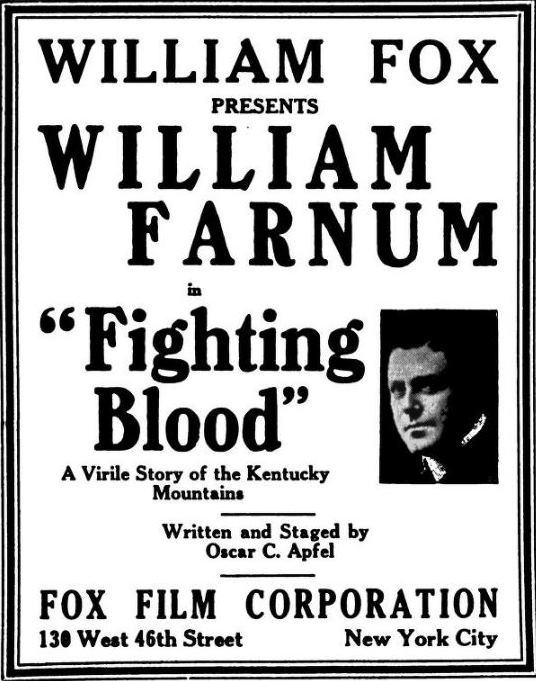
In the annals of early cinematic storytelling, few narratives capture the raw, visceral essence of human struggle and spiritual transformation quite like Oscar Apfel's 1916 melodrama, "Fighting Blood". This silent era gem, featuring the compelling presence of William Farnum, Dorothy Bernard, and Willard Louis, transcends its temporal confines to deliver a powerful meditation on betrayal, false accusation, and the arduous path to redemption. It’s a compelling tapestry woven with threads of innocence lost, faith found, and the relentless pursuit of justice, all set against a backdrop that shifts from the rugged authenticity of a lumber camp to the lawless sprawl of a frontier town.
At its heart, "Fighting Blood" introduces us to Lem Hardy, portrayed with earnest conviction by William Farnum. Lem is a man of simple virtues, rooted deeply in the soil of his rural existence, sharing a tender bond with his aging mother. His journey begins as a familiar one: seeking honest work, he ventures to Henry Colby's bustling lumber camp. Here, amidst the scent of pine and the clang of axes, he encounters Evie Colby, the lumber baron's daughter, brought to life by the nuanced performance of Dorothy Bernard. Their connection is immediate and pure, blossoming amidst the rustic landscape, a poignant symbol of nascent love untainted by the world's harsh realities.
However, this pastoral idyll is but a fleeting moment, destined to be shattered by the insidious machinations of Harry Blake, the camp's superintendent, played with chilling effectiveness by Willard Louis. Blake is a character carved from the darkest impulses of human nature – covetous, manipulative, and utterly devoid of moral compass. His desire for Evie fuels a malevolent plot that irrevocably alters the course of Lem's life. In a move that epitomizes villainy, Blake orchestrates the theft of the company payroll, artfully framing Lem for the crime. The ensuing conviction and imprisonment of Lem Hardy form the agonizing crucible through which the film's central themes begin to coalesce. The sense of profound injustice, a cornerstone of many early melodramas, is palpable here, drawing the audience into Lem’s undeserved suffering.
The tragedy deepens with Evie's reaction. Blinded by circumstantial evidence and perhaps swayed by Blake's cunning charm, she accepts Lem's guilt. This acceptance, a heartbreaking testament to the power of deception, leads her to marry Blake, a union built on a foundation of lies and a stark contrast to the genuine affection she once shared with Lem. This narrative beat, where the innocent protagonist is falsely accused and his beloved is ensnared by the villain, is a recurring motif in silent cinema, explored with varying degrees of success in films like The Twin Triangle or Hands Down, but "Fighting Blood" imbues it with a particular pathos, largely due to the understated performances.
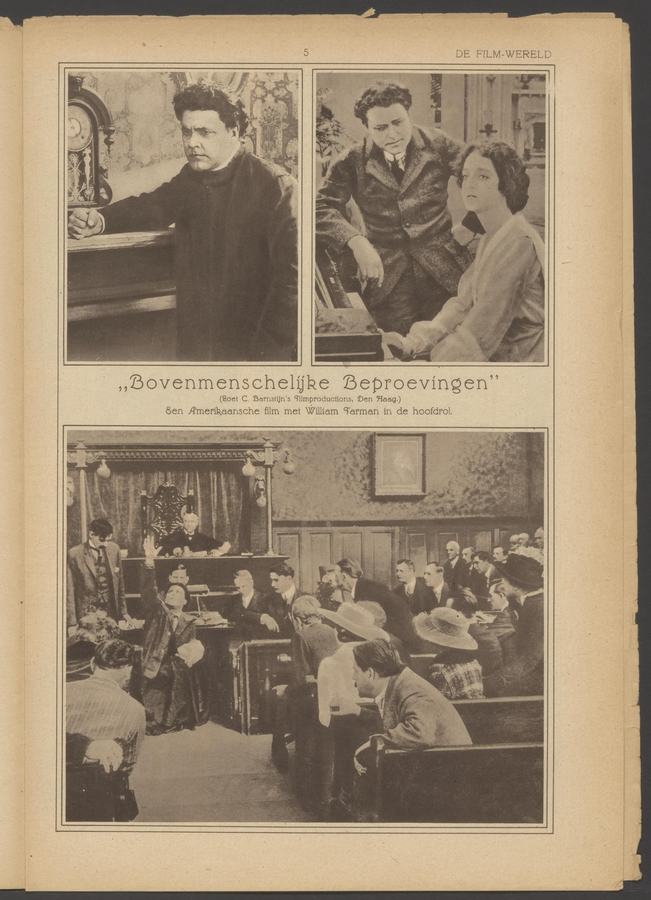
Blake's villainy, however, knows no bounds. His ambition extends beyond mere romantic conquest; he systematically dismantles Henry Colby's financial stability, coercing him into ruinous stock speculation. This predatory exploitation culminates in Colby’s tragic demise, leaving Evie even more isolated and vulnerable, bound to a man whose true nature slowly, agonizingly, begins to reveal itself. The film masterfully portrays the insidious creep of Blake’s influence, demonstrating how greed and malevolence can decimate not just individuals, but entire family structures and reputations. This thread of financial ruin, a stark warning against unchecked ambition, resonates with the anxieties of the era, much like the economic themes explored in films such as The Fear of Poverty.
Following Colby's death, Blake and Evie abscond to the frontier town of Red Dog, a place synonymous with lawlessness and opportunity for the morally bankrupt. Here, Blake establishes a faro game, a den of vice that perfectly mirrors his own corrupted soul. This relocation shifts the film's aesthetic, moving from the natural beauty of the lumber camp to the gritty, unforgiving landscape of the frontier, a common trope in early American cinema that often symbolized both escape and a new form of confinement.
While Blake revels in his ill-gotten gains and Evie endures a life of quiet despair, Lem's journey takes a profoundly different turn within the bleak confines of the penitentiary. It is here that he encounters Father Rochelle, the prison chaplain, a figure of spiritual solace and guidance. Through Father Rochelle's compassionate counsel, Lem undergoes a profound spiritual metamorphosis. The injustice he suffered, rather than hardening his heart, becomes the catalyst for a deep religious awakening. He emerges from prison not as a man consumed by vengeance, but as a fervent evangelist, dedicated to a higher calling. This transformation from victim to spiritual leader is a powerful narrative arc, echoing themes of moral rebirth seen in films like The Dawn of a Tomorrow, where faith often provides a pathway out of despair.
William Farnum’s portrayal of Lem’s spiritual journey is particularly noteworthy. Without a single spoken word, he conveys the internal struggle, the quiet contemplation, and the eventual radiant peace that defines Lem's new purpose. His eyes, often downcast in sorrow, now gleam with conviction, a testament to the power of silent acting to communicate profound emotional shifts. This commitment to portraying an inner life, rather than just external action, elevates "Fighting Blood" beyond mere melodrama.
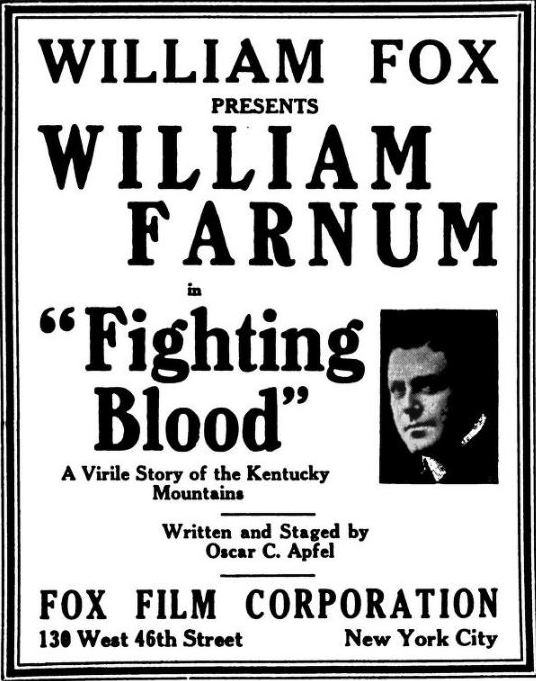
As fate would have it, Lem's itinerant ministry leads him to Red Dog, the very town where Blake has established his domain of sin. The inevitable confrontation between good and evil, between the redeemed and the unrepentant, is meticulously set up. The reunion of Lem and Evie, though fraught with unspoken history and lingering pain, is handled with a delicate touch, emphasizing the profound changes both have undergone. Evie, weary of Blake's true nature and the oppressive atmosphere of his world, sees in Lem not just a shadow of her past, but a beacon of hope.
The climax of the film unfolds with a dramatic inevitability. Blake, trapped by his own vices and the violent world he has created, meets his end in a brutal gambling brawl. This act of frontier justice, while perhaps simplistic by modern standards, serves as a cathartic release for the audience and a necessary purging of the narrative's central evil. It allows for the final, poignant reunion of Lem and Evie, a resolution that speaks less to triumphant revenge and more to the enduring power of forgiveness and the possibility of a renewed future. Their reunion is not one of passionate embrace, but rather a quiet understanding, a recognition of shared suffering and a mutual hope for solace.
Oscar Apfel's direction in "Fighting Blood" is a masterclass in silent film storytelling. He utilizes visual cues, strong character blocking, and evocative intertitles to convey complex emotions and propel the narrative forward. The film benefits immensely from its cast. William Farnum, a prominent star of the era, brings a stoic dignity to Lem, allowing his internal struggles to register powerfully without recourse to dialogue. Dorothy Bernard's Evie is a figure of tragic grace, her gradual disillusionment with Blake and her enduring, if buried, affection for Lem beautifully rendered. Willard Louis, as the antagonist Harry Blake, is deliciously despicable, embodying the kind of unambiguous villainy that made silent melodramas so compelling. The supporting cast, including Al Cooke, Richard L'Estrange, and Henry A. Barrows, contribute to the film's rich texture, populating its world with believable, if sometimes archetypal, figures.
The thematic richness of "Fighting Blood" is undeniable. It explores the fragility of justice, the corrupting influence of unchecked ambition, and the transformative power of faith and forgiveness. The narrative arc, moving from pastoral innocence to urban decay and finally to spiritual rebirth, mirrors a common moral journey found in many early 20th-century narratives. It suggests that even in the face of profound adversity and injustice, the human spirit can find solace and purpose, often through a redemptive spiritual path. This message, while deeply rooted in the moralistic sensibilities of the time, still resonates with contemporary audiences grappling with questions of ethics and personal growth.
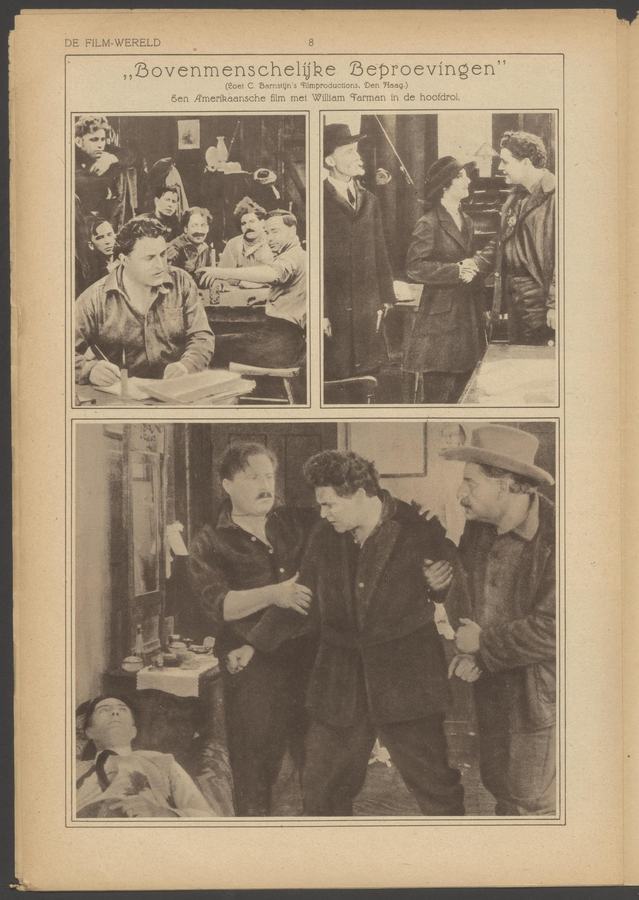
When viewed alongside its contemporaries, "Fighting Blood" stands out for its blend of dramatic tension and spiritual depth. While films like The Country Boy or Tom Sawyer might have explored similar rural settings, they often lacked the intense moral gravitas found in Apfel's work. The sense of a protagonist battling overwhelming odds, often against a backdrop of societal indifference or active malice, connects it to the European serials of the time, such as Homunculus, 1. Teil, which also delved into complex moral quandaries and extended narratives of fate. The film's exploration of fate and misfortune, particularly Lem's undeserved suffering, might also draw comparisons to narratives like Das schwarze Los (The Black Lot), where destiny often plays a cruel hand.
The character of Harry Blake, the manipulative superintendent, is a classic silent film villain, a type seen in countless melodramas where clear-cut good and evil provided moral anchors for audiences. His downfall, a violent end in a gambling brawl, is a common resolution for such characters, ensuring that justice, even if delivered by unconventional means, ultimately prevails. This stark moral clarity was a hallmark of the era, providing comfort and clear lessons for viewers.
Today, "Fighting Blood" serves as more than just a historical artifact; it is a vibrant testament to the narrative power of early cinema. Its ability to evoke profound emotion, articulate complex moral dilemmas, and portray character transformation without the aid of spoken dialogue is truly remarkable. The film reminds us of the universal themes that have captivated audiences for generations: the struggle against injustice, the search for meaning in suffering, and the enduring hope for redemption and reunion. It's a story that, despite its century-old vintage, retains a striking emotional immediacy, proving that the most compelling tales are those that touch upon the fundamental human experience.
Oscar Apfel and his talented cast, led by William Farnum, crafted a compelling drama that resonates with powerful themes of betrayal, spiritual awakening, and the ultimate triumph of good over evil. For cinephiles and casual viewers alike, "Fighting Blood" offers a fascinating glimpse into the rich storytelling traditions of the silent era, a period when visual narrative was king and the nuances of human emotion were conveyed through gesture, expression, and the sheer artistry of the performers. It’s a film that demands to be seen, not just for its historical significance, but for its timeless narrative and its enduring message of hope amidst adversity. The journey of Lem Hardy is a testament to the resilience of the human spirit, a battle fought not just with fists, but with faith and an unwavering belief in a brighter tomorrow. It's a cinematic experience that continues to pulse with its titular "fighting blood."
IMDb 4.8
1934
Community
Log in to comment.