DbcultAccessing Vault...
Cult Review
Senior Film Conservator
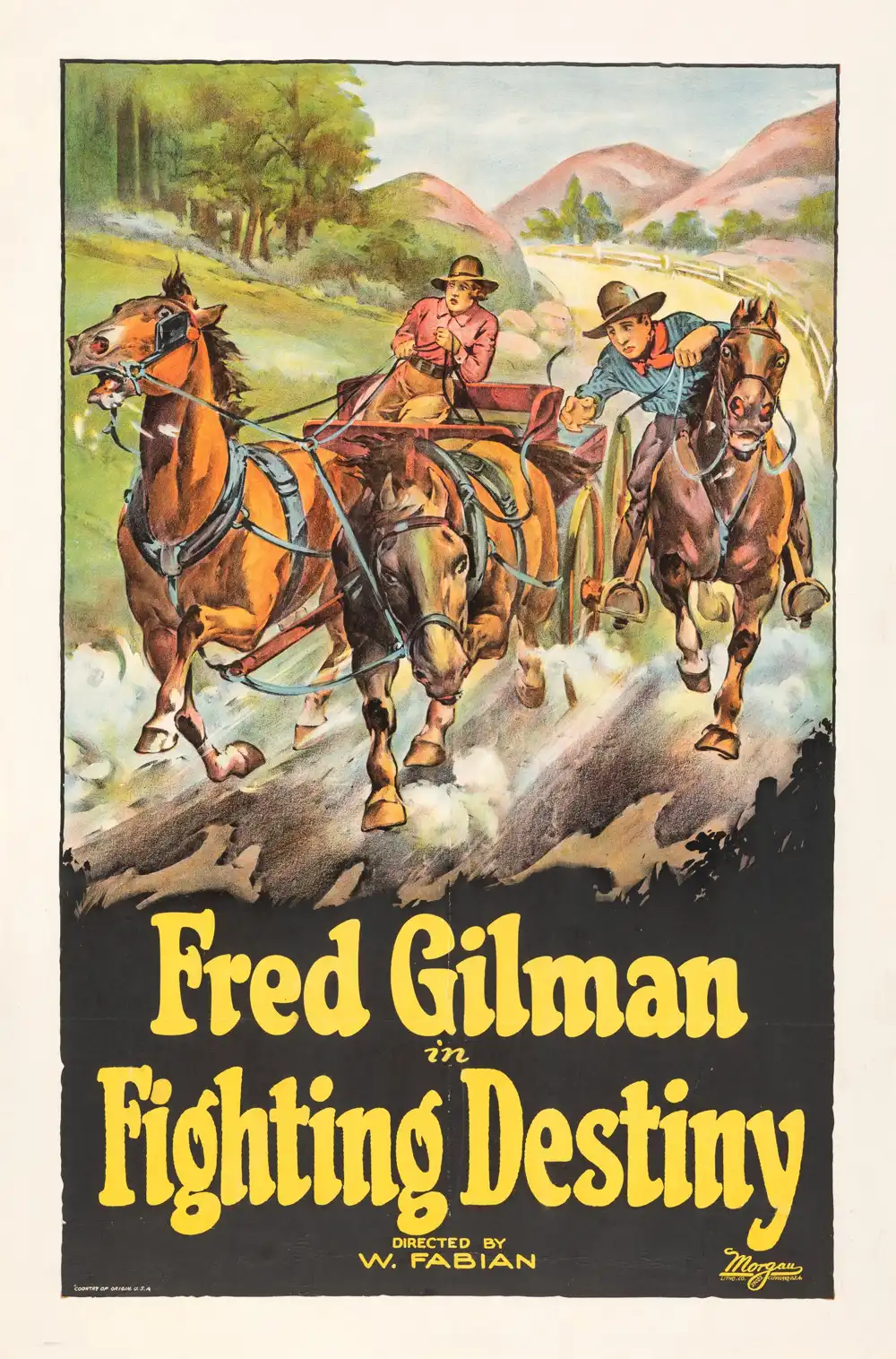
Alright, so you’re looking for something to watch tonight? If you’ve got a soft spot for really old movies, the kind before sound, then Fighting Destiny (1928) might just hit right. It’s certainly not for everyone – if you need fast cuts and snappy dialogue, you’ll probably find this one a real snooze fest. But for those curious about how stories used to be told, or just a quiet evening with some grand gestures, it’s worth a look. Folks who like their narratives laid out plainly, with heroes and villains you can spot a mile off, will likely find something to appreciate here. But if you're expecting anything nuanced or subtle, just skip it.
The story, well, it’s pretty straightforward silent film fare. Fred Gilman plays our guy, a fellow with a good heart who just can’t seem to catch a break. He's up against some kind of big, bad landowner, maybe a rival for a girl, or perhaps just plain ol' bad luck. The film sets him on this path where everything, and I mean everything, seems to be going against him. It's a classic setup.
Gilman himself, he's got that earnest, almost too-sincere look that was pretty common back then. You can practically see the gears turning in his head when he’s trying to figure things out. There’s this one scene, he’s in a dusty old saloon, and he slams his fist down on a table – hard. It’s supposed to show his frustration, but the way he does it, his whole body tenses up, it feels like he’s about to cry, not fight. It’s a powerful moment, actually, if a bit melodramatic. Like, he’s *really* feeling it. 😥
The film moves at a pace that’s, shall we say, deliberate. You get a lot of lingering shots on faces, making sure you understand the emotion. Sometimes the intertitles feel a bit slow to appear, like the projectionist forgot for a second. But when they do pop up, they’re usually pretty direct, no fancy words.
There's a sequence where Gilman’s character is trying to save his small farm, or whatever it is, from foreclosure. He’s out there, hoeing away, and the sun is beating down. You can almost feel the heat, even in black and white. The camera kinda stays with him for a while, just watching him work, and it really drives home the sheer effort. You can tell this fella *earned* his dirt.
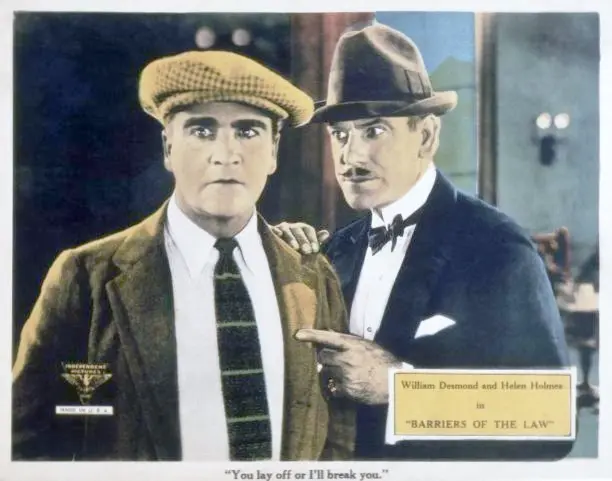
And the bad guy in this? Oh boy. He’s got this ridiculously twirly mustache and he just sneers all the time. Every time he’s on screen, you know what he’s about. There’s a scene where he’s trying to corner Gilman’s love interest, and his eyebrows are practically doing a dance routine. It’s so over-the-top, but it fits. It’s a simple movie, and it plays by simple rules.
One little thing I noticed: in one of the outdoor scenes, there’s a horse that just keeps looking directly into the camera. Like it knows it’s being filmed. It’s completely unintentional, I’m sure, but it gave me a little chuckle. Just a small, unexpected moment that breaks the tension a bit. 🐴
The editing can be a little jarring sometimes. You'll be in the middle of a serious scene, and then suddenly you're somewhere else entirely, with no real visual cue. It takes a second to adjust your brain to the new setting. It's a reminder of how filmmaking was still figuring things out.
Overall, Fighting Destiny isn’t going to change your life, but it’s a pretty decent example of silent-era storytelling. It has its charms, especially if you appreciate the physicality of acting without dialogue. Gilman puts in the work, even if the 'destiny' he's fighting feels a bit like a cartoon villain sometimes. It’s just an honest film, for what it is. No more, no less.
IMDb —
1924
Community
Log in to comment.