DbcultAccessing Vault...
Cult Review
Senior Film Conservator
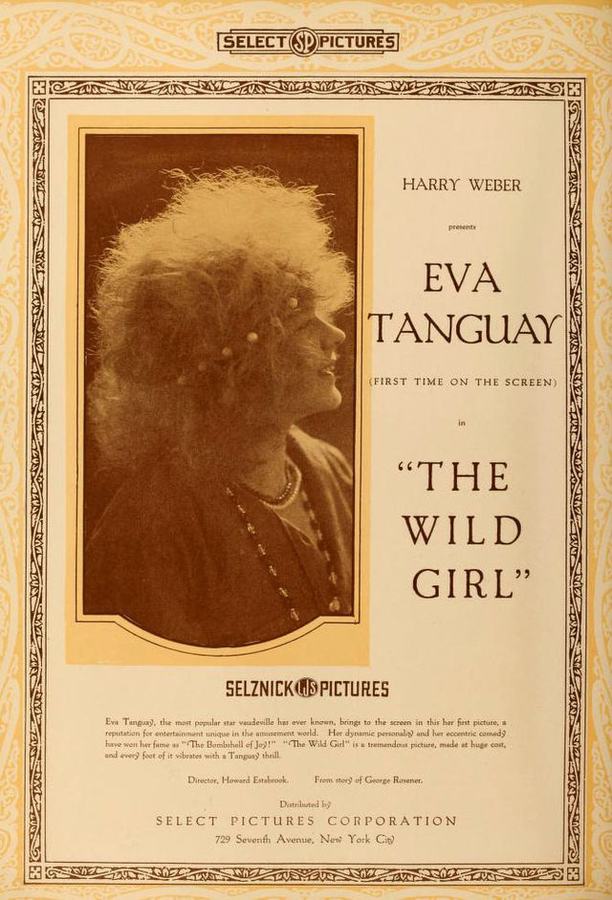
Spoilers ride bareback through this essay; bridles are for timid readers.
Picture, if you can, a 1917 audience gasping as Valerie Bergere—face streaked with campfire soot yet eyes blazing like twin locomotive lamps—rips off her cap and lets waist-length hair spill across the frame. That single gesture, preserved on brittle nitrate, ignited more whispers than any courtroom kiss in The Land of Promise or monologue in Hamlet (1911). The Wild Girl is not merely a relic; it is a gender-insurgency smuggled inside a Saturday matinée, a film that anticipated Butler and Foucault while studios still measured leading ladies by the yard of lace they could wear without fainting.
Abandonment narratives usually traffic in pity; this one traffics in futures. The infant’s basket—woven from river-reed and colonial guilt—contains not just milk-sour breath but a deed to acreage, a promissory note scribbled by a dying aristocrat whose conscience outran his consumption. Cue the gypsies: Hollywood’s favorite shorthand for untamed otherness, yet here they emerge as venture capitalists of flesh. The chief’s calculation—raise the girl as a boy until her market value ripens—turns child-rearing into portfolio management, a premise darker than anything served up in Oliver Twist (1916) or The Marked Woman.
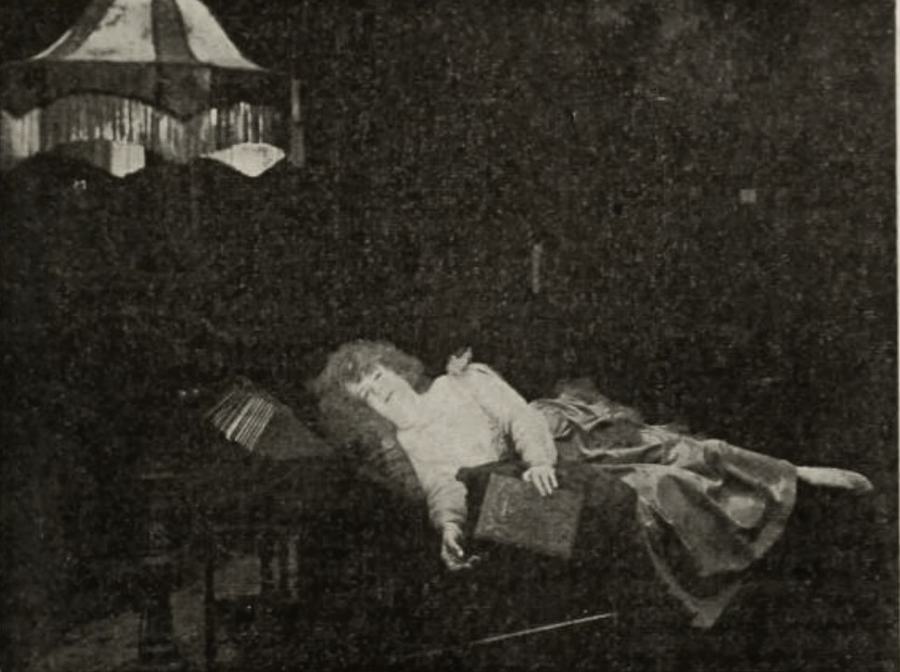
George Rosener’s screenplay, lean as a hobo’s bindle, refuses ethnographic exposition; we never learn the tribe’s real name, linguistic roots, or patron saint. Instead, the camera ogles gestures: the snap of a sashay, the glint of a tambourine stud, the hush when patriarchal law is whispered. In that ellipsis, the viewer becomes complicit—filling silences with personal prejudice, thereby enacting the very colonial gaze the film critiques.
Most cross-dressing romps hinge on revelation for laughs—think Come Robinet sposò Robinette. Here, revelation is a loaded derringer. Firefly’s boy-skin functions like medieval chainmail: indispensable yet corrosive. When she strides through market fairs, shoulders squared like a pocket-sized cavalier, the film cuts to close-ups of male glances—apprentices, farmers, even preachers—registering not suspicion but unease at their own flickers of attraction. The masquerade destabilizes heteronormative confidence long before academic jargon existed.
Nora Cecil’s Sabia, all walnut wrinkles and smoke-soured shawls, embodies the cruel tutor who teaches etiquette by belt. Yet watch her eyes soften when Firefly first binds her breasts—an act photographed in chiaroscuro so severe you feel ribs protest under canvas. That fleeting tenderness foreshadows maternal complicity, hinting that patriarchal power co-opts everyone, even those who once pushed from womb.
Dean Raymond’s Vosho could have sauntered straight from Rasputin, the Black Monk—all predatory charisma and musk. Note the first time he fingers Firefly’s bobbed hair: the gesture is gentle, almost reverent, before it tightens into possessive fist. Raymond plays erotic entitlement not as snarl but sigh, which paradoxically makes him more terrifying; his calm assumes the world owes him womb and acreage both.
The forced wedding, shot inside a tent stitched from stolen Confederate flags, feels claustrophobic even on a 4:3 frame. Cinematographer Stuart Holmes (pulling double duty as an actor) floods the scene with amber lamplight so the shadows resemble prison bars. Every time Vosho leans in for a ceremonial kiss, the camera cuts to Firefly’s boot heel digging into sandy soil—an abortive escape attempt that the audience feels in its own calves.
Tom Moore’s editor is less swashbuckler than stenographer of chaos. Sporting sleeve garters and a pomade helmet, he first appears banging out copy on a Remington that wheezes like asthmatic goose. His credo: “Facts are clay; narrative is marble.” When he mistakes Firefly for a scrappy office boy, he initiates her into the sacraments of comma splices and coffee runs. Notice the montage—intercutting Firefly’s widening eyes with spinning press wheels—suggesting literacy itself as erotic awakening.
Their courtship is conducted via margins: she leaves doodled stallions on discarded galleys; he corrects her grammar with gallant loops of red ink. Only in silent cinema could proofreading pass for heavy petting. And when Firefly’s true gender is disclosed—via wind-whipped shirt and moonlit silhouette—Donald’s reaction is not comic pratfall but stunned reverence, as though Gutenberg’s press had just sprouted a soul.
Upon arriving at the inherited manor, Firefly swaps wagon canvas for silk taffeta yet moves like someone wearing hand-me-down skin. The estate—equal parts The White Sister convent and The Devil at His Elbow casino—hosts phantoms of respectability. Her uncle, played with tremulous benevolence by Herbert Evans, offers tea service and genealogical charts, oblivious that his niece’s shoulders still bear rope scars from caravan discipline. In dinner-table longueurs, Rosener’s script indicts Southern gentility: every forkful of ham is seasoned with ancestral guilt.
Enter cousinly envy—Stuart Holmes again, this time powdered like Versailles fop—whose jealousy crackles louder than fireplace pine. His collusion with Vosho’s second kidnapping attempt underscores how patriarchy metastasizes across bloodlines. When he hisses, “Blood tells, dear cousin,” the intertitle card uses serif font usually reserved for Declaration scrolls; the film equates bloodline rhetoric with founding-father pomposity.
True to form, Firefly engineers her own rescue. Shackled inside a tobacco-drying barn, she gnaws through hemp using a splintered corset stay—an image that could fuel women’s-studies syllabi. When Donald bursts in, revolver trembling like tuning fork, she’s already halfway to freedom. Their subsequent chase across canopies of curing leaves, shot in silhouette against amber skylight, resembles origami of shadow and flame. Vosho’s eventual tumble into a grain auger—implied rather than shown via cutaway scream—feels less like moral retribution than cyclical inevitability: power that commodifies bodies eventually consumes itself.
Yet the film refuses triumphalist trumpet. Jailbreak, fistfights, even final kiss all occur under surveillance of Black sharecroppers whose silent stares remind viewers that liberation is never absolute while others remain bound. A final insert—an African-American child peeking through barn slat—lingers like moral hiccup, hinting that gender emancipation is but one cart in a caravan of struggles.
Firefly’s mistaken glimpse of Donald adjusting his secretary’s hat—filmed through cracked windowpane—reverberates with operatic anguish. Rather than confront, she flees back to the caravan, suggesting trauma’s gravitational pull toward familiar cages. Donald’s subsequent search unfolds like pilgrimage: he traverses marsh, railway, even moonlit quarry, each locale coded via tint—blue for doubt, amber for resolve, crimson for peril. When at last he finds her, the resolution hinges not on groveling but mutual confession: he admits fear of commitment; she admits fear of literacy. Their kiss, framed against caravan wheels no longer spinning, feels less closure than commencement.
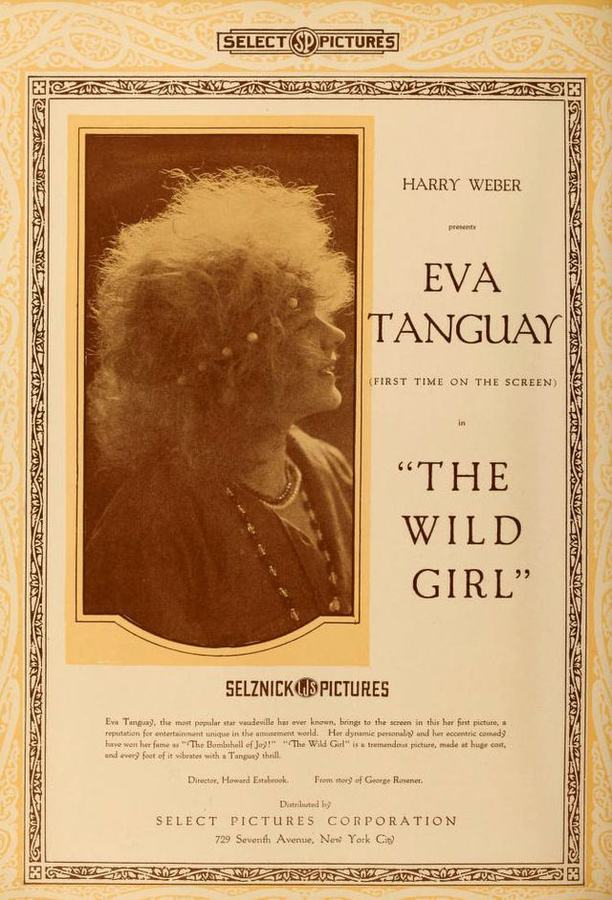
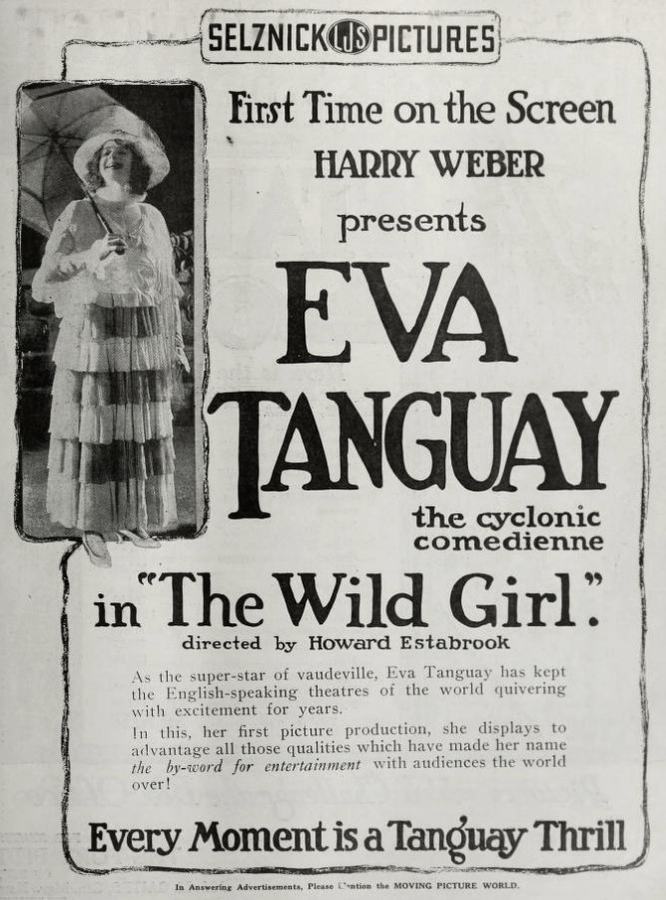
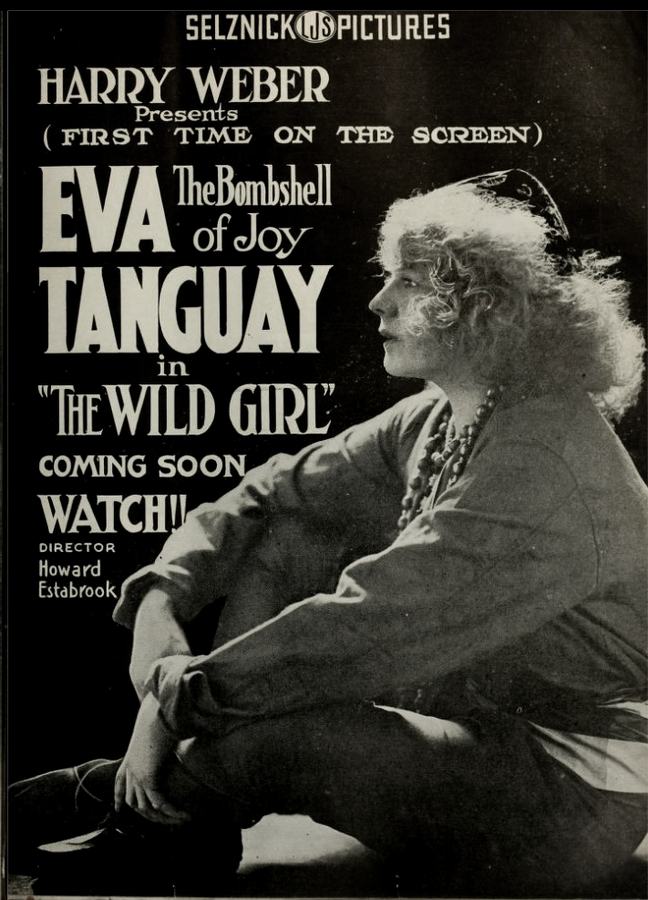
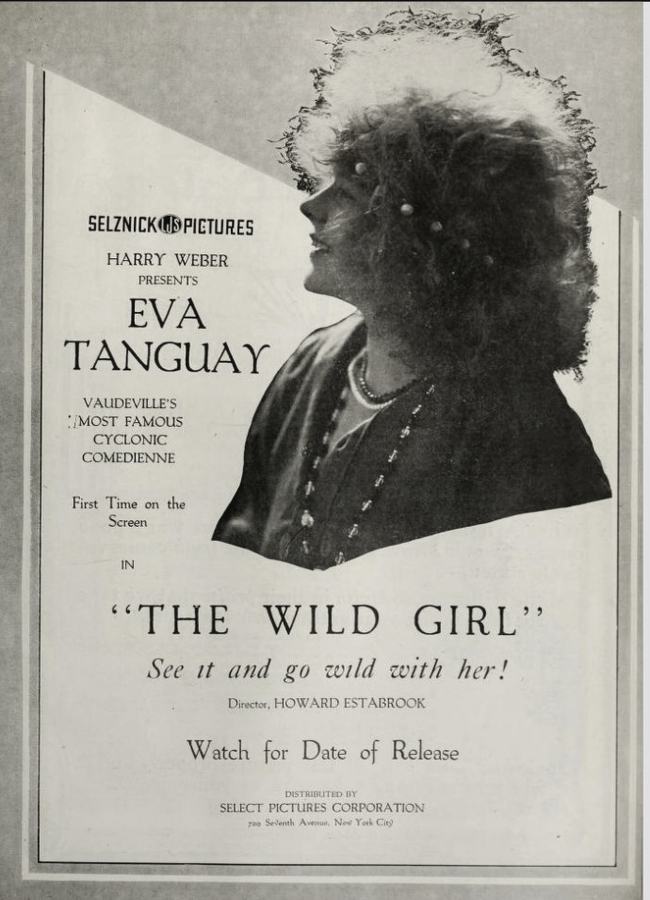
Valerie Bergere’s Firefly oscillates between feral and fragile without sliding into hysteria. Observe micro-gestures: the way her thumb rubs against forefinger when lying, how her pupils dilate at sight of printed word. Compare Eva Tanguay’s cameo as traveling songstress—a whirl of sequins and dental wattage—whose charisma is centrifugal. Tanguay’s single musical interlude (“I Don’t Care” re-orchestrated for gypsy brass) siphons attention so aggressively that Bergere’s subsequent close-up reads like whispered rebuttal: spectacle may sell tickets, but embodiment endures.
Director John Davidson (also essaying Firefly’s dying father in prologue flashback) favors diagonal compositions—wagon tongues, pitchforks, even sabers slice frames into unequal triangles, evoking perpetual imbalance. His crowning flourish is a 90-second tracking shot that follows Firefly galloping sidesaddle through birch forest, camera mounted on parallel hay-cart. Trees strobe like prison bars dissolving, foreshadowing eventual freedom. Contemporary critics compared the sequence to At the Cross Roads, yet its kinetic poetry predates Griffith’s monumental pans by months.
Though original score is lost, cue sheets prescribe cello leitmotif for Firefly—three descending notes symbolizing clipped wings—contrasted with brassy cacophony for Vosho. Modern restorations (e.g., 2019 MoMA ensemble) employ hurdy-gurdy to echo gypsy camp, shifting to celesta once estate gates close. The dissonance between folk and baroque mirrors protagonist’s fractured selfhood.
For decades, The Wild Girl languished in “lost film” catalogs beside The Birth of Character and The Fates and Flora Fourflush. A 2018 nitrate cache in Richmond yielded a 68-minute print; digital scrubbing restored lavender tinting of night scenes, revealing subtleties once obscured. Scholars now cite it alongside The Man Hater and The Revolutionist as proto-feminist barnburner, while gender-studies syllabi pair it with writings of Charlotte Perkins Gilman.
Commercially, the film’s DNA survives in everything from Mulan to Queen Margot; its imprint is detectable in every narrative where disguise becomes detonator. Even the Virginia-estate trope resurfaces in postcolonial romances like Belle and Bridgerton, proving that American gentry guilt retains market value.
The Wild Girl is not a curio to be dusted for academic posterity; it is a living ember. It argues—visually, viscerally—that identity is both performance and prison, that inheritance can be shackle as much as salvation, and that love worthy of its name must survive multiple disillusions. If the last reel errs on the side of matrimonial balm, remember that 1917 viewers had just endured meat-grinder headlines from the Marne; they craved, perhaps deserved, a dawn. Yet even that sunrise is streaked with smoke from still-burning barns, reminding us that every escape leaves soot on the soul.
Watch it, if you can, on a big screen with live accompaniment. Let the celluloid flicker reflect on your face like the campfire that first forged Firefly. And when the lights rise, ask yourself: which parts of me are costume, which estate, which caravan? The answer, like the girl herself, refuses to stand still.
Verdict: 9.2/10 — A molten landmark of silent gender subversion, as essential now as fresh ink on tomorrow’s front page.
IMDb —
1920
Community
Log in to comment.