DbcultAccessing Vault...
Cult Review
Senior Film Conservator
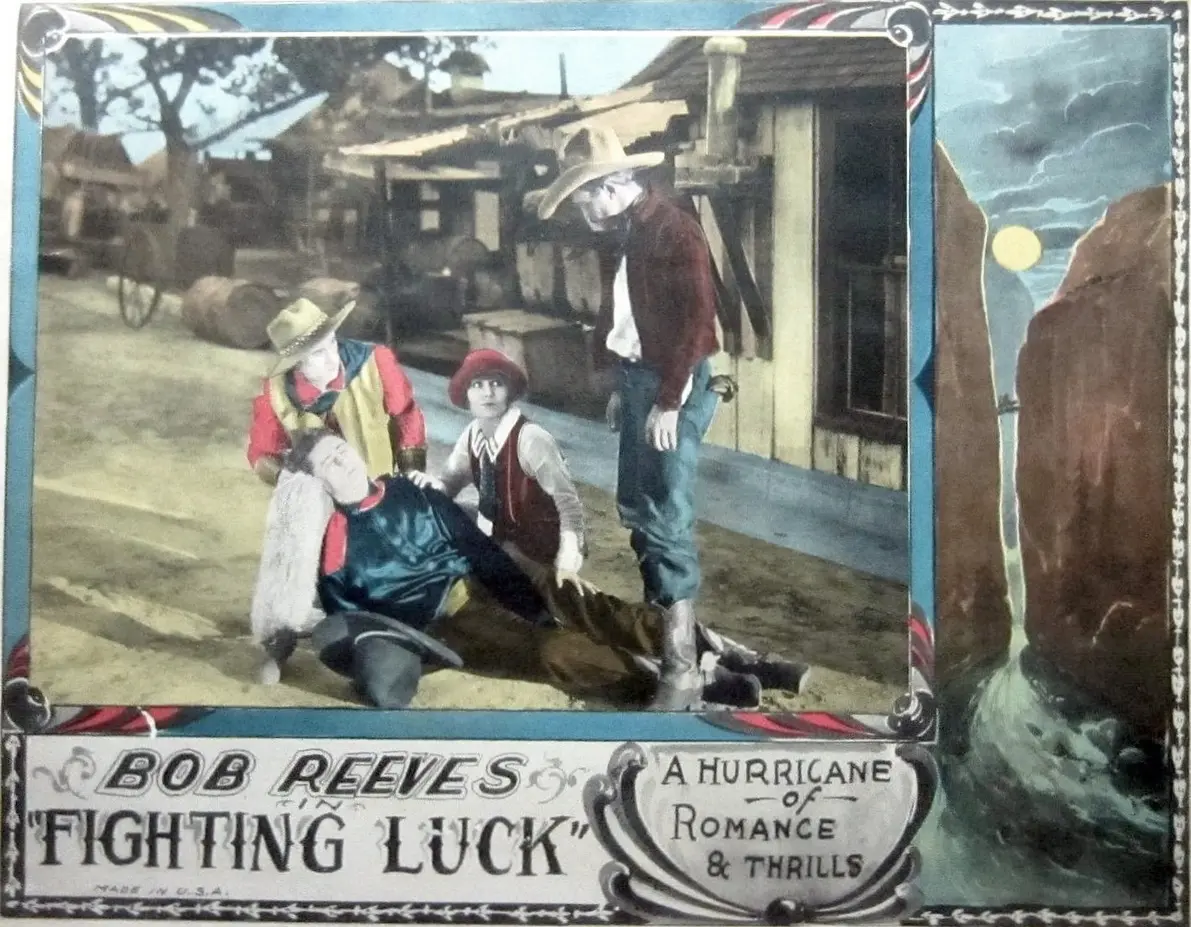
Is Fighting Luck worth watching today? Short answer: Only if you are a dedicated historian of the silent era. This film is specifically for those who want to see the DNA of the modern action movie in its most skeletal form; it is absolutely not for anyone who requires high-fidelity sound or a plot that doesn't follow a predictable 1920s formula.
1) This film works because: The practical stunt work and horse-riding sequences possess a raw, dangerous energy that modern CGI cannot replicate.
2) This film fails because: The narrative is a recycled 'framed-man' trope that was already feeling tired even in 1926.
3) You should watch it if: You are researching the career of J.P. McGowan or want to see the origins of the B-Western archetype.
Fighting Luck is a product of its time, produced during a period when Westerns were the bread and butter of the American cinema. Bob Reeves, the star, wasn't a man of a thousand faces. He was a man of action. Watching him navigate the terrain is a reminder that in the silent era, your body was your dialogue. Every punch thrown feels heavier because there is no foley artist adding a 'thwack' sound effect to sell the impact. You see the dust fly. You see the recoil.
The directing by J.P. McGowan is functional, bordering on clinical. McGowan was a veteran who knew how to stretch a dollar. In Fighting Luck, he uses the vastness of the outdoors to compensate for the lack of expensive sets. This creates a sense of scale that actually makes the film feel more 'premium' than other indoor dramas of the era, such as Any Woman. The camera placement is often static, but the movement within the frame is constant. It’s a kinetic experience that keeps the viewer from checking their watch too often.
Let’s be honest: Bob Reeves isn't going to win any posthumous acting awards. His performance is stiff. But it works. In a world where the hero needs to be a pillar of moral certainty, his lack of emotional range actually serves the character. He is an immovable object in the face of corruption. When he is framed for a crime, his reaction isn't a complex internal monologue; it's a physical preparation for conflict.
Compare his presence here to the more comedic or lighthearted performances found in films like The Early Bird. Reeves is playing it straight. There is a specific scene where he confronts the villain's henchmen in a dusty clearing. The way he squares his shoulders tells you everything you need to know about the next ten minutes of film. It’s simple. It’s effective. It’s brutally honest.
The cinematography in Fighting Luck is a masterclass in making do with what you have. The lighting is mostly natural, which gives the film a documentary-like grit. Unlike the stylized shadows of The Dancer of the Nile, Fighting Luck looks like it was filmed in the backyard of history. This lack of artifice is its greatest strength. You feel the heat of the sun and the grit of the sand.
However, the pacing is where the film shows its age. Silent films often suffer from 'intertitle bloat,' where the director feels the need to explain every minor plot point with a text card. While McGowan avoids the worst of this, there are still moments where the action grinds to a halt to explain a legal technicality about a land deed. It’s a momentum killer. In 1926, audiences might have needed the hand-holding, but to a modern viewer, it feels like a speed bump on a highway.
Fighting Luck is worth watching for viewers who appreciate the historical evolution of the Western genre.
If you are looking for a casual Friday night movie, this isn't it. However, if you are interested in how the 'framed hero' trope was established, this film provides a clear, unadulterated example. It lacks the polish of later John Ford films, but it has a sincerity that is hard to find in today's self-aware cinema. It’s a piece of history that still has a bit of kick in it.
Pros:
Cons:
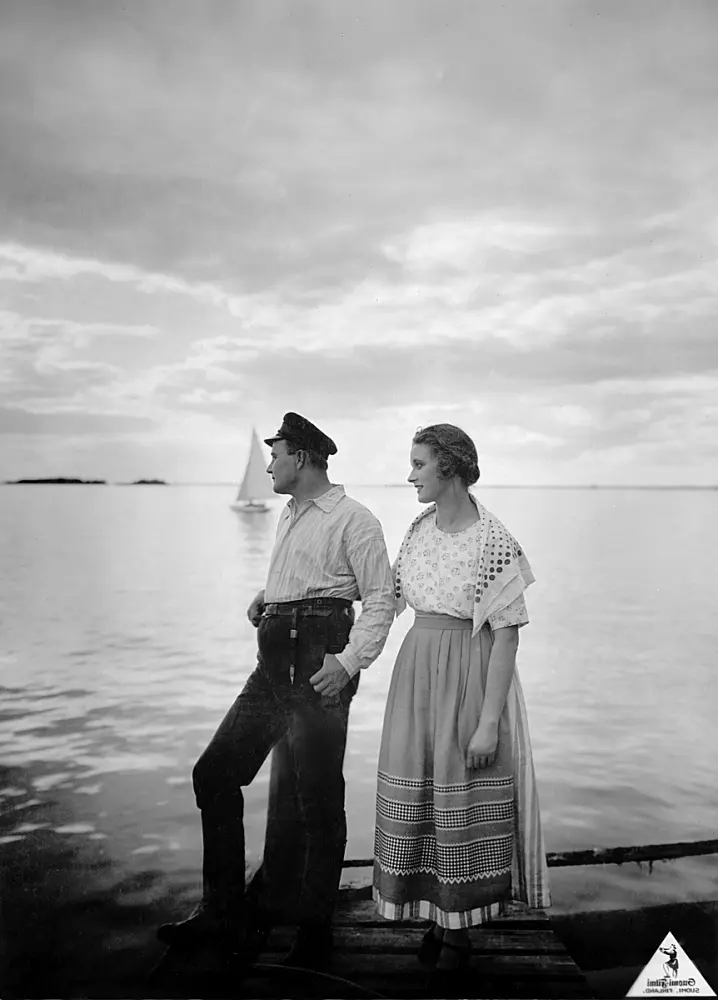
When you look at Fighting Luck alongside a film like Där fyren blinkar, the differences in regional filmmaking become clear. While European films of the time were experimenting with psychological depth and avant-garde lighting, American B-Westerns like Fighting Luck were focused on one thing: entertainment through action. It is the 'fast food' of 1920s cinema. It’s not nutritious, but it hits the spot if you know what you’re ordering.
Even when compared to other low-budget films like Corruption, Fighting Luck feels more grounded. It doesn't try to be a moralizing tale; it’s a survival tale. There is a refreshing lack of pretension here. It knows it is a B-movie, and it wears that badge with pride. It doesn't have the artistic aspirations of Bog pravdu vidit, da ne skoro skazhet, but it has more energy in its pinky finger than many of the 'prestige' silent dramas.
J.P. McGowan is one of the most prolific figures in early cinema, and Fighting Luck is a prime example of his 'factory' style of filmmaking. He wasn't trying to change the world; he was trying to fill theaters. This film is a testament to the blue-collar side of Hollywood. It’s about meeting a deadline and delivering a product that the audience will enjoy. In many ways, McGowan is the spiritual ancestor of the modern independent filmmaker, working with limited resources to create something functional.
"Fighting Luck isn't a masterpiece of art, but it is a masterpiece of economy. Every shot counts, and every movement serves the goal of reaching the end credits with the hero's honor intact."
Fighting Luck is a sturdy, if uninspired, relic of the silent Western era. It works. But it’s flawed. It serves as a fascinating window into a time when cinema was still figuring out how to tell action stories without the help of dialogue. Bob Reeves is a capable lead for this kind of material, and McGowan’s direction ensures that the film never feels like it’s dragging its feet. It is a 5/10 for the general public, but an 8/10 for those who find beauty in the dusty, unpolished corners of film history. Watch it for the stunts, stay for the history, but don't expect it to change your life.
IMDb 5.5
1924
Community
Log in to comment.