DbcultAccessing Vault...
6.6/10
Senior Film Conservator
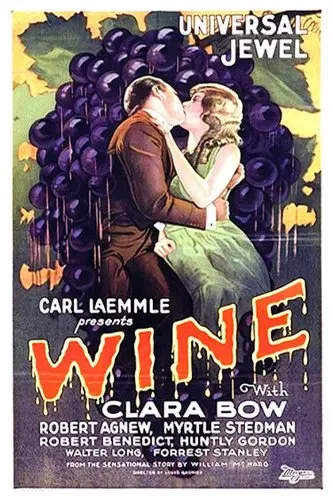
A definitive 6.6/10 rating for a film that redefined the boundaries of cult cinema. Wine remains a cornerstone of transgressive art.
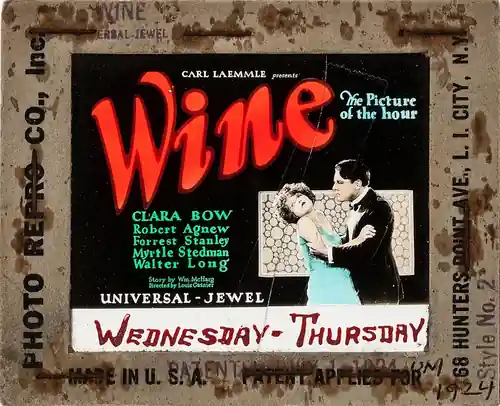
The cinematic landscape of the 1920s was replete with narratives that not only reflected the societal norms of the time but also challenged them, and Wine stands as a testament to this era's fascination with the human condition. Directed by a visionary mind and brought to life by a talented cast, including the inimitable Clara Bow, this film delves into the intricate web of relationships, moral dilemmas, and the unyielding pursuit of respectability.
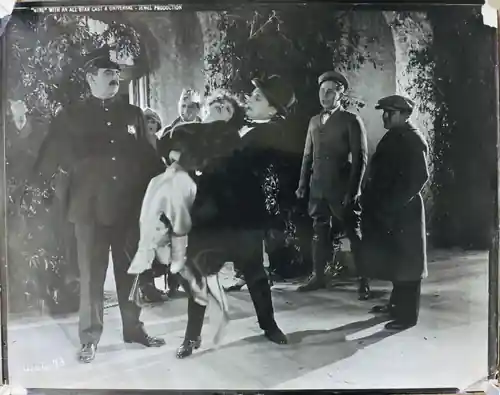
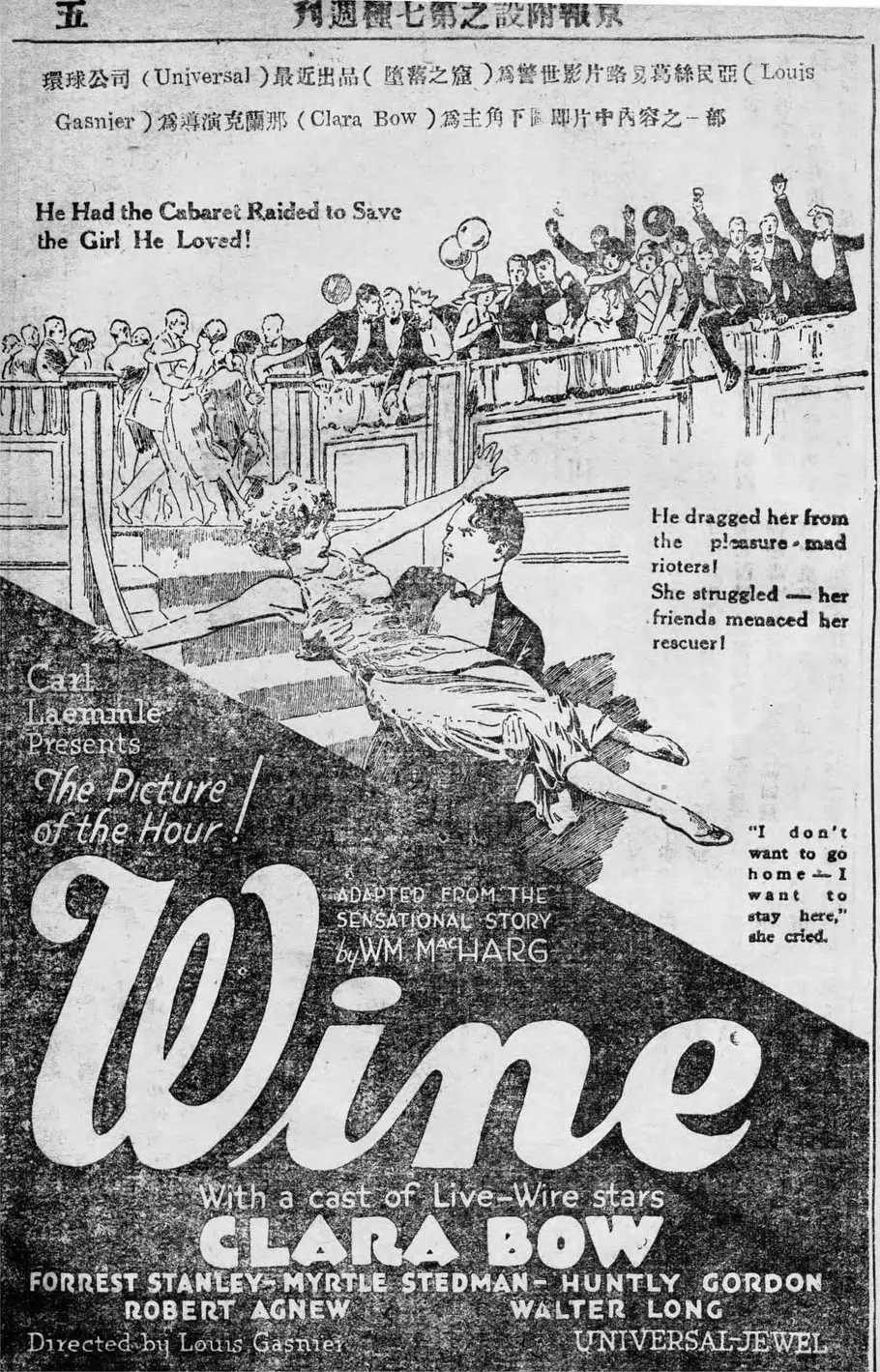
At the heart of Wine is the story of John Warriner, a man beset by financial woes, who, in a moment of desperation, accepts the proposition of the cunning bootlegger Benedict. This partnership, while lucrative, sets in motion a chain of events that threatens to upend the very foundations of Warriner's family, particularly his daughter Angela. Her involvement with the jazz set, a vibrant and rebellious group, leads to her arrest in a raid at Benedict's cafe, an establishment that serves as both a hub for illicit activities and a beacon of the era's liberated spirit.
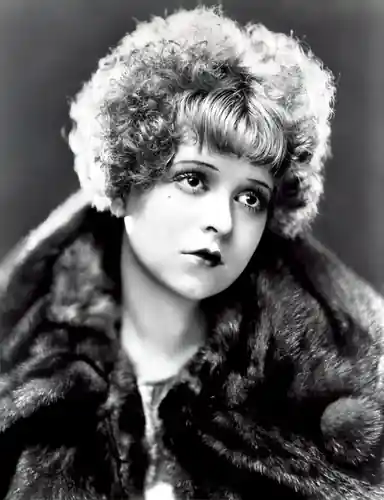
The character of Angela, portrayed with depth and nuance by Clara Bow, is a fascinating study of the modern woman of the 1920s. Her journey, marked by both frivolity and profound introspection, captures the essence of an era where women were beginning to assert their independence and challenge traditional norms. The film's portrayal of Angela's former sweetheart, Carl Graham, who emerges as her savior in her hour of need, adds a layer of complexity to the narrative, highlighting the societal pressures and personal sacrifices that often accompany the pursuit of love and respectability.
The backdrop of Prohibition-era America, with its speakeasies, bootleggers, and the omnipresent threat of law enforcement, provides a rich tapestry against which the characters' lives unfold. The film's exploration of this era, while not devoid of romanticism, offers a critical look at the moral ambiguities and the societal hypocrisy that characterized this period. The contrast between the vibrant, if illicit, world of jazz and alcohol and the more austere, respectable society is a recurring theme, one that Wine approaches with a mixture of empathy and critique.
In terms of cinematography and direction, Wine showcases a blend of innovative techniques and a keen eye for detail. The use of lighting, particularly in scenes set within the confines of Benedict's cafe, creates a sense of intimacy and immediacy, drawing the viewer into the world of the film. The director's decision to focus on the emotional journeys of the characters, rather than merely the plot's twists and turns, lends the film a depth and a sense of realism that was innovative for its time.
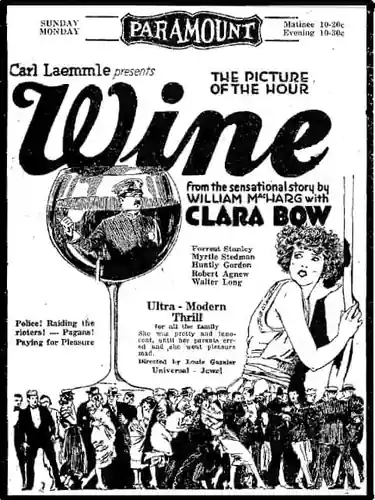
When compared to other films of the era, such as Chick-Chick and Drag Harlan, Wine stands out for its nuanced exploration of the human condition. While films like Sound Your 'A' and The Victory of Virtue may share similar themes of redemption and personal struggle, Wine distinguishes itself through its thoughtful pacing and character development. The film's attention to historical detail, akin to The Opened Shutters and The Oval Diamond, adds another layer of authenticity to its narrative.
The influence of Wine can also be seen in later films that explore similar themes of love, morality, and the challenges of navigating a rapidly changing world. Films like Tin Can Alley and Allies' Official War Review, No. 25, while differing in subject matter, reflect a similar commitment to storytelling and character development. The international appeal of Wine is evident in its comparison to foreign films of the time, such as Æresgjesten and Den kulørte slavehandler, which also grappled with universal themes of family, redemption, and the human spirit.
In conclusion, Wine is a film that not only captures the essence of its time but also transcends it, offering a powerful exploration of human nature, morality, and the enduring quest for respectability. Through its engaging storyline, well-developed characters, and historical context, Wine emerges as a significant work of cinematic art, one that continues to resonate with audiences today. As we reflect on the film's themes and characters, set against the vibrant, if often dark orange hues of the jazz age, illuminated by flashes of yellow optimism, and underscored by the sea blue melancholy of its protagonists' struggles, we are reminded of the timeless appeal of cinema to capture, reflect, and shape our understanding of the world and ourselves.
IMDb —
1916
Community
Log in to comment.