DbcultAccessing Vault...
Cult Review
Senior Film Conservator
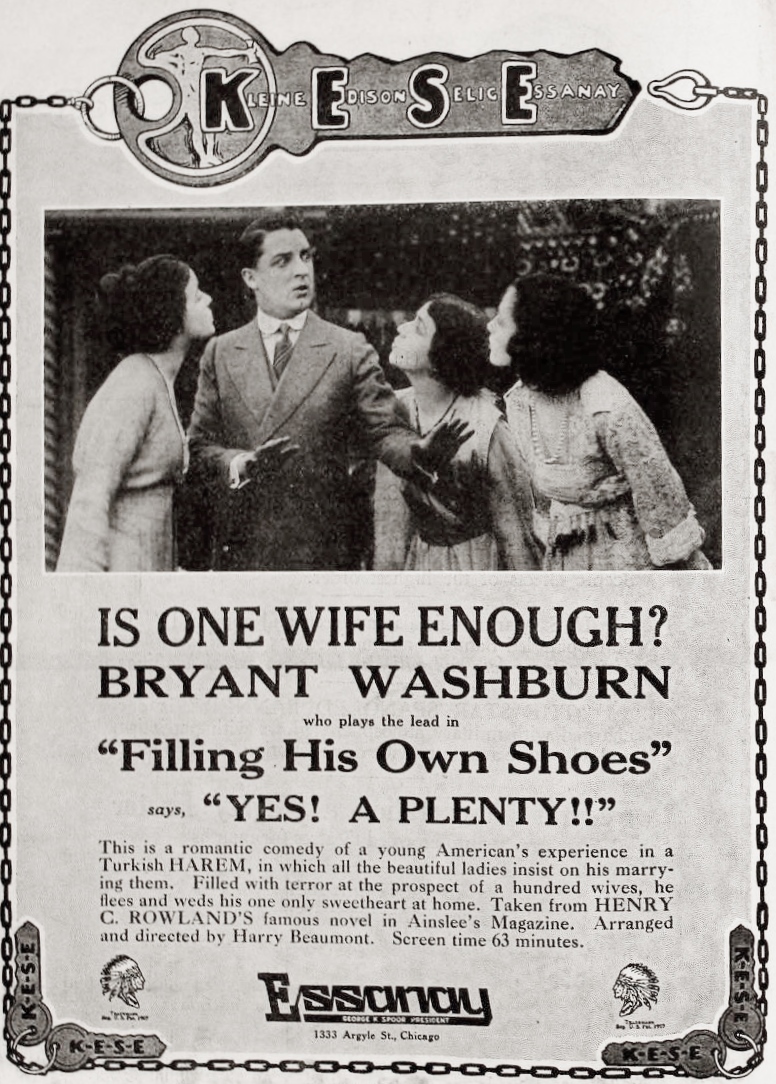
Ah, the silent era! A time when storytelling relied on the sheer power of visual narrative, the emotive capabilities of its stars, and the evocative strains of a live orchestra. It was an epoch of grand gestures, intricate melodramas, and a unique cinematic language that, even today, holds a profound resonance for those willing to immerse themselves in its depths. Among the myriad cinematic treasures from this period, Filling His Own Shoes, a 1923 release directed by the prolific Harry Beaumont, stands as a compelling testament to the era's dramatic prowess. This isn't merely a film; it's a sprawling saga of unexpected fortune, moral quandaries, and the complex, often treacherous, landscape of human affection.
The narrative unfurls with a palpable sense of desperation, introducing us to William Ruggles, portrayed with an endearing blend of vulnerability and nascent resolve by the dashing Rod La Rocque. Ruggles, an American expatriate, finds himself stranded in the romantic yet unforgiving streets of Paris, stripped bare of employment and financial security. The city of lights, for him, has dimmed considerably. In a move born of sheer necessity rather than patriotic fervor, he enlists in the Turkish army, a decision that catapults him from the relative safety of Parisian cafes into the brutal, chaotic theater of the Balkan War. This initial premise alone sets a fascinating stage, compelling us to consider the lengths to which individuals will go when faced with destitution, and how the currents of history can sweep even the most unassuming souls into its violent maelstrom.
It is amidst the visceral horrors of this conflict, during a particularly savage engagement, that Ruggles' destiny takes an unforeseen, pivotal turn. A moment of pure, unadulterated humanity cuts through the fog of war as he rescues a gravely wounded Turkish soldier from the jaws of death. This act of compassion, a fleeting connection forged in the crucible of battle, resonates deeply. Before succumbing to his injuries, the grateful Turk, in a gesture of profound trust and gratitude, bestows upon Ruggles his considerable fortune. But this inheritance is not without its intricate strings; it comes with the weighty stipulation that Ruggles assume guardianship of the Turk's three exquisite young wards: Roxana, Rosa, and Bulbul. This twist immediately elevates the film beyond a simple war drama, introducing layers of moral obligation, cultural transplantation, and the complexities of unexpected familial bonds. It's a classic silent film trope, perhaps, but executed with a certain panache that keeps the audience utterly invested in Ruggles' burgeoning predicament.
Upon his discharge from the military, Ruggles, now a man of means and responsibility, returns to Paris, accompanied by his three new charges. The contrast between his earlier destitution and his current status as a wealthy guardian is stark, underscoring the capricious nature of fortune. It is here, in the familiar yet now vastly altered Parisian landscape, that he encounters Ruth Downing, the radiant daughter of his former employer. Portrayed with an understated elegance by Virginia Valli, Ruth represents a connection to Ruggles' past, a beacon of familiarity in his newly complicated life. Their burgeoning romance forms the emotional core of the film, a tender blossoming amidst the backdrop of Ruggles' unconventional domestic arrangement. However, as is often the case in the grand tradition of silent melodramas, this burgeoning idyll is destined for turbulence.
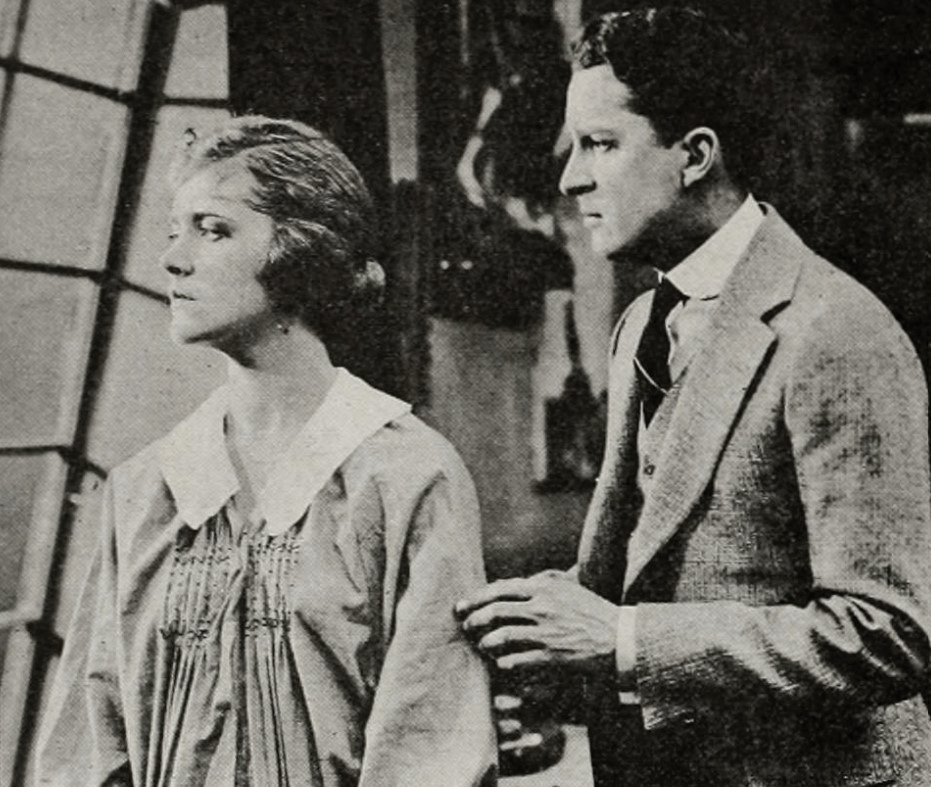
Enter Roxana, played with a captivating intensity by Helen Ferguson. Roxana, one of Ruggles' wards, is not merely grateful for his protection; she is utterly, possessively, and perhaps dangerously in love with him. Her affection, initially subtle, gradually morphs into an unyielding determination that brooks no rivals. She is a woman scorned before she is even truly scorned, a force of nature intent on securing her object of desire, whatever the cost. This creates a fascinating and tense love triangle, propelling the narrative into a realm of psychological drama and moral conflict. Ferguson's portrayal of Roxana is particularly noteworthy, capturing the character's complex blend of vulnerability, passion, and manipulative cunning through the nuanced expressions and gestures so vital to silent acting. Her eyes, in particular, convey a depth of emotion that speaks volumes without a single uttered word.
Rod La Rocque, as William Ruggles, anchors the film with a performance that beautifully encapsulates the archetype of the accidental hero. He is not a man of grand ambitions, but rather one who finds himself continually reacting to the extraordinary circumstances life throws his way. His journey from a bewildered, broke American to a battle-hardened rescuer, and then to a benevolent but conflicted guardian, is portrayed with a subtle evolution that is genuinely compelling. La Rocque masterfully conveys Ruggles' internal struggles: his sense of duty to the dying Turk, his growing affection for Ruth, and his palpable discomfort and eventual distress over Roxana's increasingly overt and desperate machinations. He avoids the exaggerated theatrics sometimes associated with silent film acting, opting instead for a more naturalistic approach that allows the audience to genuinely empathize with his character's plight. His expressions of quiet despair, burgeoning hope, and exasperated confusion are particularly effective, making Ruggles a truly human figure caught in an elaborate web of fate and desire.
Helen Ferguson's Roxana, on the other hand, is a character drawn with shades of compelling darkness. She is not merely a villain; she is a woman driven by a fierce, almost desperate, love that blinds her to the ethical implications of her actions. Her determination to "get him" at any cost transforms the romantic drama into a psychological thriller, making her a memorable antagonist. Ferguson imbues Roxana with a palpable intensity, using her expressive face and body language to convey a wide spectrum of emotions, from tender longing to seething jealousy and ruthless resolve. The audience is left to ponder whether her actions stem from genuine affection, a deep-seated fear of abandonment after losing her initial guardian, or simply a powerful, unchecked possessiveness. This ambiguity adds significant depth to her character, preventing her from becoming a one-dimensional obstacle. Her performance is a masterclass in silent film villainy, demonstrating how nuanced emotions can be communicated without dialogue.
Virginia Valli, as Ruth Downing, provides a vital counterpoint to Roxana’s intensity. Ruth embodies purity, genuine affection, and quiet strength. Her love for William is uncomplicated and sincere, offering him a potential haven from the storms brewing in his life. Valli portrays Ruth with a delicate grace, her vulnerability making her all the more endearing, and her steadfastness providing a moral compass for William. The chemistry between La Rocque and Valli is tender and believable, creating a clear emotional stake for the audience in their potential happiness. The other supporting cast members, including Louise Long, Hazel Daly, and Lyda Dalzell as the other wards (Rosa and Bulbul, presumably, along with other unnamed characters), contribute to the vibrant tapestry of Ruggles' household, adding texture to the domestic scenes and subtly highlighting the burden of his new responsibilities. Harry Dunkinson, Bryant Washburn, Julien Barton, and Arthur Metcalfe round out the cast, providing a solid foundation for the film's dramatic unfolding, each contributing to the rich atmosphere that director Harry Beaumont so meticulously crafts.
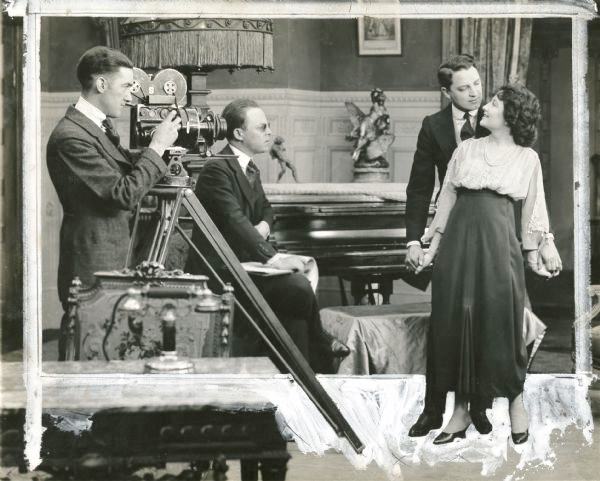
Thematically, Filling His Own Shoes delves into several profound concepts. At its heart lies the eternal struggle between duty and desire. William Ruggles is bound by a sacred promise made to a dying man, an obligation that dictates his living arrangements and, by extension, his future. Yet, his heart pulls him towards Ruth, representing a path of personal happiness and true love. The film skillfully explores the moral tightrope he walks, questioning whether one's personal fulfillment should be sacrificed at the altar of an inherited obligation. This dilemma resonates deeply, as it tackles universal human experiences of responsibility versus individual yearning.
Furthermore, the film subtly touches upon the aftermath of war, not through explicit depictions of trauma, but through the unexpected ways it reshapes individual destinies. Ruggles' journey from a civilian to a soldier, and then to a beneficiary of war's grim lottery, illustrates how conflict can be a catalyst for radical personal transformation, often leading to unforeseen consequences and responsibilities that extend far beyond the battlefield. It’s a poignant reminder that the ripples of war affect lives in myriad, often surprising, ways.
The most potent theme, however, is the stark contrast between love and obsession. Ruth's love for William is gentle, selfless, and rooted in mutual respect. Roxana's, conversely, is consuming, possessive, and ultimately destructive. The film serves as a cautionary tale, illustrating how unchecked desire can curdle into manipulation and jealousy, threatening to dismantle everything in its path. This exploration of the darker facets of human emotion is what elevates the film from a simple romance to a gripping psychological drama, a characteristic often found in the more sophisticated silent features. In this regard, it shares thematic DNA with other dramas of the era that explored the complexities of human relationships and societal expectations, perhaps echoing the intricate family dynamics found in a film like Diplomacy, where personal desires clash with broader social or familial obligations.
Harry Beaumont’s direction is a masterclass in silent film aesthetics. He orchestrates the unfolding drama with a keen eye for visual storytelling, relying heavily on expressive performances, carefully composed shots, and the judicious use of intertitles to convey dialogue and internal monologues. The pacing is deliberate, allowing moments of emotional intensity to breathe, yet never dragging. Beaumont understands the power of the close-up, utilizing it effectively to highlight the subtle shifts in his actors' expressions, drawing the audience deeper into their psychological states. The scenes of the Balkan War, while perhaps not depicting the graphic realism of later war films, convey a sense of urgency and danger through dynamic camerawork and carefully choreographed action sequences, a testament to the ingenuity of silent era filmmakers working within technical constraints. His ability to transition seamlessly from the grand scale of war to the intimate drama of a Parisian household speaks volumes about his versatility as a director.
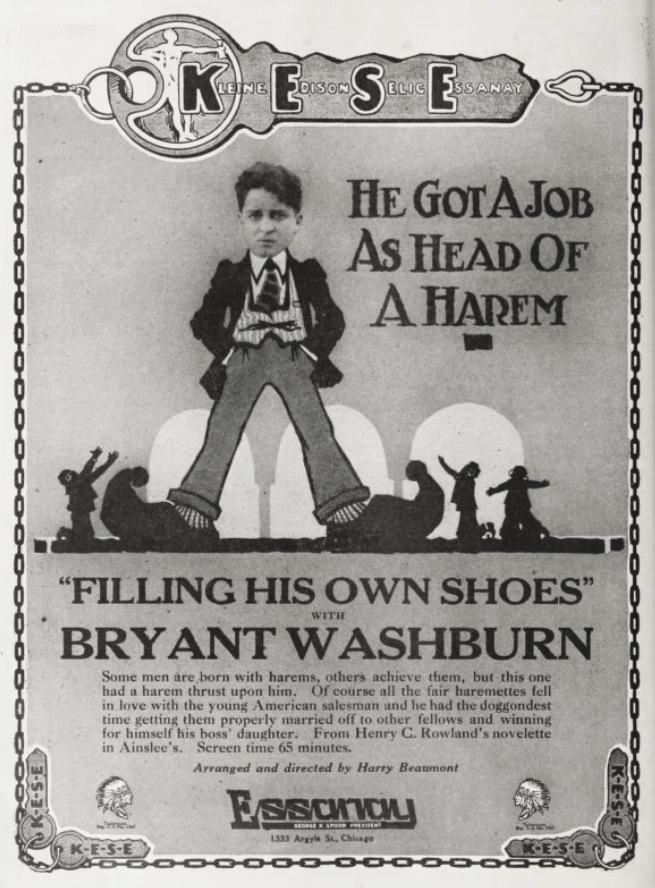
The screenplay, penned by Beaumont himself alongside Henry C. Rowland, is remarkably well-structured. It builds suspense gradually, introducing complications and raising the stakes with each narrative beat. The characters are not mere caricatures; they are individuals with discernible motivations, even if those motivations are flawed. The dialogue, conveyed through intertitles, is concise and impactful, serving to advance the plot and reveal character rather than simply explain events. The originality of the premise, combining elements of war, inheritance, guardianship, and a desperate love triangle, showcases a creative ambition that pushed the boundaries of popular entertainment in the 1920s. It’s a narrative that, despite its age, still feels fresh and engaging, a testament to the enduring power of classic storytelling.
Placing Filling His Own Shoes within its historical context further enriches its appreciation. The early 1920s were a fascinating period for cinema, a time of rapid innovation and a burgeoning understanding of film as an art form. Silent films were becoming increasingly sophisticated, moving beyond simple nickelodeon attractions to complex, feature-length narratives that could rival stage productions in their dramatic scope. The acting styles, while often more overtly theatrical than modern sensibilities might prefer, were finely tuned to convey emotion without spoken words, relying on pantomime, facial expressions, and body language. Rod La Rocque, a prominent leading man of the era, epitomizes this style, delivering performances that were both accessible and deeply felt. Films like The Royal Imposter and Who Pays? similarly navigated intricate plots involving societal expectations and personal dilemmas, highlighting a common thread in the era's dramatic output where characters grappled with forces beyond their immediate control.
The film also exemplifies the era's fascination with exotic locales and international intrigue, a common thread in many adventure and romance films of the time. The brief but impactful foray into the Balkan War adds a layer of global context that elevates the personal drama. This international flavor, combined with the inherent drama of an unexpected inheritance and a complex love triangle, made Filling His Own Shoes a potent draw for audiences seeking both escapism and emotional depth. It's a film that, like many of its contemporaries, asks profound questions about identity, fate, and the true cost of love and obligation.
In conclusion, Filling His Own Shoes is far more than just a historical curiosity; it is a vibrant, engaging piece of silent cinema that continues to captivate. Its blend of war drama, romantic entanglement, and psychological tension makes for a rich viewing experience. Rod La Rocque delivers a nuanced and sympathetic performance as William Ruggles, while Helen Ferguson's Roxana provides a memorable and chilling counterpoint, a testament to the power of a well-crafted antagonist. Harry Beaumont's direction ensures that the narrative flows seamlessly, drawing the audience into its intricate web of relationships and moral dilemmas. For enthusiasts of early cinema, or anyone with an appreciation for finely wrought human drama, this film offers a fascinating glimpse into the storytelling artistry of a bygone era. It reminds us that even without spoken dialogue, the human heart's deepest desires and most profound struggles can be communicated with astonishing clarity and emotional force. It unequivocally earns its place as a significant work in the silent film canon, a compelling drama that truly fills its own shoes with an enduring legacy.
IMDb 6
1924
Community
Log in to comment.