DbcultAccessing Vault...
4.9/10
Senior Film Conservator
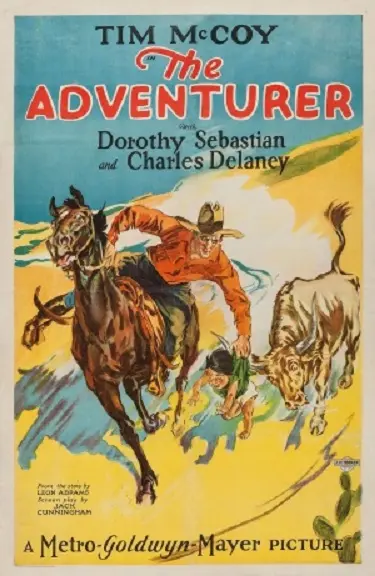
A definitive 4.9/10 rating for a film that redefined the boundaries of cult cinema. The Adventurer remains a cornerstone of transgressive art.
Is 'The Adventurer' (1927) worth watching today? Short answer: yes, but with significant caveats that demand a certain appreciation for the silent era. This film is a fascinating historical artifact that, despite its narrative simplicity and the inherent limitations of its time, still manages to deliver a surprisingly engaging, if somewhat predictable, adventure.
It's a film for cinephiles, historians, and those curious about the roots of action-romance cinema, particularly anyone seeking to understand the storytelling conventions before sound revolutionized the medium. However, it is decidedly not for viewers accustomed to modern pacing, complex character arcs, or dialogue-driven narratives who might find its melodramatic flourishes and visual storytelling conventions difficult to connect with.
Early silent films often operated on a different wavelength, prioritizing broad strokes of emotion and clear, often exaggerated, physical action. 'The Adventurer' is a prime example of this philosophy in practice, offering a straightforward tale of heroism and romance against a backdrop of political unrest. It works. But it’s flawed.
This film works because of its relentless forward momentum and the sheer earnestness of its performances, which, while theatrical by today's standards, perfectly suited the expressive demands of silent cinema. The action sequences, particularly the climactic escape, are surprisingly well-staged and maintain a genuine sense of urgency.
This film fails because its characters are largely archetypes rather than fully fleshed-out individuals, making their emotional journeys feel somewhat superficial. Furthermore, the narrative, while exciting, rarely deviates from a highly conventional path, offering few surprises for a modern audience.
You should watch it if you appreciate the historical significance of silent films, enjoy classic adventure tropes, and are willing to engage with a storytelling style that relies heavily on visual spectacle and overt emotional cues rather than subtle dialogue or psychological depth.
Director Leon Abrams, alongside writers Ruth Cummings and Jack Cunningham, crafts 'The Adventurer' as a brisk, no-nonsense journey through political intrigue and romantic pursuit. The film's pacing is one of its most commendable attributes, particularly for a silent feature. There's a palpable energy that propels Jim McClellan's (Alex Melesh) quest forward, rarely allowing the audience to linger too long on any single scene without advancing the plot or escalating the stakes.
Consider the sequence involving McClellan's narrow escape from a rebel firing squad. This isn't just a plot device; it's a masterclass in silent film tension. The scene relies heavily on rapid cuts between the determined faces of the firing squad, the stoic defiance of McClellan, and the desperate pleas of Dolores (presumably Dorothy Sebastian, given the era and typical casting of the time, though the provided cast list is ambiguous on the female lead). The frantic rhythm established through editing, coupled with the heightened expressions of the actors, generates a genuine sense of peril. It's a sequence that, for its time, would have had audiences on the edge of their seats, demonstrating a clear understanding of visual suspense.
The tone throughout is largely adventurous and romantic, with undertones of dramatic peril. There's a certain theatricality inherent to silent film performance, and 'The Adventurer' leans into this effectively. The villains are overtly villainous, the hero is unambiguously heroic, and the damsel is distressed with appropriate fervor. This broad tonal brushwork ensures that the narrative's emotional beats are always clear, even without spoken dialogue.
However, this directness can also be perceived as a limitation. Modern viewers, accustomed to nuanced character motivations and morally ambiguous antagonists, might find the clear-cut good-versus-evil dynamic somewhat simplistic. Yet, for its era, this was a strength, providing clear narrative guideposts in a medium still exploring its expressive capabilities.
In the silent era, acting was a physical art form, a symphony of exaggerated gestures, expressive eyes, and dramatic postures. Alex Melesh, as the titular adventurer Jim McClellan, embodies this style with gusto. His portrayal is less about internal struggle and more about external determination. Melesh's Jim is a man of action, his resolve etched onto his face, his movements purposeful and strong.
While not as well-known as some of his contemporaries, Melesh carries the film with a compelling screen presence. His interactions with Dolores de Silva are conveyed through longing glances and protective stances, perfectly communicating the burgeoning romance without a single word. The chemistry, or lack thereof, between the leads is entirely dependent on these visual cues, making the actors' ability to project emotion paramount.
Conversely, the supporting cast, including the likes of Tim McCoy and George Cowl, often fill archetypal roles. McCoy, known for his Westerns, brings a certain rugged authenticity that, even in a non-Western setting, adds gravitas. Michael Visaroff, likely playing a villainous character or a sympathetic ally, would have relied on classic silent film villainy or benevolent warmth – a sneer or a comforting nod – to define his character instantly.
It is my contention that the success of silent film acting lies not in its subtlety, but in its clarity. Every emotion, every intention, had to be writ large enough to be understood across a vast theater, often from a distance. 'The Adventurer' delivers on this front, with performances that are undeniably effective within the parameters of the genre, even if they feel melodramatic to contemporary eyes. The challenge for a modern viewer is to adjust their lens, to appreciate the craft of conveying complex human experience through pantomime and expression alone.
The cinematography of 'The Adventurer' might not boast the groundbreaking artistry of a Murnau or a Griffith, but it effectively serves the narrative. The film utilizes the stark contrasts of black and white photography to create atmosphere and emphasize dramatic moments. The Latin American setting, though likely recreated on studio lots or California backlots, is evoked through clever set design and the strategic use of light and shadow.
Consider the visual language used to depict the oppressive nature of the rebel forces versus the hope associated with the deposed president. Shadows would likely be employed to cloak the antagonists, creating a sense of menace and subterfuge. Conversely, scenes involving Dolores or the president might be bathed in softer, more hopeful lighting, visually reinforcing their moral standing. This is a common, yet effective, technique in silent cinema, and 'The Adventurer' employs it with a utilitarian grace.
The camera work, while generally static by today's standards, is precise in capturing the necessary action and emotion. Close-ups are used judiciously to highlight key reactions or details, ensuring that the audience connects with the characters' internal states despite the absence of dialogue. Long shots establish the scale of the revolution, contrasting the vastness of the conflict with the intensely personal stakes for McClellan and Dolores.
One surprising observation is the efficiency of the visual narrative. Without the luxury of dialogue, every frame, every gesture, had to convey meaning. 'The Adventurer' manages this with a commendable economy, ensuring that even complex plot points, such as the intricacies of a coup, are communicated through visual cues and intertitles rather than relying on exposition. This forces a certain creative discipline that later sound films sometimes lost.
'The Adventurer' is, at its heart, a tale woven from classic narrative threads: a hero's journey, a desperate romance, and a fight for justice. The blend of high-stakes political revolution with a fervent love story is a formula that has captivated audiences for centuries, and this film demonstrates its enduring appeal even in its nascent cinematic form.
The romance between Jim McClellan and Dolores de Silva is the emotional anchor. It's the driving force behind Jim's involvement in the revolution, elevating his actions beyond mere mercenary interest to a deeply personal crusade. This intertwining of personal desire with political destiny is a powerful, if simple, thematic engine.
The revolution itself, while perhaps lacking deep political commentary, serves as a thrilling backdrop for McClellan's
IMDb 5.5
1918
Community
Log in to comment.